At a glance
- 💰 Startup cost
- $20K-$250K
- 📈 Difficulty
- Hard
- ⏱️ Time to launch
- 4-12 months
- 📊 Typical margins
- Medium (25-45% gross packaged; higher per scoop in shops)
- 🎯 Best for
- Founders who love product development and can manage cold-chain logistics or a retail location
Real Shark Tank pitches in this space
Swipe → No deal
eCreamery
Season 4
No deal
Sub Zero Ice Cream
Season 4
Deal
Maven's Creamery
Season 10 · Barbara Corcoran
 Deal
The Frozen Farmer
Season 11 · Lori Greiner
 Deal
Sweetkiwi
Season 14 · Robert Herjavec
Deal
Veggie Mama Garden Pops
Season 5 · Barbara Corcoran
No deal
Must Love
Season 13
No deal
Wink Frozen Desserts
Season 7
No deal
Peekaboo
Season 12
 No deal
Life Raft Treats
Season 16
Why a frozen dessert business works now
Ice cream is an affordable treat that people buy in good times and bad. Shoppers are open to new formats and diets: low-sugar pints, plant-based scoops, probiotic bars, fruit-forward sorbets and hidden-vegetable desserts for kids. Social media also rewards visually striking desserts, which helps shops and pop-ups build buzz quickly.
The hard part is cold. Every step, from production to storage to shipping to the retailer's freezer, costs more than shelf-stable foods, and freezer space in grocery stores is limited.
What Shark Tank pitches teach us
Our database includes a wide range of frozen dessert pitches, from shops to packaged brands:
- Maven's Creamery (Season 10) made ice cream sandwiches with French macarons instead of cookies and got a deal with Barbara Corcoran. A familiar format with a premium twist is easy for buyers to understand.
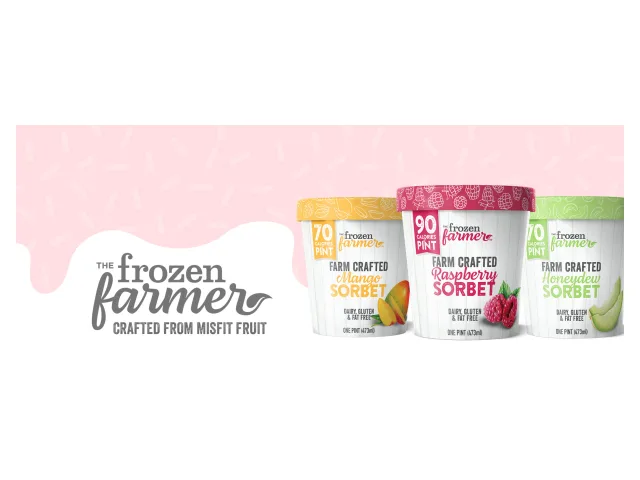
- The Frozen Farmer (Season 11) is a farm-based brand making fruit desserts from its own crops and closed a deal with Lori Greiner. Owning the source of your key ingredient creates a story and, potentially, a cost advantage.
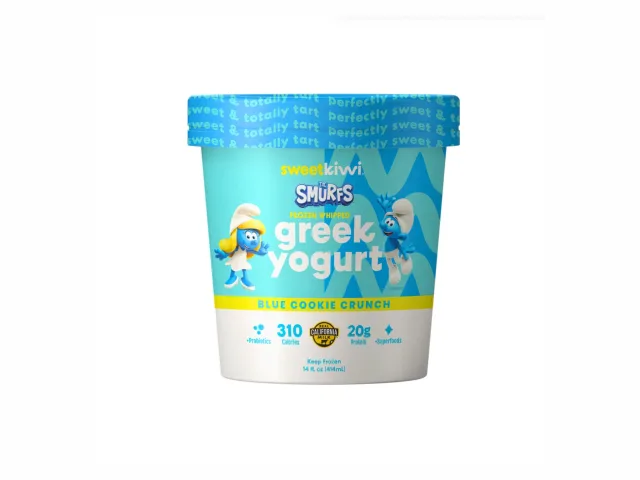
- Sweetkiwi (Season 14) makes probiotic frozen Greek yogurt bars with less sugar and got a deal with Robert Herjavec, showing the pull of better-for-you positioning.
- Veggie Mama Garden Pops (Season 5) blended fruit and hidden vegetables into frozen pops and got a deal with Barbara Corcoran and Mark Cuban. Solving a parent's problem is a strong pitch.
- Peekaboo (Season 12) also hid vegetables in ice cream but did not get a deal, a reminder that the same idea can land differently depending on traction, valuation and timing.
- eCreamery (Season 4) lets customers create custom flavors and personalized pints, and Sub Zero Ice Cream (Season 4) makes liquid-nitrogen ice cream to order. Neither got a deal, yet both are listed as still active, proving that a no from the Sharks does not decide a business's future.
- Must Love (Season 13) and Wink Frozen Desserts (Season 7) pitched plant-based or low-calorie alternatives and did not get deals. Healthier frozen desserts are a crowded space where taste and margins are closely scrutinized.
- Life Raft Treats (Season 16) sells nostalgic, art-inspired novelty treats, left without a deal and is listed as active.
Startup costs breakdown
Costs depend heavily on whether you open a shop or build a packaged brand. These are typical estimates.
| Item | Packaged brand (estimate) | Small shop (estimate) |
|---|---|---|
| Recipe development and testing | $2,000-$10,000 | $1,000-$5,000 |
| Co-packer runs or production equipment | $10,000-$50,000 | $20,000-$75,000 |
| Packaging (pints, lids, sleeves) or serving supplies | $3,000-$15,000 | $2,000-$6,000 |
| Cold storage and frozen logistics | $2,000-$10,000 | Included in equipment |
| Build-out, lease deposit and signage | Not applicable | $40,000-$150,000 |
| Licenses, permits and insurance | $1,000-$5,000 | $2,000-$8,000 |
| Launch marketing and sampling | $3,000-$15,000 | $3,000-$10,000 |
Step-by-step: how to start a frozen dessert business
- Choose your model. A scoop shop, mobile cart, wholesale to restaurants or packaged pints for retail each has very different economics.
- Define your hook. Flavor creativity, a diet niche (dairy-free, low-sugar), a format (sandwiches, bars, pops) or an experience (made to order) should be clear from the first glance.
- Learn the rules. Frozen dairy desserts are often regulated by agriculture departments as well as health departments, with requirements for pasteurized mixes and licensed facilities. Plant-based and fruit products have their own rules. Check with local authorities before selling.
- Test small. Farmers markets, pop-ups and local restaurant partnerships help you learn which flavors sell.
- Solve cold chain early. Line up freezer storage, frozen distribution or a delivery partner before you take large orders.
- Price for waste and seasonality. Account for melted product, damaged packaging and slower winter months.
- Build repeat business. Rotating seasonal flavors, loyalty programs and catering can smooth out demand.
- Scale with partners. A co-packer or regional frozen distributor can take you beyond what one kitchen can supply.
How to make money
In a shop, a scoop that costs roughly $0.50 to $1.25 to make may sell for $4 to $7, so per-serving margins can be high; rent, labor and seasonality are what make or break profit. For packaged pints, a typical estimate is $1.50 to $3.50 in production cost, $4 to $6 wholesale and $6 to $10 retail. Retailers may also expect freezer promotions and slotting, which eat into margins.
Additional revenue can come from catering, weddings and corporate events, wholesale to restaurants and cafes, shipped gift boxes, and custom or private-label flavors.
Shop, cart or packaged brand: which fits you?
Before spending money, decide which business you actually want to run. Each path suits a different founder:
- A scoop shop is a hospitality business. Success depends on location, foot traffic, staff and the in-store experience. Margins per serving are attractive, but rent and labor are fixed costs you pay all year, including slow months.
- A cart, truck or pop-up is the lowest-cost way to test flavors and build a following. Events, weddings and farmers markets can be lucrative, though income tends to be seasonal and depends on your calendar.
- A packaged pint or novelty brand is a consumer packaged goods business. You will spend most of your time on production partners, distributors, retail buyers and promotions rather than serving customers directly.
- Wholesale to restaurants and cafes sits in between. Steady orders from a handful of accounts can fund production, but you need reliable delivery and freezer capacity.
Many founders start with a cart or local wholesale to prove the product, then choose whether to open a shop or move into packaged goods based on which channel shows the strongest demand. Trying to do everything at once is one of the fastest ways to run out of cash in this category.
Questions the Sharks would ask you
- What are your sales this year, and how seasonal are they?
- What does a pint or a scoop cost you, all-in?
- How do you keep product frozen from production to customer, and what does it cost?
- Why would a grocer give you freezer space over an established brand?
- Are you a shop business or a product business, and which one are you asking us to invest in?
Red flags that sink pitches in this category
- Underestimating cold-chain costs. Shipping and storage can wipe out margins.
- Unclear business model. Investors get nervous when a founder is trying to be a shop, a wholesaler and a national brand at once.
- Health claims without great taste. Low-sugar or plant-based desserts must still compete on flavor.
- Single-location economics presented as a national opportunity. One busy shop does not automatically mean a franchise-ready concept.
Frequently asked questions
How much does it cost to start an ice cream business?
A packaged frozen brand made by a co-packer often needs roughly $20,000 to $100,000 for production, packaging, cold storage and launch costs. A small ice cream shop can run $100,000 to $250,000 or more once you include build-out, equipment and lease deposits. A cart or pop-up stand can start lower. These are typical estimates.
Is an ice cream business profitable?
Scoop shops can earn strong margins per serving, but they are seasonal in many climates and carry rent and labor costs. Packaged pints have lower margins after distribution, freezer slotting and promotions. Profitability usually depends on volume, location and controlling waste.
Do I need a special license to make ice cream?
Often yes. Many areas regulate frozen dairy desserts more strictly than other foods because dairy carries higher food safety risk. You may need a dairy or frozen dessert license, an inspected facility and pasteurized mix. Rules vary widely, so check with your state or local agriculture and health departments.
How do I ship ice cream to customers?
Shipping frozen desserts requires insulated packaging and dry ice or gel packs, usually with overnight or two-day shipping. It is expensive, so many brands sell bundles of several pints to make the shipping cost reasonable per unit.
Every pitch, deal and Shark mentioned here is checked against our database of 1,533 Shark Tank pitches. Cost ranges are typical estimates, not quotes. This is general education, not financial, legal or investment advice. Editorial policy · Suggest a correction
More business ideas
See all →


How to Start a Food Truck Business: Lessons From 8 Shark Tank Pitches
A food truck is one of the most direct ways to test a restaurant concept with real customers.
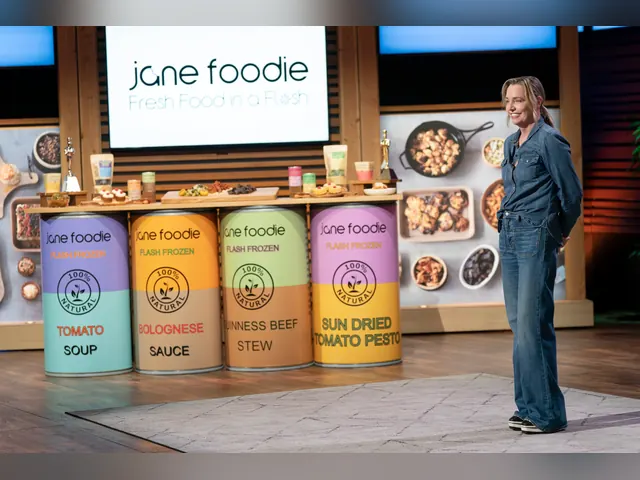
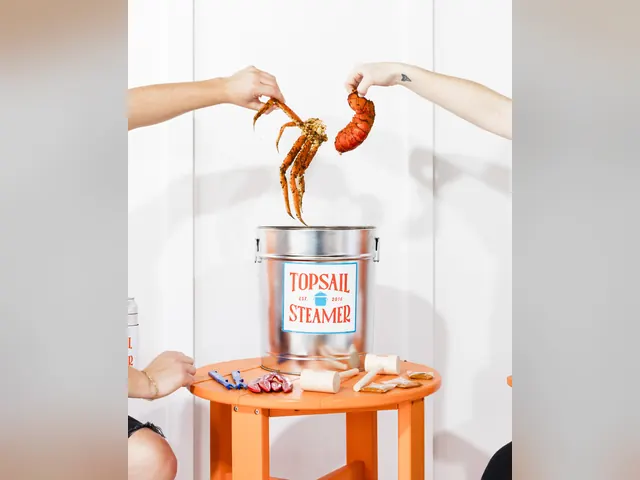
How to Start a Prepared Meals or Meal Kit Business: Lessons From 11 Shark Tank Pitches
Busy households will pay for dinner they do not have to plan or cook. Here is how prepared meal…
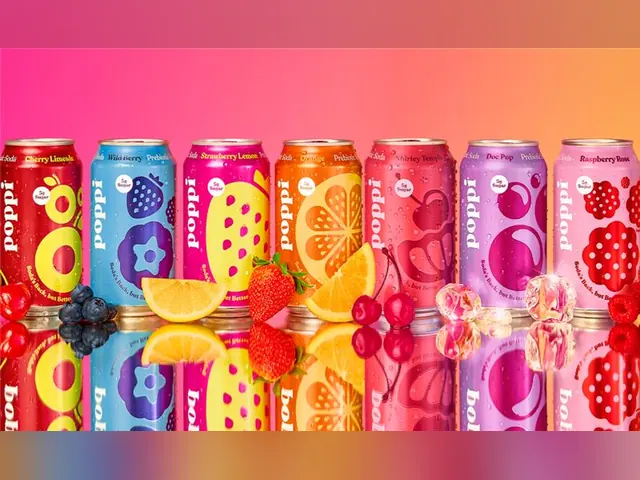
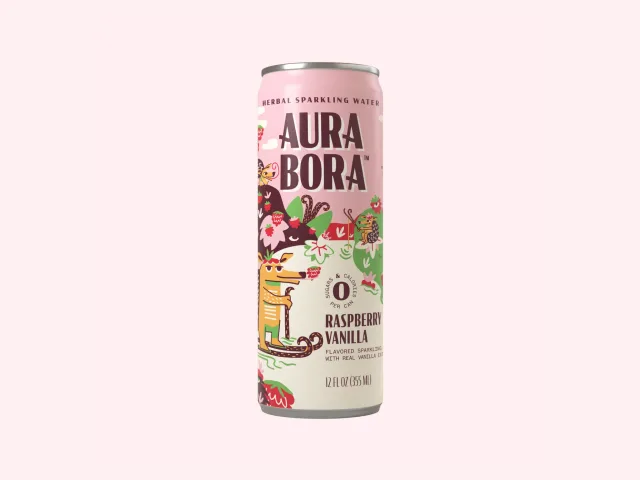
How to Start a Functional Beverage Brand: Lessons From 11 Shark Tank Pitches
Better-for-you drinks are one of the hottest grocery categories and one of the most expensive to…
How to Start a Plant-Based Food Brand: Lessons From 10 Shark Tank Pitches
Plant-based food has moved from health-food stores to mainstream grocery aisles.
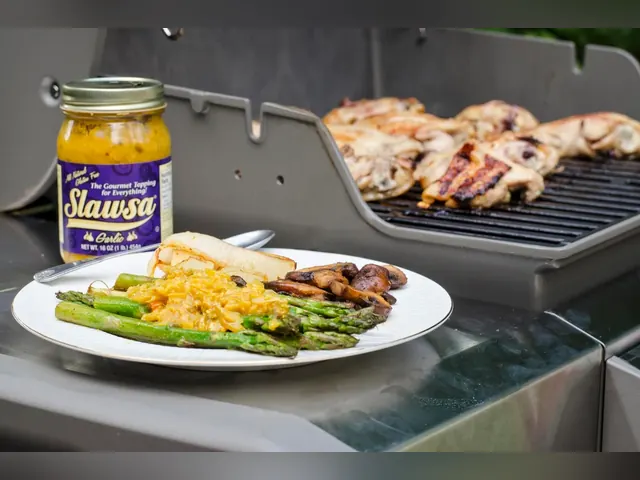

How to Start a Hot Sauce Business: Lessons From 9 Shark Tank Pitches
Hot sauce is one of the easiest food brands to start and one of the hardest to stand out in.
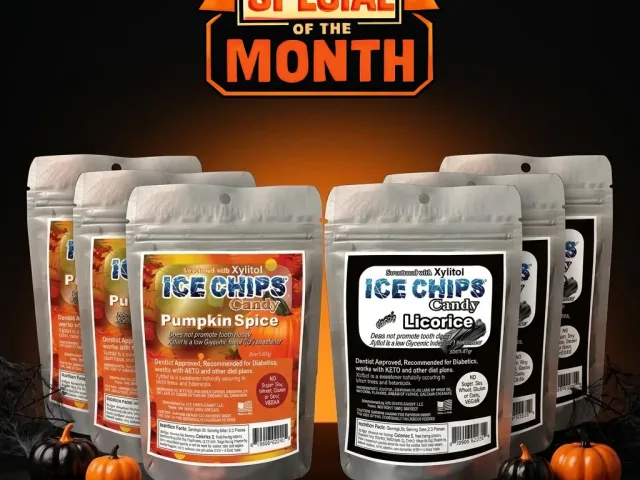

How to Start a Candy and Chocolate Business: Lessons From 10 Shark Tank Pitches
Candy is an impulse buy, a gift and a nostalgic treat all at once. Here is how to build a candy or…

Common Shark Tank Pitch Mistakes That Kill Deals
About four in ten Shark Tank pitches in our database ended without a deal on air.


Know Your Numbers: The Metrics Sharks Grill Founders On
Sharks judge a business by a handful of numbers: sales, margins, landed cost, customer acquisition…

How to Pitch Like a Shark Tank Winner
Successful Shark Tank pitches follow a recognizable structure: a clear ask, a relatable problem…