At a glance
- 💰 Startup cost
- $10K-$150K
- 📈 Difficulty
- Hard
- ⏱️ Time to launch
- 3-9 months
- 📊 Typical margins
- Low-Medium (20-40% gross)
- 🎯 Best for
- Chefs and operators who love logistics, food safety and building a loyal local customer base
Real Shark Tank pitches in this space
Swipe →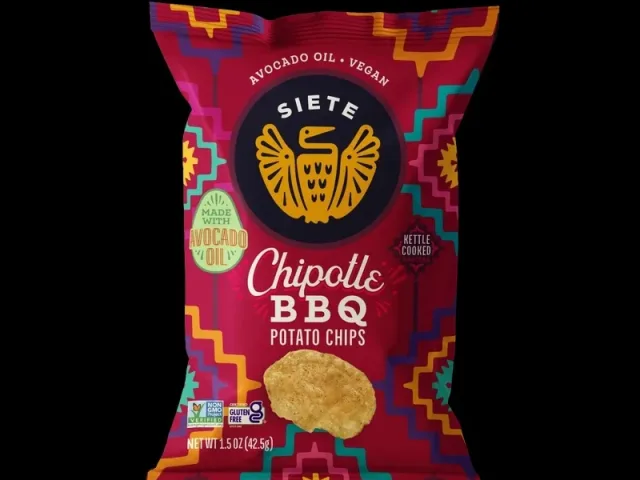 Deal
Everytable
Season 9 · Rohan Oza
No deal
Ice Age Meals
Season 8
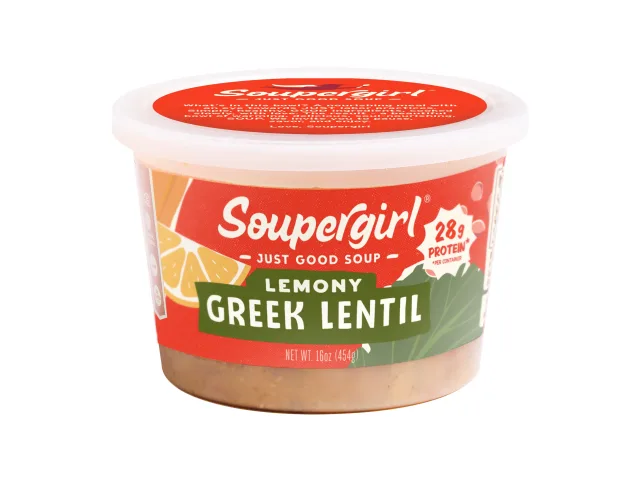 No deal
Soupergirl
Season 10
Deal
Proper Good
Season 13 · Mark Cuban
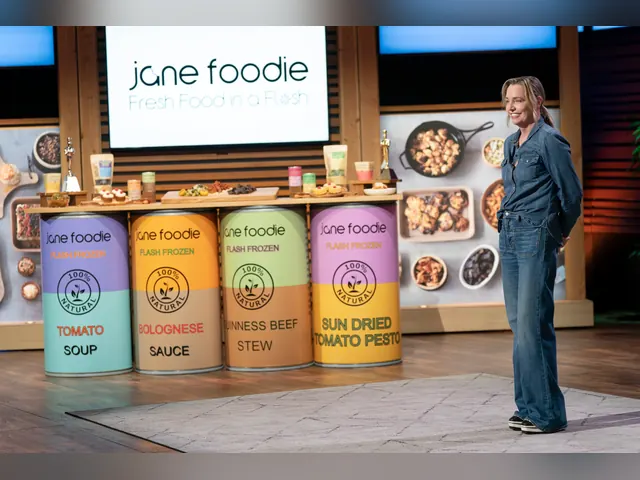 Deal
Jane Foodie
Season 16 · Lori Greiner
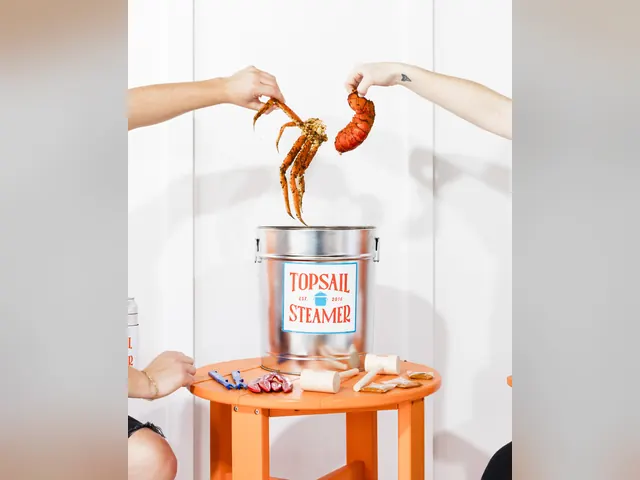 Deal
Topsail Steamer
Season 16 · Lori Greiner
 Deal
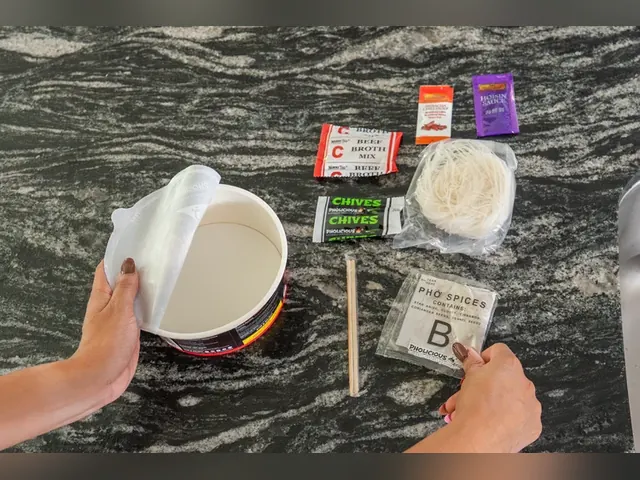
Pho Licious
Season 16 · Kevin O'Leary
 Deal
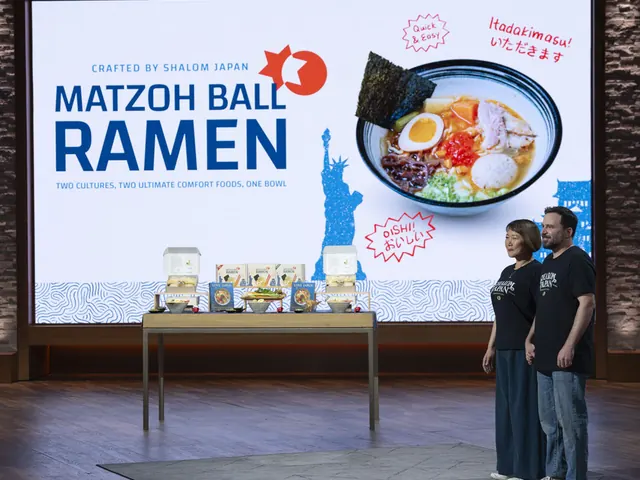
Shalom Japan
Season 17 · Barbara Corcoran
Deal
Me-Ma's Gumbo
Season 4 · Lori Greiner
Why a prepared meals business works now
Time is the scarcest resource in many households. Working parents, busy professionals, older adults and people following specific diets are all willing to pay for meals that are planned, portioned and ready to go. Online ordering and subscription software have made it possible for a small kitchen to serve hundreds of regular customers with weekly menus.
It is also a demanding business. Food is perishable, delivery is expensive and customers cancel when life changes. The operators who succeed run tight kitchens and focus relentlessly on retention.
What Shark Tank pitches teach us
Our database covers several flavors of this business, from meal kits to frozen entrees:
- Plated (Season 5) sent pre-portioned ingredients with chef-designed recipes and got a deal with Mark Cuban. It is listed as acquired, showing that meal kits can become attractive to larger companies when they reach scale.
- Yumble (Season 10), a ready-made kids' meal delivery service, and Everytable (Season 9), a Los Angeles seller of fresh grab-and-go meals, both closed deals with guest Shark Rohan Oza. Each targeted a clear customer: parents in one case, convenience-seeking city diners in the other.
- Jane Foodie (Season 16) makes flash-frozen prepared meals and got a deal with Lori Greiner. Freezing extends shelf life and opens retail and shipping options that fresh meals cannot easily reach.
- Topsail Steamer (Season 16) sells seafood meal kits that cook in their own disposable steaming pot and closed a deal with Lori Greiner and guest Shark Todd Graves. A built-in cooking vessel makes the kit an experience, not just ingredients.
- Pho Licious (Season 16) packages quick-prep pho and got a deal with Kevin O'Leary; Shalom Japan (Season 17) ships a Brooklyn restaurant's matzoh ball ramen as a kit and got a deal with Barbara Corcoran; Me-Ma's Gumbo (Season 4) sells frozen gumbo base "bricks" and got a deal with Lori Greiner and Kevin O'Leary. Signature dishes from a culture or restaurant translate well into packaged formats.
- Proper Good (Season 13) makes natural soups and meals and got a deal with Mark Cuban.
- Ice Age Meals (Season 8) and Soupergirl (Season 10) did not get deals. Delivery-heavy and regional prepared food businesses face hard questions about margins and scalability.
Pick your model
- Local meal prep with pickup or delivery: lowest cost, high personal touch, limited geography.
- Shipped fresh meal kits or meals: wider reach, but insulated packaging and shipping costs are heavy.
- Frozen packaged meals: longer shelf life and retail potential, but requires co-packing or freezer capacity and competes in grocery freezers.
- Shelf-stable meal starters: sauces, broths and noodle kits are easiest to ship and stock, with lower price points.
Startup costs breakdown
Typical estimates for a local meal prep operation in a shared commercial kitchen.
| Item | Typical estimate |
|---|---|
| Commercial kitchen rental (first months) | $1,500-$8,000 |
| Cooking equipment, smallwares and storage | $2,000-$15,000 |
| Containers, labels and insulated bags | $1,000-$5,000 |
| Permits, certifications and insurance | $1,000-$5,000 |
| Ordering website and subscription software | $500-$4,000 |
| Delivery vehicle costs or courier setup | $500-$10,000 |
| Initial food inventory and menu testing | $1,000-$5,000 |
| Launch marketing | $1,000-$8,000 |
Step-by-step: how to start a prepared meals business
- Choose a niche customer. Athletes, new parents, seniors, specific diets (keto, plant-based, gluten-free) or a cuisine. A defined audience makes menus and marketing easier.
- Get licensed. Prepared meals generally require a licensed commercial kitchen, health department permits and food safety certification. Products with meat may face extra oversight, and labeling rules apply to packaged meals. Check local and national requirements.
- Design a tight rotating menu. A small number of dishes that share ingredients keeps waste and labor low.
- Set an ordering cutoff. Weekly pre-orders let you buy exactly what you need.
- Solve packaging and labeling. Containers must hold up to reheating; labels should show ingredients, allergens and use-by dates.
- Plan delivery. Choose pickup points, scheduled delivery routes or a courier partner, and price delivery into the order.
- Launch with a pilot group. Serve 20 to 50 customers, gather feedback, then expand.
- Track retention weekly. Measure how many customers reorder, and survey those who stop.
How to make money
Local prepared meals commonly sell for $10 to $16 per meal with food costs of roughly 30-40% of price, as typical estimates. After packaging, labor and delivery, contribution margins can be thin unless orders are dense and predictable. Meal kits shipped nationally often carry higher prices but also higher shipping and acquisition costs. Frozen retail meals may cost $2 to $5 to produce and retail for $6 to $12.
Extra revenue can come from corporate lunches, catering, family-size trays, add-ons like snacks and juices, and wholesale to gyms, cafes and markets.
Keeping customers past the first month
Retention is the heartbeat of this model. Rotate menus so customers do not get bored, let them pause instead of cancel, and send reminders before cutoffs. Ask for feedback on every new dish, and retire items that underperform quickly. Small gestures, like a handwritten note or a free dessert on someone's tenth order, build loyalty that discounts cannot buy.
Controlling food waste
Waste quietly destroys margins in prepared food. Pre-orders with a firm cutoff are the most powerful tool, because you cook to known demand. Cross-utilize ingredients so a protein or grain appears in several dishes, and plan a use for trim and surplus, such as soups, staff meals or donations where local rules allow. Track what you discard each week by item; a dish that consistently produces leftovers is either overproduced or underperforming and should be adjusted.
Questions the Sharks would ask you
- What does it cost you to acquire a customer, and how many weeks do they stay?
- What is your food cost percentage and your contribution margin per order?
- How much food do you throw away each week?
- Can this work in another city without you in the kitchen?
- Why would customers choose you over national meal kit services?
Red flags that sink pitches in this category
- High churn. Subscribers who leave after a few weeks make acquisition costs impossible to recover.
- Delivery costs eating the margin. Spread-out customers make every order expensive.
- Founder-dependent cooking. Investors need systems that work without one chef.
- Too broad a menu. Complexity increases waste and errors.
Frequently asked questions
How much does it cost to start a meal prep business?
A local meal prep business working from a rented commercial kitchen can often start for roughly $10,000 to $30,000 in equipment, packaging, permits, insurance and marketing. A packaged frozen meal brand or a meal kit service that ships regionally typically needs $50,000 to $150,000 or more. These are typical estimates.
Is a meal prep business profitable?
It can be, but margins are tighter than many founders expect. Food cost, labor, packaging, delivery and customer acquisition all compete for each dollar. Successful operators keep menus focused, batch-cook efficiently, minimize waste and build a subscriber base that orders every week.
Do I need a license to sell prepared meals?
Almost always. Prepared meals are perishable and usually excluded from cottage food laws, so most businesses need a licensed commercial kitchen, food handler or manager certifications and health department permits. Meals containing meat may face additional oversight. Check local and national requirements.
What is the difference between a meal kit and prepared meals?
A meal kit contains pre-portioned raw ingredients and a recipe for the customer to cook. Prepared meals arrive fully cooked and need only reheating. Kits appeal to people who want to cook without planning; prepared meals appeal to people who want to skip cooking entirely.
Every pitch, deal and Shark mentioned here is checked against our database of 1,533 Shark Tank pitches. Cost ranges are typical estimates, not quotes. This is general education, not financial, legal or investment advice. Editorial policy · Suggest a correction
More business ideas
See all →

How to Start a Hot Sauce Business: Lessons From 9 Shark Tank Pitches
Hot sauce is one of the easiest food brands to start and one of the hardest to stand out in.


How to Start a Candy and Chocolate Business: Lessons From 10 Shark Tank Pitches
Candy is an impulse buy, a gift and a nostalgic treat all at once. Here is how to build a candy or…

How to Start a Coffee Brand: Lessons From 11 Shark Tank Pitches
Coffee is a daily habit with fierce loyalty, which makes it a great subscription business and a…
How to Start a Spirits, RTD or Cocktail Mixer Brand: Lessons From 11 Shark Tank Pitches
Cocktail culture keeps growing, from craft spirits to canned cocktails to non-alcoholic…



How to Start a Food Truck Business: Lessons From 8 Shark Tank Pitches
A food truck is one of the most direct ways to test a restaurant concept with real customers.


How to Start a Plant-Based Food Brand: Lessons From 10 Shark Tank Pitches
Plant-based food has moved from health-food stores to mainstream grocery aisles.

What Happens After Shark Tank: Due Diligence, Deals That Fall Through and the Shark Tank Effect
An on-air handshake is the start of a process, not the end. This guide explains due diligence…


Which Shark Should You Pitch? Each Shark's Investing Style
Each Shark brings a different background, investing style and set of favorite categories.


How to Get on Shark Tank: The Application and Casting Process
Shark Tank casts entrepreneurs through an online application on ABC's site and in-person open…