At a glance
- 💰 Startup cost
- $50K-$175K
- 📈 Difficulty
- Moderate
- ⏱️ Time to launch
- 3-6 months
- 📊 Typical margins
- Medium (food cost 25-35%; net profit often 5-15%)
- 🎯 Best for
- Cooks and hospitality people with a focused menu who like long days, events and face-to-face selling
Real Shark Tank pitches in this space
Swipe → Deal
Cousins Maine Lobster
Season 4 · Barbara Corcoran
Deal
Chi'lantro
Season 8 · Barbara Corcoran
 No deal
Baby's Badass Burgers
Season 4
Deal
Cup Bop
Season 13 · Mark Cuban
 No deal
Nuchas
Season 10
 Deal
Buena Papa
Season 15 · Robert Herjavec
 Deal
Crispy Cones
Season 14 · Barbara Corcoran
 Deal
Press Waffle Co.
Season 10 · Barbara Corcoran
Why a food truck works now
A food truck lets you test a restaurant concept for a fraction of the cost of a brick-and-mortar location. You can follow customers to office parks, breweries, festivals and neighborhoods, and change locations when one spot stops working. Social media makes it easy to announce where you will be each day, and private events, weddings and corporate catering add a reliable second revenue stream.
The trade-offs are real: long hours, weather, mechanical problems and local regulations that can limit where you park. Trucks that thrive pair a tight menu with a smart calendar.
What Shark Tank pitches teach us
Several food truck and quick-service concepts in our database show how investors think about mobile food:
- Cousins Maine Lobster (Season 4) serves Maine-style lobster rolls from food trucks and restaurants and got a deal with Barbara Corcoran. A premium, regionally famous dish gave the trucks a clear identity and a reason to line up.
- Chi'lantro (Season 8), a Korean-Mexican fusion food truck and restaurant business, also got a deal with Barbara Corcoran. A memorable fusion concept can build a cult following.
- Cup Bop (Season 13) serves Korean barbecue in a cup from food trucks and restaurants and closed a deal with Mark Cuban. A portable, customizable format fits the speed of truck service.
- Baby's Badass Burgers (Season 4), a gourmet burger truck with a playful brand, did not get a deal but is listed as active. A strong brand can carry a truck even without investors.
- Nuchas (Season 10) sells empanadas through franchise locations and food trucks and left without a deal, a reminder that investors scrutinize unit economics in multi-location food businesses.
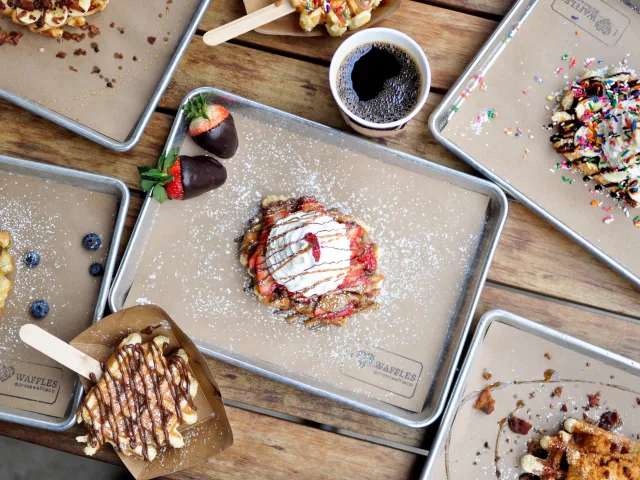
- Buena Papa (Season 15), a loaded-fries concept, got a deal with Robert Herjavec; Crispy Cones (Season 14), serving ice cream in chimney cake cones, and Press Waffle Co. (Season 10), a Liège waffle franchise, each got deals with Barbara Corcoran. One craveable, photogenic item is a recurring theme among food concepts that win investment.
Startup costs breakdown
These are typical estimates for a single truck in a mid-size US city; costs vary greatly by region.
| Item | Typical estimate |
|---|---|
| Used truck with kitchen build-out | $40,000-$100,000 |
| New custom-built truck | $100,000-$175,000+ |
| Wrap, signage and branding | $3,000-$8,000 |
| Permits, licenses and inspections | $1,000-$5,000 |
| Commissary kitchen fees | $400-$1,500 per month |
| Insurance (vehicle and liability) | $2,000-$6,000 per year |
| Point-of-sale system and initial supplies | $1,000-$3,000 |
| Opening food inventory | $1,000-$3,000 |
Step-by-step: how to start a food truck
- Develop a focused concept. Five to eight menu items around one theme. The best truck menus can be explained in a single sentence.
- Research your local rules. Cities differ on where trucks can park, how long they can stay, whether a commissary is required and how inspections work. Visit your city and county offices or websites before buying anything.
- Write a simple business plan. Estimate daily covers, average ticket, food cost and how many days you will operate each month.
- Buy or lease the right vehicle. Have a mechanic inspect used trucks and confirm the kitchen meets local health and fire codes.
- Secure a commissary. Many jurisdictions require trucks to prep, store food, dump water and park at a licensed kitchen.
- Get permitted and insured. Complete health and fire inspections, business licensing and vehicle insurance.
- Test your service flow. Run practice services to make sure you can serve a customer in a few minutes.
- Build your calendar. Mix regular weekly stops, breweries, festivals and private bookings.
- Market every day. Post your location, specials and photos consistently, and collect contacts for catering.
How to make money
Most trucks target food costs of roughly 25-35% of menu price, as typical estimates. A $14 entree might cost $3.50 to $5 in ingredients and packaging. Revenue depends on location: a busy lunch spot or festival can bring in several thousand dollars in a day, while a slow street corner may barely cover costs.
Private events and catering are often the most profitable work because you are paid a guaranteed minimum and can plan exact quantities. Many truck owners also sell bottled sauces, merchandise or meal kits, and successful concepts sometimes add a second truck or a small restaurant once demand is proven.
Truck, trailer or cart?
A full truck is not the only way into mobile food. Each format has trade-offs worth weighing before you spend:
- Food truck: self-contained and mobile, with the most cooking capacity. Highest upfront cost, plus engine maintenance and fuel.
- Food trailer: often less expensive and offers more kitchen space for the money, but requires a tow vehicle and is slower to set up and move.
- Cart or kiosk: the lowest-cost option for simple menus like coffee, hot dogs, shaved ice or desserts. Limited cooking capability, and permitting rules differ.
- Pop-up or ghost kitchen: test a menu at events or through delivery apps before committing to a vehicle at all.
Some founders test their concept at markets with a tent and a commissary-prepared menu for a season before buying a truck. Real sales data from a low-cost test makes the bigger investment much less of a gamble.
Choosing where to park
Location is the single biggest driver of truck revenue. Test spots for several weeks before judging them, and track sales by location and day. Breweries without kitchens, office parks, hospitals, apartment complexes and sports leagues often welcome trucks. Building relationships with event organizers and property managers can secure the steady, high-volume stops that make the calendar work.
Questions the Sharks would ask you
- What does one truck make in revenue and profit per year?
- What share of your revenue comes from catering and events?
- How long did it take to earn back the cost of the truck?
- Can someone else run the truck to your standard?
- Is the goal more trucks, restaurants, franchising or packaged products?
Red flags that sink pitches in this category
- One truck presented as a national brand. Investors want proof the model repeats.
- Unclear unit economics. Know your profit per truck and payback period.
- A sprawling menu. Long menus slow service and increase waste.
- Ignoring local regulations. Parking restrictions can make an otherwise good plan unworkable.
Frequently asked questions
How much does it cost to start a food truck?
Typical estimates run from about $50,000 for a used truck with basic equipment to $175,000 or more for a new, custom-built truck. On top of the truck, budget for permits, commissary fees, insurance, initial inventory, a point-of-sale system and wrap design. Trailers and carts can cost less.
Are food trucks profitable?
Many food trucks are profitable, but net margins are often modest, commonly cited in the 5-15% range, after food, labor, fuel, commissary, permits and maintenance. Catering and private events are often the most profitable work, because sales are guaranteed and waste is low.
What permits do I need for a food truck?
Requirements vary by city and county but often include a business license, a mobile food vendor permit, a health department permit and inspection, fire safety inspection, food handler or manager certification, vehicle registration and insurance. Many cities require trucks to operate from a licensed commissary kitchen. Check with your local authorities.
What food sells best from a food truck?
Foods that are quick to serve, easy to eat standing up and distinctive enough to draw a line tend to do well: tacos, sandwiches, rolls, bowls, fries and desserts. A focused menu of five to eight items is typical because it keeps prep fast and waste low.
Every pitch, deal and Shark mentioned here is checked against our database of 1,533 Shark Tank pitches. Cost ranges are typical estimates, not quotes. This is general education, not financial, legal or investment advice. Editorial policy · Suggest a correction
More business ideas
See all →
How to Start a Plant-Based Food Brand: Lessons From 10 Shark Tank Pitches
Plant-based food has moved from health-food stores to mainstream grocery aisles.


How to Start a Coffee Brand: Lessons From 11 Shark Tank Pitches
Coffee is a daily habit with fierce loyalty, which makes it a great subscription business and a…
How to Start a Spirits, RTD or Cocktail Mixer Brand: Lessons From 11 Shark Tank Pitches
Cocktail culture keeps growing, from craft spirits to canned cocktails to non-alcoholic…


How to Start a Candy and Chocolate Business: Lessons From 10 Shark Tank Pitches
Candy is an impulse buy, a gift and a nostalgic treat all at once. Here is how to build a candy or…

How to Start a Cookie and Baked Goods Business: Lessons From 11 Shark Tank Pitches
Baked goods are one of the most accessible food businesses to start, often right from a home…
How to Start a Hot Sauce Business: Lessons From 9 Shark Tank Pitches
Hot sauce is one of the easiest food brands to start and one of the hardest to stand out in.


How Valuation Works on Shark Tank (With Examples)
Every Shark Tank ask contains a valuation: divide the dollars by the equity percentage.


What "No Deal" Success Stories Teach Founders
Leaving the Tank without a deal is not the end of the story. In our database, no-deal businesses…


The Questions Sharks Always Ask (and How to Answer Them)
Almost every Shark Tank pitch is decided in the question-and-answer round, not the opening speech.