At a glance
- 💰 Startup cost
- $5K-$40K
- 📈 Difficulty
- Moderate
- ⏱️ Time to launch
- 3-6 months
- 📊 Typical margins
- Medium-High (35-55% gross at wholesale scale)
- 🎯 Best for
- Home cooks with a signature recipe who enjoy sampling, events and hands-on selling
Real Shark Tank pitches in this space
Swipe → Deal
Tia Lupita
Season 14 · Kevin O'Leary
 Deal
Pork Barrel BBQ Sauce
Season 1 · Barbara Corcoran
 No deal
Slawsa
Season 5
Deal
Sienna Sauce
Season 12 · Kendra Scott
 No deal
I Love Chamoy
Season 15
 Deal
Jada Spices
Season 12 · Barbara Corcoran
Deal
Slice of Sauce
Season 12 · Alex Rodriguez
 Deal
Fila Manila
Season 15 · Daniel Lubetzky
 No deal
Lulu Bang
Season 8
Why a hot sauce business works now
Hot sauce sits in a sweet spot for first-time food founders. The ingredients are inexpensive, the product is shelf stable when made correctly, and shoppers love to experiment with new flavors. Spicy food has moved from niche to mainstream, and sauces built around a specific cuisine, a heat level or a use case (wings, eggs, tacos) can find loyal fans quickly. The flip side is crowding: grocery shelves already hold dozens of sauces, so the brands that last are the ones with a sharp point of view rather than "another great hot sauce."
The same playbook applies to adjacent condiments such as barbecue sauce, wing sauce, salsa, chamoy and seasoning blends, which is why this guide uses examples from across the condiment aisle.
What Shark Tank pitches teach us
Our database includes a range of sauce and condiment brands, with mixed results in the Tank:
- Tia Lupita (Season 14) pitched Mexican-inspired hot sauces and cactus tortillas with better-for-you ingredients and closed a deal with Kevin O'Leary. The lesson: a sauce becomes more investable when it anchors a broader brand with more than one product.
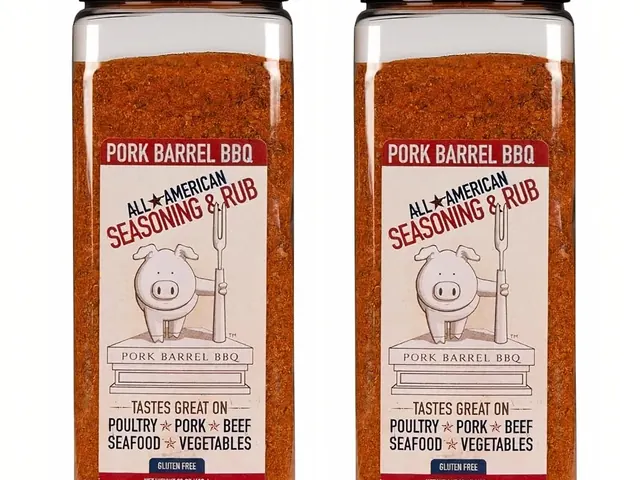
- Pork Barrel BBQ Sauce appeared in Season 1 and landed a deal with Barbara Corcoran for its barbecue sauce and dry rubs. Two friends with a backyard-griller story is a reminder that a relatable founder narrative helps a commodity category feel personal.
- Sienna Sauce brought a wing sauce to Season 12 and made a deal with guest Shark Kendra Scott. Owning a single, specific occasion (wing night) is easier to market than "all-purpose."
- Jada Spices (Season 12) sold a plant-based "chicken salt" seasoning and got a deal with Barbara Corcoran. Naming a flavor people already crave, in a format with a clear twist, makes the pitch instantly understandable.
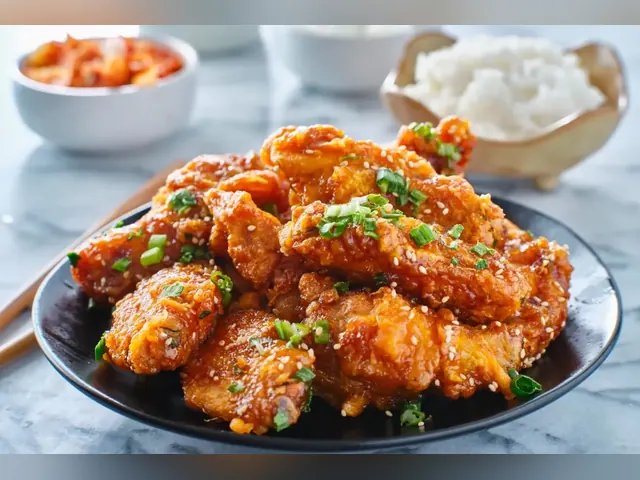
- Slice of Sauce turned condiments into dehydrated slices and struck a deal with guest Shark Alex Rodriguez in Season 12. Format innovation can open doors that a new flavor alone cannot.
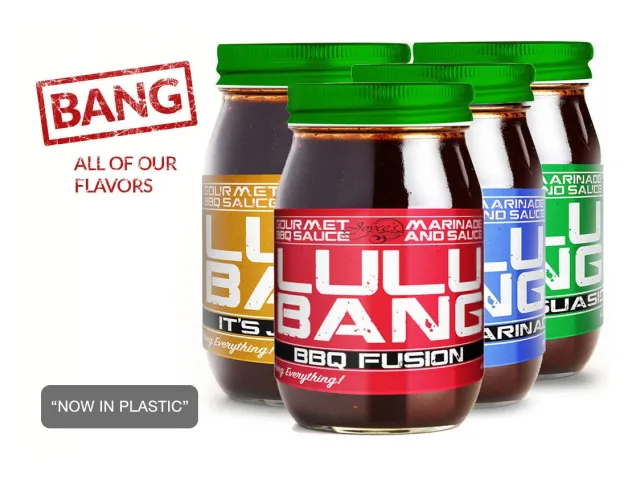
- Fila Manila (Season 15) makes Filipino sauces and meal starters and closed a deal with guest Shark Daniel Lubetzky, showing the appeal of a cuisine that is underrepresented on grocery shelves.
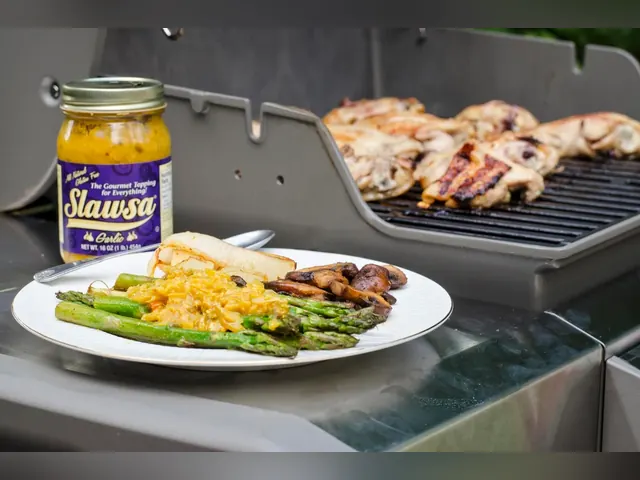
- Slawsa (Season 5) and I Love Chamoy (Season 15) both left without a deal, yet both are listed as still active. A "no" in the Tank is not the end of a sauce brand; steady local and online sales can carry a business for years.
- Lulu Bang pitched gourmet marmalades and savory sauces in Season 8 and did not get a deal, a reminder that a broad, gourmet-for-everyone line can be hard for investors to picture at scale.
Startup costs breakdown
The figures below are typical estimates for a small launch in the US. Treat them as a starting point for your own quotes.
| Item | Typical estimate |
|---|---|
| Recipe development and process authority review | $300-$2,000 |
| Commercial kitchen rental or co-packer test batch | $1,000-$5,000 |
| First production run (co-packer minimums) | $5,000-$20,000 |
| Bottles, caps, shrink bands and labels | $1,000-$5,000 |
| Branding, label design and nutrition panel | $500-$4,000 |
| UPC barcodes, website and e-commerce setup | $300-$2,500 |
| Product liability insurance and business registration | $500-$2,000 per year |
| Samples, events and launch marketing | $1,000-$5,000 |
Step-by-step: how to start a hot sauce business
- Define your angle. Pick one clear reason to buy: a cuisine, a pepper, a use case, a heat level or an ingredient story. Write it in one sentence before you design anything.
- Lock the recipe and measure pH. Hot sauce is usually an acidified food, so its acidity matters for safety. Test with a calibrated pH meter and have a process authority review your recipe and process.
- Check the rules where you live. Many cottage food laws do not cover acidified foods. In the US, commercial acidified food makers typically must register with the FDA and follow its acidified food regulations, and states add their own licensing. Confirm the requirements with your state or local food agency.
- Choose how you will produce. Small batches in a licensed shared kitchen keep minimums low. A co-packer brings consistency and capacity but often requires larger runs. Get at least three quotes.
- Build compliant packaging. Labels generally need a product name, net weight, ingredient list, allergen statement, nutrition facts (unless exempt) and the manufacturer's name and address.
- Test-sell locally. Farmers markets, food festivals and local shops let you see which flavors repeat and what price people accept.
- Launch online. A simple store plus variety packs and gift sets helps lift order size and offsets shipping costs.
- Approach retail with data. Bring sales per week, reorder rates and customer feedback to independent grocers and distributors.
How to make money
Most sauce brands sell through a mix of direct-to-consumer, Amazon, specialty retail and wholesale. Typical pricing, as an estimate: a 5 oz bottle might cost $1.00 to $2.50 to produce at co-packer scale, wholesale for $4 to $6, and retail for $7 to $12. Direct sales keep the most margin but carry shipping and packaging costs, while retail brings volume but adds distributor fees (often 15-30% of wholesale), promotions and sometimes slotting fees.
Extra revenue streams include gift boxes, subscription clubs, private-label sauces for restaurants, food-service jugs and collaborations with breweries or barbecue joints. Bundles of three sauces usually sell better online than single bottles.
Ways to stand out on a crowded shelf
Because the product itself is simple, differentiation usually comes from three places. First, a specific flavor identity: a regional chili, a family recipe from a named cuisine, or a sauce built for one food. Second, packaging that reads from six feet away: a distinctive bottle shape, a bold color system for heat levels and a name people remember. Third, a community: tasting events, collaborations with local restaurants and recipes that show customers how to use the sauce beyond the obvious. Brands that win all three often earn reorders without heavy discounting.
Questions the Sharks would ask you
- What makes your sauce different from the dozens already on the shelf?
- What are your sales to date, and how many customers reorder?
- What does one bottle cost you landed, and what do you sell it for at wholesale?
- Who makes it, and can they scale if a national chain says yes?
- How much are you spending to acquire a customer online?
- Is this a single product or a brand that can expand?
Red flags that sink pitches in this category
- "Everyone loves it" with no sales data. Friends and family feedback is not traction.
- A valuation built on a dream. Condiments are a low-price category, so investors expect valuations tied to real revenue.
- Thin margins hidden by small batches. If you cannot show how cost per bottle falls with scale, the math stops working at retail.
- No point of difference. Generic heat with generic branding is the most common reason sauce brands stall.
- Food safety shortcuts. Skipping process review or pH testing is a risk no serious investor will take on.
Frequently asked questions
How much does it cost to start a hot sauce business?
A small test run made under cottage food rules or in a rented commercial kitchen can start around $5,000 to $10,000 for ingredients, bottles, labels, testing and a basic website. Launching with a co-packer usually pushes the total to roughly $20,000 to $40,000 once minimum order quantities, UPC codes, liability insurance and initial marketing are included. These are typical estimates; your recipe, bottle choice and region change them.
Is a hot sauce business profitable?
It can be. Ingredient costs are low, so many brands land a cost of goods of roughly $1 to $2.50 per bottle at co-packer volume, against wholesale prices of around $4 to $6 and retail prices of $7 to $12. Profit depends on volume and on how much you spend on slotting, demos and promotions to win shelf space, which is where many small brands lose money.
Do I need a license to sell hot sauce?
Usually yes. Many cottage food laws exclude acidified foods such as hot sauce, so sellers often need a licensed commercial kitchen or co-packer, a recipe reviewed by a process authority, and in the US, compliance with FDA rules for acidified foods. Requirements vary by state and country, so check with your local food safety agency before selling.
How do I get my hot sauce into stores?
Most brands start with farmers markets, local specialty shops and online sales to prove demand, then approach regional grocers or distributors with sales data in hand. Buyers want to see velocity, a clear point of difference, professional labeling and the ability to supply consistently.
Every pitch, deal and Shark mentioned here is checked against our database of 1,533 Shark Tank pitches. Cost ranges are typical estimates, not quotes. This is general education, not financial, legal or investment advice. Editorial policy · Suggest a correction
More business ideas
See all →
How to Start a Snack Brand: Lessons From 10 Shark Tank Pitches
Snacks are one of the most crowded aisles in the grocery store and one of the most frequently…


How to Start an Ice Cream or Frozen Dessert Brand: Lessons From 10 Shark Tank Pitches
Frozen desserts are a joyful business with a hard logistics problem: everything has to stay frozen.

How to Start a Cookie and Baked Goods Business: Lessons From 11 Shark Tank Pitches
Baked goods are one of the most accessible food businesses to start, often right from a home…



How to Start a Food Truck Business: Lessons From 8 Shark Tank Pitches
A food truck is one of the most direct ways to test a restaurant concept with real customers.
How to Start a Plant-Based Food Brand: Lessons From 10 Shark Tank Pitches
Plant-based food has moved from health-food stores to mainstream grocery aisles.
How to Start a Prepared Meals or Meal Kit Business: Lessons From 11 Shark Tank Pitches
Busy households will pay for dinner they do not have to plan or cook. Here is how prepared meal…


Know Your Numbers: The Metrics Sharks Grill Founders On
Sharks judge a business by a handful of numbers: sales, margins, landed cost, customer acquisition…

Shark Tank Royalty Deals Explained
A royalty deal pays the investor a fixed amount or percentage on every unit sold, often until they…


Common Shark Tank Pitch Mistakes That Kill Deals
About four in ten Shark Tank pitches in our database ended without a deal on air.