At a glance
- 💰 Startup cost
- $25K-$150K
- 📈 Difficulty
- Hard
- ⏱️ Time to launch
- 6-12 months
- 📊 Typical margins
- Medium (30-45% gross)
- 🎯 Best for
- Founders with food science or culinary skill who can make plant-based products that taste great on their own
Real Shark Tank pitches in this space
Swipe → Deal
Rebel Cheese
Season 15 · Mark Cuban
 Deal
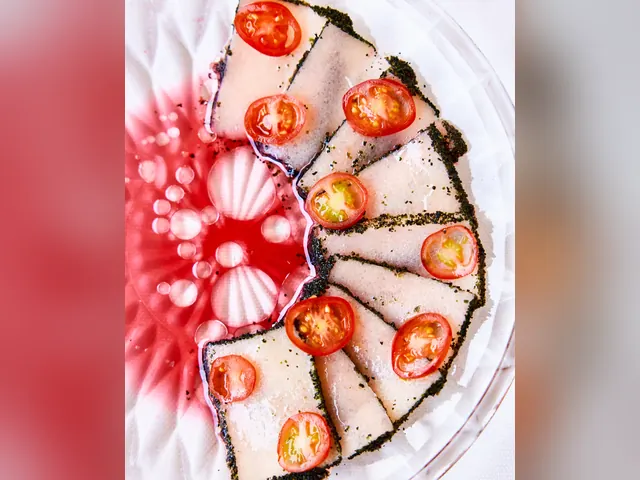
Fysh Foods
Season 16 · Daniel Lubetzky
 Deal
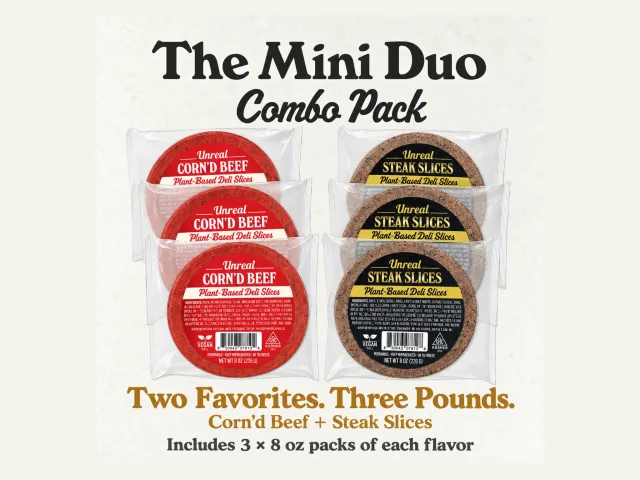
Mrs. Goldfarb's Unreal Deli
Season 11 · Mark Cuban
Deal
Everything Legendary
Season 12 · Mark Cuban
Deal
UMARO
Season 13 · Mark Cuban
 Deal
Meat the Mushroom
Season 15 · Lori Greiner
 No deal
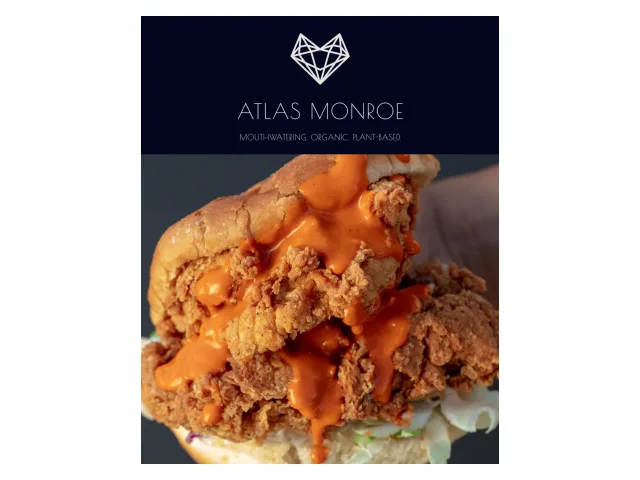
Atlas Monroe
Season 11
No deal
Project Pollo
Season 13
Deal
Bee Free Honee
Season 7 · Barbara Corcoran
Why a plant-based food brand works now
Plant-based eating has gone mainstream. Many shoppers who are not fully vegan still buy plant-based cheese, meat alternatives, dairy-free desserts and vegan comfort foods several times a week. Restaurants, schools and food service operators also want plant-based options on their menus.
The category has also become more demanding. Early excitement drew many brands, and shoppers now compare products critically on taste, texture, ingredients and price. The opportunity today is in doing one thing exceptionally well.
What Shark Tank pitches teach us
Our database includes a range of plant-based brands across cheese, meat, seafood and pantry staples:
- Heidi Ho (Season 6) makes dairy-free cheese from nuts and seeds and got a deal with Lori Greiner. Rebel Cheese (Season 15) sells gourmet vegan cheeses and runs a plant-based cheese shop, and closed a deal with Mark Cuban and Lori Greiner. Both are listed as active, and cheese remains one of the most promising plant-based niches because shoppers are actively looking for better options.
- Fysh Foods (Season 16) makes plant-based seafood alternatives and got a deal with guest Shark Daniel Lubetzky. Seafood is less crowded than burgers, which can make a pitch stand out.
- Mrs. Goldfarb's Unreal Deli (Season 11) makes plant-based deli meats, Everything Legendary (Season 12) makes plant-based burgers and UMARO (Season 13) makes a seaweed-based bacon alternative; all three got deals with Mark Cuban.
- Meat the Mushroom (Season 15) uses mushrooms to make a bacon alternative and closed a deal with Lori Greiner and Kevin O'Leary.
- Bee Free Honee (Season 7), a vegan honey alternative made from apples, got a deal with Barbara Corcoran, Mark Cuban and guest Shark Chris Sacca, proving that pantry staples can be reinvented too.
- Atlas Monroe (Season 11), which makes vegan fried chicken, and Project Pollo (Season 13), a plant-based chicken restaurant chain, did not get deals. Strong products can still face tough questions about margins, capacity and competition.
Startup costs breakdown
These typical estimates assume a refrigerated or frozen product produced in a shared or co-manufacturing facility.
| Item | Typical estimate |
|---|---|
| Product development and food science support | $5,000-$30,000 |
| Shelf-life and lab testing | $2,000-$8,000 |
| Kitchen rental or co-manufacturer first run | $10,000-$60,000 |
| Packaging design and minimum orders | $3,000-$15,000 |
| Cold storage and refrigerated distribution | $2,000-$10,000 |
| Certifications (vegan, organic, allergen-free) | $500-$5,000 |
| Insurance, licenses and legal review | $1,500-$5,000 |
| Sampling and launch marketing | $5,000-$20,000 |
Step-by-step: how to start a plant-based food brand
- Pick one product category. Cheese, deli slices, seafood, bacon, desserts or pantry items each have different technical and retail challenges.
- Win the blind taste test. Test your product against category leaders with people who are not vegan. Taste is the main reason shoppers repurchase.
- Keep ingredient lists understandable. Many shoppers now read labels closely and prefer shorter, recognizable ingredient lists.
- Understand labeling rules. General food labeling and allergen rules apply, and some places restrict dairy or meat terms on plant-based products. Nuts, soy and wheat are common allergens in this category. Have a regulatory expert review labels.
- Choose production. Cultured products like nut cheeses may require specialized equipment and processes; many founders start in a licensed shared kitchen before moving to a co-manufacturer.
- Solve cold chain. Refrigerated and frozen products need appropriate storage, transport and retailer space.
- Launch in natural and independent stores. These retailers are often more open to new plant-based brands.
- Sell to food service. Restaurants and cafes can provide volume and visibility.
How to make money
Plant-based products often command premium prices, but ingredient costs (nuts, specialty proteins, cultures) can be high. As typical estimates, a small wheel of vegan cheese may cost $2.50 to $5 to produce and retail for $8 to $14, while a package of plant-based deli slices might cost $1.50 to $3 and retail for $5 to $8. Distributors and retailers will take their share, so target gross margins of 35-45% at wholesale.
Channels include direct online sales (often with cold shipping), natural grocers, specialty cheese shops, restaurants and food service, and eventually mainstream grocery. Some brands also run a retail shop or cafe to showcase products, as Rebel Cheese does.
Finding your product's technical edge
The hardest part of plant-based food is usually not the recipe on a small scale; it is making a product that tastes, melts, slices, browns or flakes the way people expect, every time, at commercial volume. Founders who succeed often bring a specific technical insight, such as a culturing method for cheese, a mushroom or seaweed base for bacon, or a texture technique for seafood.
If you do not have food science experience, budget for help. University food science programs, food incubators and independent product developers can help you improve texture, extend shelf life and choose ingredients that work on commercial equipment. Document everything you learn; a stable, repeatable process is part of what makes a brand valuable to investors and acquirers. Also think about your supply chain early. Specialty ingredients like cashews, pea protein or particular mushrooms can swing in price, so identify backup suppliers before you depend on a single source.
Positioning for flexitarian shoppers
Most plant-based buyers are not strict vegans. They are flexitarians who mix plant-based and conventional foods, so marketing that leads with flavor, cooking ideas and convenience usually reaches more people than marketing built only on ethics or health. Show the product in familiar meals, such as a sandwich, a cheese board or a breakfast plate, so shoppers can picture using it. Price matters too: a large premium over the conventional version limits repeat purchase for many households.
Questions the Sharks would ask you
- Does it taste as good as the product it replaces, and how do you know?
- What are your sales, repeat rates and margins?
- How will you compete with large companies in plant-based food?
- Can your production scale without losing quality?
- Why is your price justified to non-vegan shoppers?
Red flags that sink pitches in this category
- Relying on mission over taste. Shoppers rarely repurchase products they do not enjoy.
- Prices far above conventional products. A large premium limits the market.
- Underestimating cold-chain costs. Refrigerated distribution is expensive.
- Entering crowded categories without a clear edge. Burgers and nuggets are particularly competitive.
Frequently asked questions
How much does it cost to start a plant-based food brand?
Typical estimates range from about $25,000 for a small local launch, such as vegan cheese sold at markets and shops, to $150,000 or more for a co-manufactured, refrigerated or frozen product sold in grocery stores. Product development, specialized equipment or co-packer minimums and cold-chain distribution are the biggest costs.
Is plant-based food still a good business?
Interest remains strong, but the category has matured. Shoppers are more selective and expect plant-based products to taste as good as the foods they replace, at reasonable prices. Brands that succeed tend to focus on a specific product done exceptionally well rather than broad health or environmental claims.
What regulations apply to plant-based foods?
Plant-based foods follow general food safety and labeling rules, including ingredient lists, allergen declarations and nutrition facts. Some regions have rules about using terms like milk, cheese or meat for plant-based products. Check national and local requirements and get labels reviewed before printing.
Where should a new plant-based brand sell first?
Many start with farmers markets, natural food stores, vegan restaurants and online sales to build a following and gather feedback. Regional natural grocers are often the next step before approaching larger chains.
Every pitch, deal and Shark mentioned here is checked against our database of 1,533 Shark Tank pitches. Cost ranges are typical estimates, not quotes. This is general education, not financial, legal or investment advice. Editorial policy · Suggest a correction
More business ideas
See all →
How to Start a Hot Sauce Business: Lessons From 9 Shark Tank Pitches
Hot sauce is one of the easiest food brands to start and one of the hardest to stand out in.
How to Start a Snack Brand: Lessons From 10 Shark Tank Pitches
Snacks are one of the most crowded aisles in the grocery store and one of the most frequently…
How to Start a Prepared Meals or Meal Kit Business: Lessons From 11 Shark Tank Pitches
Busy households will pay for dinner they do not have to plan or cook. Here is how prepared meal…
How to Start a Cookie and Baked Goods Business: Lessons From 11 Shark Tank Pitches
Baked goods are one of the most accessible food businesses to start, often right from a home…

How to Start a Candy and Chocolate Business: Lessons From 10 Shark Tank Pitches
Candy is an impulse buy, a gift and a nostalgic treat all at once. Here is how to build a candy or…
How to Start a Jerky and Meat Snack Business: Lessons From 8 Shark Tank Pitches
Jerky and meat snacks ride the protein trend, but they are among the most regulated foods you can…
What "No Deal" Success Stories Teach Founders
Leaving the Tank without a deal is not the end of the story. In our database, no-deal businesses…
Shark Tank Deal Terms Glossary
A plain-English glossary of the deal terms you hear on Shark Tank, from equity and valuation to…

Negotiation Lessons From the Tank
Shark Tank compresses a negotiation that normally takes weeks into minutes.