At a glance
- 💰 Startup cost
- $50K-$250K
- 📈 Difficulty
- Hard
- ⏱️ Time to launch
- 6-12 months
- 📊 Typical margins
- Low-Medium (25-45% gross)
- 🎯 Best for
- Founders with beverage industry experience or access to capital and a clear functional or flavor angle
Real Shark Tank pitches in this space
Swipe →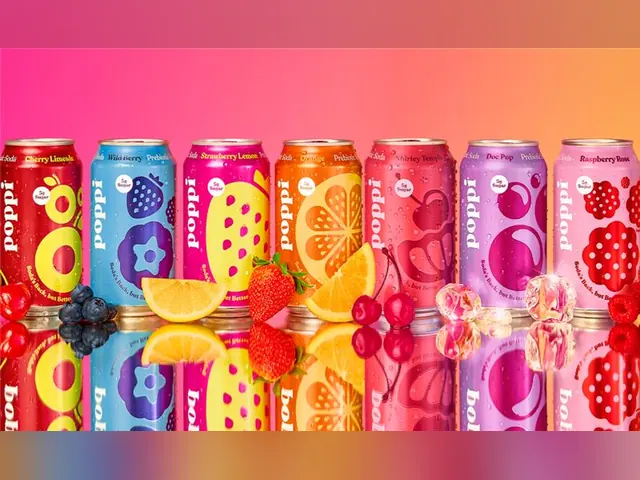 Deal
Poppi (formerly Mother)
Season 10 · Rohan Oza
 Deal
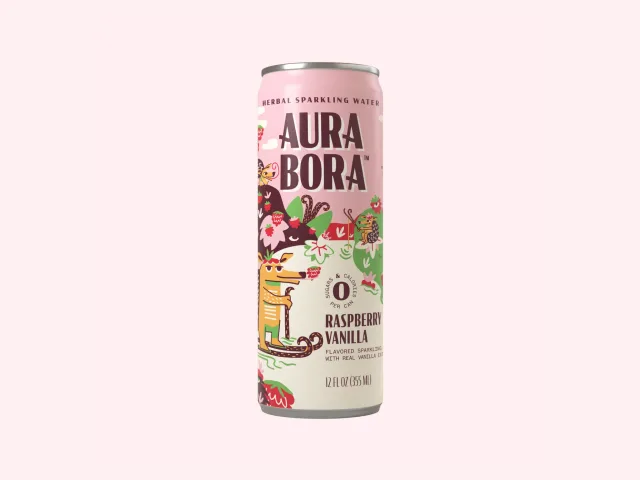
Aura Bora
Season 12 · Robert Herjavec
Deal
Pricklee
Season 13 · Barbara Corcoran
 Deal
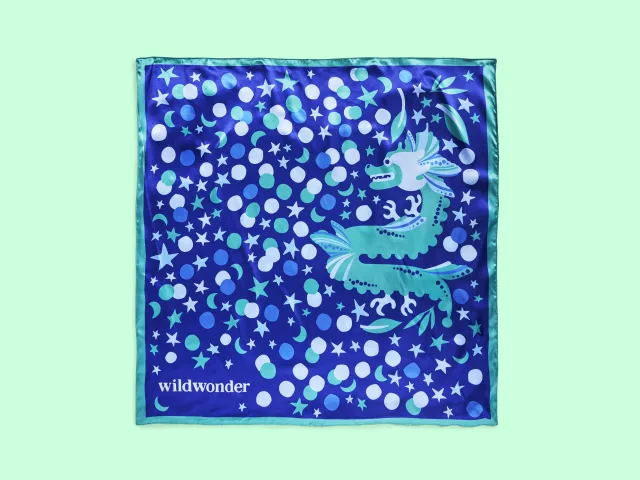
Wild Wonder
Season 14 · Tony Xu
 Deal
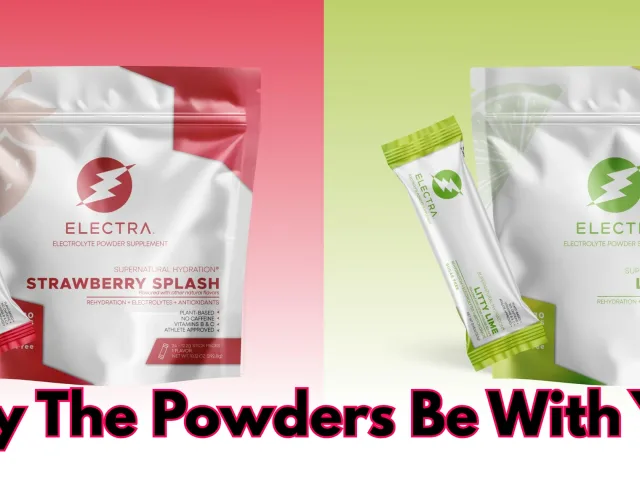
Electra
Season 12 · Barbara Corcoran
 No deal
Moment
Season 12
 No deal
Hot Girl Soda
Season 17
 Deal
Chill Soda
Season 1 · Barbara Corcoran
 Deal
Frescos
Season 14 · Daniel Lubetzky
No deal
Victoria's Kitchen
Season 6
Deal
Genius Juice
Season 11 · Barbara Corcoran
Why a functional beverage brand works now
Shoppers are rethinking what they drink. Sugary sodas are losing ground to sparkling waters, prebiotic sodas, electrolyte drinks, adaptogen beverages and low-sugar alternatives. Retailers are giving these categories more cooler and shelf space, and young brands can build loyal followings through social media.
Beverages are also one of the toughest consumer categories. Production minimums are high, cans and bottles are heavy to ship, and retailers expect constant promotion. A beverage brand is often a capital-intensive marathon rather than a sprint.
What Shark Tank pitches teach us
Functional and better-for-you drinks appear frequently in our database:
- Poppi (formerly Mother) (Season 10), pitched under the name Mother, makes a sparkling soda with apple cider vinegar and fruit juice. It got a deal with guest Shark Rohan Oza and is listed as acquired. A bold rebrand and a clear "better soda" position helped make the category feel approachable.
- Aura Bora (Season 12) sells unsweetened sparkling water flavored with herbs, fruits and flowers and got a deal with Robert Herjavec. Unusual flavor pairings created differentiation in a crowded aisle.
- Pricklee (Season 13) uses prickly pear cactus water and got a deal with Barbara Corcoran, while Frescos (Season 14) turned Latin American agua fresca flavors into sparkling drinks and closed a deal with guest Shark Daniel Lubetzky.
- Wild Wonder (Season 14) combines probiotics and prebiotics in a fruit-forward sparkling drink and made a deal with guest Shark Tony Xu.
- Electra (Season 12), a sports hydration drink, and Chill Soda (Season 1), a relaxation beverage, both got deals with Barbara Corcoran. Genius Juice (Season 11), a whole-coconut smoothie, got a deal with Barbara Corcoran and Mark Cuban.
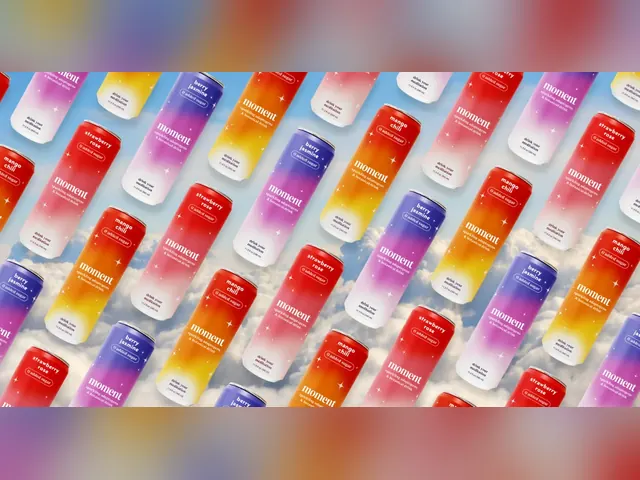
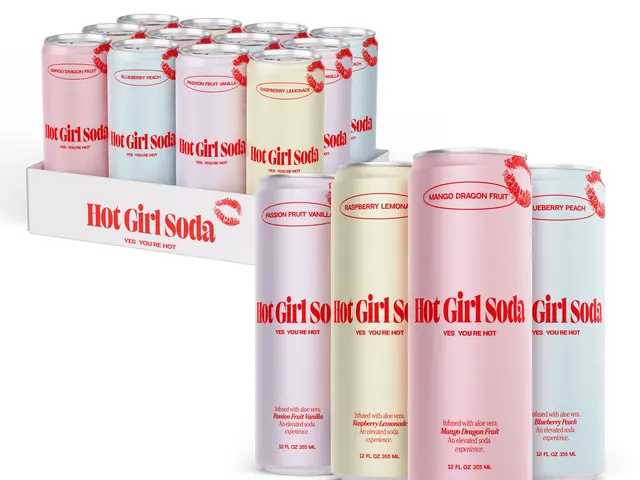
- Moment (Season 12), Hot Girl Soda (Season 17) and Victoria's Kitchen (Season 6) left without deals and are listed as active. Investors may pass on beverages because of capital needs and competition, but a no does not stop a brand from continuing to sell.
Choosing your functional angle
"Functional" covers a wide range of products, and each comes with different costs, rules and competitors:
- Gut health (prebiotic and probiotic sodas, vinegar drinks, kombucha): popular and growing, but crowded, and live cultures add stability and labeling complexity.
- Hydration (electrolyte drinks and powders): clear use case and loyal athletic audience, with heavy competition from large sports drink brands.
- Calm and focus (adaptogens, botanicals, nootropics): strong interest, but ingredient regulations and claims require particular care.
- Clean refreshment (unsweetened sparkling water, low-sugar sodas, fruit waters): simpler formulas and broad appeal, but differentiation depends on flavor and branding.
A useful test is to ask whether your drink would still sell if you removed the health claims entirely. If the answer is yes because it tastes great and looks distinctive, the functional benefit becomes a bonus that justifies a premium price. If the answer is no, you may be relying on a claim that competitors can copy or regulators may question.
Startup costs breakdown
These typical estimates assume a canned or bottled drink produced by a co-packer.
| Item | Typical estimate |
|---|---|
| Formulation and flavor development | $5,000-$25,000 |
| Shelf-life, lab and nutrition testing | $2,000-$8,000 |
| Co-packer first production run | $20,000-$100,000 |
| Cans or bottles, printed labels or sleeves (minimums) | $10,000-$50,000 |
| Warehousing and freight | $3,000-$15,000 |
| Branding, design and website | $3,000-$15,000 |
| Insurance, legal and regulatory review | $2,000-$8,000 |
| Sampling, demos and launch marketing | $10,000-$40,000 |
Step-by-step: how to start a functional beverage brand
- Define the function and the flavor. Know exactly what your drink does (hydration, gut health, calm, energy) and make sure it tastes great without the health story.
- Work with a beverage formulator. Scaling a kitchen recipe into a shelf-stable drink requires expertise in acidity, preservation, carbonation and ingredient stability.
- Review regulations and claims. Determine whether your product is regulated as a conventional food or a dietary supplement, what claims you can make and how labels must read. In the US this involves FDA rules; other countries have their own. Get professional advice before printing labels.
- Pick packaging and a co-packer. Can sizes, materials and co-packer minimums shape your costs. Ask about run sizes, lead times and storage.
- Launch in a focused region. Concentrating on one city or region lets you support stores with demos and marketing.
- Build direct and online sales. Variety packs and subscriptions build a base of loyal drinkers and data.
- Secure distribution gradually. Start with self-distribution or a small distributor, then approach larger distributors with proof of velocity.
- Raise enough capital. Plan for inventory, trade spend and the long payment terms common in retail.
How to make money
A 12 oz can might cost $0.60 to $1.30 to produce at small volume, wholesale for $1.50 to $2.25 and retail for $2.49 to $3.99, as typical estimates. Distributors commonly take 20-30%, and retailers want their own margin plus promotional support. Gross margins in the 25-45% range are common, with the higher end usually reached only at scale.
Direct-to-consumer bundles offer better margins but heavy shipping costs. Food service, gyms, offices, hospitality and specialty retail can provide steady accounts while you build grocery distribution.
The cash cycle problem
Beverage founders often run out of cash even when sales are growing. You pay for cans, ingredients and production up front, store inventory for weeks, ship to a distributor and then wait 30 to 60 days or more to be paid, while also funding promotions. Model this cycle carefully before you launch, and consider starting with smaller runs, a single region and conservative growth targets until you understand your real cash needs.
Questions the Sharks would ask you
- What is your velocity per store per week?
- What does a can cost you landed, and what will it cost at scale?
- Who distributes you, and what are their terms?
- How are you different from the established brands in your cooler?
- How much more money do you need, and what will it achieve?
Red flags that sink pitches in this category
- Underfunding. Beverage brands commonly need far more capital than founders expect.
- Health claims without support. Overstated claims create legal and credibility problems.
- Rapid store expansion without velocity. Getting into many stores is easy compared with selling through.
- Taste that depends on the story. People repurchase what they enjoy drinking.
Frequently asked questions
How much does it cost to start a beverage company?
Typical estimates for a functional beverage launch range from about $50,000 to $250,000. Formulation, co-packer minimum runs, cans or bottles, warehousing, samples and marketing all add up quickly. Founders often underestimate the money needed after launch for promotions and distribution.
Are beverage companies profitable?
Many beverage brands lose money for years before reaching scale because of production minimums, freight and the cost of winning shelf space. Brands that reach strong velocity can become valuable, but profitability depends on managing trade spend and distribution costs.
Can I make health claims on my drink?
Health and functional claims are regulated. In the US, structure-function claims, nutrient content claims and any disease-related claims follow FDA rules, and ingredients like adaptogens or added vitamins have their own requirements. Consult a regulatory expert and keep claims accurate and supportable.
How do I find a beverage co-packer?
Beverage consultants, industry directories, trade shows and other founders are common sources. Compare minimum runs, packaging formats (cans, glass, PET), certifications, lead times and whether they offer formulation help.
Every pitch, deal and Shark mentioned here is checked against our database of 1,533 Shark Tank pitches. Cost ranges are typical estimates, not quotes. This is general education, not financial, legal or investment advice. Editorial policy · Suggest a correction
More business ideas
See all →
How to Start a Snack Brand: Lessons From 10 Shark Tank Pitches
Snacks are one of the most crowded aisles in the grocery store and one of the most frequently…

How to Start a Food Truck Business: Lessons From 8 Shark Tank Pitches
A food truck is one of the most direct ways to test a restaurant concept with real customers.
How to Start a Spirits, RTD or Cocktail Mixer Brand: Lessons From 11 Shark Tank Pitches
Cocktail culture keeps growing, from craft spirits to canned cocktails to non-alcoholic…
How to Start a Hot Sauce Business: Lessons From 9 Shark Tank Pitches
Hot sauce is one of the easiest food brands to start and one of the hardest to stand out in.
How to Start an Ice Cream or Frozen Dessert Brand: Lessons From 10 Shark Tank Pitches
Frozen desserts are a joyful business with a hard logistics problem: everything has to stay frozen.
How to Start a Plant-Based Food Brand: Lessons From 10 Shark Tank Pitches
Plant-based food has moved from health-food stores to mainstream grocery aisles.

How to Get on Shark Tank: The Application and Casting Process
Shark Tank casts entrepreneurs through an online application on ABC's site and in-person open…

Shark Tank Deal Terms Glossary
A plain-English glossary of the deal terms you hear on Shark Tank, from equity and valuation to…
Shark Tank Episode Guide: Is It Still On, When It Airs & Where to Watch (2026)
Shark Tank is in its 18th season on ABC, taping in Atlanta with Kendra Scott and Rashaun Williams…