At a glance
- 💰 Startup cost
- $10K-$75K
- 📈 Difficulty
- Moderate
- ⏱️ Time to launch
- 6-12 months
- 📊 Typical margins
- High (50-70% gross DTC; 35-50% wholesale)
- 🎯 Best for
- Home cooks and tinkerers with a simple fix for a common kitchen frustration
Real Shark Tank pitches in this space
Swipe →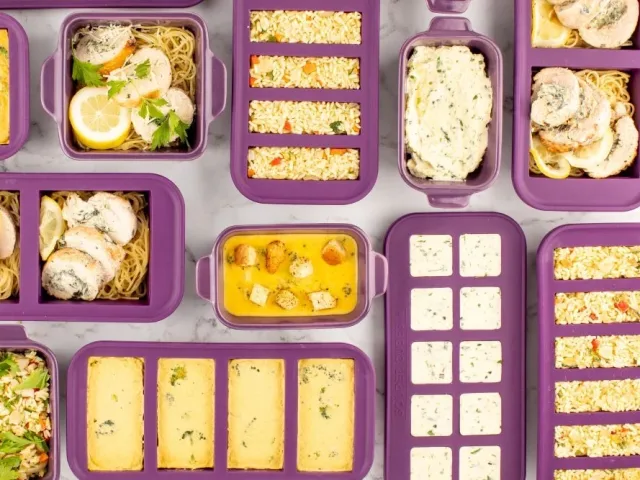 Deal
Souper Cubes
Season 12 · Lori Greiner
 Deal
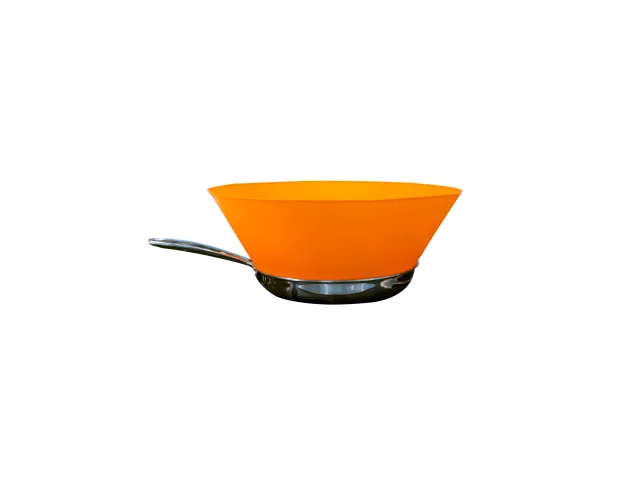
Frywall
Season 9 · Lori Greiner
Deal
Cup Board Pro
Season 10 · Mark Cuban
Deal
Rapid Ramen Cooker
Season 5 · Mark Cuban
 Deal
The Mighty Carver
Season 12 · Daymond John
 No deal
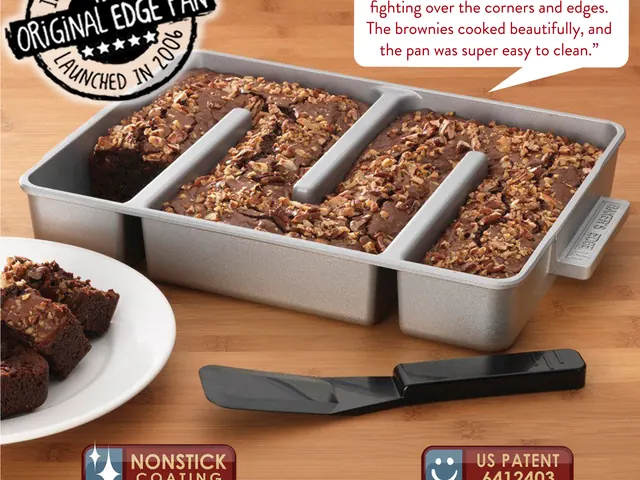
Baker's Edge
Season 5
 No deal
The Spatty and The Spaddy Dadd
Season 4
 Deal
Turbo Trusser
Season 14 · Kevin O'Leary
No deal
Peanut Butter Pump
Season 11
 No deal
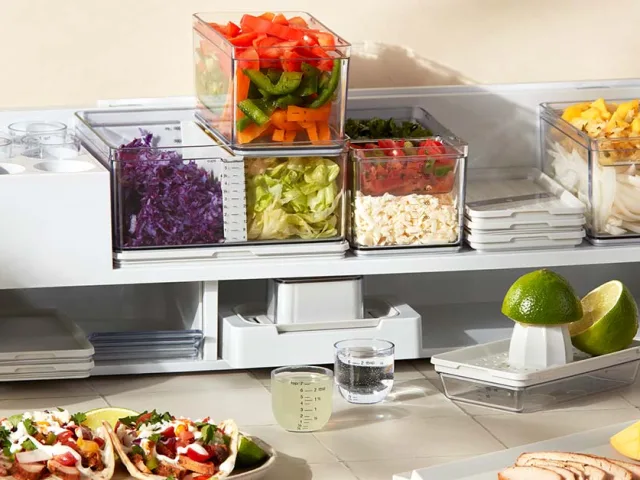
Prepdeck
Season 13
Deal
Biem
Season 8 · Lori Greiner
Why a kitchen gadget works now
People are cooking at home more, watching cooking videos and sharing kitchen hacks online. That creates an audience for clever tools that save time, reduce mess or make cooking more fun. A kitchen gadget can be inexpensive to make, simple to explain and easy to demonstrate in a short video, which makes it one of the best categories for first-time inventors.
It is also a copycat-heavy category. Once a gadget sells well, knockoffs often appear online quickly, so speed, branding and intellectual property matter.
What Shark Tank pitches teach us
Our database is full of kitchen inventions. A few standouts:
- Souper Cubes (Season 12) makes silicone freezer trays that portion soups and sauces into blocks and got a deal with Lori Greiner. A simple tool tied to a popular habit (meal prep) can be a big seller.
- Frywall (Season 9), a silicone splatter guard that sits inside the pan, got a deal with Lori Greiner and Kevin O'Leary. It solved a familiar annoyance with a visual demo.
- Cup Board Pro (Season 10), a cutting board with features to collect and move chopped food, got a deal with five Sharks: Mark Cuban, Lori Greiner, Daymond John, Kevin O'Leary and guest Shark Matt Higgins.
- Rapid Ramen Cooker (Season 5) cooks instant ramen in the microwave and got a deal with Mark Cuban; it is listed as active. A low-price, single-purpose product aimed at students can sell in high volume.
- The Mighty Carver (Season 12), an electric carving knife shaped like a mini chainsaw, got a deal with Daymond John, and Turbo Trusser (Season 14), a reusable poultry trussing tool, got a deal with Kevin O'Leary. Both are listed as active and show the appeal of fun or holiday-focused tools.
- Biem (Season 8), which turns butter into a spray, got a deal with Lori Greiner.
- Baker's Edge (Season 5), a maze-shaped pan for chewy-edge brownies, and The Spatty and The Spaddy Dadd (Season 4), slim spatulas for scraping jars, did not get deals but are listed as active. Peanut Butter Pump (Season 11) and Prepdeck (Season 13) also left without deals. Investors may pass on narrow or easily copied gadgets even when customers like them.
Startup costs breakdown
Typical estimates for a non-electric plastic, silicone or metal kitchen tool.
| Item | Typical estimate |
|---|---|
| Industrial design and CAD files | $1,000-$8,000 |
| Prototypes (3D printing, soft tooling) | $500-$5,000 |
| Injection molds or production tooling | $3,000-$30,000 |
| Food-contact and material testing | $500-$3,000 |
| First production run | $5,000-$20,000 |
| Packaging design and printing | $1,500-$6,000 |
| Provisional or utility patent, trademark | $1,000-$15,000 |
| Product video, photography and launch ads | $2,000-$10,000 |
Step-by-step: how to bring a kitchen gadget to market
- Validate the frustration. Watch people cook and ask what annoys them. The best gadgets solve a problem people already complain about.
- Search for existing products. Check online marketplaces and patent databases to see what already exists.
- Build rough prototypes. Use 3D printing or modified existing products to test the concept with home cooks.
- Protect your idea. Consider a provisional patent application and trademark your brand name. Speak with a patent attorney about your options.
- Design for manufacturing. An industrial designer can simplify parts, reduce tooling costs and choose food-safe materials.
- Confirm safety requirements. Food-contact materials must meet applicable regulations, and electrical products usually require certification. Retailers may require test reports.
- Manufacture a first run. Get several quotes, order pre-production samples and inspect quality before shipping.
- Launch with video. Short demos on social media, product pages and crowdfunding can validate demand.
- Pursue retail and TV. With sales data, approach retail buyers and consider TV shopping for demo-friendly products.
How to make money
As typical estimates, a silicone or plastic kitchen tool may cost $0.75 to $4 to make at volume, wholesale for $4 to $10 and retail for $9 to $25. Retailers typically double the wholesale price, so landed cost should be roughly 20-30% of retail to leave room for everyone.
Many inventors combine direct sales and Amazon (higher margin, higher marketing cost) with retail and TV shopping (high volume, lower margin). Licensing your design to an established housewares company is another route: you receive a royalty, often a few percent of wholesale sales, without manufacturing yourself.
Common mistakes first-time gadget inventors make
Many kitchen inventions stall for predictable reasons. One is spending heavily on a patent and tooling before confirming that people will pay for the product; a few dozen pre-orders or a small crowdfunding campaign can answer that question far more cheaply. Another is designing a product that is hard to clean, a frequent complaint in reviews for kitchen tools. If a gadget cannot go in the dishwasher or traps food in hard-to-reach crevices, customers often stop using it.
Packaging is another overlooked detail. Retail buyers want packaging that shows the product clearly, fits standard shelves or pegs and explains the benefit in a few words. Finally, many inventors underestimate the marketing budget. Even a brilliant gadget needs ongoing video content, advertising and promotions to keep selling after the initial launch excitement fades.
Licensing versus building a brand
Not every inventor wants to run a company. Licensing lets a larger company handle manufacturing, distribution and marketing while you earn royalties. It works best when your idea is protected, proven and fits an existing product line. Building your own brand keeps more control and upside but requires capital, inventory and marketing skills. Some inventors start by selling directly to prove demand, then use that data to negotiate a better licensing deal.
Questions the Sharks would ask you
- What does it cost to make, and what does it sell for?
- Do you have a patent, and what stops a knockoff?
- How many have you sold, and through which channels?
- Is this one product or the beginning of a line?
- Would it work on TV shopping, and can you demonstrate it in seconds?
Red flags that sink pitches in this category
- A product that solves a rare problem. Investors want items most kitchens would use.
- High manufacturing costs. Gadgets need to retail at impulse prices.
- No protection and no brand. Copycats can quickly undercut you.
- A single-use item with no follow-up products. One gadget rarely builds a lasting business.
The bottom line
The kitchen gadgets that succeed are simple, affordable and easy to demonstrate, and they solve a frustration most home cooks share. Validate demand cheaply, design for low-cost manufacturing and easy cleaning, protect what you can, and decide early whether you want to build a brand or license your idea.
Frequently asked questions
How much does it cost to bring a kitchen gadget to market?
Typical estimates range from about $10,000 for a simple silicone or plastic tool to $75,000 or more for products with complex molds or electronics. Prototyping, injection molds, food-safety testing, a first production run, packaging and patent filings are the main costs.
Do kitchen gadgets need safety testing?
Items that touch food generally must be made from food-safe materials, and many retailers require testing to show compliance with food-contact regulations. Electrical appliances usually need safety certifications. Requirements vary by country, so confirm them with your manufacturer and a testing lab.
Should I patent my kitchen gadget?
If your design is novel, a patent can help deter copycats and may increase investor interest. Many inventors start with a provisional patent application for a lower cost while they test the market. A patent attorney can advise on whether your idea is patentable and worth the expense.
Where are kitchen gadgets sold?
Common channels include Amazon, your own website, kitchen and home stores, big-box retailers, TV shopping networks and specialty cooking stores. Products with a quick, visual demo often perform well on social media and TV shopping.
Every pitch, deal and Shark mentioned here is checked against our database of 1,533 Shark Tank pitches. Cost ranges are typical estimates, not quotes. This is general education, not financial, legal or investment advice. Editorial policy · Suggest a correction
More business ideas
See all →


How to Start a Home Organization Product Business: Lessons From 10 Shark Tank Pitches
Clutter is a universal problem, and smart storage products can turn it into a business.


How to Invent and Sell a Cleaning Product: Lessons From 12 Shark Tank Pitches
Cleaning products are among the most successful inventions ever pitched on Shark Tank, because…



How to Start a Furniture Business: Lessons From 9 Shark Tank Pitches
Direct-to-consumer furniture lets a small brand reach shoppers without a showroom, but freight…
How to Start a Smart Home Gadget Business: Lessons From 12 Shark Tank Pitches
Smart home devices promise convenience, safety and savings, but hardware is hard.




How to Start a Candle and Home Fragrance Business: Lessons From 7 Shark Tank Pitches
Candles are one of the most popular home-based businesses because they are affordable to make and…
How to Start a Car Accessories Business: Lessons From 12 Shark Tank Pitches
Drivers spend hours a week in their cars and will pay for anything that makes them cleaner…


What Happens After Shark Tank: Due Diligence, Deals That Fall Through and the Shark Tank Effect
An on-air handshake is the start of a process, not the end. This guide explains due diligence…


How to Get on Shark Tank: The Application and Casting Process
Shark Tank casts entrepreneurs through an online application on ABC's site and in-person open…



Which Shark Should You Pitch? Each Shark's Investing Style
Each Shark brings a different background, investing style and set of favorite categories.