At a glance
- 💰 Startup cost
- $30K-$200K
- 📈 Difficulty
- Hard
- ⏱️ Time to launch
- 6-12 months
- 📊 Typical margins
- Medium-High (45-65% gross before shipping and returns)
- 🎯 Best for
- Design-minded founders who can manage manufacturers, logistics and inventory
Real Shark Tank pitches in this space
Swipe → Deal
CordaRoy's Bean Bag Beds
Season 4 · Lori Greiner
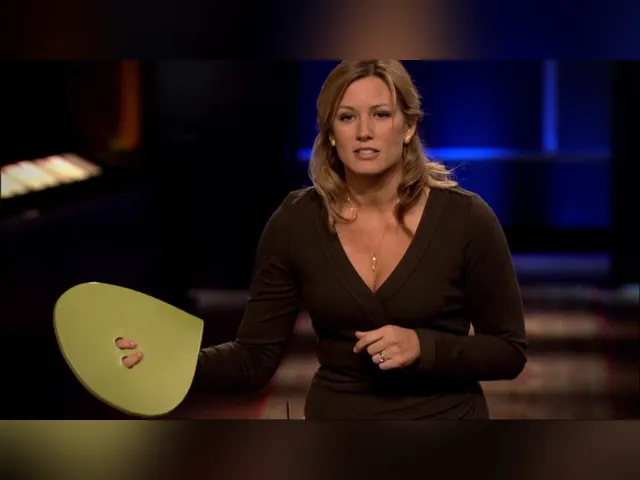 Deal
Mod Mom Furniture
Season 2 · Robert Herjavec
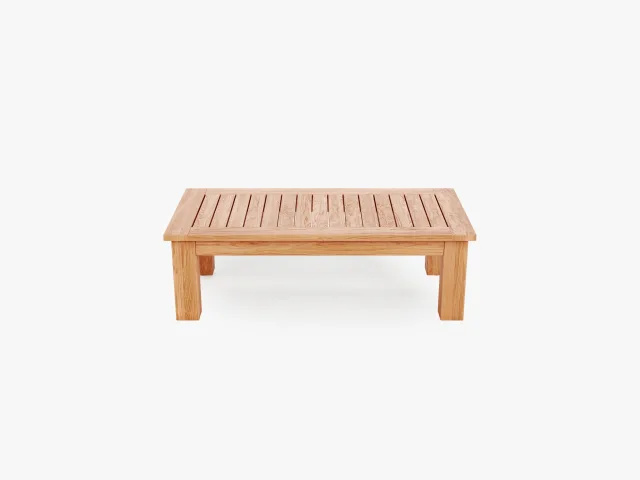 Deal
Outer
Season 11 · Lori Greiner
Deal
DeskView
Season 10 · Kevin O'Leary
 Deal
Yellow Leaf Hammocks
Season 11 · Daniel Lubetzky
 Deal
Kitty Kasas
Season 10 · Lori Greiner
No deal
Five Minute Furniture
Season 3
No deal
ALL33
Season 12
 No deal
AirTulip
Season 16
Why a furniture brand works now
Furniture used to be sold almost entirely through showrooms, which made it hard for a small company to compete. Today many shoppers are comfortable buying a sofa, desk or bed online, especially when the brand offers clear photos, honest dimensions, easy delivery and a fair return policy. Smaller homes, remote work and frequent moves have also created demand for pieces that are modular, multi-functional, easy to assemble or designed for a specific room or lifestyle.
Direct-to-consumer (DTC) furniture is not easy, though. Products are bulky, shipping is expensive, returns are painful and customers expect quality that lasts for years. The brands that work usually solve a specific problem rather than simply offering a nicer-looking version of an existing piece.
What Shark Tank pitches teach us
Our database includes furniture brands with a range of outcomes in the Tank:
- CordaRoy's Bean Bag Beds (Season 4) makes bean bag chairs that unfold into full beds and closed a deal with Lori Greiner. It is listed as still active. A two-in-one function that can be demonstrated in seconds is ideal for both TV and online video.
- Mod Mom Furniture (Season 2) designs modern children's furniture and play kitchens that blend with contemporary decor, and got a deal with Robert Herjavec. Serving a style-conscious niche can justify premium prices.
- Outer (Season 11) makes outdoor furniture from sustainable materials with built-in protective covers, and made a deal with Lori Greiner. Building a common annoyance (separate covers) into the product gave the brand a clear story.
- DeskView (Season 10) is a standing desk that mounts to a window and got a deal with Kevin O'Leary, showing that small-space and work-from-home needs can anchor a product.
- Yellow Leaf Hammocks (Season 11) sells handwoven hammocks made by artisan weavers and closed a deal with guest Shark Daniel Lubetzky. A sourcing and craftsmanship story can differentiate an otherwise familiar product.
- Kitty Kasas (Season 10) makes modular, stackable cat houses and furniture and got a deal with Lori Greiner, a reminder that furniture for pets follows many of the same rules.
- Five Minute Furniture (Season 3), ALL33 (Season 12) and AirTulip (Season 16) all left without a deal. Quick assembly, posture-friendly chairs and an air-purifying headboard are real benefits, but investors still need to see sales, margins and a path through expensive shipping.
Startup costs breakdown
The figures below are typical estimates for a small DTC launch with one or two products made by a contract manufacturer. Custom upholstery or a large range costs far more.
| Item | Typical estimate |
|---|---|
| Design, prototypes and samples | $3,000-$20,000 |
| Safety and flammability testing, labeling | $1,000-$8,000 |
| First production run (manufacturer minimums) | $15,000-$100,000 |
| Freight, duties and warehousing (if imported) | $3,000-$20,000 |
| Packaging engineered for parcel or freight shipping | $1,000-$6,000 |
| Photography, 3D renders and e-commerce site | $2,000-$12,000 |
| Product liability insurance and business setup | $1,000-$4,000 per year |
| Launch marketing and paid social testing | $5,000-$25,000 |
Step-by-step: how to start a furniture brand
- Pick a problem and a customer. Small apartments, home offices, kids' rooms, outdoor living and pet owners are all distinct audiences with different needs. Design for one.
- Design for shipping from the start. Flat-pack, modular and compressible designs cut freight costs dramatically. Measure your boxed dimensions and weight before you commit to a design.
- Prototype and live with it. Use samples at home for weeks. Check stability, wear, assembly time and how the piece looks in real rooms.
- Understand safety and labeling rules. Requirements depend on the product. In the US these can include CPSC rules such as tip-over standards for clothing storage furniture, flammability labeling for upholstered pieces in some states, and CPSIA testing and tracking labels for children's furniture. Imported wood products may also carry documentation requirements. Ask a testing lab which rules apply.
- Choose a manufacturer. Compare minimum orders, lead times, quality control and finish options. Order pre-production samples and inspect the first run.
- Plan delivery and returns. Decide between parcel shipping, freight with white-glove delivery or local pickup, and price returns into your margin.
- Launch with proof. Strong photography, room-scale videos, fabric swatches and customer reviews help shoppers trust a piece they cannot touch.
- Expand carefully. Add sizes, colors or matching pieces once the first product sells consistently.
How to make money
Furniture brands typically aim for a high markup because freight, returns and marketing eat into margin. As an estimate, a piece that costs $150 to make and land in your warehouse might sell online for $450 to $600. Shipping a bulky item can easily cost $50 to $200 or more, and paid advertising for a high-ticket purchase is expensive because shoppers take time to decide.
Revenue can come from DTC sales, online marketplaces, wholesale to boutiques and design stores, trade programs for interior designers and contract sales to offices, hotels or rental property owners. Accessories such as covers, cushions and replacement parts add higher-margin, repeat purchases.
Solving the shipping and returns problem
Shipping is often where DTC furniture brands win or lose. A few common approaches, as general guidance:
- Compress or flat-pack. Designs that ship in standard parcel boxes avoid freight charges entirely.
- Go modular. Breaking a sofa or shelving system into smaller components lowers damage rates and makes replacement easy.
- Offer swatches and samples. Mailing fabric or wood samples before purchase reduces color and texture returns.
- Be precise about dimensions. Room-scale photos and clear measurements, including doorway clearances, prevent many returns.
- Inspect before shipping. Damage in transit is costly, so robust packaging pays for itself.
Questions the Sharks would ask you
- What does one unit cost you landed, and what is your shipping cost per order?
- What is your return rate, and what happens to returned pieces?
- How much do you spend on advertising to get one sale?
- Is the design protected, or could a large retailer copy it next season?
- Who manufactures it, and what are their lead times and minimums?
- Is this one product or the start of a brand?
Red flags that sink pitches in this category
- Margins that ignore freight. A healthy markup can disappear once shipping and returns are counted.
- A pretty product with no point of difference. Large retailers already sell attractive furniture at scale.
- Too much inventory too soon. Furniture ties up cash and warehouse space quickly.
- Skipping safety testing. Tip-over, flammability and children's product rules carry real liability.
- Easy-to-copy designs. Without a patent, a brand or a cost advantage, knockoffs can follow fast.
The bottom line
A furniture brand succeeds when it solves a real problem for a defined customer and designs the product around how it will be shipped, assembled and returned. Start with one piece that is easy to explain, prove that customers buy it at a price that covers freight and advertising, then grow into a collection.
Frequently asked questions
How much does it cost to start a furniture brand?
A small direct-to-consumer launch with one or two products made by a contract manufacturer typically costs around $30,000 to $75,000 for prototypes, testing, a first production run, packaging, photography and launch marketing. A wider collection or custom upholstery can push that to $200,000 or more. These are typical estimates, and manufacturer minimums drive much of the total.
Is selling furniture online profitable?
It can be, but margins are tested by freight, returns and advertising. Many brands target a retail price around three times their landed cost so that shipping, returns and marketing still leave a profit. Designs that ship in compact boxes and have low return rates are usually the most profitable.
What safety rules apply to furniture?
It depends on the product and market. In the US, clothing storage furniture is subject to a CPSC tip-over standard, children's furniture must meet CPSIA testing and labeling requirements, and upholstered furniture may need flammability labeling under some state rules. Imported wood products can carry additional documentation requirements. A testing lab can confirm what applies to your design.
Should I start furniture on Amazon or my own website?
Many brands use both. Your own website builds a brand, keeps more margin and gives you customer data, while marketplaces bring shoppers who are already searching. Bulky items can be costly to send through marketplace fulfillment, so compare the full cost per order before choosing a channel.
Every pitch, deal and Shark mentioned here is checked against our database of 1,533 Shark Tank pitches. Cost ranges are typical estimates, not quotes. This is general education, not financial, legal or investment advice. Editorial policy · Suggest a correction
More business ideas
See all →


How to Invent and Sell a Cleaning Product: Lessons From 12 Shark Tank Pitches
Cleaning products are among the most successful inventions ever pitched on Shark Tank, because…


How to Start a Home Organization Product Business: Lessons From 10 Shark Tank Pitches
Clutter is a universal problem, and smart storage products can turn it into a business.

How to Start a Smart Home Gadget Business: Lessons From 12 Shark Tank Pitches
Smart home devices promise convenience, safety and savings, but hardware is hard.

How to Start a Bedding and Sleep Products Business: Lessons From 11 Shark Tank Pitches
Better sleep is something nearly everyone wants, which makes bedding and sleep products a large…

How to Start a Car Accessories Business: Lessons From 12 Shark Tank Pitches
Drivers spend hours a week in their cars and will pay for anything that makes them cleaner…


How to Start an Eco-Friendly Products Business: Lessons From 12 Shark Tank Pitches
Shoppers want to cut waste without giving up convenience, and reusable or plastic-free products…




Bootstrapping Lessons From Shark Tank Founders
Many founders arrive at the Tank after building their businesses with their own savings and early…


How Valuation Works on Shark Tank (With Examples)
Every Shark Tank ask contains a valuation: divide the dollars by the equity percentage.

Which Shark Should You Pitch? Each Shark's Investing Style
Each Shark brings a different background, investing style and set of favorite categories.