At a glance
- 💰 Startup cost
- $10K-$100K
- 📈 Difficulty
- Moderate
- ⏱️ Time to launch
- 4-12 months
- 📊 Typical margins
- High (50-70% gross at DTC; 35-50% at wholesale)
- 🎯 Best for
- Problem-solvers with a clear, demonstrable improvement on an everyday cleaning chore
Real Shark Tank pitches in this space
Swipe → Deal
Scrub Daddy
Season 4 · Lori Greiner
 Deal
Better Life Cleaning Products
Season 5 · Lori Greiner
Deal
Blueland
Season 11 · Kevin O'Leary
 Deal
Grease Monkey Wipes
Season 1 · Barbara Corcoran
 Deal
Drain Strain
Season 6 · Robert Herjavec
 Deal
Sheets Laundry Club
Season 13 · Daniel Lubetzky
 Deal
Bambooee
Season 5 · Lori Greiner
 No deal
Pure Ayre
Season 2
 No deal
The Scrubbie
Season 12
No deal
Wisp
Season 10
 No deal
EcoNuts
Season 4
 Deal
Va Broom
Season 13 · Kevin O'Leary
Why a cleaning product works now
Cleaning is universal, frequent and mildly annoying, which is exactly the type of problem consumers will pay to solve. Products that clean faster, smell better, use fewer harsh chemicals, reduce plastic waste or save money on paper towels can win loyal customers. Cleaning products also demonstrate well on video: a satisfying before-and-after clip can sell a sponge or brush to millions of people on social media.
Many cleaning products are consumables or wear out over time, so customers come back. That repeat purchase is what makes this category so attractive to investors.
What Shark Tank pitches teach us
Cleaning inventions are some of the most memorable pitches in our database:
- Scrub Daddy (Season 4) is a smiley-faced sponge made from a polymer that firms in cold water and softens in warm water. It got a deal with Lori Greiner and is listed as active. A visible, demonstrable feature plus personality made a commodity product memorable.
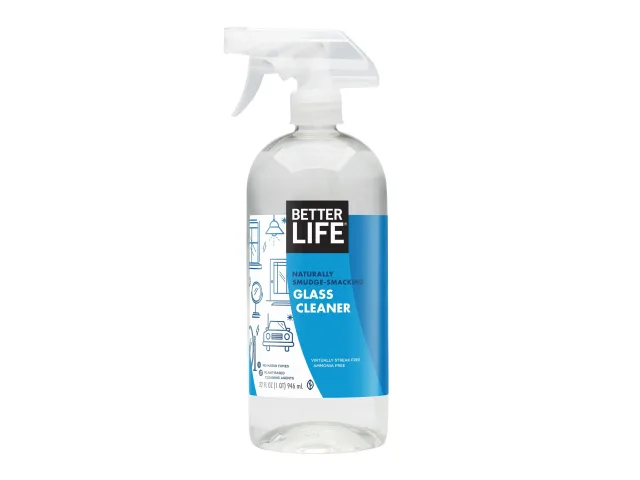
- Better Life Cleaning Products (Season 5) makes plant-derived household cleaners and got a deal with Lori Greiner, while Bambooee (Season 5), reusable bamboo paper towels, also got a deal with Lori Greiner. Both are listed as active and tapped into eco-conscious shoppers.
- Blueland (Season 11) sells cleaning tablets that dissolve in reusable bottles and got a deal with Kevin O'Leary. Refill models reduce plastic and create recurring purchases.
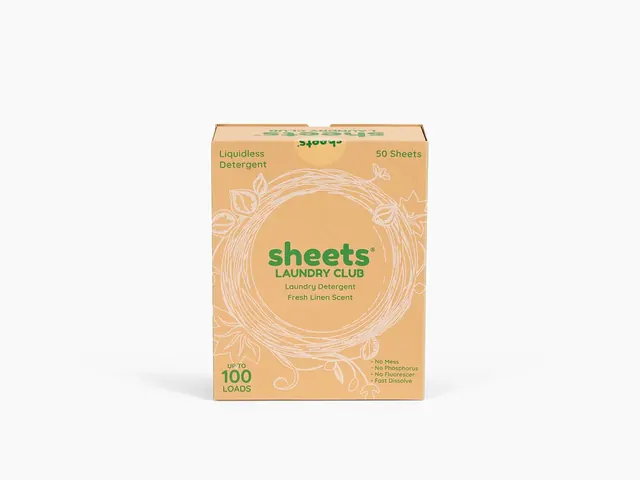
- Sheets Laundry Club (Season 13), plastic-free laundry detergent sheets, got a deal with guest Shark Daniel Lubetzky and is listed as active.
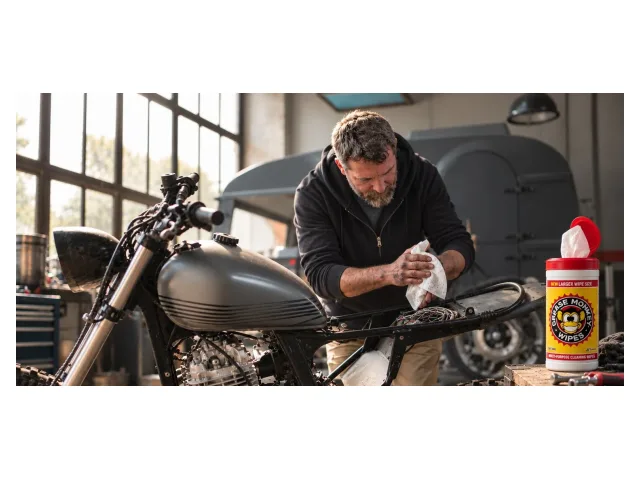
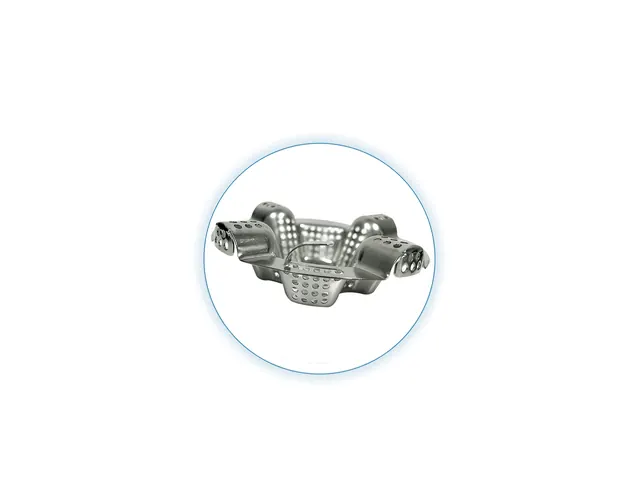
- Grease Monkey Wipes (Season 1), heavy-duty wipes for grease and grime, got a deal with Barbara Corcoran and Robert Herjavec, and Drain Strain (Season 6), a drain cover that catches hair, got a deal with Robert Herjavec. Both solve a specific, messy problem.
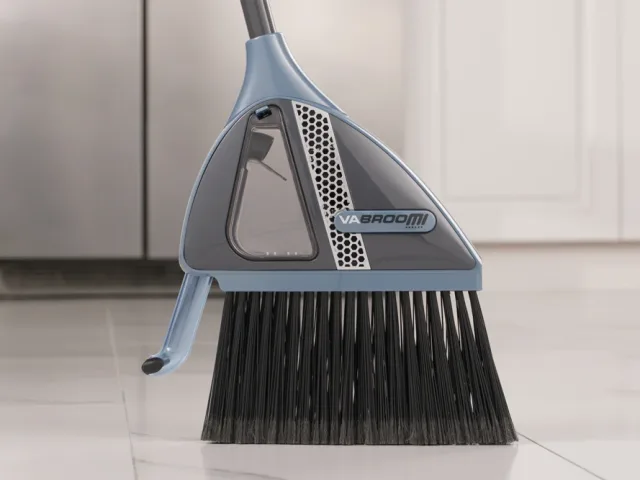
- Va Broom (Season 13), a broom with a built-in vacuum, got a deal with Kevin O'Leary.
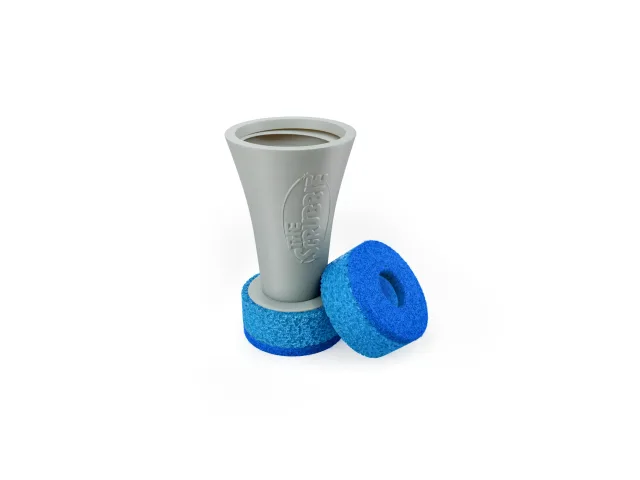
- Pure Ayre (Season 2), a natural odor eliminator, and EcoNuts (Season 4), natural soap nuts for laundry, did not get deals but are listed as active. The Scrubbie (Season 12), a universal cleaning attachment, and Wisp (Season 10), a redesigned broom, also left without deals, a reminder that improvements need to be dramatic and easy to see.
Startup costs breakdown
Typical estimates for a physical cleaning tool versus a chemical cleaning formula.
| Item | Cleaning tool (estimate) | Cleaning formula (estimate) |
|---|---|---|
| Prototyping and design | $1,000-$10,000 | $2,000-$10,000 (formulation) |
| Molds or tooling | $3,000-$30,000 | Usually not needed |
| Safety, efficacy and stability testing | $500-$3,000 | $3,000-$15,000 |
| Regulatory review and registrations | $500-$2,000 | $2,000-$20,000+ (higher for disinfectant claims) |
| First production run | $5,000-$25,000 | $10,000-$40,000 |
| Packaging design and printing | $2,000-$8,000 | $3,000-$10,000 |
| Patent or trademark filings | $1,000-$15,000 | $500-$5,000 |
| Launch marketing and video | $3,000-$15,000 | $3,000-$15,000 |
Step-by-step: how to launch a cleaning product
- Validate the problem. Talk to people about the chore you are solving. If they do not complain about it, they may not pay to fix it.
- Prototype quickly. 3D printing, hand-made samples or small formula batches let you test with real users before investing in tooling.
- Prove it works. Run side-by-side tests against the leading alternative and film the results.
- Understand regulations. Chemical products need proper ingredient disclosure and hazard labeling, and germ-killing claims typically require registration (with the EPA in the US). Avoid making claims you cannot support.
- Protect your idea. Consider a provisional patent for a novel design and register your brand name as a trademark. A patent attorney can advise on whether your idea is patentable.
- Find a manufacturer. Get multiple quotes, request samples and confirm quality control before placing a large order.
- Launch online with video. Demonstration videos are the heart of cleaning product marketing.
- Pursue retail and TV shopping. Use sales data to approach retail buyers; products with dramatic demos may suit TV shopping channels.
How to make money
Cleaning tools often cost $0.50 to $3 to manufacture at scale and sell for $5 to $20, while formulas and refills have low per-unit costs and strong repeat potential, as typical estimates. Direct-to-consumer gross margins can reach 60-70%, while retail and wholesale typically land in the 35-50% range after retailer margins.
The best cleaning businesses build recurring revenue: refills, replacement heads, multi-packs and subscriptions. Bundles (for example, a kitchen kit or a starter set with refills) raise order size online and make attractive retail displays.
Marketing a cleaning product on a small budget
Cleaning products are made for short-form video. A ten-second clip showing a stubborn stain disappearing, a grimy grill grate coming clean or hair lifting out of a drain can do more selling than any ad copy. Film real results in real homes, avoid editing that looks too good to be true, and invite customers to share their own before-and-after videos. Live demonstrations at home shows, county fairs and hardware stores also work well, because shoppers can see and touch the product.
Reviews matter enormously in this category, especially on Amazon. Encourage honest reviews from early customers by following up after purchase, and respond quickly to complaints. If a product does not work on certain surfaces or stains, say so clearly on the packaging; managing expectations prevents negative reviews that can stall growth.
Turning one product into a brand
A single hero product can launch a company, but long-term value usually comes from a family of related items. Once your first product proves itself, look at adjacent chores your customers face: if you solved dishes, consider countertops, bathrooms or outdoor cleaning. Keep the visual identity and the core promise consistent so customers recognize you on the shelf. Expanding into new shapes, colors, scents or multi-packs is often lower risk than inventing a brand-new product from scratch.
Questions the Sharks would ask you
- Do you have a patent, and how easily can a large company copy you?
- What does it cost to make, and what do you sell it for?
- What are your sales, and how many customers reorder?
- Can you prove it works better than what people use now?
- Where is it sold today, and what retailers are interested?
Red flags that sink pitches in this category
- A small improvement on a cheap product. If the benefit is not obvious in a few seconds, shoppers will not switch.
- Unsupported germ-killing claims. These can create serious regulatory problems.
- No recurring revenue. A one-time purchase product needs very large volume.
- Weak intellectual property in a copyable category. Knockoffs appear quickly once a cleaning product sells.
The bottom line
A cleaning product business succeeds when the improvement is obvious, the product is safe and compliant, and customers come back to buy again. Start with a problem people already complain about, prove your product beats the alternative on camera, and build toward refills or a product family that keeps customers returning.
Frequently asked questions
How much does it cost to start a cleaning product business?
A simple cleaning tool or sponge made by a contract manufacturer typically needs roughly $10,000 to $50,000 for prototypes, molds or tooling, a first production run, packaging and launch marketing. Chemical cleaning formulas add testing and regulatory costs and can push budgets toward $50,000 to $100,000. These are typical estimates.
Do I need approval to sell a cleaning product?
It depends on the product. Tools such as sponges and brooms generally have fewer requirements. Chemical cleaners must follow labeling and hazard communication rules, and products that claim to kill germs or disinfect are typically regulated as pesticides, which in the US requires EPA registration. Check the rules where you plan to sell.
Is a cleaning product business profitable?
Cleaning tools and consumables can be very profitable because they are inexpensive to make and bought repeatedly. Refills, replacement heads and consumables create recurring revenue. Margins shrink in retail, so many brands combine direct, Amazon and retail sales.
How do I get my cleaning product into stores?
Start with online sales and local retailers to build data, then approach regional chains, hardware stores and buyers at larger retailers with sales figures, a clear demo and professional packaging. TV shopping networks and live demonstrations can also be powerful for products that show results instantly.
Every pitch, deal and Shark mentioned here is checked against our database of 1,533 Shark Tank pitches. Cost ranges are typical estimates, not quotes. This is general education, not financial, legal or investment advice. Editorial policy · Suggest a correction
More business ideas
See all →
How to Start a Car Accessories Business: Lessons From 12 Shark Tank Pitches
Drivers spend hours a week in their cars and will pay for anything that makes them cleaner…
How to Start an Eco-Friendly Products Business: Lessons From 12 Shark Tank Pitches
Shoppers want to cut waste without giving up convenience, and reusable or plastic-free products…

How to Start a Home Organization Product Business: Lessons From 10 Shark Tank Pitches
Clutter is a universal problem, and smart storage products can turn it into a business.


How to Start a Candle and Home Fragrance Business: Lessons From 7 Shark Tank Pitches
Candles are one of the most popular home-based businesses because they are affordable to make and…

How to Start a Furniture Business: Lessons From 9 Shark Tank Pitches
Direct-to-consumer furniture lets a small brand reach shoppers without a showroom, but freight…

How to Start a Bedding and Sleep Products Business: Lessons From 11 Shark Tank Pitches
Better sleep is something nearly everyone wants, which makes bedding and sleep products a large…

What Happens After Shark Tank: Due Diligence, Deals That Fall Through and the Shark Tank Effect
An on-air handshake is the start of a process, not the end. This guide explains due diligence…


The Questions Sharks Always Ask (and How to Answer Them)
Almost every Shark Tank pitch is decided in the question-and-answer round, not the opening speech.
How Valuation Works on Shark Tank (With Examples)
Every Shark Tank ask contains a valuation: divide the dollars by the equity percentage.