


At a glance
- 💰 Startup cost
- $1K-$25K
- 📈 Difficulty
- Easy
- ⏱️ Time to launch
- 1-3 months
- 📊 Typical margins
- High (55-75% gross on direct sales)
- 🎯 Best for
- Creative founders with a strong brand idea who enjoy markets, gifting and building a community
Real Shark Tank pitches in this space
Swipe →
Why a candle business works now
Candles and home fragrance are affordable luxuries. People buy them to make a space feel cozy, to mark the seasons and as easy gifts. The startup cost is low, the craft can be learned from home, and online marketplaces and social media make it possible to reach customers far beyond your town.
Because it is easy to start, it is also crowded. The candle makers who build lasting businesses treat it like a brand business, with a clear concept, consistent quality and smart pricing, rather than simply pouring nice candles.
What Shark Tank pitches teach us
Candle and fragrance pitches in our database show how a strong concept can stand out:
- Big Ass Luxuries (Season 16) makes oversized, long-burning scented candles positioned as luxury home fragrance and got a deal with Lori Greiner; it is listed as active. A bold name and a clear value promise (size and burn time) gave it a memorable identity.
- Man Candle (Season 2) offered candles with scents aimed at men and did not get a deal. Targeting an underserved buyer is a smart idea, but the pitch shows investors still need evidence of demand and scale.
- Frsh (Season 14) sells designer air fresheners through a subscription and got a deal with Barbara Corcoran. Subscriptions turn fragrance into recurring revenue.
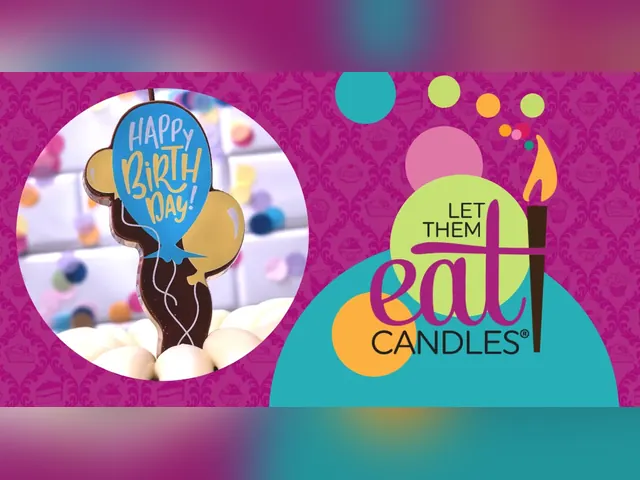
- Let Them Eat Candles (Season 15) makes edible birthday candles and got a deal with Lori Greiner; it is listed as active. Reinventing the format for a specific occasion created a novel product.
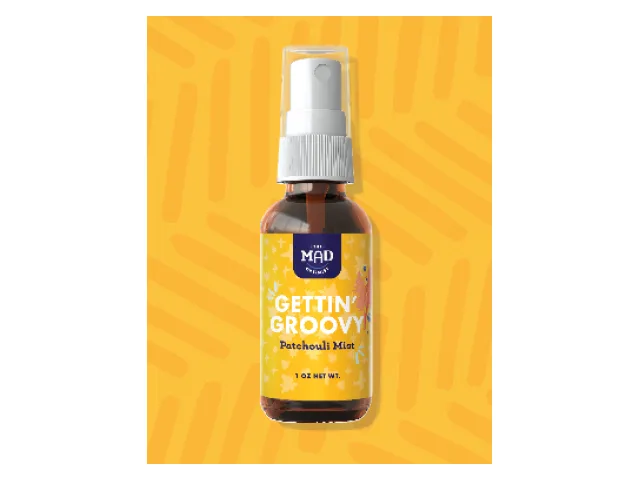
- The Mad Optimist (Season 11), vegan soap and body care with customizable scents, got a deal with Mark Cuban. Customization and values-driven branding can attract loyal customers in fragrance.
- Essence (Season 16), a wearable aromatherapy nasal ring, got a deal with Daymond John and is listed as active, while Pure Ayre (Season 2), a natural odor eliminator, left without a deal but is listed as active. Scent businesses can extend well beyond candles.
Startup costs breakdown
Typical estimates for a small home-based candle business versus a more branded launch.
| Item | Starter (estimate) | Branded launch (estimate) |
|---|---|---|
| Wax, wicks and fragrance oils | $300-$1,000 | $1,500-$5,000 |
| Vessels (jars, tins, custom glass) | $200-$800 | $1,500-$8,000 |
| Melting pot, thermometers, scale and tools | $150-$500 | $500-$3,000 |
| Labels, warning stickers and packaging | $150-$600 | $1,000-$4,000 |
| Branding, photography and website | $100-$800 | $2,000-$6,000 |
| Business license and liability insurance | $200-$800 | $500-$1,500 |
| Markets, samples and marketing | $100-$500 | $1,000-$5,000 |
Step-by-step: how to start a candle business
- Define your concept. A scent story (places, memories, seasons), an audience (men, book lovers, pet owners), a value promise (huge burn time) or a format (edible, refillable).
- Learn the craft and test thoroughly. Wax type, wick size, fragrance load and vessel all interact. Burn-test every combination for even melt, soot, tunneling and safety.
- Prioritize safety. Add clear warning labels and burn instructions. Many makers follow voluntary industry safety standards for labeling. Check whether any local rules apply to fragrance ingredients or claims, and buy product liability insurance.
- Calculate your costs carefully. Include wax, fragrance, wicks, vessels, labels, packaging, your time and shipping materials.
- Register your business. Get any required business licenses and sales tax permits.
- Start at markets and online. Craft fairs and holiday markets let you test scents and prices. A simple online store or marketplace listing extends your reach.
- Develop wholesale. Boutiques, gift shops and salons often carry local candles. Create a wholesale price list and minimum order.
- Add recurring revenue. Scent subscriptions, refill programs and seasonal collections encourage repeat purchases.
How to make money
As typical estimates, an 8 to 10 oz candle may cost $3 to $8 to make with packaging and sell for $20 to $40 retail, or about half that at wholesale. Direct sales carry the highest margins; wholesale brings volume and exposure. Many candle businesses earn a large share of revenue in the fall and holiday season.
Additional revenue streams include custom candles for weddings and corporate gifts, private label for boutiques and hotels, candle-making workshops, room sprays, diffusers and wax melts that share the same fragrance line.
Getting into boutiques and gift shops
Wholesale can steady a candle business between busy seasons. Start by making a list of local shops whose customers match your brand: boutiques, home decor stores, florists, salons, bookstores and gift shops. Visit in person with a few samples, a simple line sheet showing wholesale prices and minimums, and photos of your candles in styled settings. Most shops expect to buy at roughly half of the suggested retail price, often with a modest opening order minimum.
Make reordering easy and reliable. Shops value makers who ship on time, keep popular scents in stock and provide display materials or testers. Seasonal collections give buyers a reason to place new orders several times a year. As you grow, online wholesale marketplaces and regional gift trade shows can introduce you to many more stores, but only expand when your production can keep up with larger orders.
Finding your niche in a crowded market
With so many candle makers, a clear niche is your best marketing tool. Some brands tie scents to books, movies, sports teams or cities. Others focus on clean ingredients, refillable vessels, humor or a specific community. A niche makes it easier to reach customers, because you know exactly where they spend time online and which shops they visit. It also helps wholesale buyers understand where your candles fit on their shelves.
Questions the Sharks would ask you
- What makes your candles different from the thousands of others online?
- What does a candle cost you to make, and what do you sell it for wholesale?
- How many customers come back to buy again?
- How seasonal are your sales?
- Can production scale beyond your kitchen?
Red flags that sink pitches in this category
- No differentiation. "Hand-poured soy candles" alone is not a business strategy.
- Skipping burn testing. Safety problems can damage a brand and create liability.
- Pricing that ignores wholesale. If retail price is not about double your wholesale price, stores cannot carry you.
- All sales in the holiday season. Investors want to see year-round demand.
The bottom line
A candle business is one of the easiest to start and one of the hardest to stand out in. Build around a sharp concept, test every candle for safety, price for wholesale from day one and create reasons for customers to come back throughout the year.
Frequently asked questions
How much does it cost to start a candle business?
A home candle business can start for roughly $1,000 to $3,000 in wax, wicks, fragrance oils, vessels, testing supplies and labels. Adding custom vessels, professional branding, a website and larger inventory commonly brings the total to $10,000 to $25,000. These are typical estimates.
Is a candle business profitable?
Candles can have strong gross margins because materials are relatively inexpensive compared with retail prices. A candle costing $3 to $8 to make may sell for $20 to $45. Profit depends on branding, efficient production, wholesale pricing and keeping marketing costs in check, since the market is crowded.
Do I need a license to sell candles?
Candles are not food, so cottage food laws do not apply, but you typically need a general business license and may need sales tax registration. Safety and labeling are important: candles should carry clear warning labels and burn instructions, and some regions have rules about fragrance ingredients. Product liability insurance is strongly recommended.
How do I make my candle brand stand out?
Successful brands usually have a distinct concept, such as a scent story, a humorous or niche audience, an unusual vessel, a size or burn-time promise, or an experience like candle-making classes. Consistent branding and memorable names matter as much as the scent.
Every pitch, deal and Shark mentioned here is checked against our database of 1,533 Shark Tank pitches. Cost ranges are typical estimates, not quotes. This is general education, not financial, legal or investment advice. Editorial policy · Suggest a correction
More business ideas
See all →
How to Invent and Sell a Kitchen Gadget: Lessons From 11 Shark Tank Pitches
Kitchen gadgets are a favorite on Shark Tank because a great one solves a frustration every home…




How to Start a Bedding and Sleep Products Business: Lessons From 11 Shark Tank Pitches
Better sleep is something nearly everyone wants, which makes bedding and sleep products a large…


How to Start an Eco-Friendly Products Business: Lessons From 12 Shark Tank Pitches
Shoppers want to cut waste without giving up convenience, and reusable or plastic-free products…


How to Start a Home Organization Product Business: Lessons From 10 Shark Tank Pitches
Clutter is a universal problem, and smart storage products can turn it into a business.
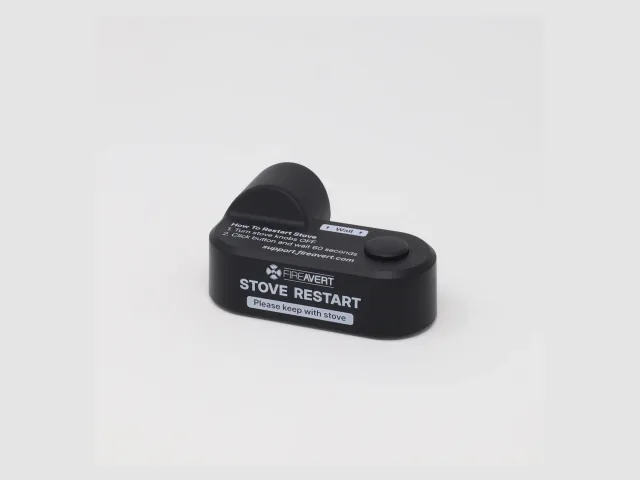
How to Start a Smart Home Gadget Business: Lessons From 12 Shark Tank Pitches
Smart home devices promise convenience, safety and savings, but hardware is hard.

How to Start a Furniture Business: Lessons From 9 Shark Tank Pitches
Direct-to-consumer furniture lets a small brand reach shoppers without a showroom, but freight…



Which Shark Should You Pitch? Each Shark's Investing Style
Each Shark brings a different background, investing style and set of favorite categories.
The Questions Sharks Always Ask (and How to Answer Them)
Almost every Shark Tank pitch is decided in the question-and-answer round, not the opening speech.


Know Your Numbers: The Metrics Sharks Grill Founders On
Sharks judge a business by a handful of numbers: sales, margins, landed cost, customer acquisition…