At a glance
- 💰 Startup cost
- $5K-$60K
- 📈 Difficulty
- Moderate
- ⏱️ Time to launch
- 4-10 months
- 📊 Typical margins
- High (50-70% gross, typical estimate)
- 🎯 Best for
- Car owners, commuters and tinkerers who notice small daily annoyances behind the wheel
Real Shark Tank pitches in this space
Swipe →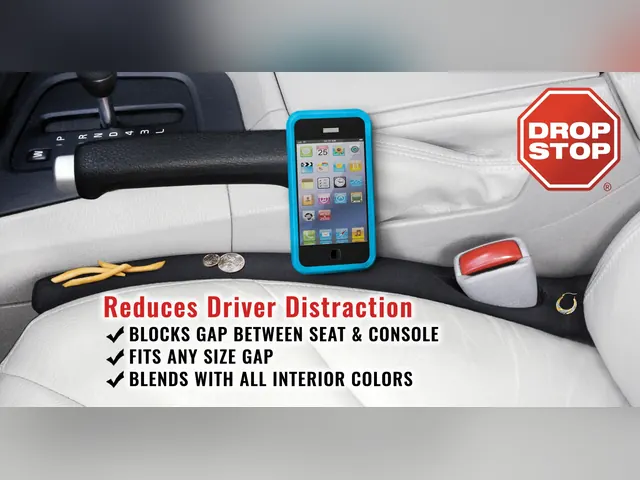 Deal
Drop Stop
Season 4 · Lori Greiner
 Deal
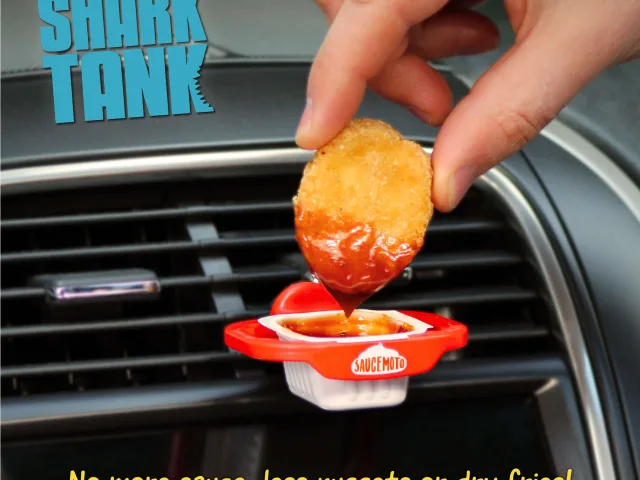
Saucemoto
Season 10 · Robert Herjavec
 Deal
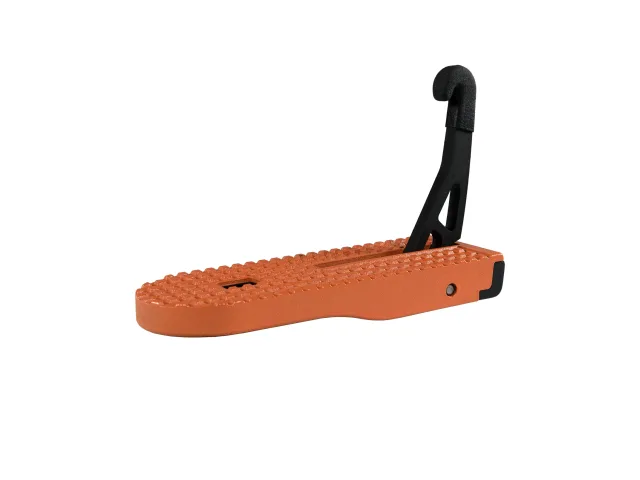
Moki Doorstep
Season 10 · Daymond John
Deal
Smart Wheel
Season 4 · Mark Cuban
Deal
Lightfilm
Season 2 · Robert Herjavec
Deal
Pickup Pools
Season 10 · Mark Cuban
 Deal
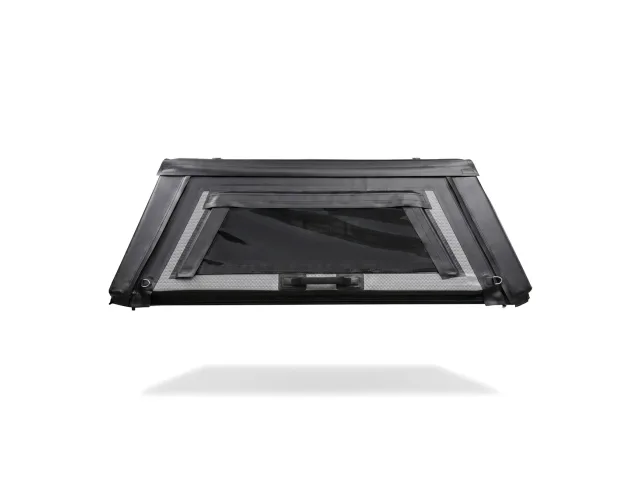
Flated
Season 14 · Daymond John
 Deal
Frsh
Season 14 · Barbara Corcoran
No deal
Lifebelt
Season 1
No deal
Invis-A-Rack
Season 3
No deal
The Buffer Bit
Season 5
 No deal
AirBedz
Season 3
Why a car accessories business works now
For many people the car is a second living room, office and storage closet. Commuters, parents, road trippers and truck owners keep buying products that make that space more organized, comfortable and useful. Accessories are a large, evergreen category: every new driver, every new car and every holiday creates fresh demand. Many products are small, light and inexpensive to ship, which suits online selling and impulse purchases at checkout.
The flip side is competition and fit. Auto parts stores and online marketplaces are full of generic gadgets, and a product that fits one model poorly will earn bad reviews fast. Safety also matters more than in most accessory categories: anything that touches the driver's controls, view or restraint system has to be designed carefully.
What Shark Tank pitches teach us
Car products are a reliable Shark Tank category, and Lori Greiner, Daymond John, Robert Herjavec and Mark Cuban have all backed them.
- Drop Stop (Season 4), a gap filler that stops phones and keys from falling between the seat and console, got a deal with Lori Greiner and is listed as active. Lesson: a universal, cheap fix to a universal annoyance can become a retail staple.
- Saucemoto (Season 10), a vent clip that holds dipping sauce cups, got a deal with Robert Herjavec. Moki Doorstep (Season 10), a step that hooks onto the door latch so you can reach the roof, got a deal with Daymond John. Lesson: a single, specific use case is easy to demonstrate and explain.
- Smart Wheel (Season 4), a steering wheel cover with sensors that alert drivers when they take their hands off the wheel, got a deal with Mark Cuban and Robert Herjavec. Lightfilm (Season 2), a car window product offered as an alternative to conventional tinting, got a deal with Robert Herjavec and Daymond John.
- Truck and outdoor accessories did well too. Pickup Pools (Season 10), a liner that turns a truck bed into a small pool, got a deal with Mark Cuban, and Flated (Season 14), inflatable mattresses for truck beds and vehicles, got a deal with Daymond John. Frsh (Season 14), designer car air fresheners sold by subscription, got a deal with Barbara Corcoran.
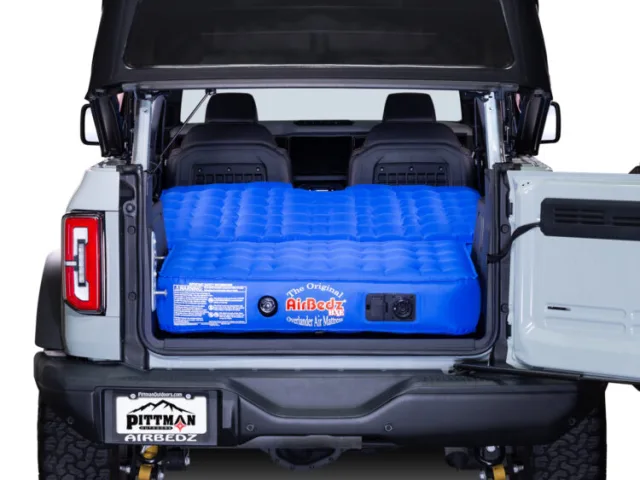
- Others left without deals. Lifebelt (Season 1) linked a car's ignition to seat belt use. Invis-A-Rack (a low-profile rack system), The Buffer Bit (a drill attachment for polishing cars) and AirBedz (air mattresses for truck beds and SUVs) also left empty-handed but are listed as active in our database.
The pattern: simple accessories that sell at a strong markup tend to win, while products requiring installation or integration with the vehicle face tougher questions about fit, liability and distribution.
Startup costs breakdown
Typical estimates for a small car accessory brand that designs its own products and outsources manufacturing:
| Item | Lean start | Funded start |
|---|---|---|
| Product design and prototypes | $500-$3,000 | $5,000-$15,000 |
| Molds or tooling | $0-$5,000 | $8,000-$25,000 |
| Fit testing across vehicle models | $200-$1,000 | $2,000-$6,000 |
| First production run | $2,000-$10,000 | $15,000-$40,000 |
| Packaging and branding | $500-$2,000 | $3,000-$8,000 |
| Trademark and provisional patent | $300-$2,000 | $3,000-$10,000 |
| Product liability insurance (first year) | $500-$2,000 | $2,000-$5,000 |
| Website, photography and launch ads | $1,000-$3,000 | $5,000-$15,000 |
Soft goods such as organizers, covers and fresheners start at the low end. Electronics and anything requiring vehicle-specific fit or installation sit at the high end.
Step-by-step: how to start
- Find a daily annoyance. Watch how people use their cars: dropped items, messy back seats, spilled food, cargo that slides around. Read reviews of best-selling car accessories for repeated complaints.
- Decide universal or model-specific. Universal products reach more buyers. Model-specific products fit better and can charge more but require more SKUs.
- Design for safety. Avoid anything that blocks airbags, obstructs the driver's view or interferes with controls or seat belts. Products that modify lighting, windows or safety equipment may be covered by federal vehicle safety standards and state laws, such as window tint limits, so research the rules for your product.
- Test in real vehicles. Try prototypes in many makes and models, in heat and cold. Car interiors get very hot, which can warp plastics and melt adhesives.
- Source and inspect. Get quotes from several factories, order pre-production samples and agree on quality standards in writing.
- Protect your brand. File a trademark, and consider a provisional patent if your mechanism is genuinely new.
- Launch online first. Amazon and your own site let you test price, collect reviews and learn which vehicles your buyers drive.
- Pitch retail. Auto parts chains, big-box stores and TV shopping can drive volume once you have sales data.
How to make money
Many car accessory brands aim to sell at three to five times landed cost, as a typical estimate. A $4 organizer might retail for $15-$25. Typical channels:
- Direct to consumer: best margins, and good for bundles and subscriptions such as refills.
- Amazon: high search demand for car accessories, but strong competition and fees.
- Auto parts and big-box retail: wholesale at roughly half of retail, with expectations for packaging, supply and promotions.
- Dealerships and fleets: branded accessories and bulk orders for businesses.
- Gift seasons: holidays and graduation are strong periods for car gadgets.
Consumable add-ons, such as refills, replacement pads or seasonal scents, can turn a one-time accessory purchase into repeat revenue. Keep an eye on returns, since fit problems can quietly erase the margin on an otherwise popular product.
Questions the Sharks would ask you
- What is your landed cost, wholesale price and retail price?
- Does it fit most vehicles, and what is your return rate for fit problems?
- Is it safe, and could it interfere with airbags, visibility or controls?
- What stops a cheap copy from appearing online next month?
- Which retailers carry you now, and how fast does it sell?
- What is the next product after this one?
Red flags that sink pitches in this category
- Liability risk: products that affect driving safety without strong testing behind them.
- Poor fit: a product that only works well in some vehicles.
- Complex installation: buyers avoid tools, wiring and drilling.
- Commodity products: another phone mount with no clear difference.
- Thin margins: heavy or bulky items that cost too much to ship.
- Legal hurdles: products limited by state laws or vehicle safety rules.
Start with one clear problem, test in many vehicles, keep it safe and simple, and build a brand drivers trust.
Frequently asked questions
How much does it cost to start a car accessories business?
As a typical estimate, a simple soft-goods accessory such as an organizer or seat cover can launch for $5,000-$15,000. Molded, electronic or vehicle-specific products commonly need $30,000-$60,000 because of tooling, fit testing and larger minimum orders.
What car accessories sell best?
Organizers, phone mounts, seat covers, cleaning tools, air fresheners and products for pets and kids are popular because they solve frequent problems and fit most vehicles. Truck and camping accessories are a strong niche with buyers willing to spend more.
Are there regulations for car accessories?
Some. Products that affect lighting, windows, visibility or safety equipment may be covered by federal vehicle safety standards and state laws, such as window tint limits. Children's car products have additional safety requirements. Research the rules for your specific product and consider product liability insurance.
Can I sell car accessories on Amazon?
Yes, and many brands start there because car accessory searches are common. Clear fit information, strong photos and reviews matter, and a trademark with Amazon Brand Registry helps protect your listings from copycats.
Every pitch, deal and Shark mentioned here is checked against our database of 1,533 Shark Tank pitches. Cost ranges are typical estimates, not quotes. This is general education, not financial, legal or investment advice. Editorial policy · Suggest a correction
More business ideas
See all →


How to Start a Candle and Home Fragrance Business: Lessons From 7 Shark Tank Pitches
Candles are one of the most popular home-based businesses because they are affordable to make and…


How to Start a Bedding and Sleep Products Business: Lessons From 11 Shark Tank Pitches
Better sleep is something nearly everyone wants, which makes bedding and sleep products a large…

How to Invent and Sell a Kitchen Gadget: Lessons From 11 Shark Tank Pitches
Kitchen gadgets are a favorite on Shark Tank because a great one solves a frustration every home…
How to Start a Smart Home Gadget Business: Lessons From 12 Shark Tank Pitches
Smart home devices promise convenience, safety and savings, but hardware is hard.
How to Start a Furniture Business: Lessons From 9 Shark Tank Pitches
Direct-to-consumer furniture lets a small brand reach shoppers without a showroom, but freight…

How to Start a Home Organization Product Business: Lessons From 10 Shark Tank Pitches
Clutter is a universal problem, and smart storage products can turn it into a business.
How Valuation Works on Shark Tank (With Examples)
Every Shark Tank ask contains a valuation: divide the dollars by the equity percentage.


What Happens After Shark Tank: Due Diligence, Deals That Fall Through and the Shark Tank Effect
An on-air handshake is the start of a process, not the end. This guide explains due diligence…
Which Shark Should You Pitch? Each Shark's Investing Style
Each Shark brings a different background, investing style and set of favorite categories.