At a glance
- 💰 Startup cost
- $10K-$75K
- 📈 Difficulty
- Moderate
- ⏱️ Time to launch
- 4-10 months
- 📊 Typical margins
- Medium-High (40-60% gross DTC)
- 🎯 Best for
- Organized, design-minded founders who spot clutter problems others overlook
Real Shark Tank pitches in this space
Swipe →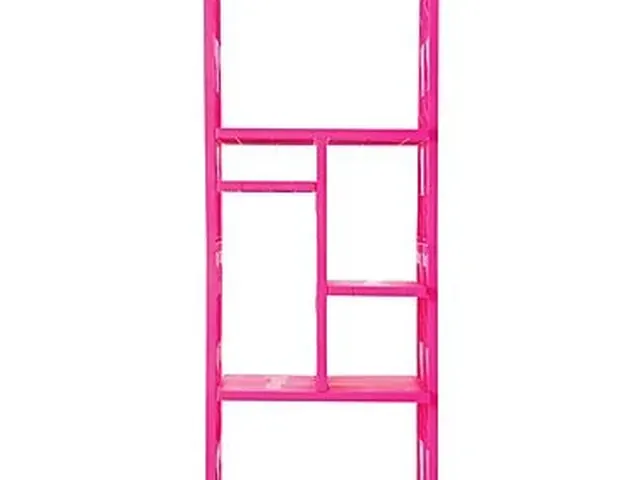 Deal
LockerBones
Season 5 · Lori Greiner
Deal
BZbox
Season 5 · Lori Greiner
Deal
Sock Tabs
Season 7 · Daymond John
 Deal
Dome Dock
Season 16 · Kevin O'Leary
 Deal
Petite Keep
Season 16 · Barbara Corcoran
Deal
HangEase
Season 5 · Mark Cuban
 No deal
Lion Latch
Season 13
No deal
Lifter Hamper
Season 4
 No deal
Kwik-Hang
Season 9
Why a home organization business works now
Homes are doing more than ever: offices, gyms, classrooms and storage for online shopping all compete for space. Organizing content is hugely popular online, and shoppers love before-and-after transformations. That makes it possible for a new organization product to catch on quickly if it solves a real problem in a way people can see.
The challenge is that basic bins and shelves are cheap and everywhere. Winning products tend to solve a specific problem in a specific space (lids, lockers, socks, hats, keepsakes) rather than offering general storage.
What Shark Tank pitches teach us
Organization products in our database succeed when they target a precise frustration:
- The Last Lid (Season 3) tackled mismatched and lost container lids and got a deal with Daymond John; it is listed as active. Naming a universal annoyance made the pitch instantly relatable.
- LockerBones (Season 5), adjustable shelving for school and gym lockers, got a deal with Lori Greiner and Robert Herjavec. Targeting one space with a built-in seasonal sales moment (back to school) helped.
- BZbox (Season 5), a household organization product for busy families, got a deal with Lori Greiner and is listed as active.
- Sock Tabs (Season 7), clips that keep socks paired through the laundry, got a deal with Daymond John. A tiny, inexpensive product can solve a daily nuisance.
- Dome Dock (Season 16), hat storage for baseball caps, got a deal with Kevin O'Leary, and Petite Keep (Season 16), personalized keepsake trunks for families, got a deal with Barbara Corcoran, Mark Cuban and guest Shark Jamie Lima. Both are listed as active; collectors and sentimental keepers are passionate audiences.
- HangEase (Season 5), an easier-to-use clothes hanger, got a deal with Mark Cuban and Lori Greiner.
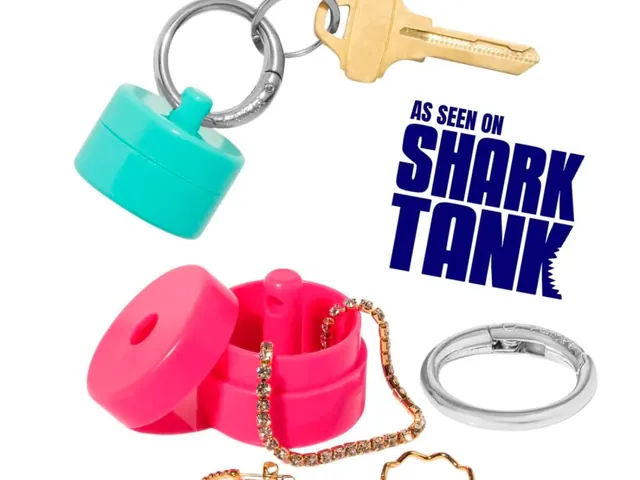
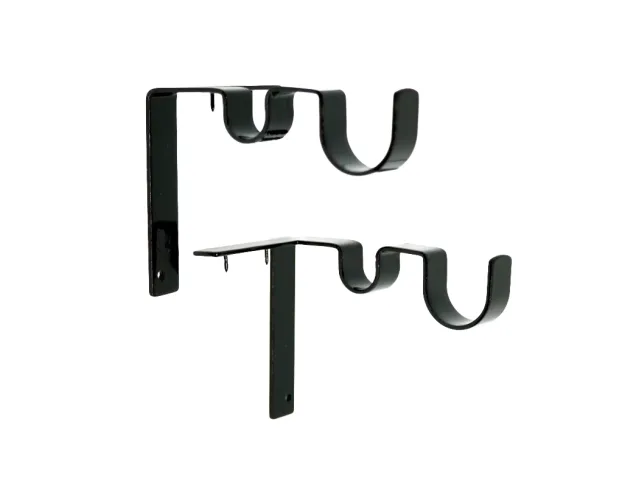
- Lion Latch (Season 13), a portable jewelry box, and Lifter Hamper (Season 4), a laundry hamper with a lifting mechanism, did not get deals but are listed as active. Kwik-Hang (Season 9), tool-free curtain rod brackets, also left without a deal. A product can keep selling even when investors are unsure of its scale.
Startup costs breakdown
Typical estimates for a molded plastic or fabric organization product made by a contract manufacturer.
| Item | Typical estimate |
|---|---|
| Design and prototypes | $1,000-$8,000 |
| Molds, tooling or sewing patterns | $1,000-$25,000 |
| First production run | $5,000-$25,000 |
| Packaging and inserts | $1,000-$5,000 |
| Freight, warehousing and fulfillment setup | $1,000-$6,000 |
| Patent or design protection and trademark | $1,000-$10,000 |
| Photography, video and launch ads | $2,000-$10,000 |
Step-by-step: how to launch an organization product
- Pick a specific space and problem. Pantries, closets, lockers, garages, dorms, cars, kids' rooms and collections each have distinct needs.
- Study how people actually store things. Ask friends to show you their messiest drawer or closet, and watch organizing videos for recurring complaints.
- Prototype and test at home. Live with the product for a few weeks and give samples to people with different homes.
- Design for shipping. Flat-pack, nesting or collapsible designs reduce freight and storage costs.
- Check product safety rules. Items for children's rooms, products with magnets or small parts, and furniture-like storage that could tip over may have specific safety requirements. Check with a testing lab or regulatory expert.
- Protect your design. Consider design or utility patents and register your trademark.
- Manufacture a small first run. Inspect samples for durability and finish.
- Launch with before-and-after content. Organizing transformations are among the most shareable content online.
How to make money
As typical estimates, an organization product may cost $1 to $8 to produce and sell for $15 to $45, with multi-packs and systems carrying higher price points. Amazon and direct-to-consumer sales provide higher margins but require advertising; retail adds volume at lower margins.
Systems are powerful: when customers buy one piece and then add more, average order value grows. Consider starter kits, expansion packs, matching labels and seasonal storage collections.
Selling on Amazon and social media
For many organization products, Amazon is the first major sales channel because shoppers search for specific solutions there, like "hat organizer" or "locker shelf." Strong listings use clear photos of the product in use, dimensions shown in context, and short videos that show how quickly it installs or folds. Keyword research helps you understand exactly how customers describe the problem you solve, and that language should appear in your titles and bullet points.
Social media works best when you show transformations. Partner with home organizers, small creators and parenting or dorm-life accounts who can show your product solving a real mess. Encourage customers to share their own before-and-after photos, and repost them. User-generated content is often more persuasive than polished advertising, and it costs far less to produce. Seasonal moments, such as January resolutions, spring cleaning and back-to-school season, are natural times to concentrate marketing spending.
Thinking in systems, not single products
Some of the most successful organization brands sell a modular system rather than a single item. Customers start small, see the difference and come back for more pieces as they tackle new spaces. If you design with expansion in mind, using consistent sizes, colors and connectors, every happy customer becomes a source of repeat sales. Systems also look impressive on retail shelves and in social media content, which can help you win both buyers and shoppers.
Questions the Sharks would ask you
- What specific problem do you solve that cheap bins do not?
- What does it cost to make and ship, especially if it is bulky?
- Do customers buy more than one?
- Is it patented, and how easy is it to copy?
- Which retailers have shown interest?
Red flags that sink pitches in this category
- Generic storage. If it looks like something at a dollar store, it will be priced like one.
- High shipping costs. Bulky products can lose money on every online order.
- Too narrow a market. A clever solution for a rare problem limits sales.
- No repeat or add-on potential. One-time purchases need very broad appeal.
The bottom line
A home organization product wins by solving a specific clutter problem better than a generic bin ever could. Pick one space, design for easy shipping and expansion, show the transformation visually, and build a system customers want to keep adding to.
Frequently asked questions
How much does it cost to launch a home organization product?
Typical estimates range from about $10,000 for a simple product made from existing materials to $75,000 or more for products needing custom molds, hardware or furniture-grade materials. Bulky products also cost more to ship and store, which affects the budget.
Are home organization products profitable?
They can be, especially products that sell in multi-packs or as systems where customers buy add-ons. Bulky items carry higher shipping and storage costs, so compact, flat-packed or nesting designs often have better margins.
Where do organization products sell best?
Amazon, home stores, big-box retailers, container and storage specialty stores, and social media are common channels. Products with clear before-and-after visuals tend to perform well online.
Can I start a professional organizing service instead?
Yes. A professional organizing service requires little capital and can be started locally. Some organizers later create their own product lines based on problems they see in clients' homes, which gives them built-in customers and credibility.
Every pitch, deal and Shark mentioned here is checked against our database of 1,533 Shark Tank pitches. Cost ranges are typical estimates, not quotes. This is general education, not financial, legal or investment advice. Editorial policy · Suggest a correction
More business ideas
See all →


How to Start a Candle and Home Fragrance Business: Lessons From 7 Shark Tank Pitches
Candles are one of the most popular home-based businesses because they are affordable to make and…


How to Invent and Sell a Cleaning Product: Lessons From 12 Shark Tank Pitches
Cleaning products are among the most successful inventions ever pitched on Shark Tank, because…


How to Start a Furniture Business: Lessons From 9 Shark Tank Pitches
Direct-to-consumer furniture lets a small brand reach shoppers without a showroom, but freight…
How to Start a Smart Home Gadget Business: Lessons From 12 Shark Tank Pitches
Smart home devices promise convenience, safety and savings, but hardware is hard.


How to Start an Eco-Friendly Products Business: Lessons From 12 Shark Tank Pitches
Shoppers want to cut waste without giving up convenience, and reusable or plastic-free products…

How to Invent and Sell a Kitchen Gadget: Lessons From 11 Shark Tank Pitches
Kitchen gadgets are a favorite on Shark Tank because a great one solves a frustration every home…



How to Get on Shark Tank: The Application and Casting Process
Shark Tank casts entrepreneurs through an online application on ABC's site and in-person open…
Shark Tank Episode Guide: Is It Still On, When It Airs & Where to Watch (2026)
Shark Tank is in its 18th season on ABC, taping in Atlanta with Kendra Scott and Rashaun Williams…


How to Pitch Like a Shark Tank Winner
Successful Shark Tank pitches follow a recognizable structure: a clear ask, a relatable problem…