At a glance
- 💰 Startup cost
- $75K-$500K+
- 📈 Difficulty
- Hard
- ⏱️ Time to launch
- 12-24 months
- 📊 Typical margins
- Medium (30-50% gross on hardware; higher on subscriptions)
- 🎯 Best for
- Engineers and technical founders with hardware experience, patience and access to funding
Real Shark Tank pitches in this space
Swipe →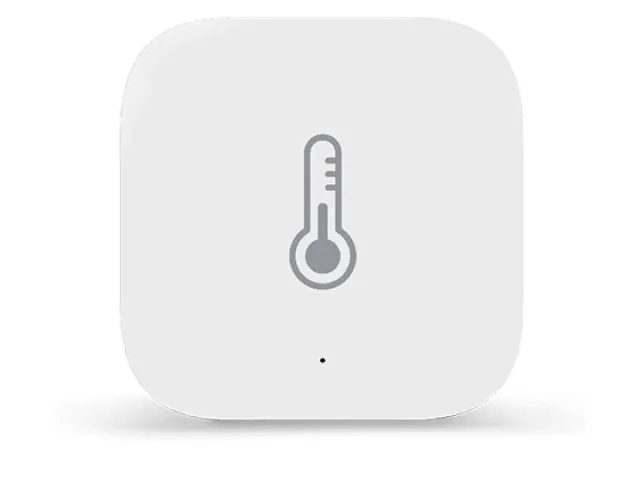 Deal
Keen Home
Season 6 · Robert Herjavec
Deal
iLumi
Season 5 · Mark Cuban
 Deal
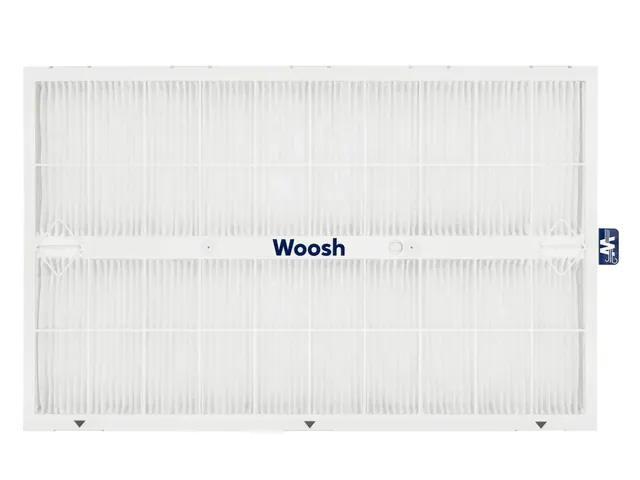
Woosh
Season 14 · Kevin O'Leary
Deal
Toor
Season 8 · Barbara Corcoran
 No deal
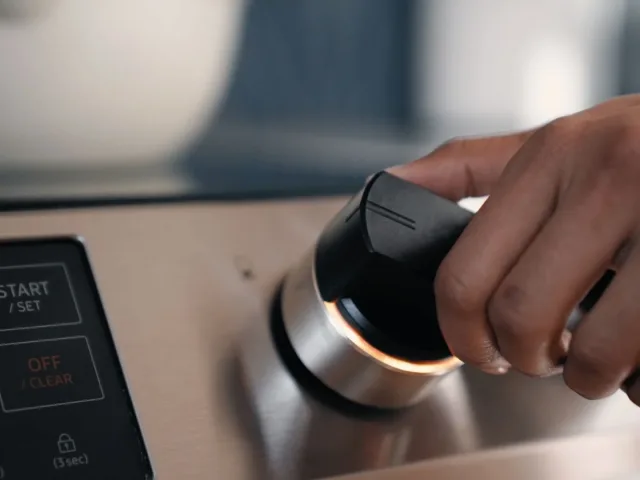
Inirv
Season 9
 Deal
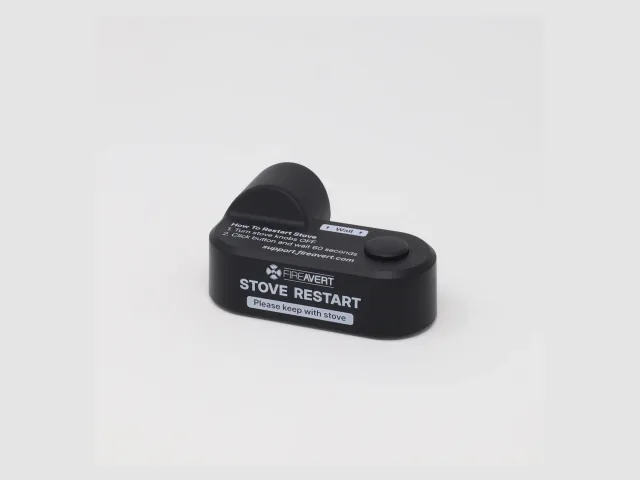
Fire Avert
Season 7 · Lori Greiner
 No deal
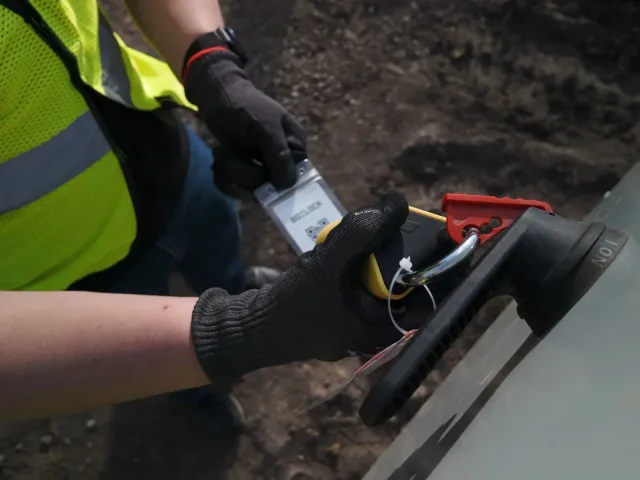
BoxLock
Season 10
 Deal
Rocco
Season 16 · Lori Greiner
 Deal
Flora
Season 15 · Lori Greiner
 Deal
UniKey Technologies
Season 3 · Mark Cuban
Deal
Geek My Tree
Season 7 · Kevin O'Leary
Why a smart home gadget works now
Many households now own at least one connected device: a video doorbell, smart bulbs, a thermostat or a voice assistant. Common smart home standards and cheaper components have lowered some barriers, and consumers increasingly expect their homes to be safer, more efficient and controllable from a phone.
Hardware remains one of the hardest consumer businesses. Development is expensive, certification takes time, inventory ties up cash and software must be maintained for years. The opportunity is real, but founders should go in with eyes open.
What Shark Tank pitches teach us
Smart home pitches in our database include one of the most discussed "no deal" outcomes in the show's history:
- DoorBot (Season 5) pitched a Wi-Fi video doorbell and did not get a deal. It is listed as acquired. The lesson: a "no" in the Tank is not a verdict on the idea, and products that solve everyday security problems can become very large.
- Keen Home (Season 6) makes smart vents that open and close automatically and got a deal with Robert Herjavec; it is listed as active. Energy savings and comfort are tangible benefits.
- Woosh (Season 14) pairs HVAC air filters with smart tracking that reminds customers when to replace them and got a deal with Kevin O'Leary. Connecting a consumable to a smart reminder creates recurring revenue.
- UniKey Technologies (Season 3), keyless entry technology for smartphones and fobs, got a deal with Mark Cuban and Kevin O'Leary. Licensing technology to lock manufacturers is an alternative to selling hardware directly.
- iLumi (Season 5), smartphone-controlled LED bulbs, got a deal with Mark Cuban, and Geek My Tree (Season 7), app-controlled holiday lights, got a deal with Kevin O'Leary.
- Toor (Season 8), an app-connected lockbox for keyless access, got a deal with Barbara Corcoran and Kevin O'Leary, and Fire Avert (Season 7), which cuts power to an electric stove when a smoke alarm sounds, got a deal with Lori Greiner. Safety use cases resonate strongly.
- Rocco (Season 16), a smart beverage fridge, and Flora (Season 15), a smart plant monitor, both got deals with Lori Greiner and are listed as active.
- Inirv (Season 9), smart stove knobs, and BoxLock (Season 10), a smart padlock for deliveries, did not get deals. Strong ideas still face questions about cost, competition and installation.
Startup costs breakdown
Typical estimates for a simple connected device with a companion app.
| Item | Typical estimate |
|---|---|
| Industrial design and mechanical engineering | $10,000-$60,000 |
| Electronics design, firmware and prototypes | $20,000-$120,000 |
| Mobile app and cloud backend | $20,000-$150,000 |
| Certifications (radio, electrical safety, platform) | $10,000-$50,000 |
| Tooling and manufacturing setup | $15,000-$100,000 |
| First inventory run | $25,000-$150,000 |
| Packaging, fulfillment and support systems | $5,000-$25,000 |
| Patents and legal | $5,000-$30,000 |
Step-by-step: how to build a smart home gadget
- Start with the problem, not the technology. Safety, savings, convenience and peace of mind are the main reasons people buy smart devices.
- Check what already exists. Large companies sell many smart home devices. Find the gap they ignore.
- Build a proof of concept. Development boards and off-the-shelf modules let you test cheaply before custom electronics.
- Decide on platforms. Supporting widely used smart home standards and voice assistants can reduce friction for buyers.
- Plan for security and privacy. Connected devices handle personal data and network access. Build in encryption, secure updates and a clear privacy policy.
- Get certified. Radio and electrical safety certifications are typically required before selling. Budget time for testing and possible redesigns.
- Pilot with real users. Run a beta program to catch installation and connectivity problems.
- Consider pre-orders. Crowdfunding or pre-orders can validate demand and fund the first production run, but deliver on time and communicate honestly.
- Scale manufacturing carefully. Start with modest runs and fix issues before large orders.
How to make money
Smart home hardware often targets a retail price three to four times the landed product cost, as a typical estimate, to cover retailer margins, returns and support. A device that costs $25 to build might retail for $80 to $100. Margins on hardware alone can be modest after marketing and returns.
Recurring revenue is where many smart home businesses become valuable: replacement filters, monitoring services, cloud video storage, premium app features or professional installation. Licensing technology to manufacturers is another route, as UniKey's approach shows.
Choosing your go-to-market path
Smart home founders usually choose among three routes. Selling direct to consumers online gives you higher margins and customer data, but you must pay to acquire every buyer. Selling through retailers and online marketplaces provides reach and credibility, though retailers expect healthy margins, marketing support and generous return policies. Partnering or licensing with manufacturers, builders, property managers or utility companies can deliver volume without consumer marketing costs, but deals can take a long time to negotiate.
Many startups begin direct to prove demand and refine the product, then add retail once reviews and return rates look healthy. Business customers, such as rental property managers or home builders, can be particularly attractive for security, access and energy products because a single contract may cover hundreds of units. Whichever path you choose, track installation success and support requests closely; they are early warning signs of problems that can sink retail relationships.
Planning for support and updates
Unlike most consumer products, a smart device is never truly finished. Phones and routers change, apps need updates, and security vulnerabilities must be patched. Budget for ongoing software maintenance and customer support from the beginning. Clear setup instructions, quick-start videos and responsive help can dramatically reduce returns and negative reviews, which are often caused by installation frustration rather than product defects.
Questions the Sharks would ask you
- What does the device cost to build, and what is your retail price?
- Is there recurring revenue, and how many customers pay for it?
- How will you compete with large technology companies?
- What happens to customers if your company or servers go away?
- What is your return rate, and why do people return it?
Red flags that sink pitches in this category
- Underestimating development time and cost. Hardware delays are common.
- Weak security. Privacy problems can destroy trust instantly.
- Hardware-only economics. Without recurring revenue, margins can be thin.
- A feature, not a product. If a large platform can add your feature in an update, your business is at risk.
The bottom line
Smart home gadgets can grow into big businesses, but they demand capital, technical skill and patience. Solve a real household problem, build security in from day one, plan for years of software support and look for recurring revenue that rewards customers for staying.
Frequently asked questions
How much does it cost to develop a smart home device?
Typical estimates start around $75,000 for a simple connected device and frequently exceed $500,000 for products with custom electronics, firmware, mobile apps, cloud services and certifications. Prototyping, engineering, tooling, regulatory testing and initial inventory are the major costs.
What certifications does a smart home device need?
Connected devices commonly need radio frequency emissions certification (such as FCC authorization in the US), electrical safety certification for products that plug into the wall, and sometimes certification for specific wireless standards or smart home platforms. Requirements vary by country and product type.
Can a smart home device make money from subscriptions?
Yes. Many smart home companies combine hardware sales with recurring revenue from cloud storage, monitoring, replacement filters or premium app features. Subscriptions can improve long-term profitability but must deliver real value to keep customers paying.
Should a small startup build its own app?
Many do, but integrating with existing platforms like major voice assistants or smart home standards can reduce costs and make the product more appealing. Some startups begin with a simple app and expand features over time based on customer feedback.
Every pitch, deal and Shark mentioned here is checked against our database of 1,533 Shark Tank pitches. Cost ranges are typical estimates, not quotes. This is general education, not financial, legal or investment advice. Editorial policy · Suggest a correction
More business ideas
See all →

How to Start a Furniture Business: Lessons From 9 Shark Tank Pitches
Direct-to-consumer furniture lets a small brand reach shoppers without a showroom, but freight…


How to Start a Bedding and Sleep Products Business: Lessons From 11 Shark Tank Pitches
Better sleep is something nearly everyone wants, which makes bedding and sleep products a large…
How to Start a Car Accessories Business: Lessons From 12 Shark Tank Pitches
Drivers spend hours a week in their cars and will pay for anything that makes them cleaner…

How to Start a Home Organization Product Business: Lessons From 10 Shark Tank Pitches
Clutter is a universal problem, and smart storage products can turn it into a business.

How to Start an Eco-Friendly Products Business: Lessons From 12 Shark Tank Pitches
Shoppers want to cut waste without giving up convenience, and reusable or plastic-free products…

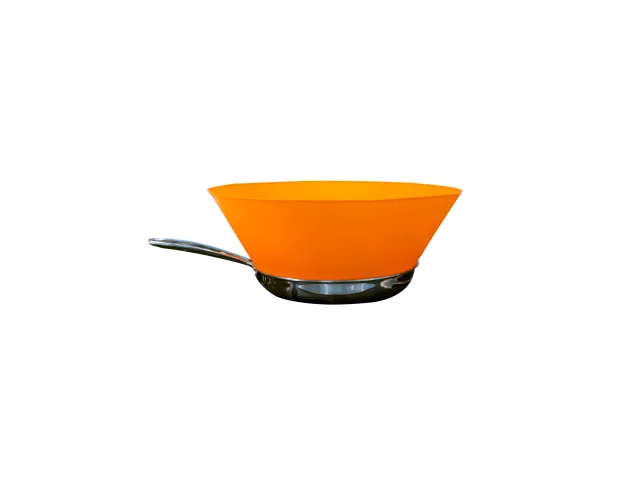
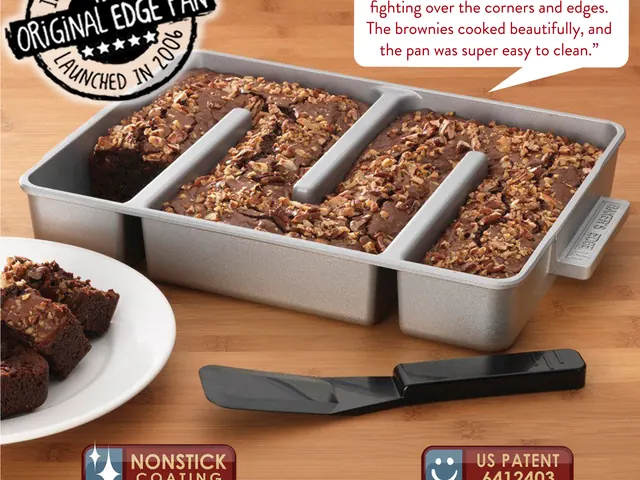
How to Invent and Sell a Kitchen Gadget: Lessons From 11 Shark Tank Pitches
Kitchen gadgets are a favorite on Shark Tank because a great one solves a frustration every home…


Common Shark Tank Pitch Mistakes That Kill Deals
About four in ten Shark Tank pitches in our database ended without a deal on air.

Licensing vs. Building a Brand: Lessons From Shark Tank
Inventors on Shark Tank face a fundamental choice: license the idea to a company that already has…




Which Shark Should You Pitch? Each Shark's Investing Style
Each Shark brings a different background, investing style and set of favorite categories.