

At a glance
- 💰 Startup cost
- $2K-$50K
- 📈 Difficulty
- Moderate
- ⏱️ Time to launch
- 1-3 months
- 📊 Typical margins
- Medium (roughly 40-60% gross per job, before overhead)
- 🎯 Best for
- Organized, hands-on founders who like managing people and want steady local demand
Real Shark Tank pitches in this space
Swipe →Why a home services business works now
Home services are one of the most dependable small business categories because the work cannot be shipped from overseas or replaced by an app. People move, clean out garages, need a lawn cut and want a mattress hauled away whether the economy is hot or cool. Busy households and aging homeowners are also more willing than ever to pay someone else for chores they used to do themselves, and online booking tools make it easy for a one-truck operation to look professional from day one.
The category is broad: junk removal, moving and packing, house cleaning, organizing, lawn care, handyman work and specialty cleaning all follow a similar playbook. You sell time and reliability, win customers locally and grow by adding crews rather than inventory.
What Shark Tank pitches teach us
Service businesses are harder to pitch on television than a gadget, and our database shows that the Sharks have been selective:
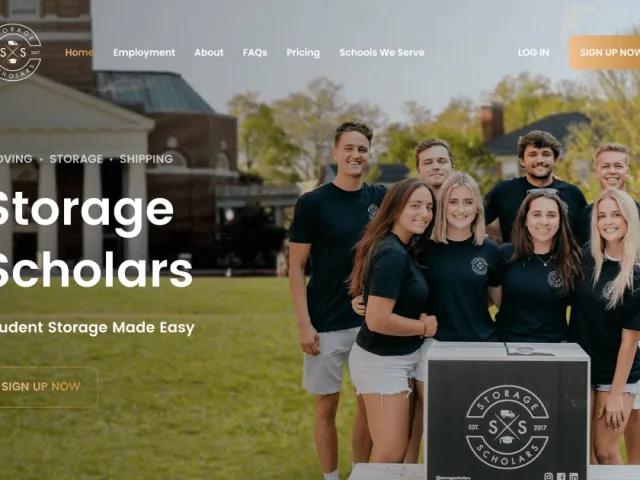
- Storage Scholars (Season 14) moves and stores belongings for college students between terms and closed a deal with Mark Cuban. Serving a predictable, seasonal crunch on a specific customer group made the demand easy to understand.
- Hidrent (Season 13) connects homeowners with firefighters who do handyman and home improvement projects on their days off, and got a deal with Lori Greiner and Robert Herjavec. A trusted labor pool is a real point of difference in a category where customers worry about who is coming into their home.
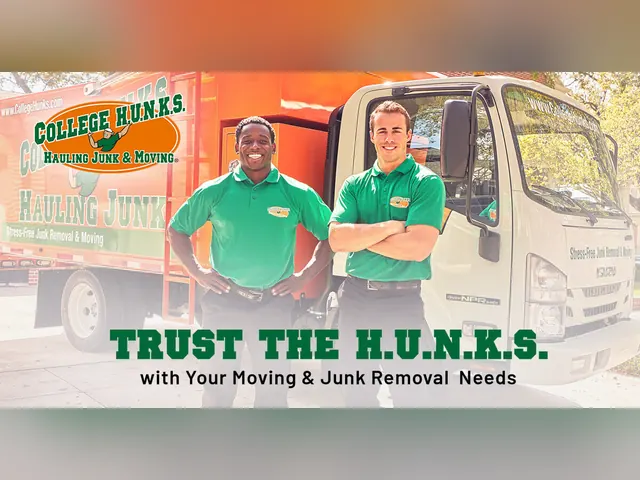
- College Foxes Packing Boxes (Season 1) offered moving and packing help staffed by college students and did not get a deal, yet it is listed as still active. A local service can keep running for years without outside investment.
- Major Mom (Season 7) is a professional organizing service for homes, garages and offices, and left without a deal. Organizing is valuable to customers, but investors often question how a founder-led service scales beyond one market.
- Clean Sleep (Season 7) cleans and sanitizes mattresses and bedding and did not get a deal. A narrow specialty can stand out, but it must be something customers already know they need.
- Ecomowers (Season 2) pitched quieter, environmentally friendly lawn mowing and Robin (Season 9) pitched robotic lawn mowing as a service. Neither got a deal, a reminder that a green or high-tech angle still has to show strong unit economics.
- Nerdit Now (Season 11) repairs phones, computers and other electronics and also left without a deal, showing that repair services face the same scaling questions as cleaning and hauling.
Startup costs breakdown
The figures below are typical estimates for a small US launch. Junk removal and moving cost the most because of the truck; cleaning and organizing can start with very little.
| Item | Typical estimate |
|---|---|
| Business registration, local licenses and permits | $100-$1,000 |
| General liability insurance (plus workers' comp once you hire) | $800-$4,000 per year |
| Used truck, van or trailer (or lease deposit) | $0-$35,000 |
| Commercial auto insurance | $1,500-$5,000 per year |
| Equipment and supplies (dollies, pads, cleaning gear, mowers) | $500-$6,000 |
| Booking, scheduling and payment software | $0-$300 per month |
| Website, logo, uniforms and vehicle graphics | $500-$4,000 |
| Local advertising and launch marketing | $500-$5,000 |
Step-by-step: how to start a home services business
- Choose one service and one area. Pick a service you can deliver well and a radius you can cover without losing half the day to driving. You can add services later.
- Check licensing and insurance rules. Most cities and counties require a business license. Some trades, such as larger handyman or contracting jobs, require a state license, and interstate moving in the US generally requires federal registration. Junk haulers must follow local disposal and recycling rules. Confirm the requirements with your state and local agencies before taking paid work.
- Get insured and consider bonding. Customers and property managers often ask for proof of liability coverage, and bonding can reassure people letting you into their homes.
- Price from your costs, not your competitors. Add up labor, fuel, dump fees, supplies and insurance per job, then set a minimum charge so small jobs still pay.
- Set up booking and payments. Online quotes, text reminders and card payments reduce no-shows and make a small company feel established.
- Build local visibility. Claim your map and review profiles, put your name on the truck and ask every happy customer for a review.
- Hire and train carefully. Background checks, clear checklists and a simple quality inspection protect your reputation as you add crews.
- Add recurring work. Weekly cleaning, seasonal lawn contracts and property manager accounts smooth out cash flow.
How to make money
Revenue comes from labor plus any fees you can pass through. As an estimate, residential cleaning often bills around $40 to $80 per labor hour, junk removal is usually priced by the share of a truck filled (for example, a few hundred dollars for a partial load), and local moves are commonly billed per crew hour. After labor, fuel and disposal, gross margins on a well-run job can land in the 40 to 60 percent range, but overhead such as insurance, vehicles, marketing and office time takes a significant share.
The most profitable operators reduce the cost of finding each job. Repeat customers, referrals, real estate agents, property managers and senior living communities supply steady work without paying for every lead. Add-ons such as packing materials, donation drop-offs, deep cleans and storage can lift the value of each visit.
Owner-operator, franchise or platform?
Home services founders usually pick one of three paths, and each has trade-offs:
- Owner-operator. You do the work at first, keep the most margin and learn the job deeply. Growth is limited by how many crews you can recruit and manage.
- Franchise. Buying into an established brand provides systems, marketing and name recognition in exchange for upfront fees and ongoing royalties. Read the disclosure documents and talk to current owners before signing.
- Platform or marketplace. Like Hidrent, you match customers with a vetted labor pool. This can scale faster, but you must solve trust, quality control and worker classification questions.
Whichever path you choose, the operating basics are the same: show up on time, communicate clearly, leave the home cleaner than you found it and fix problems quickly.
Questions the Sharks would ask you
- What does one job cost you, and what do you charge for it?
- How much do you spend to win a new customer, and how many come back?
- How much of the revenue depends on you personally doing the work?
- Can this model be repeated in another city without you there?
- How do you recruit, vet and keep good workers?
- What insurance and licenses do you carry?
Red flags that sink pitches in this category
- A business that is really a job. If revenue stops when the founder stops working, investors see limited value.
- No path beyond one market. Local success needs a believable plan to repeat it elsewhere.
- Underpriced jobs. Winning work by being cheapest leaves no room for insurance, vehicle repairs or growth.
- Weak hiring and quality systems. One bad crew can undo years of reviews.
- Technology for its own sake. A robot or app has to lower costs or raise prices, not just sound modern.
The bottom line
A home services business rewards reliability more than invention. Start with one service in one area, price every job to cover your true costs, collect reviews relentlessly and build recurring accounts. Once the systems run without you on every job, you have a business that can grow, whether through more crews, new territories or a franchise model.
Frequently asked questions
How much does it cost to start a home services business?
A cleaning or organizing business can start for roughly $2,000 to $5,000 covering licenses, insurance, supplies, software and a basic website. Junk removal and moving usually require a truck or trailer, which can push startup costs to about $20,000 to $50,000 depending on whether you buy, lease or finance used equipment. These are typical estimates and vary by region.
Is a junk removal or cleaning business profitable?
It can be. Labor-based jobs often produce gross margins of roughly 40 to 60 percent after wages, fuel and disposal fees. Net profit depends on keeping trucks and crews busy, controlling marketing costs and building repeat or referral business so you are not paying for every new customer.
Do I need a license to start a home services business?
Usually you need at least a local business license, and some services require more. Handyman and contracting work may need a state contractor license above certain job sizes, interstate moving generally requires federal registration in the US, and junk haulers must follow local disposal rules. Liability insurance is strongly recommended and often required by customers. Check with your state and local agencies.
How do I get my first home services customers?
Most new operators start with friends, neighbors and local online groups, then claim free map and review listings so nearby customers can find them. Partnerships with real estate agents, property managers and senior living communities can supply steady referrals. Asking every satisfied customer for a review is one of the cheapest ways to grow.
Every pitch, deal and Shark mentioned here is checked against our database of 1,533 Shark Tank pitches. Cost ranges are typical estimates, not quotes. This is general education, not financial, legal or investment advice. Editorial policy · Suggest a correction
More business ideas
See all →



How to Start a Franchise Business: Lessons From 9 Shark Tank Pitches
Franchising lets a proven concept grow with other people's capital and effort, but it only works…




How to Start a Wedding Business: Lessons From 12 Shark Tank Pitches
Couples spend heavily on one day, and event hosts need help with everything from photos to…


How to Start a Pet Services Business: Lessons From 8 Shark Tank Pitches
Grooming, daycare, training and specialty pet services turn love of animals into recurring local…



How to Invent and Sell a Cleaning Product: Lessons From 12 Shark Tank Pitches
Cleaning products are among the most successful inventions ever pitched on Shark Tank, because…




How to Start a Pet Treat Business: Lessons From 12 Shark Tank Pitches
Dog owners will pay up for treats they trust, but pet food is a regulated, crowded shelf.




How to Start a Swimwear Brand: Lessons From 9 Shark Tank Pitches
Swimwear is emotional, seasonal and high-margin, and fit is everything.




Licensing vs. Building a Brand: Lessons From Shark Tank
Inventors on Shark Tank face a fundamental choice: license the idea to a company that already has…



The Questions Sharks Always Ask (and How to Answer Them)
Almost every Shark Tank pitch is decided in the question-and-answer round, not the opening speech.




Know Your Numbers: The Metrics Sharks Grill Founders On
Sharks judge a business by a handful of numbers: sales, margins, landed cost, customer acquisition…