At a glance
- 💰 Startup cost
- $2K-$60K
- 📈 Difficulty
- Moderate
- ⏱️ Time to launch
- 1-6 months
- 📊 Typical margins
- Medium-High (30-60% before owner pay, typical estimate)
- 🎯 Best for
- Organized, calm people who enjoy celebrations, customers and weekend work
Real Shark Tank pitches in this space
Swipe → Deal
Paparazzi Proposals
Season 5 · Lori Greiner
Deal
Honeyfund
Season 6 · Kevin O'Leary
Deal
Bridal Buddy
Season 8 · Lori Greiner
 Deal
Fairy Tail
Season 15 · Barbara Corcoran
 Deal
Wedding Weekender
Season 18 · Kevin O'Leary
 Deal
Cabana Boys Events
Season 17 · Kendra Scott
 Deal
Mirmir
Season 9 · Robert Herjavec
 No deal
Original Runner Company
Season 2
No deal
Wedding Wagon
Season 6
 No deal
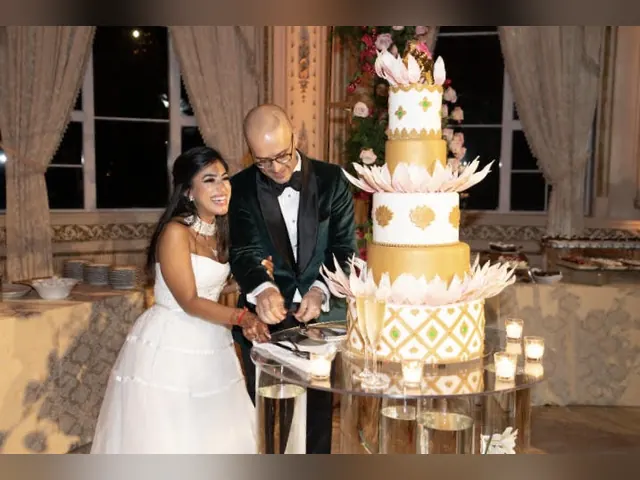
FunCakes Rental
Season 6
 No deal
The Yes Girls
Season 17
Why a wedding business works now
Weddings and celebrations bring together a rare mix: emotional stakes, a fixed date and a budget that people have saved for. Couples, families and party hosts hire outside help for nearly every part of the day, from proposals and planning to photos, rentals, entertainment and the honeymoon. Many of these services can start small, with one person, a vehicle and a good portfolio, and grow through referrals from venues, planners and past clients.
The trade-offs are seasonality, weekend work and high expectations. A wedding cannot be rescheduled because your supplier is late, and one bad review can follow you for years. The businesses that last pick a clear niche, run tight logistics and protect themselves with good contracts.
What Shark Tank pitches teach us
Wedding and event pitches show up often on Shark Tank, and the ones that win usually own a specific moment of the day or a clever twist on a familiar service.
- Pink Shutter Photo Booths (Season 4) rents photo booths for weddings, parties and corporate events and got a deal with Barbara Corcoran. Mirmir (Season 9), a maker of portable photo booths for events, got a deal with Robert Herjavec. Lesson: rental equipment that guests enjoy is easy to sell to both couples and companies.
- Paparazzi Proposals (Season 5) provides hidden photographers and planning help for marriage proposals, and got a deal with Lori Greiner and Kevin O'Leary. Lesson: the moments before the wedding are a market too.
- Honeyfund (Season 6), an online honeymoon registry, got a deal with Kevin O'Leary and is listed as active. Lesson: a software or platform model can scale far beyond a local service.
- Bridal Buddy (Season 8), a slip that gathers a gown so a bride can use the restroom on her own, got a deal with Lori Greiner and Kevin O'Leary. A small product solving a specific wedding-day problem can stand out.
- Fairy Tail (Season 15), pet attendants for weddings, got a deal with Barbara Corcoran. Wedding Weekender (Season 18), which ships camcorders to guests and edits their footage into a wedding video, got a deal with Kevin O'Leary. Cabana Boys Events (Season 17), a bachelorette party hosting and bartending service, got a deal with guest Shark Kendra Scott. All three are listed as active.
- Several wedding businesses left without deals and are still listed as active: Original Runner Company (custom aisle runners), Wedding Wagon (mobile ceremony setups), FunCakes Rental (faux display wedding cakes) and The Yes Girls (proposal and elopement planning).
The pattern: a niche with a memorable hook gets attention, but investors want to know whether the business can grow beyond the founder's own weekends.
Startup costs breakdown
Typical estimates for a small wedding or event service. Equipment-heavy businesses such as photo booths or rentals sit at the high end.
| Item | Lean start | Funded start |
|---|---|---|
| Core equipment (camera, booth, decor or rental inventory) | $1,000-$5,000 | $10,000-$35,000 |
| Vehicle, trailer or transport | $0 (use your own) | $5,000-$15,000 |
| Business registration, permits and contracts template | $200-$1,000 | $1,000-$3,000 |
| General liability insurance (first year) | $400-$1,500 | $1,500-$4,000 |
| Website, portfolio photos and booking software | $300-$1,500 | $2,000-$6,000 |
| Bridal shows and venue marketing | $0-$1,500 | $2,000-$8,000 |
| Styled shoots and samples | $100-$1,000 | $1,000-$4,000 |
Many planners and coordinators start for a few thousand dollars, while equipment and rental businesses more often need $20,000 or more.
Niche ideas worth exploring
- Before the wedding: proposal planning, engagement shoots, bachelor and bachelorette experiences.
- Guest experience: photo and video booths, lawn games, mobile bars, late-night food.
- Rentals: decor, signage, lounge furniture, aisle runners and display cakes.
- Day-of help: coordination, pet attendants, childcare and transportation.
- Digital: registries, planning tools, livestreaming and guest video collection.
Step-by-step: how to start
- Pick one niche and one region. Being the go-to proposal planner or photo booth in one metro area beats offering everything everywhere.
- Check local rules. Register your business and check city or county licensing. Serving alcohol usually requires specific licensing or working under a licensed caterer or venue, and some venues have their own vendor rules and insurance requirements.
- Write solid contracts. Spell out deliverables, deposits, payment schedule, cancellation and rescheduling terms, overtime and liability limits. Have a local attorney review your template.
- Build a portfolio. Styled shoots, discounted early events and work for friends give you photos and testimonials.
- Get insured. Many venues require vendors to carry general liability coverage and to name the venue as additionally insured.
- Build referral relationships. Venues, planners, photographers and florists send the most reliable leads in this industry.
- Systemize logistics. Checklists, timelines, backup equipment and clear communication with couples prevent most day-of problems.
- Plan for the off-season. Corporate events, holiday parties and birthdays can fill slow months.
How to make money
Most wedding services sell packages rather than hourly rates. A typical structure is a non-refundable deposit to hold the date, with the balance due before the event.
- Packages: good-better-best tiers make decisions easier and raise average order value.
- Add-ons: extra hours, prints, custom signage, rush editing and travel fees.
- Corporate clients: company events often book midweek and pay reliably.
- Multiple teams: hiring and training staff lets you cover several events on the same Saturday, which is the main path to scale.
Watch your calendar math. Peak weekends are limited, so your price per event has to cover the quiet months too.
Questions the Sharks would ask you
- How many events did you book last year, and at what average price?
- What percentage of bookings come from referrals versus ads?
- Can the business run an event without you there?
- What do you do in the off-season?
- What does it cost you to deliver one event, including staff and travel?
- How would you expand to a second city?
Red flags that sink pitches in this category
- Founder as the product: a business that cannot work unless the owner is personally at every event.
- Seasonal cash crunch: no plan to cover expenses in slow months.
- Weak contracts: unclear cancellation and refund terms that lead to disputes.
- Underpricing: rates that ignore setup, travel, editing and admin time.
- Easy to copy: a generic service with no niche, brand or relationships.
- Local only: no credible path to more cities, teams or online revenue.
Choose a moment you can own, deliver it flawlessly, and let happy couples and venue partners do your marketing.
Frequently asked questions
How much does it cost to start a wedding business?
As a typical estimate, a wedding planning or coordination business can start for $2,000-$8,000, covering registration, insurance, a website and marketing. Equipment-based services such as photo booths, rentals or mobile bars commonly need $15,000-$60,000.
Do I need a license to start a wedding business?
Most businesses need a general business license or registration. Some services need more: serving alcohol usually requires specific licensing or working under a licensed caterer or venue, and food or transportation services have their own permits. Check your city, county and state rules.
What is the most profitable wedding business?
It depends on your market and skills, but planning, photography and equipment rentals are popular because they can command premium packages. Rentals can be reused many times, and businesses that train multiple teams can serve several events on the same day.
How do wedding businesses get clients?
Most rely on referrals from venues, planners and other vendors, plus reviews, Instagram and Pinterest portfolios, wedding listing sites and bridal shows. Strong reviews and vendor relationships typically matter more than paid ads.
Every pitch, deal and Shark mentioned here is checked against our database of 1,533 Shark Tank pitches. Cost ranges are typical estimates, not quotes. This is general education, not financial, legal or investment advice. Editorial policy · Suggest a correction
More business ideas
See all →



How to Start a Franchise Business: Lessons From 9 Shark Tank Pitches
Franchising lets a proven concept grow with other people's capital and effort, but it only works…

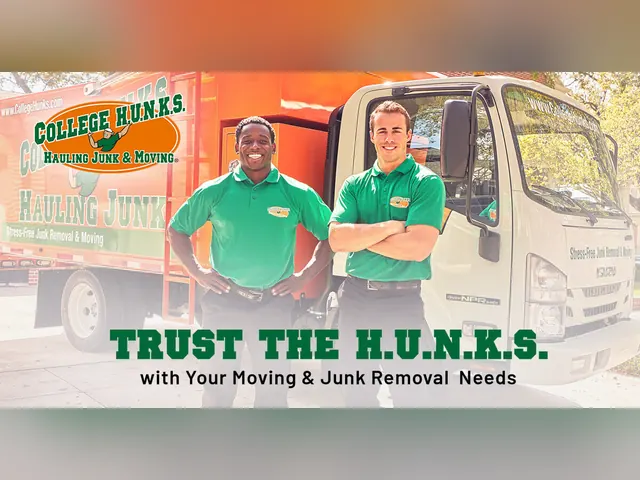

How to Start a Home Services Business: Lessons From 8 Shark Tank Pitches
Junk removal, moving, cleaning and lawn care are steady, local businesses you can start with…



How to Start a Pet Services Business: Lessons From 8 Shark Tank Pitches
Grooming, daycare, training and specialty pet services turn love of animals into recurring local…




How to Start an Ice Cream or Frozen Dessert Brand: Lessons From 10 Shark Tank Pitches
Frozen desserts are a joyful business with a hard logistics problem: everything has to stay frozen.



How to Start an Educational Toy Business: Lessons From 11 Shark Tank Pitches
Building sets, coding kits and hands-on learning toys have earned several Shark Tank deals.



How to Start a Furniture Business: Lessons From 9 Shark Tank Pitches
Direct-to-consumer furniture lets a small brand reach shoppers without a showroom, but freight…




Licensing vs. Building a Brand: Lessons From Shark Tank
Inventors on Shark Tank face a fundamental choice: license the idea to a company that already has…




How to Value Your Startup Before You Ask for Money
Before you ask anyone for money, you need a defensible valuation. This guide walks through four…



Bootstrapping Lessons From Shark Tank Founders
Many founders arrive at the Tank after building their businesses with their own savings and early…