At a glance
- 💰 Startup cost
- $10K-$60K
- 📈 Difficulty
- Hard
- ⏱️ Time to launch
- 6-12 months
- 📊 Typical margins
- High (60-75% gross DTC, typical estimate)
- 🎯 Best for
- Designers who obsess over fit and can plan inventory around a short selling season
Real Shark Tank pitches in this space
Swipe → Deal
SwimZip
Season 5 · Lori Greiner
 Deal
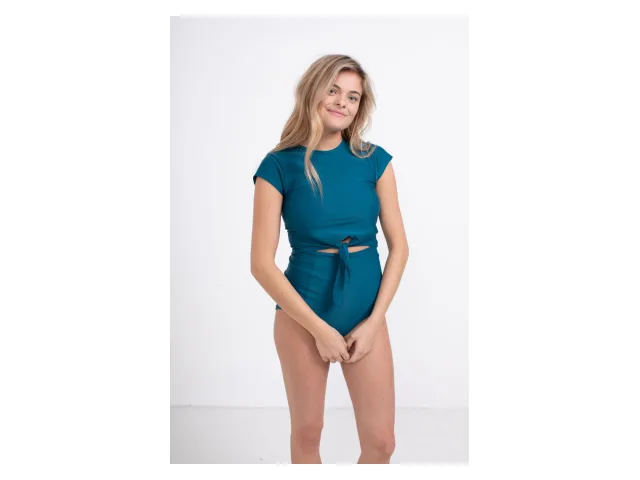
Raising Wild
Season 8 · Barbara Corcoran
Deal
Byoot Company
Season 12 · Kendra Scott
 Deal
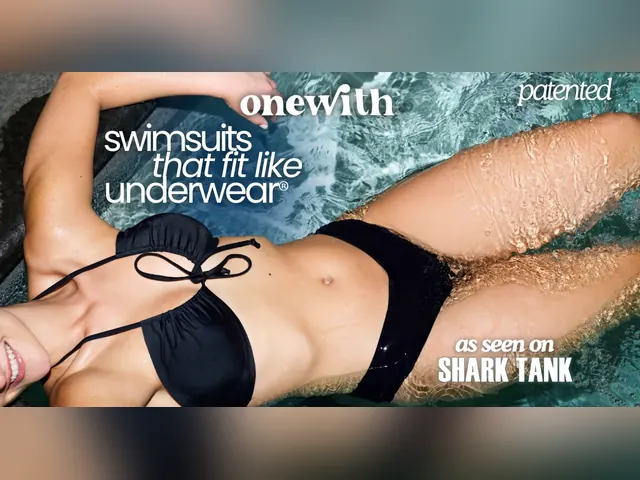
Onewith
Season 16 · Barbara Corcoran
 No deal
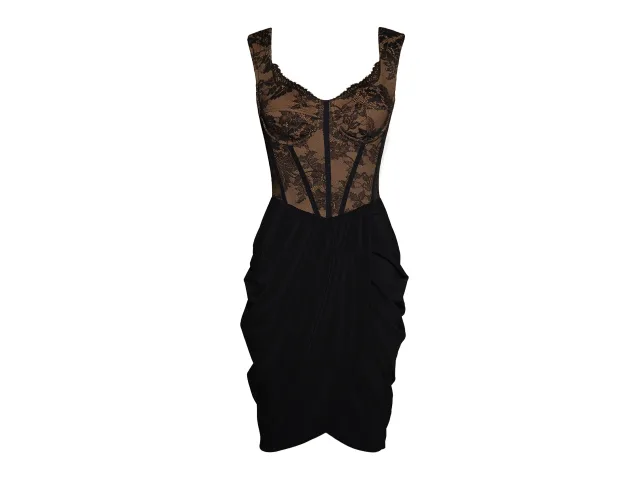
TA3 Swimwear
Season 13
 No deal
Moonies
Season 16
 No deal
Bermies
Season 9
 No deal
TUTUblue
Season 7
Why a swimwear brand works now
Few purchases are as personal as a swimsuit. Shoppers often feel that mainstream suits do not fit their bodies, their style or their comfort needs. That frustration is an opportunity. Brands that solve a real fit or function problem, such as mix-and-match sizing, sun protection, easy changing or seamless comfort, can earn loyal customers who come back every season.
Swimwear is also visual and social. Beach trips, vacations and pool parties create natural moments for photos and sharing, and creators can show fit on real bodies in a way that builds trust quickly.
The hard part is the calendar. Most sales happen in a few months, while design and production start nearly a year earlier. Getting inventory wrong can tie up cash for an entire year.
What Shark Tank pitches teach us
- Mix Bikini (Season 3), mix-and-match tops and bottoms, got a deal with Barbara Corcoran. Lesson: separates solve the common problem of different sizes on top and bottom.
- SwimZip (Season 5), sun-protective kids' swimwear with front zippers, got a deal with Lori Greiner and is listed as active. Lesson: function (sun protection and easy changing) gives parents a practical reason to buy.
- Onewith (Season 16), seamless swimwear, got a deal with Barbara Corcoran and guest Shark Jamie Lima, and is listed as active. Byoot Company (Season 12), button-up swimwear for women, got a deal with guest Shark Kendra Scott.
- Raising Wild (Season 8), stylish coordinated swimwear, got a deal with Barbara Corcoran.
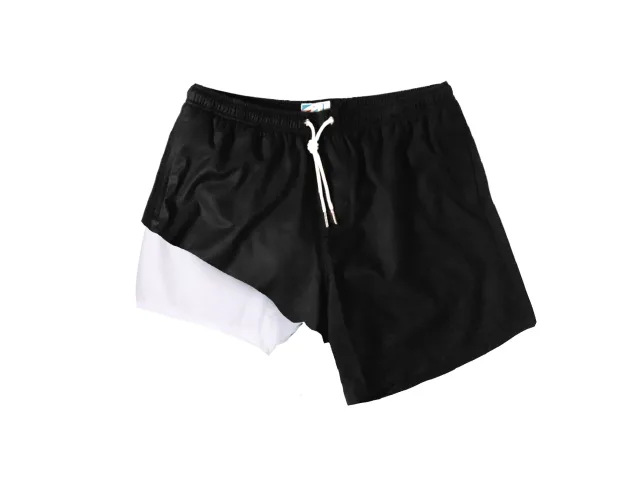
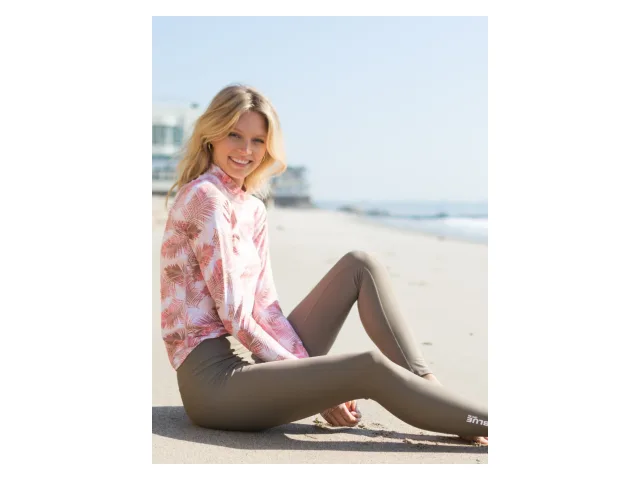
- TA3 Swimwear (shaping suits), Moonies (bold men's prints), Bermies (men's trunks, including matching father-son styles) and TUTUblue (full-coverage sun-protective suits) left without deals. Moonies is listed as active.
Pattern: deals went to brands with a specific fit or function innovation, while print-led brands had a harder time convincing the Sharks.
Startup costs breakdown
Typical estimates for a small first collection:
| Item | Lean start | Funded start |
|---|---|---|
| Design, patterns and grading | $1,500-$5,000 | $6,000-$15,000 |
| Samples and fit sessions | $1,000-$4,000 | $5,000-$10,000 |
| Fabric and first production run | $5,000-$15,000 | $20,000-$40,000 |
| Labels, hang tags, hygienic liners and packaging | $500-$1,500 | $2,000-$5,000 |
| Photo shoot and website | $1,500-$5,000 | $6,000-$15,000 |
| Launch marketing and creator seeding | $1,000-$5,000 | $8,000-$20,000 |
Swimwear typically needs many sizes per style, so inventory costs rise quickly. Start with fewer styles in more sizes rather than many styles in few sizes.
Step-by-step: how to start
- Define the fit problem you solve. Larger busts, long torsos, mastectomy-friendly designs, modest coverage, kids' sun protection or men's fit. Fit is your product.
- Choose performance fabrics. Chlorine resistance, UV protection, stretch recovery and lining quality all matter. Ask mills for test data.
- Develop patterns with an experienced swim patternmaker. Swimwear is technical, and small changes affect fit dramatically.
- Fit-test on real bodies. Test every size, not just the sample size, and test in water.
- Find a swim-specialist factory. Ask about minimums per style and color, lead times and quality control. Many factories need orders placed months ahead of summer.
- Meet labeling and safety rules. Textile labels typically need fiber content, country of origin and care instructions. If you make UPF claims or children's products, testing and safety rules apply. Check requirements for each market.
- Launch before the season peaks. Pre-orders in late winter and early spring help fund production and test demand.
- Plan the off-season. Resort and vacation shoppers, Southern Hemisphere markets and warm-climate customers can keep sales going year-round.
Managing seasonality and inventory
Inventory is the number one reason small swimwear brands run out of cash. A few habits help:
- Keep a core collection. Year-round best sellers in classic colors carry over from season to season without markdowns.
- Use small seasonal capsules. New prints and colors in limited quantities create excitement without big bets.
- Use pre-orders. They help you size production runs and generate cash before you pay the factory in full.
- Watch size-level sell-through. Reorder the sizes that sell fastest and adjust future size curves.
- Plan for clearance. Set aside a strategy for end-of-season inventory, such as outlet events or bundles, rather than deep discounts that train customers to wait.
How to make money
Many swim brands aim for retail prices four to six times their landed cost per piece. A suit that costs $18 to make might retail for $80-$110, as a rough estimate.
- Direct to consumer: best margins, but returns are a cost to plan for. Clear size guides and fit quizzes reduce them.
- Boutiques and resort shops: wholesale at about half of retail, often placed many months ahead.
- Online marketplaces: broad reach, but heavy competition and returns.
- Accessories: cover-ups, rash guards, bags and hats raise order value.
Returns deserve a line in your budget. Swimwear return rates can be high because fit is so personal, and many retailers and brands require hygienic liners to be intact for a return. Write a clear return policy, inspect returned items carefully and track the reasons customers give, because those reasons are free product research for your next collection.
Marketing a swimwear brand
Swimsuit shopping can be stressful, so marketing that builds confidence tends to outperform marketing that only looks glamorous.
- Show every size on real bodies. Customers want to see someone like them wearing the suit before they buy.
- Invest in a great size guide. Measurements, fit notes and comparisons with well-known brands reduce returns.
- Use creators who match your customer. Parents, swimmers, travelers and plus-size creators each reach different buyers.
- Time content to the calendar. Spring break, Memorial Day, summer vacations and winter getaways each drive search spikes.
- Encourage reviews with photos. Honest fit feedback from past buyers is one of the strongest sales tools in this category.
Questions the Sharks would ask you
- What fit problem does your brand solve that others do not?
- What is your landed cost per suit and your retail price?
- What is your return rate?
- How much unsold inventory did you have at the end of last season?
- How do you make money in the off-season?
Red flags that sink pitches in this category
- Prints without a fit story: pretty patterns are easy to copy.
- Too many styles and sizes: cash trapped in slow inventory.
- High return rates: often a sign of unclear sizing.
- Seasonal cash crunches: no plan for the months with little revenue.
- Unsupported sun-protection claims: UPF needs testing to back it up.
Lead with fit, keep inventory disciplined and plan your cash around the calendar, and a swimwear brand can grow season after season.
Frequently asked questions
How much does it cost to start a swimwear line?
As a typical estimate, a small first collection can launch for $10,000-$25,000, covering patterns, samples, a modest production run and a website. Larger collections with more sizes and paid marketing often require $40,000-$60,000.
What are typical swimwear manufacturing minimums?
Minimums vary by factory, but many swimwear manufacturers require a set number of units per style and color, often in the low hundreds. Some smaller factories offer lower minimums at higher unit prices.
Is a swimwear business profitable?
It can be, because markups are high and loyal customers return each season. Profitability depends on managing inventory, returns and marketing costs, especially given the short selling season.
How do I choose fabric for swimwear?
Look for fabrics with good stretch recovery, chlorine and saltwater resistance and appropriate UV protection. Ask mills for test data and wear-test samples in real conditions before committing.
Every pitch, deal and Shark mentioned here is checked against our database of 1,533 Shark Tank pitches. Cost ranges are typical estimates, not quotes. This is general education, not financial, legal or investment advice. Editorial policy · Suggest a correction
More business ideas
See all →

How to Start a Haircare Brand: Lessons From 11 Shark Tank Pitches
Haircare rewards founders who serve a specific hair type or need better than the giants do.
How to Start a Jewelry Brand: Lessons From 9 Shark Tank Pitches
Jewelry can be started at a kitchen table and still grow into a national brand.


How to Start a Sneaker & Footwear Brand: Lessons From 12 Shark Tank Pitches
Footwear is one of the hardest fashion categories to launch, with high minimums and endless sizes…


How to Start a Men's Grooming Brand: Lessons From 12 Shark Tank Pitches
Men are buying more grooming products than ever, but they want simple, effective and unembarrassing.


How to Start a Skincare Brand: Lessons From 11 Shark Tank Pitches
Skincare buyers are loyal, curious and willing to pay for results, but the market is crowded and…

How to Start a Sock & Apparel Brand: Lessons From 11 Shark Tank Pitches
Socks and basics are small, giftable and bought again and again, which is why so many apparel…

Shark Tank Deal Terms Glossary
A plain-English glossary of the deal terms you hear on Shark Tank, from equity and valuation to…

Licensing vs. Building a Brand: Lessons From Shark Tank
Inventors on Shark Tank face a fundamental choice: license the idea to a company that already has…


Shark Tank Royalty Deals Explained
A royalty deal pays the investor a fixed amount or percentage on every unit sold, often until they…