At a glance
Real Shark Tank pitches in this guide
Swipe →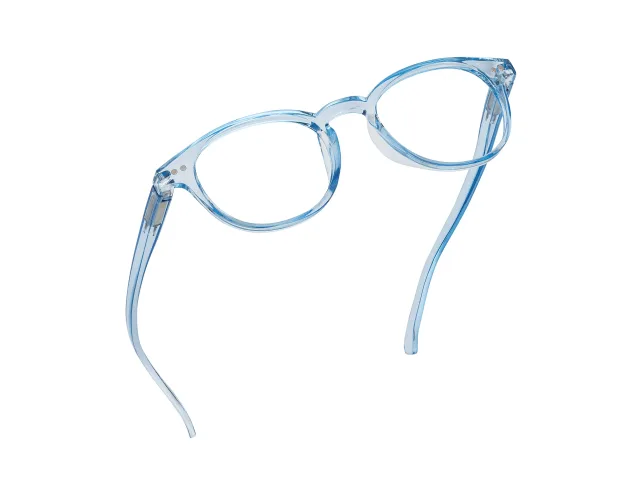 Deal
ReadeRest SpecSecure
Season 3 · Lori Greiner
 Deal
Bag Bowl
Season 4 · Lori Greiner
Deal
The Measuring Shovel
Season 11 · Lori Greiner
 Deal
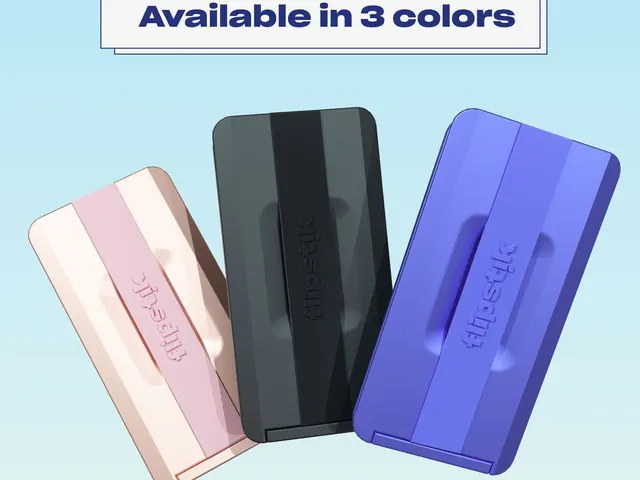
Flipstik
Season 12 · Lori Greiner
 Deal
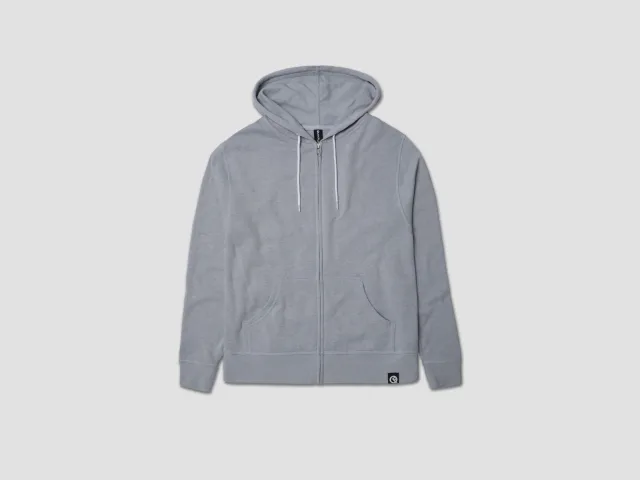
Quickflip
Season 10 · Lori Greiner
Deal
Bombas
Season 6 · Daymond John
 Deal
Tipsy Elves
Season 5 · Robert Herjavec
 Deal
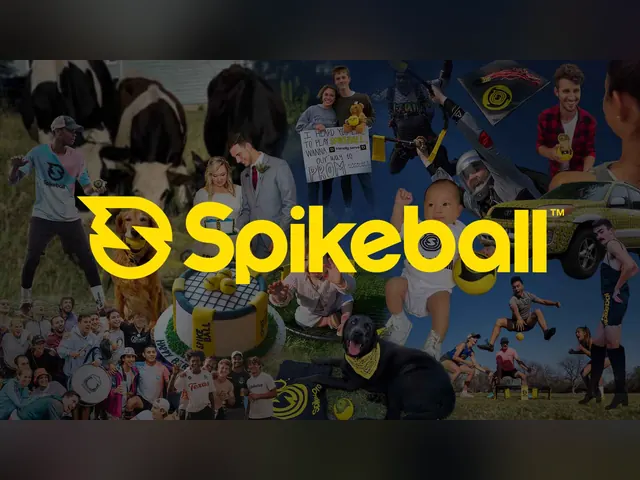
Spikeball
Season 6 · Daymond John
 Deal
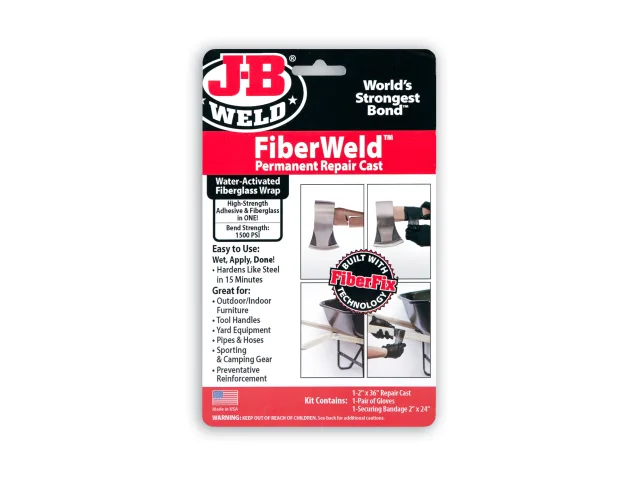
FiberFix
Season 5 · Lori Greiner
Many people who pitch on Shark Tank are inventors at heart. They spotted a problem, designed a solution and built a prototype. Then they face a decision that shapes everything that follows: should they license the invention to a company that already makes and sells similar products, or build a brand and sell it themselves? The Sharks often push founders on this question directly, and the right answer depends on the product, the market and the founder's goals.
This is general education, not legal or financial advice. Licensing agreements and intellectual property are complex; consult a qualified attorney before signing anything.
What licensing means
In a licensing deal, the inventor (the licensor) grants another company (the licensee) the right to make and sell the product. In exchange, the licensee pays the inventor a royalty, usually a percentage of sales, and sometimes an upfront payment or guaranteed minimum.
The licensee handles manufacturing, distribution, marketing, retail relationships and customer service. The inventor typically focuses on protecting the intellectual property and, often, inventing the next product.
What building a brand means
Building a brand means the founder owns the whole business: sourcing, manufacturing, inventory, marketing, sales channels, customer service and hiring. The founder captures all of the profit, but also carries all of the cost and risk.
The trade-offs side by side
| Factor | Licensing | Building a brand |
|---|---|---|
| Capital needed | Low; licensee funds production | High; inventory, marketing, staff |
| Speed to market | Can be fast if licensee has distribution | Often slower, built channel by channel |
| Share of revenue | Small (royalty percentage) | All of it, minus costs |
| Control | Limited; licensee makes key decisions | Full control |
| Risk | Lower financial risk | Higher financial and operational risk |
| Intellectual property | Critical; usually needed to license | Helpful; brand can also protect |
| Exit value | Royalty stream | A company that can be sold |
| Daily work | Inventing, negotiating, monitoring | Running a company |
The math: royalty vs. margin
Here's a hypothetical comparison for a kitchen gadget with a $20 retail price.
Licensing path
- Licensee sells to retailers at a $10 wholesale price.
- Licensee sells 200,000 units a year, or $2,000,000 in wholesale sales.
- Royalty of 5% of wholesale sales = $100,000 a year to the inventor.
- Inventor's costs: mainly legal and patent maintenance.
Brand path
- Founder sells 40,000 units in year one: 25,000 wholesale at $10 and 15,000 direct at $20, for $550,000 in revenue.
- Landed cost of $4 per unit = $160,000.
- Marketing, fulfillment, staff and overhead = $300,000.
- Profit before taxes = $90,000, with far more work and risk, but the founder owns a growing company and all its upside.
The numbers are similar in year one, but the shapes differ. Licensing income depends entirely on the licensee's effort and can disappear if they drop the product. Brand income depends on the founder's execution but builds an asset that can grow and be sold. If the brand reaches $3 million in sales with a 15% profit margin, it earns $450,000 a year and has meaningful sale value.
When licensing tends to make sense
- A single, clever product rather than a product line or lifestyle brand.
- A category dominated by established companies that control retail shelf space.
- Strong intellectual property, ideally an issued patent, so a licensee pays rather than copies.
- An inventor who enjoys inventing more than managing operations and people.
- Limited capital and no desire to raise outside money.
When building a brand tends to make sense
- A product that can expand into a line under one identity.
- A strong story or community that customers buy into.
- Direct-to-consumer economics that work, with healthy repeat purchases.
- A founder who wants to build and run a company and can raise or earn the capital to grow.
Shark Tank examples
Single-product inventions
Many inventions on the show are focused solutions to a specific annoyance. Lori Greiner, widely known for her retail and TV shopping expertise, has backed many of them; lifestyle and home is her largest category in our data, with 64 on-air deals. Examples include ReadeRest (Season 3), a magnetic eyeglass holder; Bag Bowl (Season 4), which holds a snack bag open like a bowl; FiberFix (Season 5), a hardening repair wrap; The Measuring Shovel (Season 11, with Kevin O'Leary), a shovel marked with depth measurements; Flipstik (Season 12), a suction phone mount; and Quickflip (Season 10), a hoodie that converts into a backpack.
Products like these often hinge on whether the invention can be protected and whether it can reach large retailers or TV shopping audiences quickly. Our database records which Sharks invested, not whether a deal involved licensing, so watch each episode for details.
Brands built around identity and community
Other businesses are clearly brands: they sell a point of view as much as a product. Bombas (Season 6 deal with Daymond John) built a sock and basics brand around comfort and a giving model. Tipsy Elves (Season 5 deal with Robert Herjavec) built a humorous holiday apparel brand. Spikeball (Season 6 deal with Daymond John) built a game around a community of players. These businesses gain value from loyal customers and recognizable identity, something a royalty stream can't replicate.
Hybrid paths
The choice isn't always either-or:
- Build first, license later: prove demand with your own sales, then license to a larger company with proof in hand, often on better terms.
- License some channels or territories: sell direct in the US but license international rights.
- Brand licensing: an established brand licenses its name for related products made by others.
- An investor with licensing connections: some Sharks are widely known for licensing expertise, such as Daymond John in apparel and branding.
Protecting the idea either way
Whichever path you choose, intellectual property strategy matters. A utility patent protects how something works; a design patent protects how it looks; a trademark protects a brand name or logo. A provisional patent application can establish an early filing date while you test the market, but it expires unless a full application follows. Licensees will scrutinize your IP closely, and investors backing a brand will ask what stops competitors from copying you. Sharks frequently probe this point on air, and vague answers about "patent pending" status rarely satisfy them. Work with a registered patent attorney or agent to understand what your filings actually cover.
Brands have an extra layer of protection that pure inventions lack: customer loyalty. A trusted name, strong reviews and a community of repeat buyers can be hard for a copycat to replicate, even when the product itself is easy to imitate.
Questions to ask yourself
- Is this one product, or the start of a product line?
- How strong is my intellectual property, and is it issued or pending?
- Who controls the shelf space in this category?
- Do I want to run a company with employees, inventory and customers?
- How much capital can I access, and how much risk can I take?
- What would a licensee pay, and what could I earn by selling myself?
Licensing terms to understand
- Royalty rate and base: percentage of wholesale, net or retail sales.
- Advance: upfront payment, sometimes credited against future royalties.
- Minimum guarantees: annual minimum payments to keep the license.
- Exclusivity and territory: who else can sell it, and where.
- Term and termination: how long it lasts and how rights return to you.
- Audit rights: your ability to verify reported sales.
For royalty math from the investor side, read Shark Tank royalty deals explained, and for definitions, see the deal terms glossary. If you're still deciding what to build, explore our business ideas.
Frequently asked questions
What is a licensing deal on Shark Tank?
A licensing deal lets another company manufacture and sell a product in exchange for paying the inventor a royalty, usually a percentage of sales. Some Sharks pursue licensing for inventions that fit established brands.
Is it better to license an invention or build a brand?
It depends. Licensing needs less capital and risk but pays a small share of revenue. Building a brand needs more money and work but captures more profit and creates a company that can be sold.
What royalty rate do inventors get from licensing?
Rates vary widely by industry and negotiating position, and are often a single-digit percentage of wholesale or net sales. Advances and minimum guarantees also matter.
Do you need a patent to license a product?
It isn't always required, but strong intellectual property such as an issued patent makes it far more likely a company will pay to license rather than develop a similar product itself.
Every pitch, deal and Shark mentioned here is checked against our database of 1,533 Shark Tank pitches. Cost ranges are typical estimates, not quotes. This is general education, not financial, legal or investment advice. Editorial policy · Suggest a correction
Keep learning
See all →
Know Your Numbers: The Metrics Sharks Grill Founders On
Sharks judge a business by a handful of numbers: sales, margins, landed cost, customer acquisition…
Bootstrapping Lessons From Shark Tank Founders
Many founders arrive at the Tank after building their businesses with their own savings and early…

What "No Deal" Success Stories Teach Founders
Leaving the Tank without a deal is not the end of the story. In our database, no-deal businesses…
Shark Tank Episode Guide: Is It Still On, When It Airs & Where to Watch (2026)
Shark Tank is in its 18th season on ABC, taping in Atlanta with Kendra Scott and Rashaun Williams…
How Valuation Works on Shark Tank (With Examples)
Every Shark Tank ask contains a valuation: divide the dollars by the equity percentage.

The Questions Sharks Always Ask (and How to Answer Them)
Almost every Shark Tank pitch is decided in the question-and-answer round, not the opening speech.

How to Start a Fitness Equipment Business: Lessons From 12 Shark Tank Pitches
Home workouts have created lasting demand for compact, clever equipment.
How to Start a Skincare Brand: Lessons From 11 Shark Tank Pitches
Skincare buyers are loyal, curious and willing to pay for results, but the market is crowded and…
How to Start a Swimwear Brand: Lessons From 9 Shark Tank Pitches
Swimwear is emotional, seasonal and high-margin, and fit is everything.