At a glance
- 💰 Startup cost
- $5K-$40K
- 📈 Difficulty
- Moderate
- ⏱️ Time to launch
- 3-6 months
- 📊 Typical margins
- Medium-High (40-60% gross, typical estimate)
- 🎯 Best for
- Home bakers, dog lovers and food-industry people willing to learn feed labeling rules
Real Shark Tank pitches in this space
Swipe → Deal
Wild Earth
Season 10 · Mark Cuban
Deal
TurboPUP
Season 6 · Daymond John
Deal
Shake it Pup
Season 11 · Mark Cuban
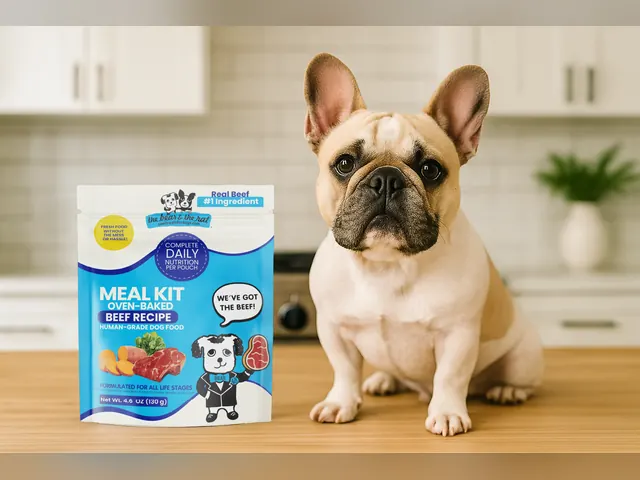 No deal
The Bear & The Rat
Season 4
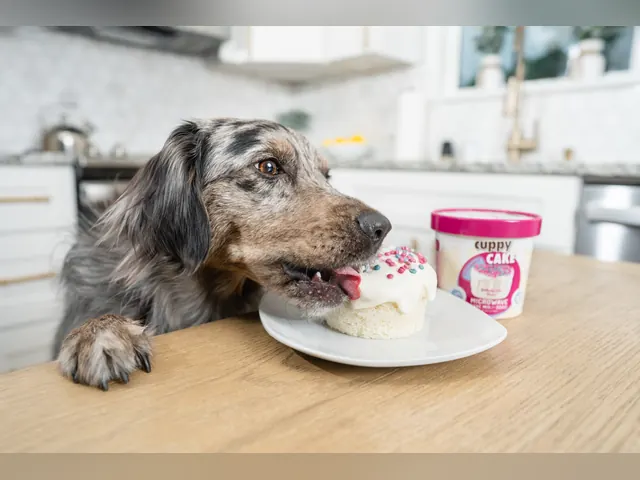 No deal
Puppy Cake
Season 3
 No deal
Himalayan Dog Chew
Season 6
No deal
Jay's Pet Butter
Season 15
 No deal
Dogue
Season 15
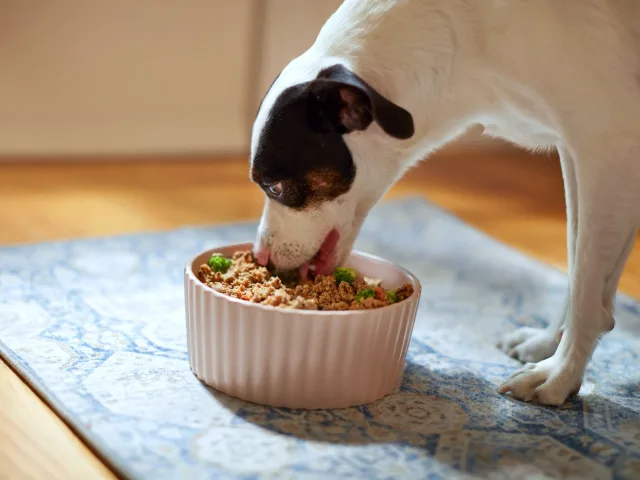 No deal
Pet Plate
Season 8
 No deal
Cornucopia Express
Season 1
Why a pet treat business works now
Many owners now shop for their dogs the way they shop for themselves: reading ingredient panels, avoiding fillers and paying extra for something that feels homemade. Treats are the easiest way into that spending. They are small, giftable, bought often and used up quickly, so a customer who likes your product reorders. You can start in a licensed kitchen with modest equipment, sell at farmers markets and local pet boutiques, and expand to online sales once your recipes, labels and supply are proven.
The catch is competition. Pet aisles are packed, and big brands can outspend you on shelf placement. Small treat makers win with a sharp angle: a single hero ingredient, a functional benefit, a format nobody else does well, or a local story that boutiques want to tell.
What Shark Tank pitches teach us
Pet food and treats show up again and again on Shark Tank, and the results vary a lot.
- Ry's Ruffery (Season 4) sold wholesome, homemade-style dog treats and got a deal with Barbara Corcoran. Lesson: a simple product with a likeable founder story and a clear "real ingredients" promise can win, even in a crowded category.
- Zookies (Season 10) made dog treats with ingredients owners feel good about and got a deal with guest Shark Alli Webb. Lesson: a fun, brandable name helps a commodity product stand out.
- Wild Earth (Season 10) used plant-based and fungi-derived protein in dog food and treats and got a deal with Mark Cuban. Lesson: a genuinely different ingredient story can attract an investor even in a mature market.
- TurboPUP (Season 6) made complete-meal bars for dogs on hikes and trips and got a deal with Daymond John. Lesson: tie the product to a specific use occasion.
- Shake it Pup (Season 11) got a deal with Mark Cuban for a fun way to treat dogs, which shows that novelty and "fun" can sell too.
- Several pet food founders left without a deal and still kept going. The Bear & The Rat (frozen yogurt for dogs), Puppy Cake (cake mixes for dogs), Himalayan Dog Chew (cheese-based chews), Dogue (small-batch raw food) and Cornucopia Express all walked away empty-handed but are listed as active in our database. Jay's Pet Butter and fresh-meal subscription Pet Plate also left without deals.
The pattern: no deal is not a verdict on the business. The Sharks often pass because valuation, margins or scale do not fit their portfolio, while the product still has loyal buyers.
Startup costs breakdown
These are typical estimates for a small treat brand. Your numbers will depend on your state, recipe and sales channels.
| Item | Lean start | Funded start |
|---|---|---|
| Commercial kitchen rental or co-packer samples | $500-$2,000 | $3,000-$10,000 |
| Equipment (dehydrator, mixers, molds, scales) | $500-$2,500 | $5,000-$12,000 |
| Lab testing (nutrition, moisture, shelf life) | $300-$1,500 | $1,500-$5,000 |
| State feed registration and licensing | $100-$1,000 | $1,000-$4,000 (multi-state) |
| Packaging and label design | $500-$2,000 | $3,000-$8,000 |
| First ingredient and packaging inventory | $1,000-$3,000 | $5,000-$15,000 |
| Product liability insurance (first year) | $400-$1,500 | $1,500-$3,000 |
| Website, photos, launch marketing | $500-$2,000 | $3,000-$10,000 |
Most founders land somewhere between $5,000 and $40,000 before they see steady revenue.
Step-by-step: how to start
- Pick a narrow angle. Single-ingredient jerky, training bites, dental chews, frozen treats or a breed-specific line. A focused product is easier to explain and price.
- Learn the rules before you bake. In the US, the FDA regulates pet food, and most states require you to register or license commercial feed, including treats, before selling. Many states base their rules on the AAFCO model regulations, which cover things like the guaranteed analysis, ingredient listing and calorie statements. Requirements vary by state, so contact your state department of agriculture's feed program early.
- Develop and test recipes. Avoid ingredients that are unsafe for dogs, such as xylitol, grapes, raisins, onions and chocolate. Get moisture and shelf-life testing so your product does not mold on a store shelf. Ask a veterinary nutritionist to review any functional claims.
- Choose where to make it. A shared commercial kitchen is the cheapest start. Once volume grows, a pet food co-packer can produce larger runs, usually with minimum order quantities.
- Design compliant packaging. Include the product name, net weight, guaranteed analysis, ingredients in order of weight, your business name and address, and feeding directions. Avoid health claims you cannot support.
- Get insured. Product liability coverage protects you if a dog gets sick and the owner blames your treat.
- Test locally. Farmers markets, dog parks events and independent pet stores give fast feedback on flavor, price and packaging.
- Build a repeat-purchase engine. Subscriptions, bundles and loyalty discounts turn one-time buyers into steady revenue.
How to make money
Treats commonly retail between $8 and $20 per bag, depending on size and ingredients. A healthy small brand typically targets ingredient-plus-packaging costs of 25-40% of the retail price, which leaves room for wholesale.
- Direct to consumer: highest margin, best for subscriptions and bundles, but you pay for ads and shipping.
- Amazon: big reach, but fees and price competition squeeze margins. Check category approval rules first.
- Independent pet boutiques and groomers: they usually buy at around half of retail. Great for credibility and local loyalty.
- Chains and distributors: volume, but they expect promotional spending, slotting and reliable supply.
Watch your unit economics closely. Rising meat and packaging prices can wipe out margin fast, so build price increases into your plan.
Questions the Sharks would ask you
- What does one bag cost you to make, and what do you sell it for wholesale and retail?
- How many customers reorder, and how often?
- Are you registered in every state where you sell?
- Who makes it, and can they handle ten times your current volume?
- Why would a store give you shelf space over a brand it already carries?
- How much did you spend to acquire each online customer?
Red flags that sink pitches in this category
- Thin margins: premium ingredients with a price that cannot cover wholesale and distribution.
- Unsupported health claims: promising cures or medical benefits invites regulatory trouble.
- No repeat data: trial sales at events do not prove ongoing demand.
- Unscalable production: hand-baking every batch in your kitchen limits growth.
- A "me too" product: another peanut butter biscuit without a clear reason to choose it.
- High valuation on low sales: the most common reason a likeable food founder leaves without a deal.
Start with one great product, stay compliant, prove people come back for more, and you will have a business worth growing, whether or not a Shark ever invests.
Frequently asked questions
How much does it cost to start a pet treat business?
As a typical estimate, a small home-scale or shared-kitchen treat business can start for $5,000-$15,000, covering equipment, testing, state registration, packaging, insurance and first inventory. A brand using a co-packer and launching online with marketing often needs $25,000-$40,000 or more.
Do I need a license to sell homemade dog treats?
In most US states, yes. Dog treats are usually treated as commercial feed, which means you may need to register products or obtain a license with your state department of agriculture, follow labeling rules, and sometimes pay inspection fees. Rules vary by state, so check with your state's feed program before selling.
Are dog treats a profitable business?
They can be. Treat makers commonly aim for gross margins of roughly 40-60% when selling direct, with lower margins at wholesale. Profit depends on ingredient costs, packaging, sales channel and how many customers reorder.
Can I sell dog treats on Amazon or Etsy?
Many small brands do, but you still need to follow state feed laws and labeling rules. Marketplaces also have their own policies and fees for pet food, so read their requirements before listing.
Every pitch, deal and Shark mentioned here is checked against our database of 1,533 Shark Tank pitches. Cost ranges are typical estimates, not quotes. This is general education, not financial, legal or investment advice. Editorial policy · Suggest a correction
More business ideas
See all →


How to Start a Pet Services Business: Lessons From 8 Shark Tank Pitches
Grooming, daycare, training and specialty pet services turn love of animals into recurring local…

How to Start a Pet Accessories Business: Lessons From 12 Shark Tank Pitches
Collars, travel gear, cat furniture and dog apparel are some of the most pitched products on Shark…

How to Invent and Sell a Cleaning Product: Lessons From 12 Shark Tank Pitches
Cleaning products are among the most successful inventions ever pitched on Shark Tank, because…
How to Start a Snack Brand: Lessons From 10 Shark Tank Pitches
Snacks are one of the most crowded aisles in the grocery store and one of the most frequently…

How to Start a Candy and Chocolate Business: Lessons From 10 Shark Tank Pitches
Candy is an impulse buy, a gift and a nostalgic treat all at once. Here is how to build a candy or…


How to Start a Golf Products Business: Lessons From 11 Shark Tank Pitches
Golfers spend freely on gear, apparel and anything that might lower their score or make a round…



Licensing vs. Building a Brand: Lessons From Shark Tank
Inventors on Shark Tank face a fundamental choice: license the idea to a company that already has…

Shark Tank Royalty Deals Explained
A royalty deal pays the investor a fixed amount or percentage on every unit sold, often until they…

How to Get on Shark Tank: The Application and Casting Process
Shark Tank casts entrepreneurs through an online application on ABC's site and in-person open…