At a glance
- 💰 Startup cost
- $1K-$30K
- 📈 Difficulty
- Moderate
- ⏱️ Time to launch
- 1-6 months
- 📊 Typical margins
- High (60-80% gross on fashion jewelry, typical estimate)
- 🎯 Best for
- Makers and designers with a distinctive style who enjoy social selling
Real Shark Tank pitches in this space
Swipe →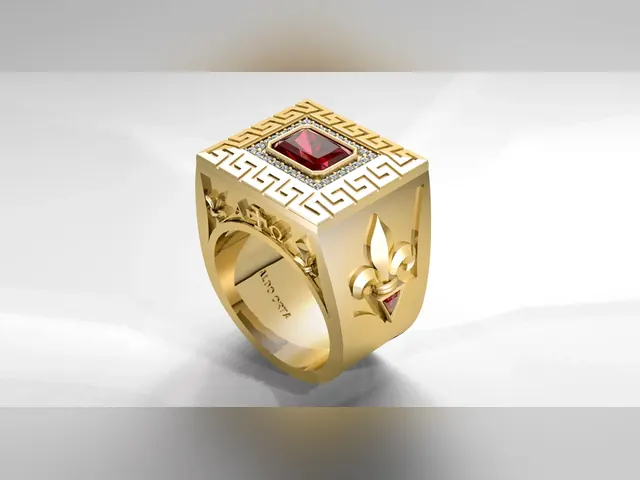 Deal
Aldo Orta Jewelry
Season 2 · Barbara Corcoran
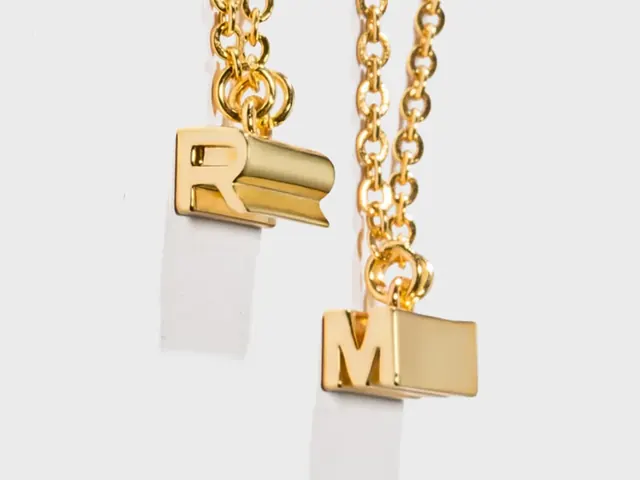 Deal
Stella Valle Jewelry
Season 4 · Mark Cuban
Deal
Rock Bands
Season 4 · Mark Cuban
Deal
M3 Girl Designs
Season 3 · Mark Cuban
Deal
Enso Rings
Season 9 · Robert Herjavec
Deal
Do Amore
Season 13 · Daniel Lubetzky
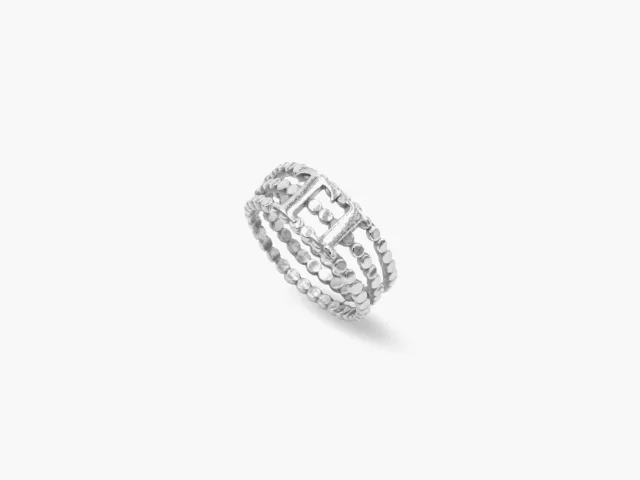 Deal
Tristen Ikaika
Season 13 · Kevin O'Leary
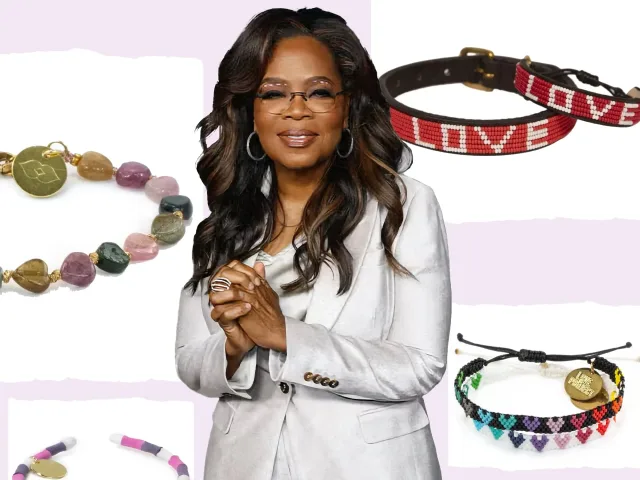 No deal
Love Is Project
Season 12
 No deal
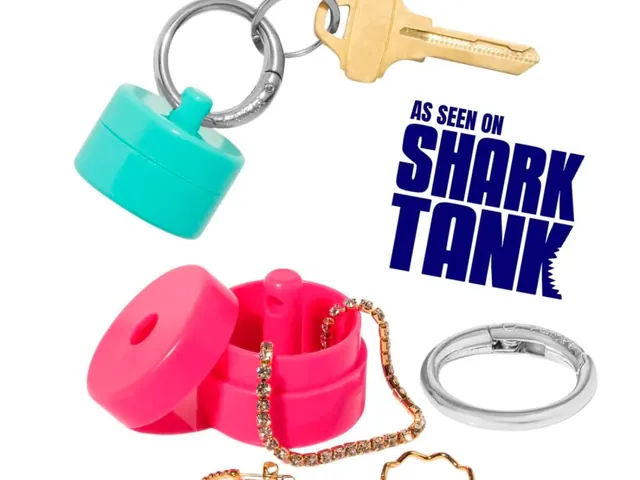
Lion Latch
Season 13
Why a jewelry brand works now
Jewelry is small, high-value and deeply personal. It is one of the most gifted categories, it photographs beautifully for social media, and it is cheap to ship. You can start with a few hundred dollars of supplies and hand tools, test designs at craft fairs or online, and scale into production later. Customers also buy jewelry for meaning: milestones, causes, memories and identity. A brand that captures that meaning can charge far more than the cost of materials.
The challenge is that jewelry is crowded and easy to copy. The brands that last have a recognizable design language, a clear customer and a reason to buy beyond "pretty." That reason might be a cause, a material, a function or a moment in life, such as a graduation, a deployment or a new baby.
What Shark Tank pitches teach us
- Stella Valle (Season 4) built jewelry with meaningful, often military-inspired themes, and got a deal with Mark Cuban and Lori Greiner. It is listed as active. Lesson: emotional meaning drives loyalty and gifting.
- Aldo Orta Jewelry (Season 2), a designer brand for women, got a deal with Barbara Corcoran and is listed as active. Lesson: a designer with a distinct look can win investors over.
- Rock Bands (Season 4), leather bracelets for men and women, got a deal with Mark Cuban and Daymond John. M3 Girl Designs (Season 3), customizable charm jewelry created by a young founder, got a deal with Mark Cuban, Lori Greiner and Robert Herjavec.
- Enso Rings (Season 9), flexible silicone rings for active lifestyles, got a deal with Robert Herjavec. Lesson: solving a practical problem (rings at the gym or on the job) opens a new market.
- Do Amore (Season 13), an online jeweler using ethically sourced and recycled materials, got a deal with Daniel Lubetzky. Tristen Ikaika (Season 13), rings made from spoons and repurposed materials, got a deal with Kevin O'Leary.
- Love Is Project, artisan-made beaded bracelets, and Lion Latch, a portable jewelry organizer, left without deals. Lion Latch is listed as active.
The common thread: every deal had a hook beyond the jewelry itself, whether a mission, a material, a function or a founder story.
Startup costs breakdown
Typical estimates. Costs depend on materials (fashion metals vs. sterling vs. gold) and whether you make pieces yourself.
| Item | Handmade start | Production brand |
|---|---|---|
| Tools and workspace | $300-$2,000 | $1,000-$5,000 |
| Materials or first production run | $500-$3,000 | $5,000-$15,000 |
| Packaging and branded boxes | $200-$800 | $1,000-$3,000 |
| Photography | $100-$1,000 | $2,000-$5,000 |
| Website or marketplace setup | $100-$800 | $1,500-$4,000 |
| Craft fairs, pop-ups and launch marketing | $300-$2,000 | $3,000-$8,000 |
Fine jewelry in gold or with diamonds requires much more capital because the materials themselves are expensive.
Step-by-step: how to start
- Choose your lane. Fashion jewelry, demi-fine, fine jewelry, men's, kids', personalized or cause-driven. Each has different price points and customers.
- Develop a signature. A recognizable shape, material or motif that people associate with your brand.
- Design a small collection. Eight to fifteen pieces that work together are easier to market than fifty random items.
- Source materials responsibly. Use nickel-free or hypoallergenic metals where possible, and be ready to explain where your materials come from.
- Follow labeling and safety rules. Claims like "sterling," "gold-filled" or "solid gold" must be accurate under FTC jewelry guides. Children's jewelry has limits on lead and cadmium, so test anything marketed to kids.
- Price correctly. Build in materials, labor, packaging, fees, overhead and wholesale margin from day one.
- Sell where your customer is. Instagram, TikTok, Etsy, craft fairs, boutiques and your own website.
- Move to production when demand is proven. Casting houses and jewelry manufacturers can produce your best sellers at lower unit cost.
How to make money
A common starting formula for handmade fashion jewelry is to set wholesale at roughly two times your total cost (materials plus labor) and retail at roughly two times wholesale. Fine jewelry markups are usually lower as a percentage because materials are so expensive.
- Direct to consumer: your highest margin. Personalization and engraving add value.
- Wholesale to boutiques: steady orders at about half of retail.
- Consignment: easy to get into stores, but you are paid only when pieces sell.
- Pop-ups and markets: great for testing designs and building a local following.
- Collaborations: limited collections with creators or causes can drive spikes in demand.
Building demand for a jewelry brand
Jewelry is bought with the eyes and the heart, so your marketing should do both jobs.
- Photograph pieces on people. Close-ups on skin, with a familiar object for scale, help buyers judge size and finish. Returns drop when expectations are clear.
- Tell the story behind each collection. Where the idea came from, what the symbol means and who it is for. Meaningful collections are easier to gift and to share.
- Plan around gifting moments. Valentine's Day, Mother's Day, graduations, weddings and the holiday season drive a large share of annual sales. Have gift-ready packaging and clear shipping deadlines.
- Offer personalization carefully. Initials, birthstones and engraved dates raise prices and reduce returns, but they also slow production, so set realistic turnaround times.
- Partner with causes and communities. Military families, survivors' networks, schools and nonprofits can become powerful, loyal audiences when the partnership is genuine.
Keep a simple spreadsheet of which pieces, channels and campaigns bring in sales. Within a few months you will know which designs deserve production runs and which should be retired.
Questions the Sharks would ask you
- What does each piece cost to make, and what is your wholesale and retail price?
- Who is your customer, and how do you reach them for less than they spend?
- What makes your designs recognizable and hard to copy?
- How much of your sales come from repeat customers?
- Can production keep up if a retailer orders thousands of units?
Red flags that sink pitches in this category
- Underpricing: not charging for your labor leaves no room for wholesale.
- No point of view: generic designs compete only on price.
- Founder-made only: if you hand-make every piece, growth stops at your capacity.
- Misleading material claims: mislabeled metals damage trust and invite legal trouble.
- Too many SKUs: excess inventory and confused customers.
Build a recognizable style, price for wholesale from day one and give people a reason to wear your jewelry beyond how it looks.
Frequently asked questions
How much does it cost to start a jewelry business?
As a typical estimate, a handmade fashion jewelry business can start for $1,000-$5,000 for tools, materials, packaging and a simple online shop. A production-based brand with larger inventory and marketing usually needs $15,000-$30,000 or more.
How should I price handmade jewelry?
A common starting formula is materials plus labor times two for wholesale, then wholesale times two for retail. Adjust for your brand positioning, competitors and fees, but make sure your price leaves room for selling to stores.
Is a jewelry business profitable?
It can be. Fashion jewelry often carries high gross margins because materials are inexpensive relative to retail price. Profit depends on marketing costs, how much time each piece takes to make and how often customers return.
Where is the best place to sell jewelry online?
Many new brands start on Etsy or Instagram to test demand, then build their own website for better margins and customer relationships. Craft fairs and boutiques help with local visibility and feedback.
Every pitch, deal and Shark mentioned here is checked against our database of 1,533 Shark Tank pitches. Cost ranges are typical estimates, not quotes. This is general education, not financial, legal or investment advice. Editorial policy · Suggest a correction
More business ideas
See all →
How to Start a Swimwear Brand: Lessons From 9 Shark Tank Pitches
Swimwear is emotional, seasonal and high-margin, and fit is everything.
How to Start a Sneaker & Footwear Brand: Lessons From 12 Shark Tank Pitches
Footwear is one of the hardest fashion categories to launch, with high minimums and endless sizes…
How to Start a Skincare Brand: Lessons From 11 Shark Tank Pitches
Skincare buyers are loyal, curious and willing to pay for results, but the market is crowded and…
How to Start a Sock & Apparel Brand: Lessons From 11 Shark Tank Pitches
Socks and basics are small, giftable and bought again and again, which is why so many apparel…
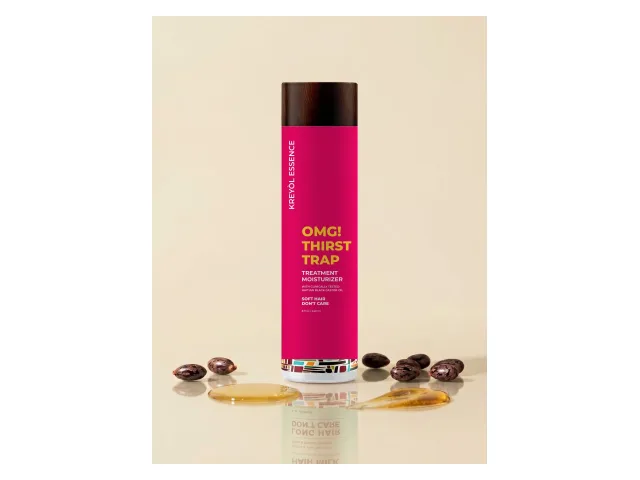
How to Start a Haircare Brand: Lessons From 11 Shark Tank Pitches
Haircare rewards founders who serve a specific hair type or need better than the giants do.
How to Start a Men's Grooming Brand: Lessons From 12 Shark Tank Pitches
Men are buying more grooming products than ever, but they want simple, effective and unembarrassing.
Which Shark Should You Pitch? Each Shark's Investing Style
Each Shark brings a different background, investing style and set of favorite categories.
The Questions Sharks Always Ask (and How to Answer Them)
Almost every Shark Tank pitch is decided in the question-and-answer round, not the opening speech.
How to Pitch Like a Shark Tank Winner
Successful Shark Tank pitches follow a recognizable structure: a clear ask, a relatable problem…