At a glance
- 💰 Startup cost
- $10K-$60K
- 📈 Difficulty
- Moderate
- ⏱️ Time to launch
- 6-12 months
- 📊 Typical margins
- High (60-75% gross at retail, typical estimate)
- 🎯 Best for
- Stylists, founders with an underserved hair type and community builders
Real Shark Tank pitches in this space
Swipe →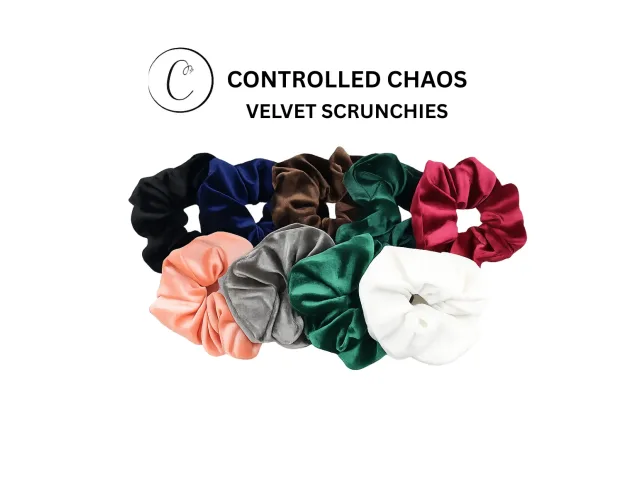 Deal
Controlled Chaos
Season 7 · Barbara Corcoran
 No deal
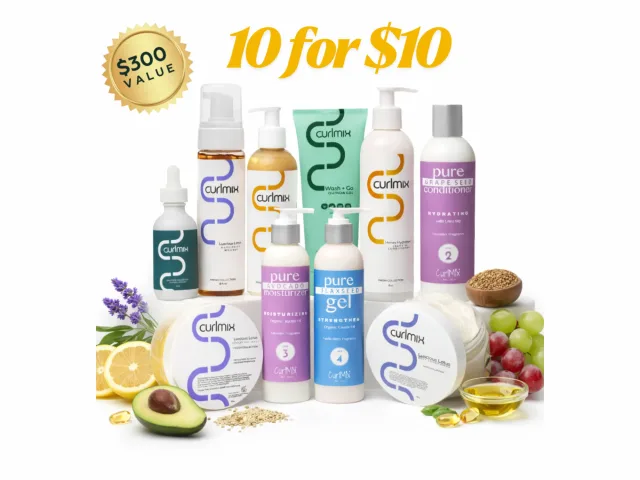
CurlMix
Season 10
 Deal
Hot Tot
Season 4 · Mark Cuban
 Deal
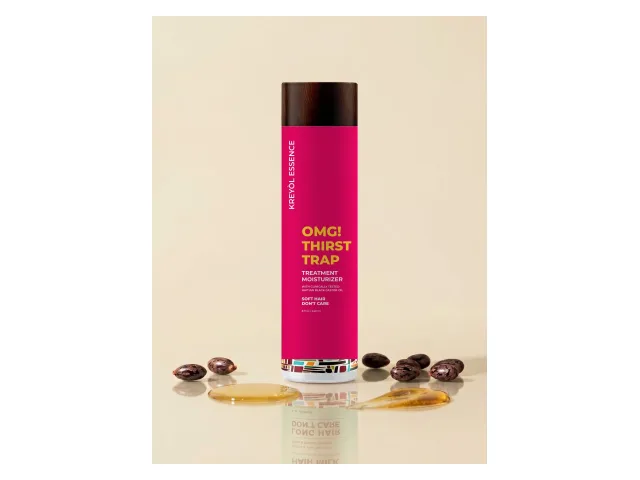
Kreyòl Essence
Season 11 · Kevin O'Leary
 Deal
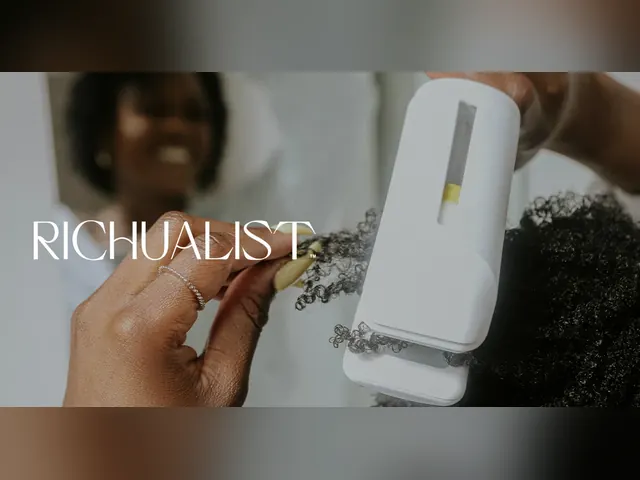
Richualist
Season 15 · Mark Cuban
 Deal
How To Be A Redhead
Season 15 · Mark Cuban
 Deal
Kin Apparel
Season 13 · Lori Greiner
Deal
You Go Natural
Season 14 · Mark Cuban
 Deal
Glimmer Wish
Season 17 · Lori Greiner
 No deal
Young King Hair Care
Season 13
Deal
The Sleep Styler
Season 8 · Lori Greiner
Why a haircare brand works now
Haircare is personal, habitual and repeat-purchase by nature. People wash and style their hair constantly, and once they find products that work for their texture, they tend to stay loyal. For years, mass-market brands designed for the "average" head of hair, leaving curly, coily, textured, red, fine, thinning and children's hair underserved. That gap has created room for focused independent brands built by people who share their customers' hair needs.
Haircare also extends beyond bottles. Tools, accessories and protective products such as satin-lined hats, wraps and heat-free rollers solve real problems and often face fewer regulatory hurdles than formulas.
What Shark Tank pitches teach us
Haircare founders on Shark Tank have done especially well when they clearly own a niche.
- Controlled Chaos (Season 7), products for very curly and textured hair, got a deal with Barbara Corcoran. Richualist (Season 15), styling tools for curly and textured hair, got a deal with Mark Cuban and guest Shark Emma Grede and is listed as active.
- How To Be A Redhead (Season 15), makeup and haircare for people with red hair, got a deal with Mark Cuban and is listed as active. Lesson: a tightly defined community can be a big enough market.
- Hot Tot (Season 4), haircare for children, got a deal with Mark Cuban. Glimmer Wish (Season 17), clean hair and body care in unicorn and mermaid themes for kids, got a deal with Lori Greiner and guest Shark Kendra Scott. Both are listed as active.
- Kreyol Essence (Season 11), hair and skin care built on Haitian black castor oil, got a deal with Kevin O'Leary. Lesson: an ingredient with heritage and a sourcing story can differentiate a brand.
- Accessories work too. Kin Apparel (satin-lined hoodies and hats, Season 13) got a deal with Lori Greiner and Emma Grede, You Go Natural (head wraps, Season 14) got a deal with Mark Cuban, and The Sleep Styler (heat-free rollers, Season 8) got a deal with Lori Greiner.
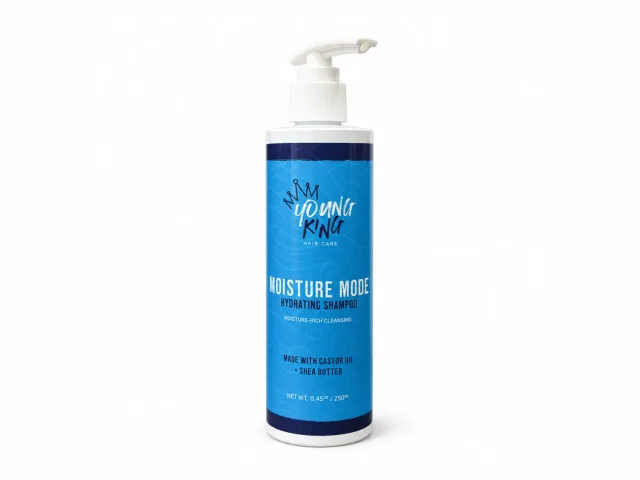
- CurlMix, natural products and DIY kits for curly hair, and Young King Hair Care, for men and boys of color, left without deals. A "no" on TV is not the end of a brand with a loyal community.
Startup costs breakdown
Typical estimates for launching three to five products:
| Item | Lean start | Funded start |
|---|---|---|
| Formulation (stock base or custom chemist) | $1,000-$5,000 | $5,000-$15,000 |
| Stability and preservative testing | $1,500-$4,000 | $4,000-$12,000 |
| First production run | $3,000-$10,000 | $12,000-$30,000 |
| Bottles, pumps, labels and design | $1,000-$4,000 | $4,000-$10,000 |
| Product liability insurance and compliance help | $500-$2,000 | $2,000-$5,000 |
| Website, content and launch marketing | $2,000-$6,000 | $8,000-$25,000 |
Accessory-only brands (wraps, bonnets, tools) can often start for $5,000-$15,000 because there is no formulation or stability testing.
Step-by-step: how to start
- Choose a hair type or problem. Curl definition, scalp care, kids' detangling, protective styling, thinning hair or color care. Be specific.
- Talk to stylists. They see hundreds of heads a month and know what products fail. Some may become your first wholesale accounts.
- Develop formulas with professionals. A cosmetic chemist or contract manufacturer can build or adapt formulas and run stability, preservative and packaging compatibility testing.
- Follow cosmetic rules. Shampoos, conditioners and styling products are generally cosmetics under FDA oversight. Recent federal law added facility registration, product listing and adverse event reporting for many brands, with some small-business exemptions. Products claiming to regrow hair or treat dandruff may be regulated as drugs. Check current guidance before making claims.
- Label correctly. Ingredient lists in the proper order, net contents, business information and any warnings. Keep claims cosmetic: "defines curls," not "repairs damage permanently."
- Launch a simple regimen. For example, a cleanser, a conditioner and a styler that work together.
- Build community content. Tutorials, wash-day routines and real customer results matter more in haircare than in almost any other category.
- Add salons and retail. Once reorder rates are strong, approach salons, beauty supply stores and specialty retailers.
Content is your growth engine
Hair results are visual and personal, which makes haircare one of the best categories for content-led growth. Founders who show their own routine, answer questions live and feature customers with similar hair often build audiences faster than paid ads alone could.
- Film complete routines, not just product shots, so customers see exactly how to use each item.
- Show results across a range of textures and lengths, and be honest about what the product will not do.
- Build a library of "how to" content that keeps working in search for years.
- Invite stylists to create tutorials and share them with credit.
How to make money
Haircare brands commonly target a product cost of 15-25% of retail. A $24 styling cream might cost roughly $4-$6 to make and fill at moderate volumes, as an estimate.
- Direct to consumer: regimen bundles and subscriptions drive repeat orders.
- Salons: professional sizes and back-bar products for stylists, plus retail sales to clients.
- Beauty supply and specialty retail: wholesale at roughly half of retail, with promotional costs.
- Amazon: search-driven discovery, with attention to counterfeits and pricing.
Your first 90 days
A realistic early plan keeps you focused on proof rather than polish:
- Weeks 1-4: interview at least twenty people with your target hair type and five stylists. Write down the exact words they use to describe their frustrations, because those words become your marketing copy.
- Weeks 5-8: test samples from two or three manufacturers or formulas with a small group of real users. Ask them to use the product for at least two full weeks and report what changed.
- Weeks 9-12: finalize one hero product, order a small run, and pre-sell to your test group, followers and local salons. Track how many come back for a second bottle.
Resist the urge to launch eight products at once. One product that customers rave about will open more doors than a full shelf of average ones.
Questions the Sharks would ask you
- Who exactly is this for, and how big is that group?
- What does each bottle cost you, and what do you sell it for?
- How many customers reorder within 60 days?
- Who makes it, and can they scale with you?
- What happens when a giant brand launches a similar line?
Red flags that sink pitches in this category
- Drug-style claims: promising hair regrowth or medical results without the right regulatory path.
- Founder-made in the kitchen at scale: inconsistent batches and no capacity to grow.
- A broad "for all hair" line: weak positioning against established brands.
- Low reorder rates: haircare economics depend on repeat buyers.
- Retail too early: big orders without marketing support can lead to returns and markdowns.
Serve one hair need better than anyone else, build a community around it, and your reorder rate will tell you when it is time to grow.
Frequently asked questions
How much does it cost to start a haircare line?
As a typical estimate, a small haircare line using a contract manufacturer can launch for $10,000-$25,000. Custom formulas, larger runs and paid marketing can push costs to $40,000-$60,000. Accessory-only brands often start for less.
Do I need FDA approval to sell shampoo or hair products?
Most hair products are cosmetics and do not need FDA approval before sale, but they must be safe, properly labeled and may need facility registration and product listing. Products that claim to treat conditions like dandruff or hair loss may be regulated as drugs.
Can I start a haircare brand without a chemistry background?
Yes. Many founders work with cosmetic chemists or contract manufacturers who handle formulation and testing. Your job is to know the customer, define the product and build the brand.
How do haircare brands get into salons?
Start with stylists you know, offer samples and education, and provide professional sizes at wholesale prices. Reliable supply and good training materials help salons recommend your products.
Every pitch, deal and Shark mentioned here is checked against our database of 1,533 Shark Tank pitches. Cost ranges are typical estimates, not quotes. This is general education, not financial, legal or investment advice. Editorial policy · Suggest a correction
More business ideas
See all →
How to Start a Jewelry Brand: Lessons From 9 Shark Tank Pitches
Jewelry can be started at a kitchen table and still grow into a national brand.
How to Start a Swimwear Brand: Lessons From 9 Shark Tank Pitches
Swimwear is emotional, seasonal and high-margin, and fit is everything.

How to Start a Sneaker & Footwear Brand: Lessons From 12 Shark Tank Pitches
Footwear is one of the hardest fashion categories to launch, with high minimums and endless sizes…

How to Start a Men's Grooming Brand: Lessons From 12 Shark Tank Pitches
Men are buying more grooming products than ever, but they want simple, effective and unembarrassing.

How to Start a Sock & Apparel Brand: Lessons From 11 Shark Tank Pitches
Socks and basics are small, giftable and bought again and again, which is why so many apparel…
How to Start a Skincare Brand: Lessons From 11 Shark Tank Pitches
Skincare buyers are loyal, curious and willing to pay for results, but the market is crowded and…

Know Your Numbers: The Metrics Sharks Grill Founders On
Sharks judge a business by a handful of numbers: sales, margins, landed cost, customer acquisition…

How to Pitch Like a Shark Tank Winner
Successful Shark Tank pitches follow a recognizable structure: a clear ask, a relatable problem…


What Happens After Shark Tank: Due Diligence, Deals That Fall Through and the Shark Tank Effect
An on-air handshake is the start of a process, not the end. This guide explains due diligence…