At a glance
- 💰 Startup cost
- $25K-$150K
- 📈 Difficulty
- Hard
- ⏱️ Time to launch
- 9-18 months
- 📊 Typical margins
- Medium-High (45-65% gross DTC, typical estimate)
- 🎯 Best for
- Founders with footwear or product-design experience and enough capital to carry inventory
Real Shark Tank pitches in this space
Swipe → Deal
HYPD
Season 15 · Barbara Corcoran
 Deal
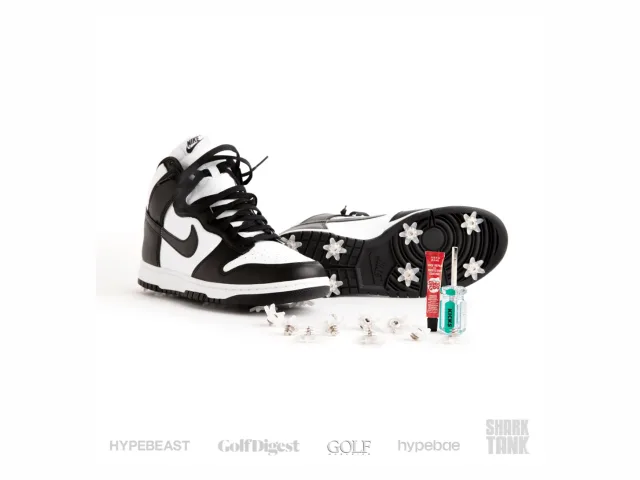
GolfKicks
Season 11 · Mark Cuban
 Deal
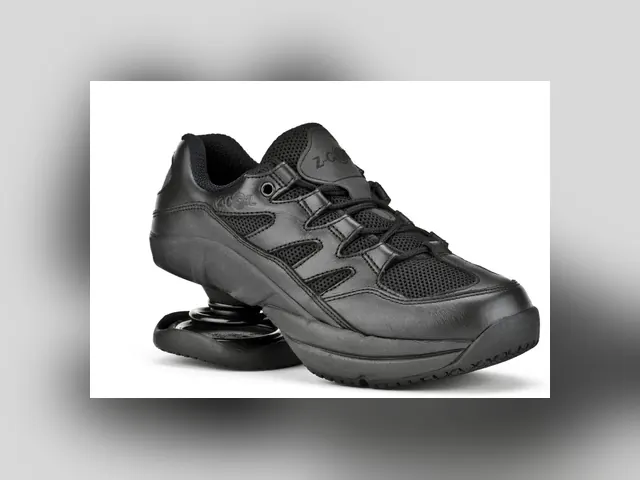
Z-CoiL
Season 17 · Lori Greiner
Deal
Muvez
Season 11 · Daymond John
Deal
Jeska Shoe Company
Season 4 · Daymond John
 No deal
Xero Shoes
Season 4
No deal
Forus
Season 6
 No deal
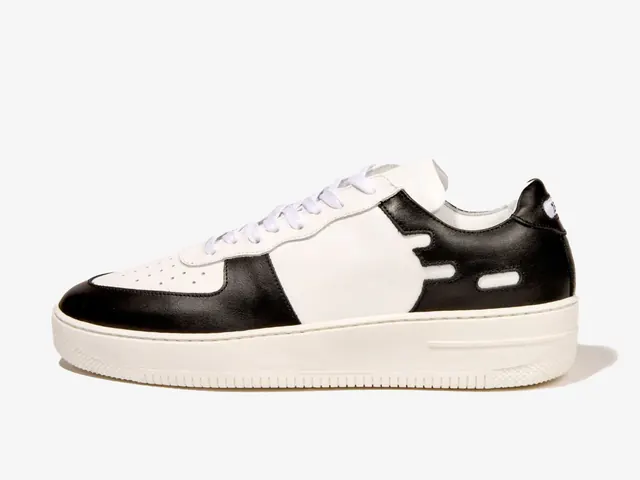
1587 Sneakers
Season 16
No deal
Pashion Footwear
Season 12
 No deal
Sseko Designs
Season 6
No deal
The Ave Venice
Season 3
Why a footwear brand can work now
People are spending more on shoes that feel good all day, express their identity and work across several parts of life: the office, the gym, the course and the weekend. Sneaker culture has made footwear a form of self-expression, while an aging and more active population wants comfort without sacrificing style. Direct-to-consumer brands have proven that a newcomer can build a following online without first winning space in big chains.
But footwear is genuinely hard. Every style needs many sizes and often several widths. Factories set high minimums, molds for soles are expensive, and fit problems lead to returns. Founders who succeed usually bring either deep product experience or a breakthrough that customers can feel immediately.
What Shark Tank pitches teach us
- Z-CoiL (Season 17), shoes with a built-in spring heel for people on their feet all day, got a deal with Lori Greiner and is listed as active. Lesson: a visible, demonstrable comfort feature makes a strong pitch.
- GolfKicks (Season 11), golf shoes styled like casual sneakers, got a deal with Mark Cuban. Muvez (Season 11), versatile footwear for multiple uses, got a deal with Daymond John. Lesson: crossover shoes that work in two settings broaden the market.
- Remyxx ReKixx (Season 3), sneakers with customization, got a deal with Daymond John. HYPD (Season 15), streetwear-style footwear and apparel, got a deal with Barbara Corcoran. Both are listed as active.
- Jeska Shoe Company (Season 4), comfortable and stylish women's shoes, got a deal with Daymond John.
- Several footwear founders left without deals but are listed as active: Xero Shoes (minimalist barefoot-style shoes), Forus (comfort shoes for people on their feet), 1587 Sneakers (a brand celebrating Asian Americans) and Sseko Designs (sandals with interchangeable straps made in Uganda). Pashion Footwear (heels that convert to flats) and The Ave Venice also left without deals.
The lesson: footwear brands often keep growing after a "no," which suggests the Sharks are frequently wary of the capital intensity, not the idea. Show that you understand inventory and margins, and you answer their biggest concern.
Startup costs breakdown
Typical estimates for a first sneaker or casual shoe style in a full size run:
| Item | Lean start | Funded start |
|---|---|---|
| Design, tech packs and lasts | $3,000-$10,000 | $15,000-$40,000 |
| Sole molds and tooling | $2,000-$15,000 | $20,000-$60,000 |
| Sampling rounds and wear testing | $2,000-$8,000 | $8,000-$20,000 |
| First production run (minimums across sizes) | $10,000-$40,000 | $50,000-$150,000 |
| Packaging, boxes and labels | $1,000-$3,000 | $3,000-$10,000 |
| Website, photography and launch marketing | $3,000-$10,000 | $15,000-$40,000 |
Using an existing open-market sole and last can cut tooling costs dramatically, though it limits differentiation. Many founders start with one model in two or three colors.
Step-by-step: how to start
- Find a real gap. All-day comfort for nurses and teachers, wide sizes, adaptive shoes, sustainable materials, sport-to-street crossovers or a cultural story. "Cool sneakers" alone is a tough sell.
- Learn the anatomy of a shoe. Lasts, uppers, midsoles, outsoles and construction methods all affect cost, comfort and durability.
- Work with an experienced footwear developer. Freelance developers and design studios can translate your idea into tech packs factories understand.
- Source factories carefully. Compare minimum order quantities per style, color and size, plus lead times and quality control. Visit or hire an inspector if you can.
- Wear-test extensively. Have dozens of people wear samples for weeks. Fix fit, heel slip, break-in and durability issues before mass production.
- Know the import and labeling rules. Footwear imported into the US can carry significant duties that vary by material and construction, and labels typically need country of origin. Check with a customs broker before pricing your product.
- Pre-sell. Crowdfunding or pre-orders validate demand and help fund your first run.
- Launch with a tight size curve. Use pre-order data to decide how many of each size to make.
Managing sizes, fit and returns
Size complexity is the silent killer of shoe startups. One style in ten sizes and two widths is twenty inventory items before you add colors. A few practical tactics help:
- Offer half sizes only where demand is strongest, and consider launching without wide widths until you have data.
- Publish detailed fit notes (runs true, size up, roomy toe box) and compare your sizing with well-known brands.
- Offer easy exchanges rather than refunds to keep the sale and the customer.
- Track returns by reason and by size. Patterns often reveal a last or pattern problem you can fix in the next run.
How to make money
Footwear brands often target retail prices three to four times landed cost. A sneaker landing at $30 including duty and freight might retail for $100-$130, as a rough estimate. Wholesale typically happens at about half of retail, which leaves thinner margins.
- Direct to consumer: best margins, but shipping and returns are real costs.
- Specialty retail: running stores, comfort-shoe shops, golf pro shops and boutiques give credibility and fitting expertise.
- Uniform and occupational buyers: hospitals, restaurants and schools can place volume orders for comfort footwear.
- Accessories and care: socks, insoles, laces and cleaning products increase order value with better margins.
Lower-risk ways to enter footwear
If the capital required for a full sneaker line feels out of reach, there are smaller doors into the category that still let you build a footwear brand over time:
- Slides, sandals and slippers: simpler construction, fewer sizes and lower tooling costs than a lace-up sneaker.
- Insoles and comfort inserts: one product can fit many shoes, sizes can often be trimmed to fit, and margins are healthy.
- Laces, charms and customization: accessories that personalize shoes people already own, with very low inventory risk.
- Shoe care: cleaners, protectors and deodorizers sell repeatedly to sneaker fans.
- Collaborations: partnering with an established manufacturer or brand on a co-branded model can reduce upfront costs.
Several of these routes let you build an audience and cash flow first, then launch your own shoe with proven demand behind it.
Questions the Sharks would ask you
- What is your landed cost per pair, including duties?
- How many pairs have you sold, and what is your return rate?
- How much inventory do you have, and in which sizes?
- What prevents a major brand from copying your feature?
- How much cash will it take to fund your next production run?
Red flags that sink pitches in this category
- Underestimating capital needs: minimums, molds and size runs add up fast.
- Design without comfort data: looks sell the first pair, comfort sells the second.
- High returns: often a sign of inconsistent sizing.
- No defensible feature: big brands can launch look-alikes quickly.
- Weak margins after duties and freight: pricing set before calculating landed cost.
Start with one great shoe, prove that people reorder and recommend it, and expand the line only when the numbers say you can carry the inventory.
Frequently asked questions
How much does it cost to start a shoe brand?
As a typical estimate, a small shoe brand using existing soles and modest minimums can launch for $25,000-$60,000. Custom soles, larger size runs and marketing can push costs to $100,000-$150,000 or more.
How do I find a shoe manufacturer?
Many founders work with a footwear developer or sourcing agent who has factory relationships. Trade shows, industry directories and referrals also help. Always request samples, check minimums and inspect quality before production.
What are shoe manufacturing minimums?
Minimums vary widely, but factories often require a few hundred to a few thousand pairs per style, sometimes per color. Because those pairs are spread across sizes, inventory planning is critical.
Is starting a sneaker brand profitable?
It can be, but footwear is capital-intensive. Profitability depends on landed cost, duties, return rates, marketing efficiency and how quickly inventory sells. Many brands take several seasons to become profitable.
Every pitch, deal and Shark mentioned here is checked against our database of 1,533 Shark Tank pitches. Cost ranges are typical estimates, not quotes. This is general education, not financial, legal or investment advice. Editorial policy · Suggest a correction
More business ideas
See all →


How to Start a Haircare Brand: Lessons From 11 Shark Tank Pitches
Haircare rewards founders who serve a specific hair type or need better than the giants do.

How to Start a Men's Grooming Brand: Lessons From 12 Shark Tank Pitches
Men are buying more grooming products than ever, but they want simple, effective and unembarrassing.


How to Start a Skincare Brand: Lessons From 11 Shark Tank Pitches
Skincare buyers are loyal, curious and willing to pay for results, but the market is crowded and…
How to Start a Swimwear Brand: Lessons From 9 Shark Tank Pitches
Swimwear is emotional, seasonal and high-margin, and fit is everything.
How to Start a Sock & Apparel Brand: Lessons From 11 Shark Tank Pitches
Socks and basics are small, giftable and bought again and again, which is why so many apparel…
How to Start a Jewelry Brand: Lessons From 9 Shark Tank Pitches
Jewelry can be started at a kitchen table and still grow into a national brand.
How to Value Your Startup Before You Ask for Money
Before you ask anyone for money, you need a defensible valuation. This guide walks through four…
Shark Tank Deal Terms Glossary
A plain-English glossary of the deal terms you hear on Shark Tank, from equity and valuation to…

How to Get on Shark Tank: The Application and Casting Process
Shark Tank casts entrepreneurs through an online application on ABC's site and in-person open…