At a glance
- 💰 Startup cost
- $10K-$75K
- 📈 Difficulty
- Moderate
- ⏱️ Time to launch
- 6-12 months
- 📊 Typical margins
- High (60-80% gross at retail, typical estimate)
- 🎯 Best for
- Founders with a specific skin need or ingredient story and patience for testing and compliance
Real Shark Tank pitches in this space
Swipe → Deal
Nardo's Natural
Season 3 · Barbara Corcoran
 Deal
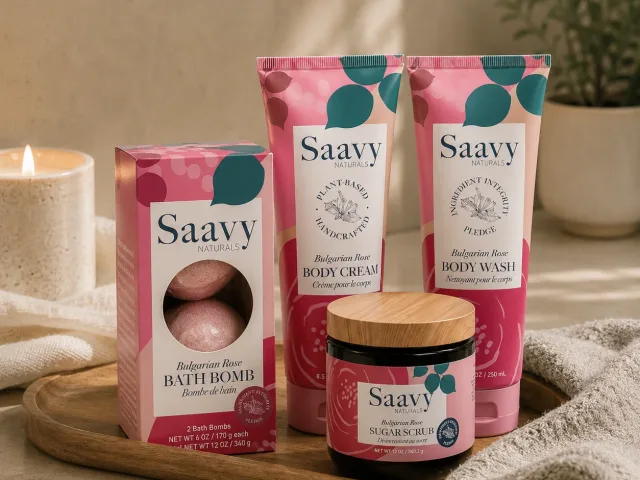
Savvy Naturals
Season 7 · Barbara Corcoran
Deal
Kinfield
Season 14 · Barbara Corcoran
Deal
Range Beauty
Season 13 · Lori Greiner
 Deal
Tania Speaks
Season 13 · Mark Cuban
 Deal
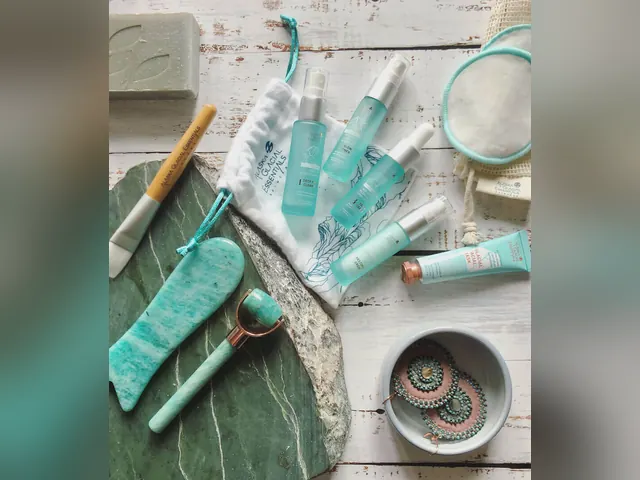
Dermovia Lace Your Face
Season 9 · Lori Greiner
 No deal
Alaska Glacial Mud Co.
Season 5
No deal
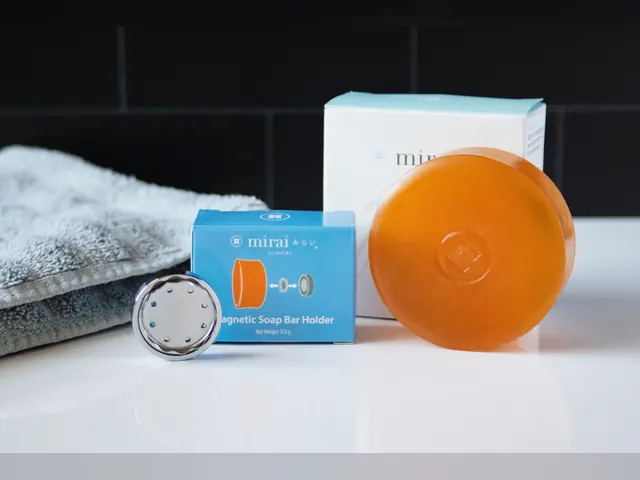
Proven Skincare
Season 11
 No deal
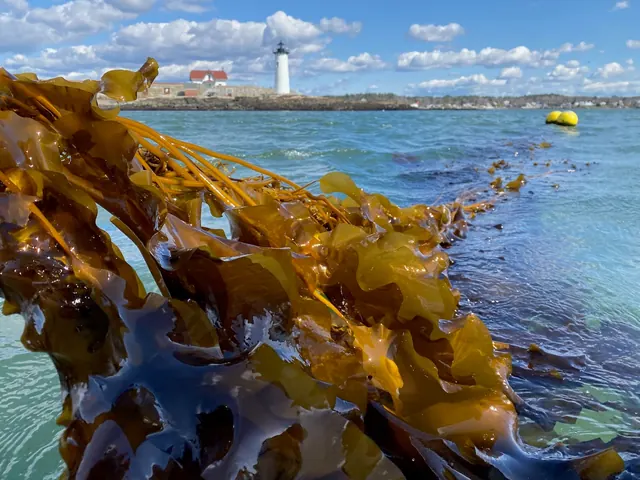
Mirai Clinical
Season 16
 No deal
Cold Current Kelp
Season 18
Why a skincare brand works now
Skincare customers research ingredients, follow routines and repurchase products every month or two. Social media has made it possible for small brands to reach those customers directly, and contract manufacturers make it possible to launch without your own lab. Skincare also carries strong margins at retail, which leaves room for marketing and wholesale.
The flip side: it is one of the most competitive consumer categories, and it is regulated. A new brand needs a clear point of view, a specific customer and a careful approach to claims and safety.
There is still plenty of room for focused newcomers. Shoppers are actively looking for products made for their skin type, skin tone, climate, age or lifestyle, and many feel the biggest brands speak to everyone and no one. A small line that clearly serves one group well can earn loyal fans and strong word of mouth.
What Shark Tank pitches teach us
- Glow Recipe (Season 7), a K-beauty-inspired brand using fruit ingredients like watermelon, got a deal with Robert Herjavec. Lesson: a memorable ingredient story and aesthetic can carry a brand.
- Range Beauty (Season 13), skincare and complexion products developed for a wide range of skin tones, got a deal with Lori Greiner and guest Shark Emma Grede. Lesson: serving an underserved customer is a powerful position.
- Kinfield (Season 14), clean sunscreen and outdoor skincare, got a deal with Barbara Corcoran and guest Shark Tony Xu. Lesson: tying skincare to a lifestyle (time outdoors) sharpens the message.
- Nardo's Natural (Season 3) and Savvy Naturals (Season 7), both natural skincare lines, got deals with Barbara Corcoran. Tania Speaks (Season 13), organic skincare and brow products, got a deal with Mark Cuban. Dermovia Lace Your Face (Season 9), a lace face mask, got a deal with Lori Greiner and is listed as active.
- Proven Skincare, a personalized, data-driven line, left without a deal. So did Alaska Glacial Mud Co., Mirai Clinical and Cold Current Kelp, which are all listed as active.
The lesson: in skincare, the Sharks respond to a clear customer, a distinctive hook and proof that people reorder.
Startup costs breakdown
Typical estimates for launching three to five products with a contract manufacturer:
| Item | Lean start | Funded start |
|---|---|---|
| Formulation (private label or custom chemist) | $1,000-$5,000 | $5,000-$20,000 |
| Stability, preservative and compatibility testing | $1,500-$5,000 | $5,000-$15,000 |
| First production run (minimums) | $3,000-$10,000 | $15,000-$40,000 |
| Packaging and label design | $1,000-$4,000 | $5,000-$12,000 |
| Insurance and regulatory help | $500-$2,000 | $2,000-$6,000 |
| Website, photography and launch marketing | $2,000-$6,000 | $10,000-$30,000 |
Private label (adapting a manufacturer's existing formula) is cheaper and faster; custom formulation costs more but creates a product competitors cannot easily copy.
Step-by-step: how to start
- Pick a specific customer and problem. Sensitive skin, outdoor workers, teens, a particular skin tone or climate. Broad "for everyone" lines struggle.
- Understand the rules. In the US, most skincare is regulated by the FDA as cosmetics. A 2022 federal law (MoCRA) added requirements such as facility registration, product listing, safety substantiation and adverse event reporting, with some exemptions for very small businesses. Products that claim to treat or prevent conditions, such as sunscreen or acne treatments, are regulated as over-the-counter drugs with stricter rules. Check current FDA guidance or work with a regulatory consultant.
- Work with a cosmetic chemist or manufacturer. Develop formulas, then run stability and preservative-efficacy testing so products stay safe on the shelf.
- Get labeling right. Cosmetic labels need ingredient lists in the proper order and format, net quantity and business information. Avoid drug-like claims such as "cures" or "heals."
- Choose packaging that works. Airless pumps, opaque bottles and compatible materials protect formulas. Test packaging with the actual product.
- Launch a tight line. Start with two to four hero products that form a simple routine.
- Collect proof. Reviews, before-and-after photos (honest and unedited) and reorder data become your best marketing.
- Get insured. Product liability insurance is essential for anything applied to skin.
How to make money
Many skincare brands aim for a cost of goods (formula, packaging, filling) of 15-25% of retail price. A $38 serum might cost $5-$9 to produce at modest volumes, as a rough estimate.
- Direct to consumer: best margins and data. Routine bundles and subscribe-and-save drive repeat revenue.
- Amazon: reach and search demand, but strict category rules and fierce competition.
- Specialty beauty retail: huge visibility, but expect wholesale around half of retail plus marketing and promotional costs.
- Spas, salons and estheticians: credible recommenders who can buy at wholesale and resell.
Building trust in a crowded category
Skincare shoppers have seen every promise before. Trust is your most valuable asset, and it is built in a few specific ways:
- Explain the formula plainly. Say what each key ingredient does, at what level of detail your customer wants, without exaggeration.
- Show real results honestly. Unfiltered photos, consistent lighting and customer stories over several weeks are more convincing than polished ads.
- Offer sample sizes. Minis and trial kits lower the risk of a first purchase and reduce returns.
- Work with professionals. Estheticians, dermatology-focused creators and spa owners can lend credibility, as long as relationships are disclosed.
- Answer questions fast. Customers with sensitive skin ask about ingredients and reactions. Quick, careful answers convert buyers and protect you from complaints.
Measure what matters: first-to-second order rate, time between orders, and average revenue per customer over twelve months. These numbers tell you whether your line is working long before revenue looks impressive.
Questions the Sharks would ask you
- Who formulated it, and what testing have you done?
- What is your cost per unit and your retail price?
- How much does it cost to acquire a customer, and what is their reorder rate?
- Why would someone switch from the brand they use today?
- Are your claims backed up and compliant?
Red flags that sink pitches in this category
- Drug claims on a cosmetic: promising to cure acne or eczema without the proper regulatory path.
- "Natural" as the only story: it is no longer a differentiator.
- Too many products: a big line with no hero dilutes marketing and inventory.
- Weak retention: skincare depends on repurchase; one-time buyers make ads unprofitable.
- Skipping stability testing: separation, mold or irritation can destroy a young brand.
Start focused, stay compliant and let reorders prove the product works before you expand.
Frequently asked questions
How much does it cost to start a skincare line?
As a typical estimate, a small private-label skincare line can launch for $10,000-$25,000. A custom-formulated line with full testing, branded packaging and launch marketing often needs $40,000-$75,000 or more.
Do I need FDA approval to sell skincare?
Most cosmetics do not need FDA approval before sale, but they must be safe and properly labeled, and recent law added registration and listing requirements for many companies. Products like sunscreen and acne treatments are regulated as drugs and have stricter rules. Check current FDA guidance.
Can I make skincare at home and sell it?
Some small makers start at home, but you are still responsible for safety, labeling and any registration requirements. Many founders move to a contract manufacturer to get professional testing and consistent quality.
What is private label skincare?
Private label means using a manufacturer's existing formula and putting your brand on it, sometimes with small changes. It is faster and cheaper than custom formulation but offers less differentiation.
Every pitch, deal and Shark mentioned here is checked against our database of 1,533 Shark Tank pitches. Cost ranges are typical estimates, not quotes. This is general education, not financial, legal or investment advice. Editorial policy · Suggest a correction
More business ideas
See all →


How to Start a Men's Grooming Brand: Lessons From 12 Shark Tank Pitches
Men are buying more grooming products than ever, but they want simple, effective and unembarrassing.



How to Start a Sock & Apparel Brand: Lessons From 11 Shark Tank Pitches
Socks and basics are small, giftable and bought again and again, which is why so many apparel…
How to Start a Swimwear Brand: Lessons From 9 Shark Tank Pitches
Swimwear is emotional, seasonal and high-margin, and fit is everything.


How to Start a Sneaker & Footwear Brand: Lessons From 12 Shark Tank Pitches
Footwear is one of the hardest fashion categories to launch, with high minimums and endless sizes…

How to Start a Haircare Brand: Lessons From 11 Shark Tank Pitches
Haircare rewards founders who serve a specific hair type or need better than the giants do.


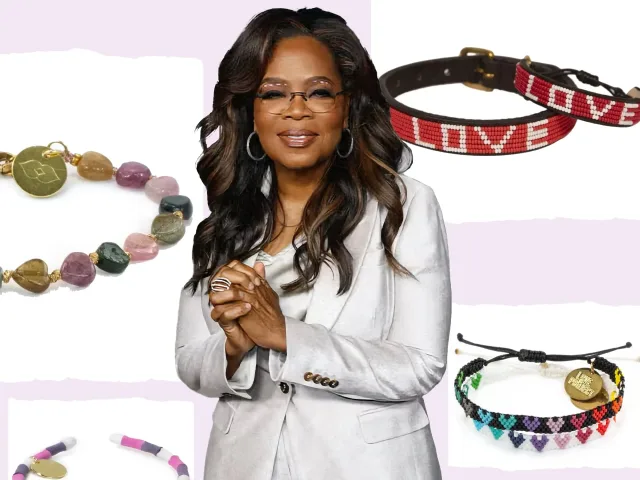
How to Start a Jewelry Brand: Lessons From 9 Shark Tank Pitches
Jewelry can be started at a kitchen table and still grow into a national brand.
How Valuation Works on Shark Tank (With Examples)
Every Shark Tank ask contains a valuation: divide the dollars by the equity percentage.
Shark Tank Episode Guide: Is It Still On, When It Airs & Where to Watch (2026)
Shark Tank is in its 18th season on ABC, taping in Atlanta with Kendra Scott and Rashaun Williams…

How to Pitch Like a Shark Tank Winner
Successful Shark Tank pitches follow a recognizable structure: a clear ask, a relatable problem…