At a glance
- 💰 Startup cost
- $5K-$50K
- 📈 Difficulty
- Moderate
- ⏱️ Time to launch
- 3-9 months
- 📊 Typical margins
- High (55-75% gross at retail, typical estimate)
- 🎯 Best for
- Designers and marketers who can build a distinctive brand and manage inventory carefully
Real Shark Tank pitches in this space
Swipe → No deal
Throx
Season 1
 Deal
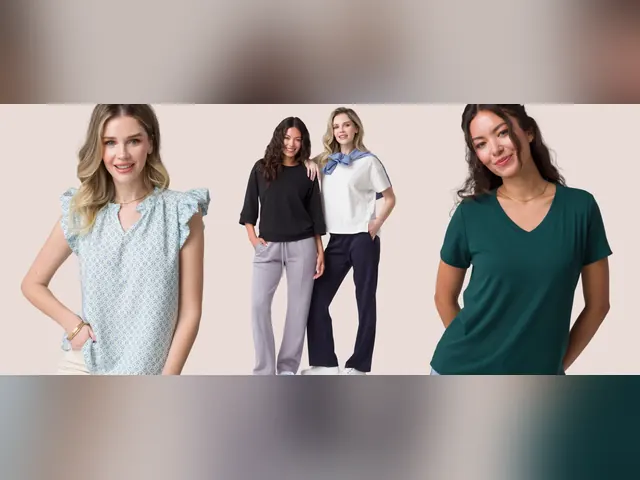
Grace & Lace Knitted Boot Socks
Season 5 · Barbara Corcoran
 Deal
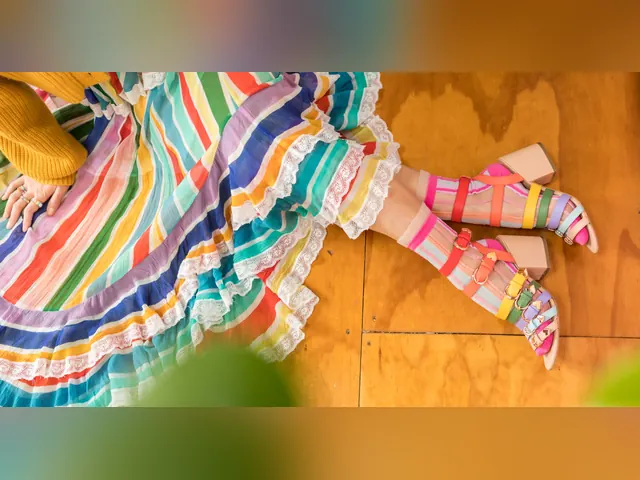
Sock Candy
Season 16 · Barbara Corcoran
 Deal
Doublesoul
Season 17 · Kendra Scott
 Deal
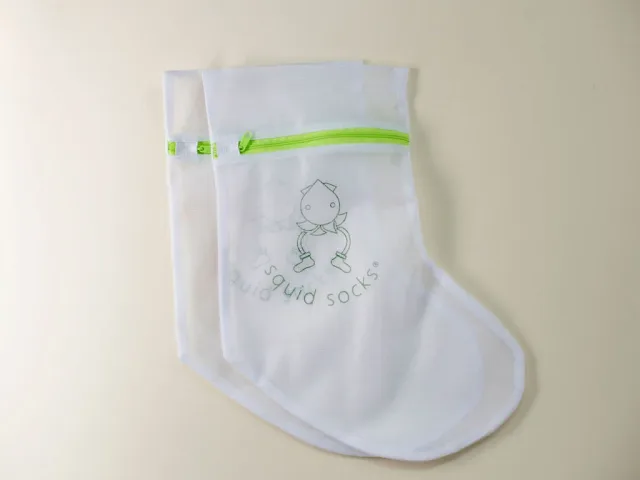
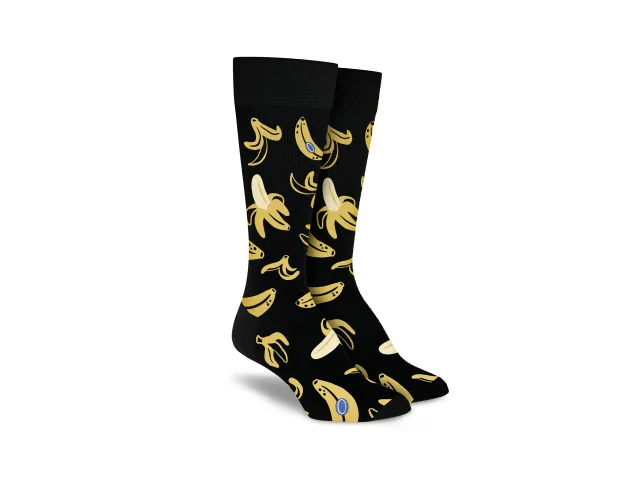
Squid Socks
Season 11 · Daymond John
 Deal
Foot Cardigan
Season 7 · Mark Cuban
 Deal
Apolla Performance
Season 13 · Lori Greiner
Deal
Buttercloth
Season 10 · Robert Herjavec
No deal
Basic Outfitters
Season 8
 No deal
Buck Mason
Season 6
Why a sock and apparel brand works now
Socks are one of the most approachable products in fashion. They are light and cheap to ship, need fewer sizes than most clothing, wear out and get replaced, and make easy gifts. Customers increasingly treat them as a fashion statement rather than an afterthought. The same logic applies to basics like T-shirts, underwear and button-downs: people buy them repeatedly, and once they find a fit they like, they tend to stick with it.
That accessibility is also the challenge. Anyone can order a few hundred pairs from a sock mill, so the market is crowded. The brands that break through pair a real product improvement (comfort, fit, durability or a clever format) with a strong story and smart marketing.
What Shark Tank pitches teach us
- Bombas (Season 6) makes comfort-engineered socks and basics with a give-back model, and got a deal with Daymond John. It is listed as active. Lesson: a measurable comfort improvement plus a mission gives customers two reasons to buy.
- Grace & Lace (Season 5) knitted boot socks with lace cuffs got a deal with Barbara Corcoran, and Sock Candy (Season 16), sheer statement socks, also got a deal with Barbara. Both are listed as active. Lesson: a distinctive look that customers want to show off is a real advantage.
- Doublesoul (Season 17) combined cushioning, colorful designs and sustainable materials, and got a deal with guest Shark Kendra Scott.
- Squid Socks (Season 11), kids' socks that stay on and stay together, got a deal with Daymond John. Apolla Performance (Season 13), compression socks first designed for dancers, got a deal with Lori Greiner. Lesson: a specific user with a specific problem makes the product easy to understand.
- Foot Cardigan (Season 7), a monthly sock subscription, got a deal with Mark Cuban and guest Shark Troy Carter. Buttercloth (Season 10), ultra-soft men's dress shirts, got a deal with Robert Herjavec.
- Throx (Season 1), socks sold in sets of three, Buck Mason (Season 6), a men's basics brand, and Basic Outfitters (Season 8), a basics subscription, all left without deals. Throx and Buck Mason are listed as active. Lesson: the Sharks passing does not stop a brand with real customers.
Startup costs breakdown
Typical estimates for a small brand using contract manufacturers:
| Item | Lean start | Funded start |
|---|---|---|
| Design, tech packs and samples | $500-$3,000 | $5,000-$12,000 |
| First production order (minimums) | $2,000-$8,000 | $15,000-$40,000 |
| Packaging, labels and hang tags | $300-$1,500 | $2,000-$6,000 |
| Trademark filing | $300-$1,000 | $1,000-$3,000 |
| Website and product photography | $500-$2,500 | $4,000-$10,000 |
| Launch marketing and samples for creators | $1,000-$3,000 | $5,000-$20,000 |
Print-on-demand can cut upfront inventory to almost nothing, but margins are much lower and quality control is limited.
Step-by-step: how to start
- Define your angle. Comfort technology, a niche sport, kids, a cause, bold design, or a better fit for an underserved body type. "Nice socks" is not an angle.
- Know your customer. Who buys, what they pay today, where they shop and what annoys them about current options.
- Create tech packs. These documents specify materials, yarn counts, measurements, colors and construction so factories can quote accurately.
- Find a manufacturer. Compare domestic and overseas mills. Ask about minimum order quantities, lead times, certifications and sample costs. Wear-test samples for weeks, not days.
- Follow labeling rules. In the US, textile products generally need fiber content, country of origin and manufacturer identity on the label, plus care instructions. Check the FTC's textile labeling guidance and rules for any market you sell into.
- Start small. Launch with a tight assortment of a few designs in core sizes. Reorder winners and drop slow sellers.
- Build the brand online. Strong photography, a clear story and early customer reviews matter more than a big catalog.
- Add wholesale. Boutiques, gift shops and specialty stores are a natural next step once you have sell-through data.
How to make money
Socks often cost a few dollars per pair to produce and retail from about $10 to $25, so many brands aim for retail prices four to six times landed cost. That markup has to cover wholesale discounts, returns, marketing and free shipping offers.
- Direct to consumer: best margins and data. Multi-packs and bundles raise average order value.
- Subscriptions: monthly or quarterly drops create predictable revenue, but churn must be managed.
- Wholesale: retailers typically pay around half of retail. Gift shops and specialty stores are good early accounts.
- Amazon: good for basic, search-driven products, but heavy competition and fees.
- Corporate and custom orders: branded socks for events and companies can be high-volume orders.
Marketing that works for apparel brands
Most small apparel brands live or die on marketing efficiency. A few approaches tend to work well for socks and basics:
- Show the difference up close. Short videos of cushioning, stretch, fit and wash tests prove quality better than a flat product shot.
- Lean into gifting. Gift boxes, holiday bundles and "sock of the month" gift subscriptions turn a $14 item into a $40-$80 order.
- Work with micro-creators. Runners, dancers, nurses, teachers and other communities with a shared foot problem often respond better to a peer than to a celebrity.
- Use limited drops. Small seasonal runs create urgency without the risk of large inventory bets.
- Collect emails and texts from day one. Owned channels let you sell restocks and new colors without paying for ads every time.
Track your customer acquisition cost and the revenue each customer generates over their first year. If a customer is worth less than it costs to win them, slow down spending and fix the product, price or offer before scaling.
Questions the Sharks would ask you
- What does a pair cost you landed, and what do you sell it for?
- How much do you spend to acquire a customer, and how often do they reorder?
- What is genuinely different about your product, not just the design?
- How much inventory are you holding, and how fast does it sell through?
- Who are your wholesale accounts, and do they reorder?
Red flags that sink pitches in this category
- Too much inventory: cash tied up in slow-moving colors and sizes.
- No product difference: a print or logo alone is easy to copy.
- Rising ad costs: paying more to acquire a customer than they spend over time.
- Weak repeat rates: apparel brands live on second and third orders.
- Over-expanding the line: jumping into full apparel before mastering one product.
Win with one hero product, keep inventory lean, and let repeat customers fund your growth before you expand the line.
Frequently asked questions
How much does it cost to start a sock brand?
As a typical estimate, a small sock brand can launch for $5,000-$15,000 using modest factory minimums and a simple website. A brand with custom designs, larger first orders and paid launch marketing often needs $25,000-$50,000.
Where do sock brands get their socks made?
Most work with contract sock mills, either domestic or overseas. Mills usually require minimum order quantities per design and color, so compare minimums, lead times and sample quality before choosing.
Is a sock business profitable?
It can be. Socks often carry high markups because production costs are low relative to retail price. Profit depends on marketing costs, wholesale discounts, returns and how often customers reorder.
Do I need a trademark for a clothing brand?
It is strongly recommended. Filing a trademark for your brand name helps protect you from copycats and avoids costly rebrands if someone else already uses a similar name. Search existing trademarks before you print anything.
Every pitch, deal and Shark mentioned here is checked against our database of 1,533 Shark Tank pitches. Cost ranges are typical estimates, not quotes. This is general education, not financial, legal or investment advice. Editorial policy · Suggest a correction
More business ideas
See all →
How to Start a Skincare Brand: Lessons From 11 Shark Tank Pitches
Skincare buyers are loyal, curious and willing to pay for results, but the market is crowded and…
How to Start a Jewelry Brand: Lessons From 9 Shark Tank Pitches
Jewelry can be started at a kitchen table and still grow into a national brand.

How to Start a Haircare Brand: Lessons From 11 Shark Tank Pitches
Haircare rewards founders who serve a specific hair type or need better than the giants do.
How to Start a Sneaker & Footwear Brand: Lessons From 12 Shark Tank Pitches
Footwear is one of the hardest fashion categories to launch, with high minimums and endless sizes…


How to Start a Men's Grooming Brand: Lessons From 12 Shark Tank Pitches
Men are buying more grooming products than ever, but they want simple, effective and unembarrassing.
How to Start a Swimwear Brand: Lessons From 9 Shark Tank Pitches
Swimwear is emotional, seasonal and high-margin, and fit is everything.
How to Value Your Startup Before You Ask for Money
Before you ask anyone for money, you need a defensible valuation. This guide walks through four…

Licensing vs. Building a Brand: Lessons From Shark Tank
Inventors on Shark Tank face a fundamental choice: license the idea to a company that already has…

Shark Tank Deal Terms Glossary
A plain-English glossary of the deal terms you hear on Shark Tank, from equity and valuation to…