At a glance
- 💰 Startup cost
- $5K-$60K
- 📈 Difficulty
- Moderate
- ⏱️ Time to launch
- 3-9 months
- 📊 Typical margins
- High (55-75% gross on consumables, typical estimate)
- 🎯 Best for
- Founders who understand a specific male customer and can market with humor or authority
Real Shark Tank pitches in this space
Swipe → No deal
Beardbrand
Season 6
Deal
Manscaped
Season 10 · Mark Cuban
 Deal
Supply
Season 11 · Robert Herjavec
 Deal
Pete & Pedro
Season 7 · Barbara Corcoran
Deal
Legacy Shave
Season 14 · Lori Greiner
 Deal
Crowned Skin
Season 17 · Rashaun Williams
 Deal
Go Nutz
Season 16 · Mark Cuban
 Deal
Stryx
Season 13 · Robert Herjavec
 Deal
The Cut Buddy
Season 9 · Daymond John
 No deal
Hammer & Nails
Season 6
No deal
S.W.A.G. Essentials
Season 6
No deal
Laid Brand
Season 8
Why a men's grooming brand works now
Men's grooming has moved well beyond a razor and a bar of soap. Beards, at-home haircuts, body grooming, skincare and fragrance have all become categories men shop for deliberately. Many men prefer to buy online, research quietly and stick with a brand once it works. That combination of new demand, online buying and loyalty creates an opening for independent brands.
Men's grooming also rewards personality. Some of the fastest-growing brands win with humor, frank language or a distinctive voice that makes an awkward topic easy to talk about.
What Shark Tank pitches teach us
- Manscaped (Season 10), body-grooming trimmers and hygiene products, got a deal with Mark Cuban and Lori Greiner. Lesson: a frank, funny brand can turn an awkward subject into a big business.
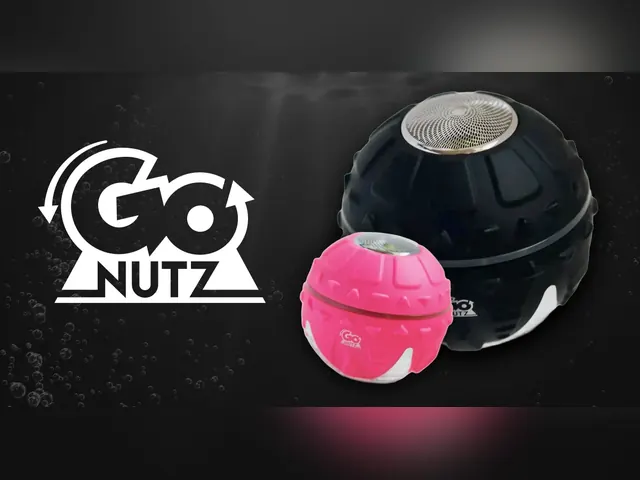
- Go Nutz (Season 16), a body-grooming razor for sensitive areas, got a deal with Mark Cuban and Daymond John and is listed as active.
- Supply (Season 11), a single-edge safety razor, got a deal with Robert Herjavec. Legacy Shave (Season 14), shaving brushes and wet-shaving accessories, got a deal with Lori Greiner. Lesson: a "better than cartridges" story resonates with men tired of expensive refills.
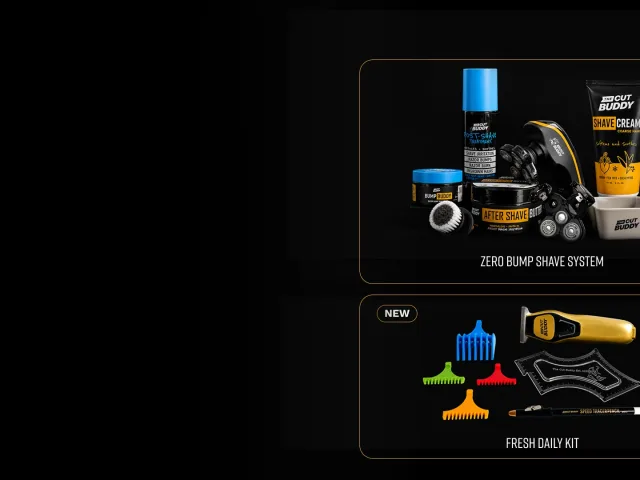
- Pete & Pedro (Season 7), men's styling products, got a deal with Barbara Corcoran. The Cut Buddy (Season 9), a template for trimming hairlines and beards at home, got a deal with Daymond John.
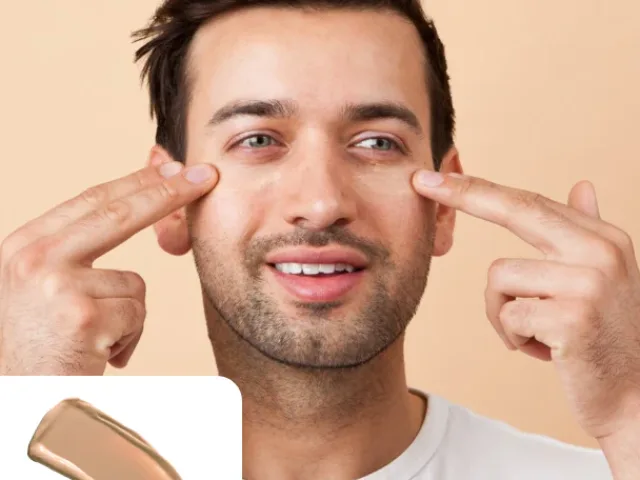
- Stryx (Season 13), men's concealer and tinted products in discreet packaging, got a deal with Robert Herjavec. Crowned Skin (Season 17), body butter colognes, got a deal with guest Shark Rashaun Williams and is listed as active.
- Beardbrand, which grew from online content about beard care, left without a deal but is listed as active. So is Hammer & Nails, a men's grooming salon concept, and S.W.A.G. Essentials. Laid Brand, pheromone-infused hair products, also left without a deal.
The takeaway: content and community can build a grooming brand even without a Shark, and products that remove embarrassment or hassle get investors' attention.
Startup costs breakdown
Typical estimates by business model:
| Model | Typical startup range | Main costs |
|---|---|---|
| Beard oil, balm and wash line | $5,000-$20,000 | Formulation, testing, packaging, first run, website |
| Shaving hardware (razors, brushes) | $15,000-$60,000 | Design, tooling, factory minimums, blades sourcing |
| Men's skincare or fragrance | $15,000-$50,000 | Custom formulas, testing, packaging, marketing |
| Grooming tools and accessories | $5,000-$25,000 | Prototypes, molds, inventory |
| Barbershop or men's salon | $75,000-$250,000+ | Lease, buildout, chairs, licensing, staff |
Step-by-step: how to start
- Pick a specific customer. Bearded men, guys cutting their own hair, men with sensitive skin, wet-shaving hobbyists, or men who have never bought skincare before.
- Find the friction. Irritation, cost of refills, mess, embarrassment or confusion about what to buy.
- Develop products with experts. Use a cosmetic chemist or manufacturer for formulas; use industrial designers and factories for hardware.
- Follow the rules. Grooming products are generally regulated as cosmetics by the FDA, with registration, listing and labeling requirements for many companies. Razors and electric trimmers have their own safety standards. Barbershops need licensed barbers and local permits. Check federal, state and local requirements.
- Design for the shelf and the screen. Clear, confident packaging that says what the product does in a few words.
- Launch with education. Many men need simple guidance: how much to use, in what order and how often.
- Add subscriptions. Blades, oils and washes are natural fits for automatic refills.
- Expand to retail and gifting. Gift sets for holidays and Father's Day can account for a large share of annual sales.
Finding your brand voice
In men's grooming, how you talk matters almost as much as what you sell. Successful brands tend to pick one clear voice and stick with it.
- Humor: works for awkward categories like body grooming, but needs a quality product behind the jokes.
- Craft and tradition: suits wet shaving, fragrance and premium tools, with an emphasis on materials and ritual.
- Straight talk: simple instructions and no jargon appeal to first-time buyers.
- Expertise: barbers and stylists building their own lines can lean on professional credibility.
Test your voice in short videos and emails, and watch which messages bring in buyers, not just likes.
How to make money
Consumables such as oils, balms and washes often cost 15-25% of retail to produce, as a typical estimate. Hardware has lower margins but can lock customers into refill purchases.
- Direct to consumer: subscriptions and starter kits drive lifetime value.
- Amazon: search-heavy category with strong demand and stiff competition.
- Retail: drugstores, department stores and specialty shops, usually at about half of retail.
- Barbershops: professional endorsements plus retail sales at the chair.
- Gift sets: high order values around holidays.
Product ideas with room to grow
If you are still choosing a product, look for areas where men feel underserved or embarrassed to ask for help:
- At-home haircuts and lineups: guides, trimmers and kits for men who cut their own hair between barber visits.
- Sensitive-skin shaving: pre-shave and post-shave products for razor bumps and irritation, with careful cosmetic claims.
- Simple skincare routines: two- or three-step kits designed for men who have never used skincare.
- Body care and odor control: products for athletes, outdoor workers and men in physically demanding jobs.
- Textured hair and beards: formulas and tools for men of color, an audience that founders have found underserved by mainstream brands.
The strongest ideas combine a real frustration with a product that can be refilled or replaced regularly, which turns one sale into many.
Questions the Sharks would ask you
- How much does it cost to acquire a customer, and how much do they spend in a year?
- What percentage of customers subscribe or reorder?
- What is your cost per unit, including packaging?
- How do you stand out against established razor and grooming giants?
- Is this a product or a brand that can launch ten more products?
Red flags that sink pitches in this category
- Gimmicks without results: novelty claims that do not hold up.
- Me-too products: another beard oil with no new angle.
- Expensive hardware with no refill revenue: one-time purchases are harder to scale profitably.
- Heavy ad dependence: rising costs to win each customer with low repeat purchases.
- Unproven safety: irritation or cuts from blades and formulas create returns and reputational risk.
Pick a customer, remove a hassle and give him a reason to come back every month.
Frequently asked questions
How much does it cost to start a men's grooming brand?
As a typical estimate, a beard care or grooming product line can start for $5,000-$20,000. Custom skincare, fragrance or shaving hardware often requires $15,000-$60,000. A barbershop or men's salon can cost $75,000 or more.
Is beard oil a profitable business?
It can be. Beard oils and balms have low ingredient costs relative to price, so gross margins can be high. Success depends on standing out, marketing efficiently and earning repeat purchases.
Do men's grooming products need FDA approval?
Most grooming products are cosmetics and do not need pre-approval, but they must be safe and properly labeled, and many companies must register facilities and list products. Products making drug claims, such as treating hair loss or acne, face stricter rules.
What men's grooming products sell best online?
Body and beard trimmers, shaving supplies, beard care, styling products and simple skincare routines all sell well online, especially when bundled into starter kits or subscriptions.
Every pitch, deal and Shark mentioned here is checked against our database of 1,533 Shark Tank pitches. Cost ranges are typical estimates, not quotes. This is general education, not financial, legal or investment advice. Editorial policy · Suggest a correction
More business ideas
See all →
How to Start a Swimwear Brand: Lessons From 9 Shark Tank Pitches
Swimwear is emotional, seasonal and high-margin, and fit is everything.

How to Start a Sneaker & Footwear Brand: Lessons From 12 Shark Tank Pitches
Footwear is one of the hardest fashion categories to launch, with high minimums and endless sizes…
How to Start a Jewelry Brand: Lessons From 9 Shark Tank Pitches
Jewelry can be started at a kitchen table and still grow into a national brand.


How to Start a Sock & Apparel Brand: Lessons From 11 Shark Tank Pitches
Socks and basics are small, giftable and bought again and again, which is why so many apparel…
How to Start a Skincare Brand: Lessons From 11 Shark Tank Pitches
Skincare buyers are loyal, curious and willing to pay for results, but the market is crowded and…
How to Start a Haircare Brand: Lessons From 11 Shark Tank Pitches
Haircare rewards founders who serve a specific hair type or need better than the giants do.
The Questions Sharks Always Ask (and How to Answer Them)
Almost every Shark Tank pitch is decided in the question-and-answer round, not the opening speech.
Shark Tank Deal Terms Glossary
A plain-English glossary of the deal terms you hear on Shark Tank, from equity and valuation to…


What Happens After Shark Tank: Due Diligence, Deals That Fall Through and the Shark Tank Effect
An on-air handshake is the start of a process, not the end. This guide explains due diligence…