At a glance
- 💰 Startup cost
- $25K-$500K+
- 📈 Difficulty
- Hard
- ⏱️ Time to launch
- 6-18 months
- 📊 Typical margins
- Medium (30-50% gross before distribution costs)
- 🎯 Best for
- Founders with beverage or hospitality experience and patience for licensing and distribution
Real Shark Tank pitches in this space
Swipe →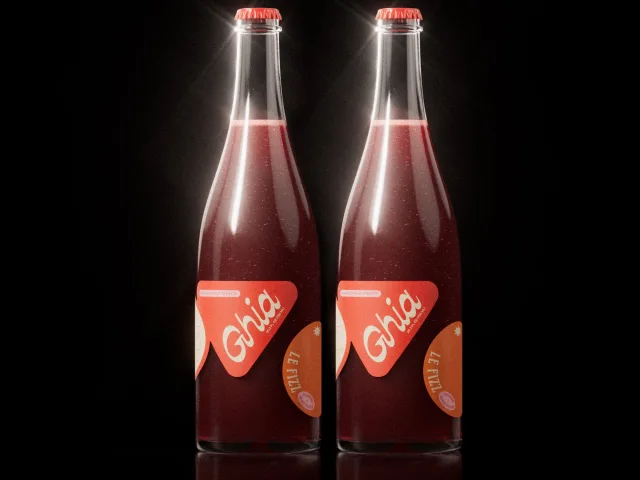 No deal
Ghia
Season 14
 No deal
Little Saints
Season 16
 Deal
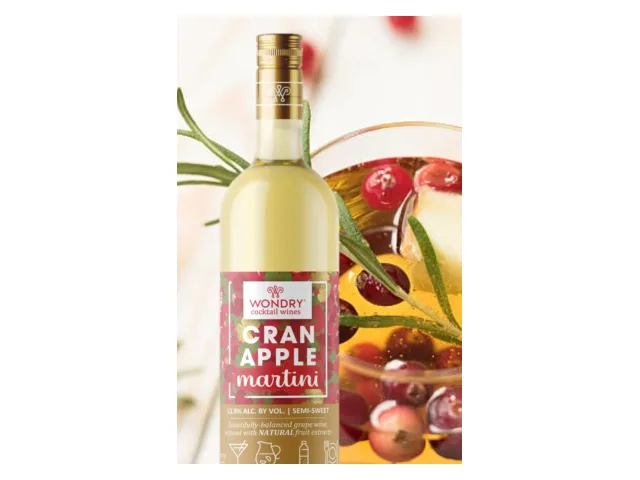
Wondry
Season 14 · Mark Cuban
 Deal
Bon Affair
Season 5 · Mark Cuban
 Deal
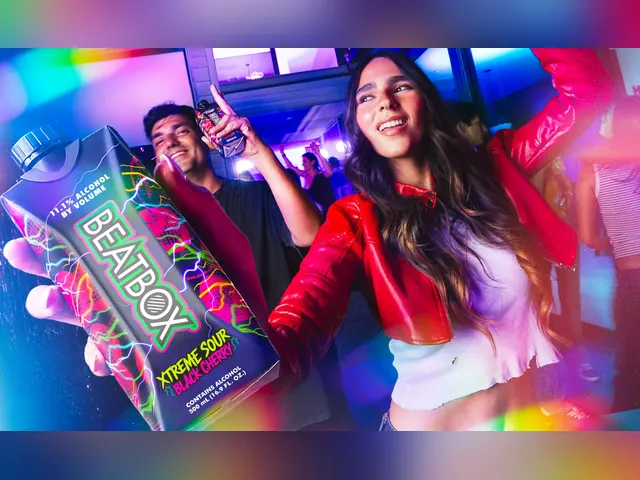
BeatBox Beverages
Season 6 · Mark Cuban
 Deal
Bee D'Vine
Season 12 · Mark Cuban
 Deal
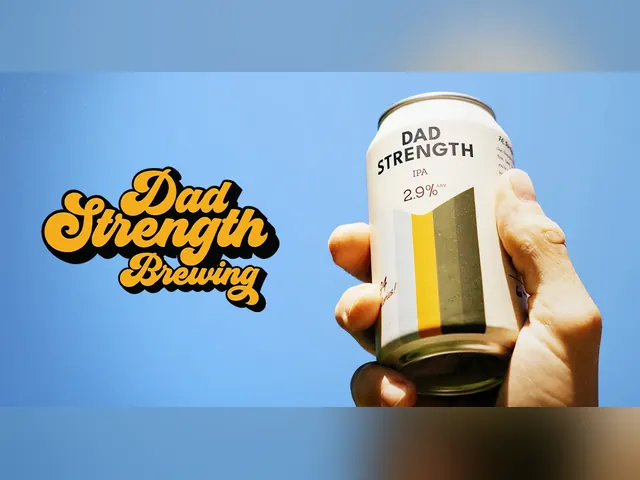
Dad Strength Brewing
Season 17 · Lori Greiner
 Deal
Beer Girl
Season 17 · Fawn Weaver
 No deal
Copa di Vino
Season 2
 Deal
Bar Bees
Season 15 · Daniel Lubetzky
Why this idea works now
People are drinking differently. Ready-to-drink (RTD) cocktails, low-alcohol beers, wine spritzers and non-alcoholic spirits have grown as consumers look for convenience, moderation and better flavor. Home bartending has also become a hobby, creating demand for premium mixers, syrups, bitters and shrubs. For first-time founders, mixers and non-alcoholic drinks offer a way into the cocktail world without the cost and complexity of alcohol licensing.
Full alcohol brands remain capital-intensive and highly regulated, so it is worth deciding early which part of this market fits your resources.
What Shark Tank pitches teach us
Shark Tank has seen relatively few spirits pitches, but many adjacent drinks across mixers, wine-based products, beer and non-alcoholic alternatives:
- McClary Bros. Drinking Vinegars (Season 7) pitched fruit-infused drinking vinegars used in cocktails, mocktails and sodas and did not get a deal. Mixers can serve several occasions, but investors want clear demand.
- Ghia (Season 14) makes non-alcoholic aperitifs and spritzes and Little Saints (Season 16) makes non-alcoholic mocktails and spirit alternatives. Neither got a deal, though Little Saints is listed as active, showing the non-alcoholic space has momentum even when investors pass.
- Wondry (Season 14), cocktail-style drinks on a wine base, Bon Affair (Season 5), a wine spritzer, and BeatBox Beverages (Season 6), a boxed wine-based party punch, all got deals with Mark Cuban. A wine base can offer a different regulatory and tax path than spirits in many markets.
- Bee D'Vine (Season 12), a barrel-aged honey wine, got a deal with Mark Cuban, Lori Greiner, Robert Herjavec and guest Shark Daniel Lubetzky. A distinctive, story-rich product can attract strong interest.
- Dad Strength Brewing (Season 17), a low-alcohol, low-calorie beer marketed to dads, got a deal with Lori Greiner, Robert Herjavec and guest Shark Rashaun Williams, and Beer Girl (Season 17), lagers brewed from corn, got a deal with guest Shark Fawn Weaver. A specific audience makes marketing much sharper.
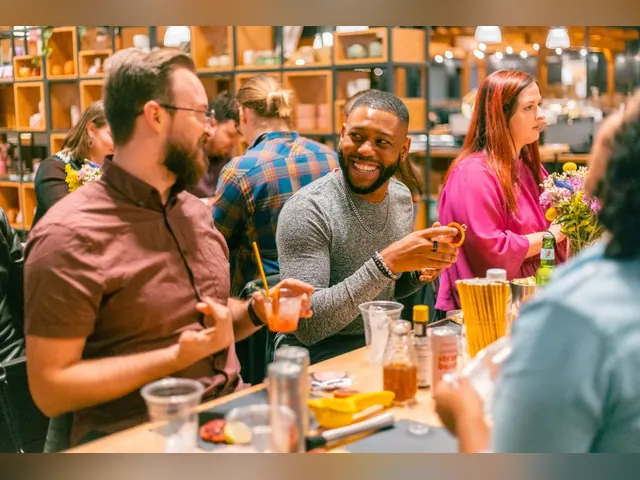
- Copa di Vino (Season 2) sells single-serve wine in a resealable glass and did not get a deal but is listed as active. Bar Bees (Season 15), mobile cocktail classes, closed a deal with guest Shark Daniel Lubetzky, a reminder that experiences can be a lower-cost way into cocktail culture.
Choose your lane
- Non-alcoholic mixers, syrups and bitters-style products: food regulations, lower startup costs, sold through specialty retail and online.
- Non-alcoholic spirits and mocktails: growing interest and no alcohol tax, but premium expectations.
- Wine- or malt-based RTDs and beers: alcohol licensing required, generally through distributors.
- Spirits: highest regulation, longest timelines (especially aged spirits), largest capital needs.
Startup costs breakdown
Typical estimates for a co-packed non-alcoholic mixer brand versus an alcoholic RTD brand.
| Item | Mixer brand (estimate) | Alcoholic RTD (estimate) |
|---|---|---|
| Formulation and testing | $3,000-$15,000 | $10,000-$40,000 |
| Licensing, label approvals and legal | $1,000-$5,000 | $10,000-$40,000 |
| First production run | $10,000-$40,000 | $50,000-$200,000 |
| Bottles or cans, labels and cases | $5,000-$20,000 | $20,000-$80,000 |
| Warehousing and freight | $1,000-$5,000 | $5,000-$25,000 |
| Branding and website | $2,000-$10,000 | $5,000-$25,000 |
| Sampling, events and marketing | $5,000-$20,000 | $30,000-$100,000+ |
Step-by-step: how to start a mixer or drinks brand
- Choose your lane and occasion. Brunch, margarita night, mocktails for parties, beach coolers or holiday gatherings.
- Understand the regulations. Non-alcoholic mixers follow food rules. Alcohol requires federal and state permits, formula and label approvals and excise tax compliance in the US, with equivalent systems elsewhere. Consult a beverage attorney early.
- Develop with a beverage formulator. Shelf stability, acidity and consistent flavor across batches matter.
- Find a co-packer or producer. Alcohol brands often use contract producers or alternating proprietorships rather than building their own facility.
- Design packaging for the shelf and the bar. Bartenders and shoppers both judge by the bottle.
- Win local accounts. Bars, restaurants and bottle shops build credibility and sales data.
- Secure distribution. Use early sales to pitch distributors, and budget for supporting them with samples and promotions.
- Sell direct where allowed. Mixers can sell online broadly; alcohol direct shipping is restricted in many places.
How to make money
As typical estimates, a 750 ml bottle of craft mixer might cost $2.50 to $5 to produce and retail for $10 to $18. A four-pack of canned cocktails might cost $3 to $6 to produce before taxes and retail for $12 to $18, but distributor and retailer margins plus excise taxes reduce what the brand keeps. Mixer brands can sell online with fewer restrictions, which helps margins.
Additional revenue can come from bar and restaurant accounts, gift sets, cocktail kits, corporate events, private label for hospitality groups and experiences such as tastings and classes.
Building demand bar by bar
Drinks brands are built one account at a time. Bartenders, bottle shop owners and restaurant beverage directors are powerful early advocates, because they put your product in front of customers and recommend it. Visit accounts in person, bring samples, and offer simple cocktail recipes or menu ideas that feature your product. Staff training sessions and tastings help servers sell it confidently.
For mixers and non-alcoholic products, think about where people buy for occasions: gourmet grocers, kitchen and gift stores, liquor stores that carry mixers, and online marketplaces. Bundles such as a margarita kit or a mocktail party pack make your product easy to gift and help raise order values. Track which accounts reorder and why. A small number of enthusiastic accounts with steady reorders is a stronger story for distributors and investors than a long list of stores that tried you once.
Questions the Sharks would ask you
- Which states or regions are you in, and who distributes you?
- What is your depletion rate (how fast product sells through)?
- How much do you spend supporting distributors and retailers?
- What makes your drink different from the dozens of RTDs or mixers on shelves?
- How much capital do you need to reach profitability?
Red flags that sink pitches in this category
- Underestimating regulation. Licensing and label approvals take time and money.
- Relying on distributors to sell for you. Distributors carry thousands of products; brands must create demand.
- Too many markets too soon. Spreading thin across states drains cash.
- Celebrity or lifestyle branding without sales. Investors look for depletions, not just awareness.
Frequently asked questions
How much does it cost to start a cocktail mixer brand?
A non-alcoholic mixer brand made by a co-packer can launch for roughly $25,000 to $100,000 in formulation, packaging, production and marketing. Alcohol brands usually cost more because of licensing, taxes and larger production runs; a canned cocktail or spirits brand often needs $150,000 to $500,000 or more. These are typical estimates.
Do I need a license to sell cocktail mixers?
Non-alcoholic mixers are generally regulated as food or beverages, so food safety and labeling rules apply. Alcoholic products require federal, state and sometimes local licensing, label approval and tax compliance in the US, with similar systems elsewhere. Rules vary significantly by location.
How do alcohol brands get distribution?
In the US, most alcohol is sold through a three-tier system: producers sell to licensed distributors, who sell to retailers and bars. Winning a distributor typically requires proof of demand, a marketing plan and support budget. Some states allow limited self-distribution or direct sales.
Are non-alcoholic spirits and mocktails a good business?
Interest in non-alcoholic and low-alcohol drinks has grown as more people moderate their drinking. These products avoid alcohol licensing and taxes, but competition is increasing and shoppers expect complex, adult flavors at premium prices.
Every pitch, deal and Shark mentioned here is checked against our database of 1,533 Shark Tank pitches. Cost ranges are typical estimates, not quotes. This is general education, not financial, legal or investment advice. Editorial policy · Suggest a correction
More business ideas
See all →
How to Start a Cookie and Baked Goods Business: Lessons From 11 Shark Tank Pitches
Baked goods are one of the most accessible food businesses to start, often right from a home…
How to Start a Prepared Meals or Meal Kit Business: Lessons From 11 Shark Tank Pitches
Busy households will pay for dinner they do not have to plan or cook. Here is how prepared meal…
How to Start an Ice Cream or Frozen Dessert Brand: Lessons From 10 Shark Tank Pitches
Frozen desserts are a joyful business with a hard logistics problem: everything has to stay frozen.
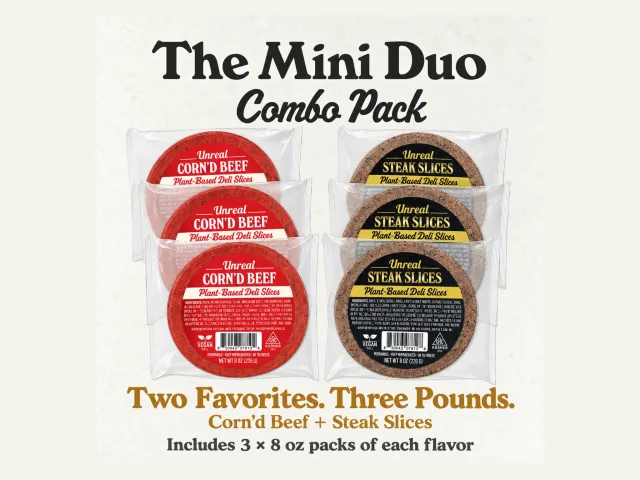
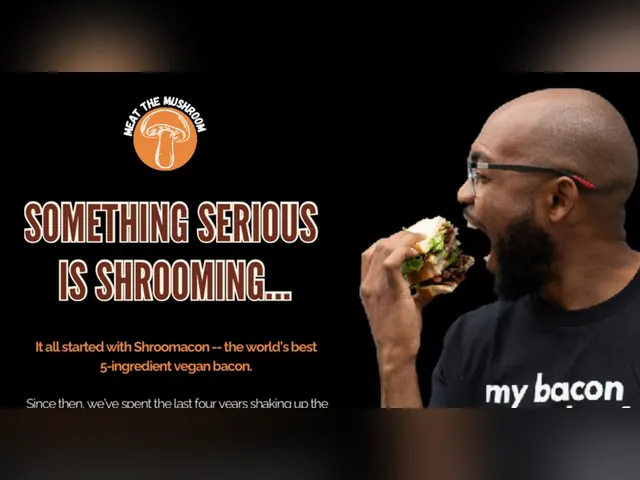
How to Start a Plant-Based Food Brand: Lessons From 10 Shark Tank Pitches
Plant-based food has moved from health-food stores to mainstream grocery aisles.
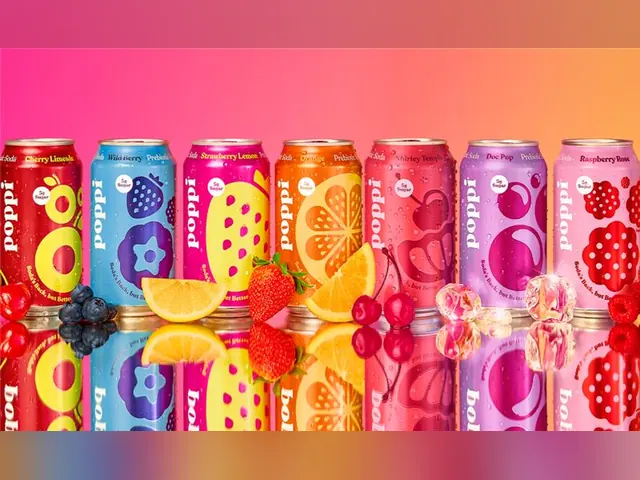
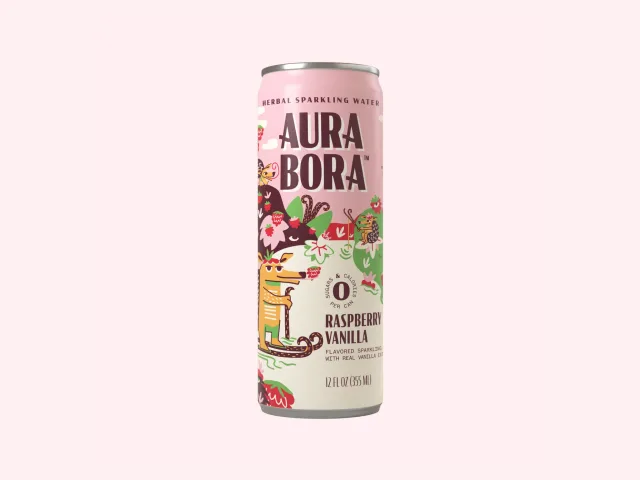
How to Start a Functional Beverage Brand: Lessons From 11 Shark Tank Pitches
Better-for-you drinks are one of the hottest grocery categories and one of the most expensive to…

How to Start a Coffee Brand: Lessons From 11 Shark Tank Pitches
Coffee is a daily habit with fierce loyalty, which makes it a great subscription business and a…
The Questions Sharks Always Ask (and How to Answer Them)
Almost every Shark Tank pitch is decided in the question-and-answer round, not the opening speech.
How Valuation Works on Shark Tank (With Examples)
Every Shark Tank ask contains a valuation: divide the dollars by the equity percentage.

A Shark-Tank-Style Elevator Pitch Template (Fill in the Blank)
A practical, fill-in-the-blank template for a Shark Tank-style pitch, with 30-second, one-minute…