At a glance
- 💰 Startup cost
- $5K-$150K
- 📈 Difficulty
- Moderate
- ⏱️ Time to launch
- 2-6 months
- 📊 Typical margins
- Medium-High (40-60% gross on direct sales)
- 🎯 Best for
- Coffee enthusiasts with a clear niche, format or mission and patience to build a repeat customer base
Real Shark Tank pitches in this space
Swipe → Deal
MistoBox
Season 4 · Mark Cuban
 Deal
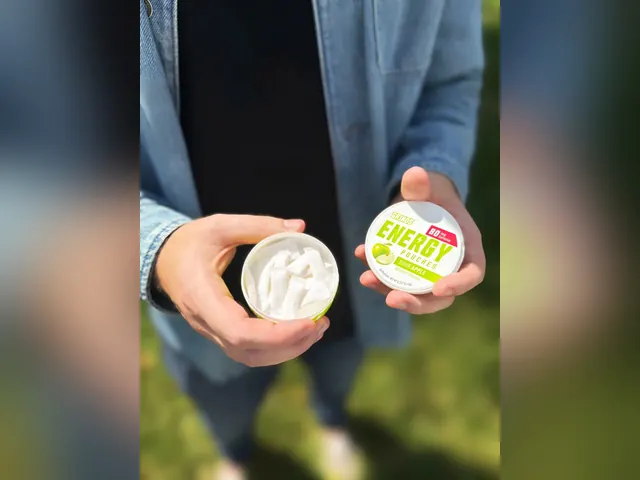
Get Grinds
Season 4 · Robert Herjavec
 Deal
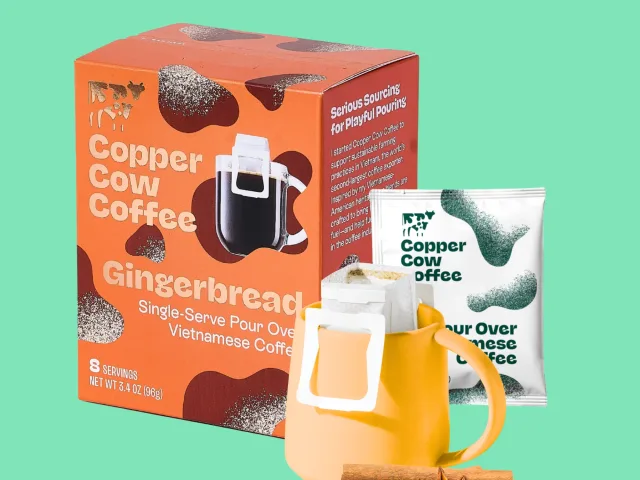
Copper Cow Coffee
Season 12 · Robert Herjavec
Deal
Bruw
Season 10 · Mark Cuban
 Deal
Kahawa 1893
Season 14 · Emma Grede
No deal
Victory Coffees
Season 8
 No deal
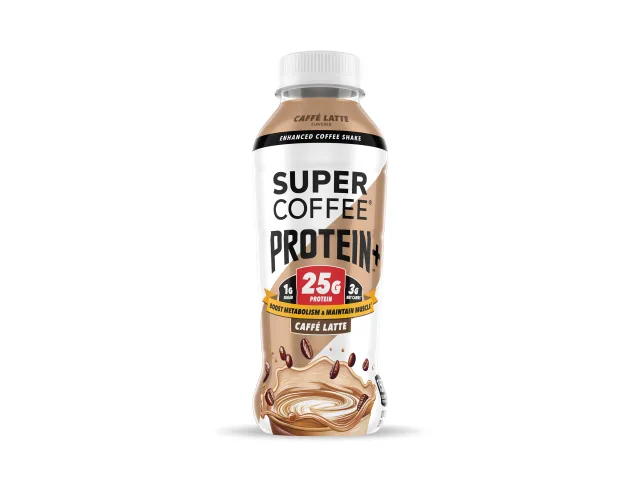
Sunniva Super Coffee
Season 9
No deal
Hotshot
Season 7
 Deal
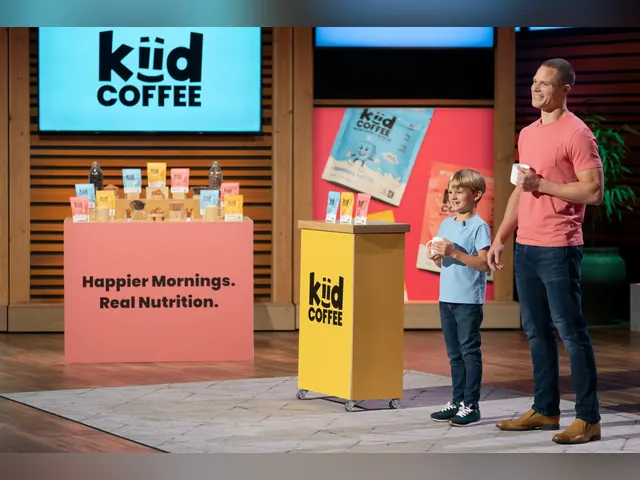
Kiid Coffee
Season 16 · Daniel Lubetzky
 No deal
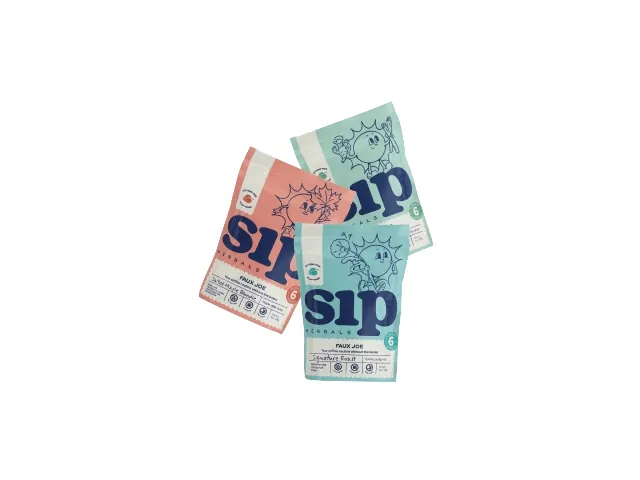
Sip Herbals
Season 15
Deal
Talbott Teas
Season 3 · Kevin O'Leary
Why a coffee brand works now
Coffee is one of the few products people buy every week, which makes it a natural fit for subscriptions and loyalty. Drinkers have also become more adventurous: single-origin beans, cold brew, ready-to-drink cans, functional add-ins and caffeine alternatives all have growing audiences. Private-label roasting means you can launch a brand without buying a roaster on day one.
The catch is competition and switching costs. Coffee drinkers are loyal to what they already like, so new brands need a clear angle: an origin story, a format, a mission or a specific customer.
What Shark Tank pitches teach us
Coffee and tea brands have tried many angles in the Tank:
- MistoBox (Season 4) curates beans from independent roasters into a subscription and got a deal with Mark Cuban. A subscription can be a business without owning a roaster.
- Get Grinds (Season 4) created coffee pouches placed between cheek and gum and closed a deal with Robert Herjavec and Daymond John. An entirely new format got attention because it solved a "no cup" moment.
- Copper Cow Coffee (Season 12) packages Vietnamese-style pour-over coffee with sweetened condensed milk and got a deal with Robert Herjavec. A cultural tradition paired with convenience is a strong combination.
- Bruw (Season 10) offers a do-it-yourself cold brew product and got a deal with Mark Cuban, while Kiid Coffee (Season 16), a coffee-style drink formulated for kids, closed a deal with guest Shark Daniel Lubetzky.
- Kahawa 1893 (Season 14) sells African-sourced coffee with a mission to pay women farmers fairly and got a deal with guest Shark Emma Grede. A clear mission can be a real point of difference.
- Talbott Teas (Season 3) got a deal with Kevin O'Leary for its premium loose-leaf teas and is listed as acquired.
- Victory Coffees (Season 8), Sunniva Super Coffee (Season 9), Hotshot (Season 7) and Sip Herbals (Season 15) did not get deals. Ethical sourcing, protein-enriched ready-to-drink coffee, hot canned coffee and caffeine-free alternatives are all real ideas, but each pitch shows that investors look hard at traction, unit economics and competition.
Choose your coffee business model
"Coffee brand" can mean very different businesses:
- Private-label beans: a licensed roaster produces coffee to your specification and you focus on branding and sales. Lowest cost, fastest launch, less control.
- Your own roastery: more control over quality and margins, but requires equipment, ventilation, permits and skill.
- Subscription or curation: you sell variety and convenience by featuring multiple roasters or origins.
- New format: pods, pouches, concentrates, instant packets or canned drinks. Higher development costs, but more differentiation.
Building a brand coffee drinkers stick with
Because switching costs are emotional rather than financial, the coffee brands that keep customers tend to do a few things consistently well. They make the first cup easy to love, often by recommending a single "start here" blend instead of overwhelming new buyers with ten origins. They make reordering effortless, with flexible subscription schedules, easy skips and reminders before a bag runs out. And they give people something to belong to: a mission, a place, a ritual or a community of fellow drinkers.
Education also helps. Simple brew guides, grind recommendations and tasting notes written in plain language reduce the chance that a customer brews your coffee badly and blames the beans. Some brands include a short card with each order explaining where the coffee came from and how to get the most out of it. Small touches like these cost little and can noticeably improve retention, which is the number that ultimately decides whether a coffee brand is profitable.
Startup costs breakdown
Typical estimates for a private-label launch versus a small roastery.
| Item | Private label (estimate) | Own roastery (estimate) |
|---|---|---|
| Roasting equipment and ventilation | Not applicable | $15,000-$80,000 |
| Facility deposits and build-out | Not applicable | $5,000-$40,000 |
| Green or roasted coffee inventory | $1,500-$6,000 | $3,000-$10,000 |
| Bags with valves, labels and boxes | $1,000-$5,000 | $1,500-$6,000 |
| Branding, website and subscription software | $1,000-$6,000 | $1,500-$8,000 |
| Licenses, permits and insurance | $300-$1,500 | $1,500-$5,000 |
| Launch marketing and samples | $1,000-$8,000 | $2,000-$10,000 |
Step-by-step: how to start a coffee brand
- Choose your niche. Origin, roast style, format, mission, diet (low-acid, mushroom blends) or a specific customer (outdoor enthusiasts, offices).
- Pick your production model. Interview several private-label roasters or co-packers and taste their samples before signing anything.
- Understand the rules. Coffee is regulated as a food in most places. Check food facility registration, labeling and any requirements for claims like organic or fair trade. Ready-to-drink products have additional rules.
- Design for freshness. Use bags with one-way valves, print roast dates and plan inventory so coffee does not sit too long.
- Build your store with subscriptions from day one. Recurring orders are where coffee economics work.
- Win local first. Offices, cafes, gyms and farmers markets offer sampling opportunities and wholesale accounts.
- Measure retention. Track how many subscribers stay after three and six months, and why others cancel.
- Expand channels carefully. Amazon, grocery and corporate accounts each have different pricing needs.
How to make money
A 12 oz bag of specialty coffee might cost $4 to $8 to produce through private label (less if you roast yourself) and retail for $14 to $22, as typical estimates. Wholesale prices to cafes and shops are typically 30-50% lower than retail. The real profit driver is retention: a subscriber who stays for a year can be worth many times the cost of acquiring them.
Additional revenue can come from office coffee programs, cafe wholesale, gift sets, branded merchandise and brewing equipment.
Questions the Sharks would ask you
- Why would a coffee drinker switch from the brand they buy today?
- How many subscribers do you have, and what is your monthly churn?
- What does it cost to acquire a subscriber, and how long do they stay?
- Do you roast yourself, and if not, who controls quality?
- What are your gross margins online versus wholesale?
Red flags that sink pitches in this category
- "Great coffee" as the only differentiator. Quality is the baseline, not the pitch.
- High churn hidden behind sign-up growth. Subscriptions only work if people stay.
- Expensive new formats with no proof of demand. Novel products need early sales data.
- Thin wholesale margins. If grocery pricing leaves little room, scaling through retail can lose money.
Frequently asked questions
How much does it cost to start a coffee brand?
A private-label coffee brand that uses an existing roaster can start at roughly $5,000 to $20,000 for branding, packaging and first inventory. Roasting your own beans adds equipment and facility costs that commonly push budgets to $50,000 to $150,000. Ready-to-drink canned coffee usually needs a co-packer and larger production runs. These are typical estimates.
Is a coffee brand profitable?
Coffee can be profitable because customers buy repeatedly. Whole-bean coffee often carries 40-60% gross margins on direct sales, but advertising costs to win new subscribers can be high. Profit depends on customer retention: the longer a subscriber stays, the more each acquisition pays off.
Do I need a license to sell coffee?
Roasted coffee is generally treated as a food product, so you typically need a food business registration and may need a licensed facility, depending on where you roast and package. Using a licensed roaster for private label can simplify this. Ready-to-drink beverages face additional rules. Check your local requirements.
How do coffee subscription businesses work?
Customers sign up to receive coffee on a regular schedule, usually every two to four weeks. The business either roasts its own beans or curates from partner roasters, and earns recurring revenue. Success depends on freshness, variety, convenience and keeping customers subscribed.
Every pitch, deal and Shark mentioned here is checked against our database of 1,533 Shark Tank pitches. Cost ranges are typical estimates, not quotes. This is general education, not financial, legal or investment advice. Editorial policy · Suggest a correction
More business ideas
See all →
How to Start a Spirits, RTD or Cocktail Mixer Brand: Lessons From 11 Shark Tank Pitches
Cocktail culture keeps growing, from craft spirits to canned cocktails to non-alcoholic…

How to Start a Candy and Chocolate Business: Lessons From 10 Shark Tank Pitches
Candy is an impulse buy, a gift and a nostalgic treat all at once. Here is how to build a candy or…
How to Start a Jerky and Meat Snack Business: Lessons From 8 Shark Tank Pitches
Jerky and meat snacks ride the protein trend, but they are among the most regulated foods you can…
How to Start a Plant-Based Food Brand: Lessons From 10 Shark Tank Pitches
Plant-based food has moved from health-food stores to mainstream grocery aisles.

How to Start a Food Truck Business: Lessons From 8 Shark Tank Pitches
A food truck is one of the most direct ways to test a restaurant concept with real customers.
How to Start a Cookie and Baked Goods Business: Lessons From 11 Shark Tank Pitches
Baked goods are one of the most accessible food businesses to start, often right from a home…
What "No Deal" Success Stories Teach Founders
Leaving the Tank without a deal is not the end of the story. In our database, no-deal businesses…

How to Get on Shark Tank: The Application and Casting Process
Shark Tank casts entrepreneurs through an online application on ABC's site and in-person open…


How to Value Your Startup Before You Ask for Money
Before you ask anyone for money, you need a defensible valuation. This guide walks through four…