At a glance
- 💰 Startup cost
- $5K-$50K
- 📈 Difficulty
- Moderate
- ⏱️ Time to launch
- 3-6 months
- 📊 Typical margins
- Medium-High (45-65% gross)
- 🎯 Best for
- Creative founders with a strong visual sense who enjoy events, trends and seasonal planning
Real Shark Tank pitches in this space
Swipe → Deal
Foam Party Hats
Season 12 · Mark Cuban
 Deal
Let Them Eat Candles
Season 15 · Lori Greiner
 Deal
Black Paper Party
Season 15 · Barbara Corcoran
 Deal
Garage Celebrations
Season 14 · Mark Cuban
Deal
Evrewares
Season 6 · Mark Cuban
 Deal
Bubbly Blaster
Season 12 · Mark Cuban
Deal
180Cup
Season 5 · Daymond John
Deal
Pink Shutter Photo Booths
Season 4 · Barbara Corcoran
 Deal
Mirmir
Season 9 · Robert Herjavec
No deal
Susty Party
Season 5
No deal
The Blowzee
Season 13
Why a party products business works now
People celebrate constantly: birthdays, weddings, showers, graduations, holidays, game days and office events. Hosts increasingly want gatherings that look good in photos and feel personal, which has created demand for themed decorations, custom accessories, eco-friendly supplies and experiences such as photo booths. Because party purchases are emotional and often last-minute, shoppers are willing to pay for products that save time or make an event memorable.
The category spans physical products, such as tableware, decorations, hats and novelty items, and event services, such as rentals. Both reward founders who can create a strong visual identity and reach hosts at the moment they are planning.
What Shark Tank pitches teach us
Party and celebration products have done well with the Sharks, and our database includes many deals:
- Foam Party Hats (Season 12) makes custom foam hats in fun shapes for events and got a deal with Mark Cuban and Lori Greiner. It is listed as still active. A product that doubles as a photo moment markets itself.
- Let Them Eat Candles (Season 15) makes edible birthday candles and got a deal with Lori Greiner. A playful twist on a party staple is easy to explain in seconds.
- Black Paper Party (Season 15) makes party supplies featuring Black representation and got a deal with Barbara Corcoran. Serving customers who feel overlooked by mainstream party aisles can build strong loyalty.
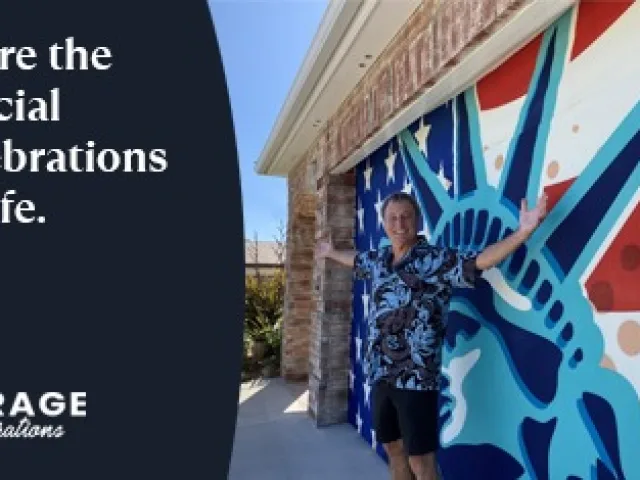
- Garage Celebrations (Season 14), large decorative covers for garage doors, and Evrewares (Season 6), serving and entertaining supplies, both got deals with Mark Cuban. Products that cover several holidays or occasions sell beyond one season.
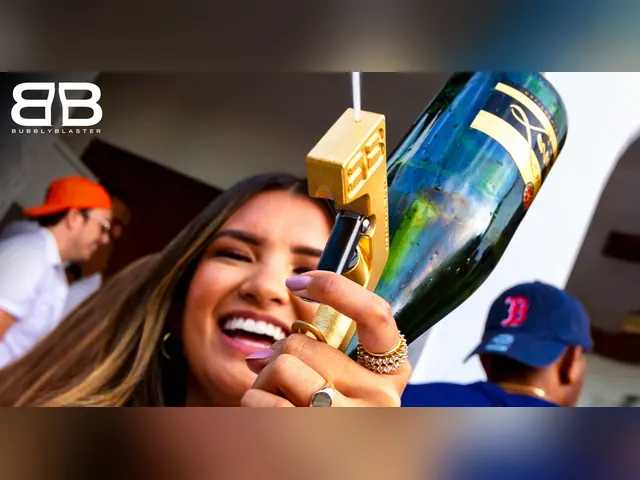
- Bubbly Blaster (Season 12), a nozzle that turns a champagne bottle into a sprayer, got a deal with Mark Cuban and guest Shark Alex Rodriguez, and 180Cup (Season 5), a party cup for games and gatherings, got a deal with Daymond John.
- Pink Shutter Photo Booths (Season 4) rents photo booths for weddings and events and got a deal with Barbara Corcoran, while Mirmir (Season 9), a portable photo booth, got a deal with Robert Herjavec. Event experiences can be rented, sold or both.
- Susty Party (Season 5), compostable and recyclable party supplies, and The Blowzee (Season 13), a device for blowing out birthday candles without spraying the cake, did not get deals. Susty Party is listed as still active, showing that a no from the Sharks is not the end.
Startup costs breakdown
The figures below are typical estimates for launching one or two party products made by a contract manufacturer. Rental businesses swap inventory for equipment and transport costs.
| Item | Typical estimate |
|---|---|
| Design, samples and prototypes | $1,000-$10,000 |
| First production run (manufacturer minimums) | $5,000-$30,000 |
| Safety testing (if children will use it) | $500-$5,000 per product |
| Packaging, labels and warnings | $1,000-$5,000 |
| Event equipment (for rental businesses) | $3,000-$20,000 |
| Website, photography and e-commerce setup | $1,000-$6,000 |
| Insurance and business registration | $800-$3,000 per year |
| Launch marketing, samples and trade shows | $2,000-$15,000 |
Step-by-step: how to start a party products business
- Pick an occasion and a customer. Kids' birthdays, weddings, sports fans, holiday decorators and corporate events each have different buyers, budgets and timelines.
- Design for the photo. Party products are shared online. Bold colors, clear themes and a memorable shape help your product travel.
- Check the rules that apply. Products intended for children 12 and under generally fall under the CPSIA in the US, and balloons and small parts carry specific warning requirements. Edible items fall under food safety rules, and environmental claims such as "compostable" should be accurate and supported. Confirm requirements for your product.
- Source and sample. Get quotes from several manufacturers, compare minimums and lead times, and test durability, printing quality and color accuracy.
- Plan for seasonality. Order holiday products months ahead and build a calendar of occasions to smooth sales through the year.
- Launch online and on marketplaces. Hosts search for themes and occasions, so use clear names and keywords that match how people plan parties.
- Reach planners and venues. Event planners, venues and party stores can become repeat wholesale or referral partners.
- Add customization. Personalized names, dates and team colors often command higher prices.
How to make money
Party products usually carry healthy markups because they are bought for special moments. As an estimate, a decoration kit that costs $3 to $6 to make might wholesale for $8 to $12 and retail for $15 to $30, with custom or personalized versions priced higher. Rental businesses earn per event: a photo booth rental, for example, often charges several hundred dollars or more for a few hours, with equipment costs spread across many bookings.
Extra revenue can come from bundles and party-in-a-box kits, corporate and branded orders, wholesale to party and gift stores, licensing designs for sports teams or characters and subscription boxes for holidays. Bundles are especially effective because hosts prefer buying everything for one theme in a single order.
Taming seasonality
Many party businesses earn most of their revenue around a handful of dates, such as Halloween, the winter holidays or graduation season. That makes cash flow and inventory planning critical. Successful brands often balance seasonal items with year-round occasions like birthdays and weddings, use preorders for holiday products and offer corporate events as a steady side channel. Selling the same core product in multiple themes, as Garage Celebrations does with covers for different holidays and events, spreads sales across the calendar.
Questions the Sharks would ask you
- What does it cost to make, and what do you sell it for at wholesale and retail?
- How much of your revenue comes from one season?
- How many customers come back for the next party or holiday?
- What stops a large party supply company from copying your product?
- Which retailers or planners carry you today?
- Is this one product or a brand that can expand across occasions?
Red flags that sink pitches in this category
- A one-time novelty. Investors want repeat purchases, not a single laugh.
- Heavy dependence on one holiday. A bad season can wipe out a year.
- Easily copied products. Without a brand, patent or cost advantage, imitations arrive quickly.
- Unsupported green claims. "Eco-friendly" needs evidence and clear labeling.
- Ignoring safety warnings. Products used around children or food need proper compliance.
The bottom line
A party products business succeeds when it makes celebrations easier, more personal or more photogenic. Choose a clear occasion and audience, design products people want to show off, plan carefully for seasonal swings and grow into a range of themes that brings hosts back for every event.
Frequently asked questions
How much does it cost to start a party products business?
Launching one or two party products with a contract manufacturer typically costs around $5,000 to $25,000 for samples, a first production run, packaging, a website and initial marketing. Event rental businesses, such as photo booths, often spend $5,000 to $20,000 on equipment and transport. These are typical estimates that vary with product type and minimum order quantities.
Is a party supply business profitable?
It can be. Party products often retail for three to five times their production cost because they are bought for special occasions, and personalized items command higher prices. Profit depends on managing seasonal inventory, keeping shipping costs in check and earning repeat orders for future events.
What regulations apply to party products?
It depends on the product. In the US, items intended for children 12 and under generally fall under the CPSIA, and balloons and products with small parts require specific choking hazard warnings. Edible products must follow food safety rules, and environmental claims such as compostable or biodegradable should be accurate and supported. Check the requirements for each item you sell.
How do I sell party products beyond the holidays?
Balance seasonal items with year-round occasions such as birthdays, weddings, showers and graduations. Offer themed bundles, personalized versions and corporate or team orders, and build relationships with event planners and venues. Releasing the same core product in multiple themes helps spread sales across the calendar.
Every pitch, deal and Shark mentioned here is checked against our database of 1,533 Shark Tank pitches. Cost ranges are typical estimates, not quotes. This is general education, not financial, legal or investment advice. Editorial policy · Suggest a correction
More business ideas
See all →
How to Start a Subscription Box Business: Lessons From 12 Shark Tank Pitches
A subscription box turns one sale into recurring revenue, but churn and shipping costs can quietly…

How to Start a Personalized Gifts Business: Lessons From 12 Shark Tank Pitches
Custom songs, keepsake trunks, look-alike figures and letters from Santa have all won Shark Tank…

How to Invent and Sell a Cleaning Product: Lessons From 12 Shark Tank Pitches
Cleaning products are among the most successful inventions ever pitched on Shark Tank, because…
How to Start a Jewelry Brand: Lessons From 9 Shark Tank Pitches
Jewelry can be started at a kitchen table and still grow into a national brand.
How to Start a Jerky and Meat Snack Business: Lessons From 8 Shark Tank Pitches
Jerky and meat snacks ride the protein trend, but they are among the most regulated foods you can…


How to Start an Educational Toy Business: Lessons From 11 Shark Tank Pitches
Building sets, coding kits and hands-on learning toys have earned several Shark Tank deals.


How to Get on Shark Tank: The Application and Casting Process
Shark Tank casts entrepreneurs through an online application on ABC's site and in-person open…

What "No Deal" Success Stories Teach Founders
Leaving the Tank without a deal is not the end of the story. In our database, no-deal businesses…

What Happens After Shark Tank: Due Diligence, Deals That Fall Through and the Shark Tank Effect
An on-air handshake is the start of a process, not the end. This guide explains due diligence…