At a glance
- 💰 Startup cost
- $5K-$50K
- 📈 Difficulty
- Moderate
- ⏱️ Time to launch
- 2-5 months
- 📊 Typical margins
- Low-Medium (25-45% gross after shipping, typical estimate)
- 🎯 Best for
- Curators with a defined niche audience who love sourcing products and building community
Real Shark Tank pitches in this space
Swipe → Deal
PupBox
Season 8 · Robert Herjavec
 Deal
Foot Cardigan
Season 7 · Mark Cuban
 Deal
MistoBox
Season 4 · Mark Cuban
Deal
Bootay Bag
Season 12 · Kendra Scott
 Deal
Moink
Season 10 · Jamie Siminoff
Deal
Monti Kids
Season 10 · Kevin O'Leary
 Deal
History By Mail
Season 16 · Barbara Corcoran
 Deal
Frsh
Season 14 · Barbara Corcoran
 No deal
Surprise Ride
Season 5
 No deal
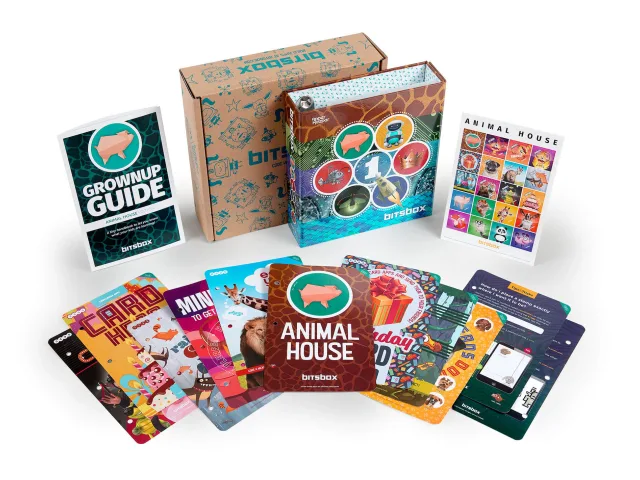
Bitsbox
Season 8
No deal
Angel Shave Club
Season 10
Deal
Toygaroo
Season 2 · Mark Cuban
Why a subscription box business works now
Subscription boxes promise something customers love: a regular surprise, curated by someone who knows the category better than they do. For founders, the appeal is predictable recurring revenue and a direct relationship with customers. Once a subscriber is on board, each month's revenue does not require a new sale.
That is the theory. In practice, boxes face two hard realities: customers cancel (churn), and shipping is expensive. The subscription box market has matured, and many generic boxes have closed. The ones that last tend to serve a passionate niche, deliver real value per box and keep improving the experience.
A strong box usually fits one of three jobs: replenishment (things you run out of, like razors or coffee), curation (discovering new products, like specialty snacks or socks) or access (exclusive items or experiences you cannot easily get elsewhere).
What Shark Tank pitches teach us
- PupBox (Season 8), a monthly box for new puppy owners tailored to age, size and breed, got a deal with Robert Herjavec. Lesson: personalization and a clear life stage make a box feel essential.
- MistoBox (Season 4), coffee from independent roasters curated to taste, got a deal with Mark Cuban and is listed as active. Lesson: replenishment products with built-in discovery are a strong fit.
- Foot Cardigan (Season 7), monthly fun socks, got a deal with Mark Cuban and guest Shark Troy Carter. Bootay Bag (Season 12), monthly underwear for women, got a deal with guest Shark Kendra Scott and is listed as active. Lesson: affordable, giftable products with playful branding can work well.
- Moink (Season 10), meat from family farms, got a deal with guest Shark Jamie Siminoff. Monti Kids (Season 10), Montessori-inspired toys for babies and toddlers, got a deal with Kevin O'Leary. History By Mail (Season 16), replica historical documents, got a deal with Barbara Corcoran and Daniel Lubetzky. Frsh (Season 14), designer car air fresheners, got a deal with Barbara Corcoran.
- Surprise Ride (kids' activity kits), Bitsbox (kids' coding projects) and Angel Shave Club (razors for women) left without deals. Surprise Ride is listed as active.
- Toygaroo (Season 2), a toy rental subscription, got a deal with Mark Cuban and Kevin O'Leary but is listed as closed. Lesson: a deal does not guarantee survival; logistics and economics still have to work.
Startup costs breakdown
Typical estimates for launching with a few hundred subscribers:
| Item | Lean start | Funded start |
|---|---|---|
| First boxes of inventory | $2,000-$8,000 | $10,000-$25,000 |
| Custom boxes, inserts and packaging | $500-$2,500 | $3,000-$8,000 |
| Subscription platform and website | $300-$2,000 | $3,000-$8,000 |
| Packing space or fulfillment partner setup | $0-$1,500 | $2,000-$6,000 |
| Shipping supplies and postage float | $500-$2,000 | $2,000-$5,000 |
| Launch marketing and influencer boxes | $1,000-$5,000 | $8,000-$20,000 |
Pre-selling founding memberships before you buy inventory is the most capital-efficient way to start.
Step-by-step: how to start
- Choose a passionate niche. New pet owners, specialty coffee fans, history buffs, Montessori parents, crafters or a specific hobby. Passion reduces churn.
- Define the value promise. Customers should feel each box is worth more than its price, either in retail value, convenience or unique access.
- Source products and partners. Small brands often provide products at a discount or as samples for exposure. Build reliable suppliers for core items.
- Design for shipping. Choose box sizes and weights that keep postage manageable, and protect fragile items.
- Follow the rules for auto-renewal. The FTC and many states regulate automatic renewals, requiring clear disclosure of terms, consent and an easy way to cancel. Food, cosmetics and children's products in your box also carry their own regulations. Check current requirements.
- Pre-sell. Open a waitlist, offer founding member pricing and only order inventory once you know your subscriber count.
- Launch with a strong first box. The first unboxing sets expectations and drives social sharing.
- Measure churn monthly. Survey cancelers and fix the top reasons quickly.
Beating churn
Churn is the number that decides whether a box business survives. Practical ways to keep subscribers longer:
- Personalize. Use a short quiz to tailor boxes, and let customers rate items to improve future picks.
- Offer flexibility. Skip-a-month and swap options keep people who might otherwise cancel.
- Reward loyalty. Bonus items at three, six and twelve months.
- Sell prepaid plans. Three-, six- and twelve-month gift subscriptions lock in revenue and reduce churn.
- Build community. Online groups, member events and user-generated content make subscribers feel part of something.
How to make money
Subscription boxes often price between $20 and $60 a month. As a typical estimate, product costs might run 30-40% of the price and packaging plus shipping another 15-25%, leaving modest gross margins. The real profit comes from subscribers who stay for many months.
- Monthly and prepaid subscriptions: the core revenue stream.
- Gift subscriptions: especially strong in the holiday season.
- Add-on shop: let subscribers buy full-size versions of favorite items.
- Brand partnerships: some brands pay for placement or provide free products.
- Corporate gifting: bulk boxes for employees and clients.
Your first 90 days
- Month one: pick your niche and build a waitlist with a landing page, social posts and conversations in communities where your customers gather. Aim for a few hundred sign-ups.
- Month two: source products for your first three boxes, not just the first one, so you know you can keep delivering value. Do a full cost test: pack a sample box, weigh it and price the postage.
- Month three: open founding memberships, ship your first boxes and send a short survey after delivery. Track how many subscribers renew for month two, because that number tells you more than any launch-day sales figure.
Questions the Sharks would ask you
- What is your monthly churn rate?
- How much does it cost to acquire a subscriber, and how many months do they stay?
- What is your gross margin per box after shipping?
- Why can't a big retailer copy this box?
- How do you handle fulfillment as you grow?
Red flags that sink pitches in this category
- High churn: subscribers leaving after one or two boxes.
- Shipping eating profit: heavy, bulky boxes with low prices.
- Generic curation: random items with no clear theme or value.
- Customer acquisition costs above lifetime value: every new subscriber loses money.
- Hard-to-cancel tactics: these damage trust and can break auto-renewal laws.
Serve a passionate niche, deliver real value in every box and obsess over churn, and recurring revenue will compound in your favor.
Frequently asked questions
How much does it cost to start a subscription box business?
As a typical estimate, a small subscription box can launch for $5,000-$15,000 using pre-orders, simple packaging and self-fulfillment. A larger launch with custom packaging, a fulfillment partner and paid marketing may require $30,000-$50,000.
Are subscription boxes still profitable?
Some are, especially those serving passionate niches with strong retention. Profitability depends on keeping churn low, controlling shipping costs and acquiring subscribers for less than they are worth over time.
What is a good churn rate for a subscription box?
Churn varies widely by category, but lower is always better. Many box founders track monthly churn closely and work to keep it in the single digits through personalization, flexibility and loyalty rewards.
Do I need to follow any laws for automatic renewals?
Yes. Federal and many state rules govern automatic renewal subscriptions, including clear disclosure of terms, affirmative consent and simple cancellation. Review current FTC guidance and your state's rules.
Every pitch, deal and Shark mentioned here is checked against our database of 1,533 Shark Tank pitches. Cost ranges are typical estimates, not quotes. This is general education, not financial, legal or investment advice. Editorial policy · Suggest a correction
More business ideas
See all →



How to Start a Personalized Gifts Business: Lessons From 12 Shark Tank Pitches
Custom songs, keepsake trunks, look-alike figures and letters from Santa have all won Shark Tank…



How to Start a Party Products Business: Lessons From 11 Shark Tank Pitches
Party hats, decorations, tableware and photo booths have all won Shark Tank deals.




How to Start a Travel Products Business: Lessons From 12 Shark Tank Pitches
Travelers will pay to make airports, packing and long trips less painful.


How to Start a Candle and Home Fragrance Business: Lessons From 7 Shark Tank Pitches
Candles are one of the most popular home-based businesses because they are affordable to make and…




How to Start a Kids' Clothing Business: Lessons From 11 Shark Tank Pitches
Children outgrow their clothes constantly, which gives kids' apparel brands a built-in repeat cycle.




How to Start an Outdoor & Camping Gear Business: Lessons From 12 Shark Tank Pitches
Campers, hikers and road-trippers spend generously on gear that is lighter, smarter and easier to…




Bootstrapping Lessons From Shark Tank Founders
Many founders arrive at the Tank after building their businesses with their own savings and early…




Negotiation Lessons From the Tank
Shark Tank compresses a negotiation that normally takes weeks into minutes.


How to Value Your Startup Before You Ask for Money
Before you ask anyone for money, you need a defensible valuation. This guide walks through four…