At a glance
- 💰 Startup cost
- $20K-$150K
- 📈 Difficulty
- Moderate-Hard
- ⏱️ Time to launch
- 6-18 months
- 📊 Typical margins
- Medium (40-55% gross at wholesale)
- 🎯 Best for
- Teachers, engineers and parents who can turn a learning idea into genuinely fun play
Real Shark Tank pitches in this space
Swipe →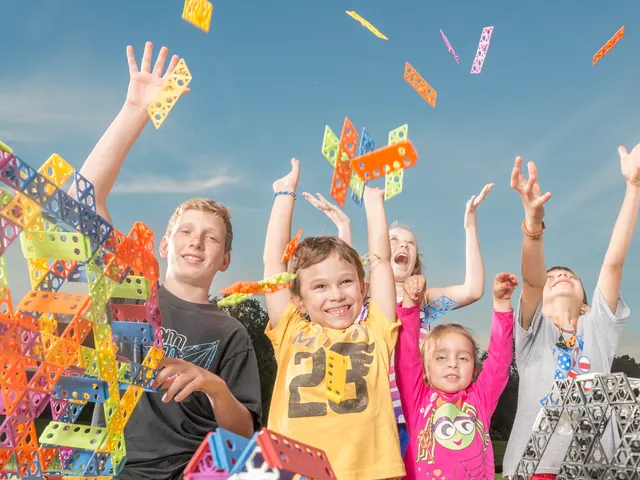 Deal
Qubits
Season 1 · Daymond John
 Deal
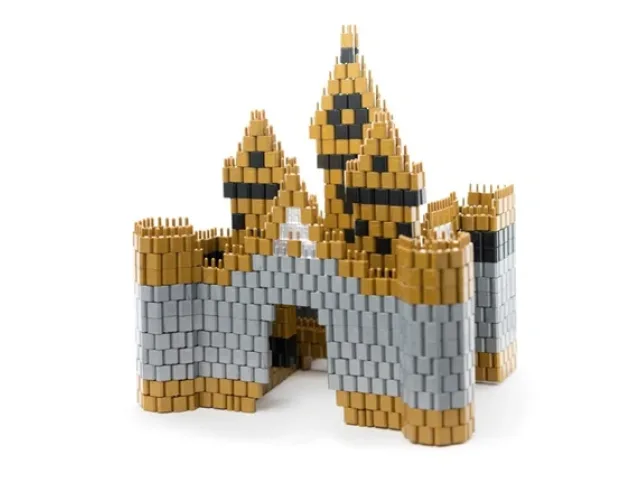
Pinblock
Season 8 · Kevin O'Leary
Deal
SmartGurlz
Season 9 · Daymond John
Deal
Trobo
Season 7 · Robert Herjavec
Deal
Monti Kids
Season 10 · Kevin O'Leary
Deal
Paper Box Pilots
Season 6 · Robert Herjavec
 Deal
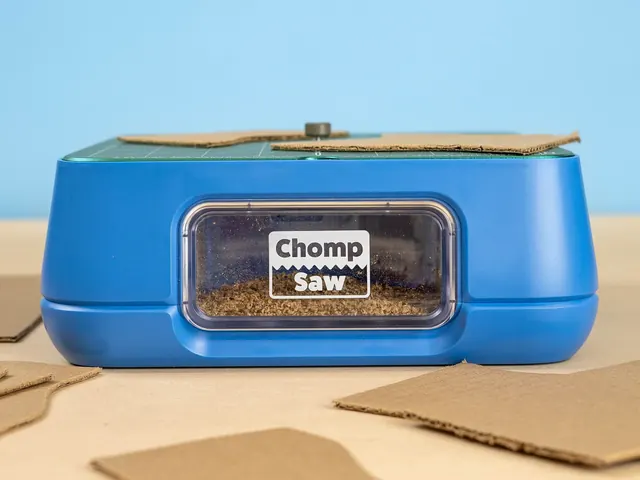
Chomp Shop
Season 16 · Mark Cuban
Deal
Tanoshi
Season 11 · Daymond John
 Deal
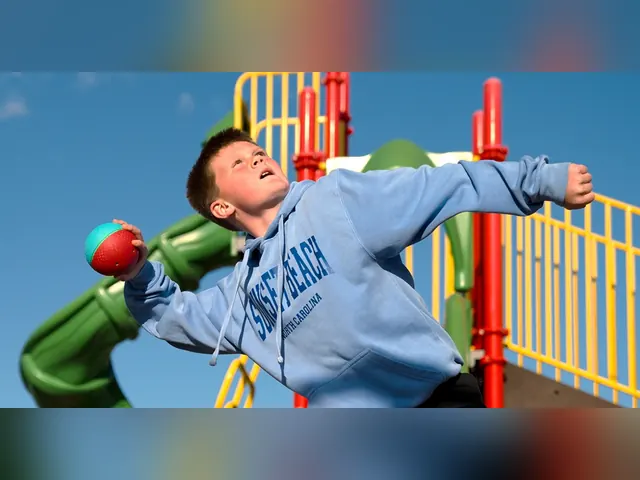
Ball2
Season 18 · Jimmy Donaldson
 No deal
Bitsbox
Season 8
Why an educational toy business works now
Parents want toys that do more than entertain. Building sets, coding kits, science projects and open-ended creative toys appeal to families who want screen-free play, early exposure to STEM subjects or a way to support what children learn at school. Teachers, grandparents and gift buyers add more demand, and crowdfunding platforms let new toy makers test interest before committing to a production run.
The category is competitive, however. Large toy companies dominate store shelves, and "educational" is printed on so many boxes that the word alone means little. The brands that break through show clearly what a child does with the toy and why it holds attention after the first day.
What Shark Tank pitches teach us
Educational toys have done well with the Sharks, and our database shows a range of approaches:
- Roominate (Season 6) is a building toy that lets children construct rooms and wire them with working circuits, and got a deal with Mark Cuban and Lori Greiner. It is listed as still active. Combining building with a real skill, such as simple circuits, gives a toy depth.
- Qubits (Season 1) and Pinblock (Season 8) are construction toys built around new connection systems. Qubits got a deal with Daymond John and Pinblock with Kevin O'Leary. A distinctive way of connecting pieces is a clear reason to choose a new building set.
- SmartGurlz (Season 9), dolls that ride coding-controlled robots, got a deal with Daymond John, and Trobo (Season 7), a plush robot that tells STEM stories through an app, got a deal with Robert Herjavec. Pairing a familiar toy format with a learning layer makes the concept easy to grasp.
- Monti Kids (Season 10) offers a subscription of Montessori-inspired toys for babies and toddlers and closed a deal with Kevin O'Leary. A subscription turns a one-time toy purchase into recurring revenue.
- Paper Box Pilots (Season 6), which turns cardboard boxes into imaginative vehicles, got a deal with Robert Herjavec, and Chomp Shop (Season 16), kid-safe tools for cutting and building with cardboard, got a deal with Mark Cuban and Lori Greiner. Both are listed as still active and lean into screen-free, hands-on creativity.
- Tanoshi (Season 11), a children's tablet with educational content, got a deal with Daymond John, and Ball2 (Season 18), a sensor-packed foam ball with app-based games, got a deal with guest Sharks Jimmy Donaldson and Jeffrey Housenbold.
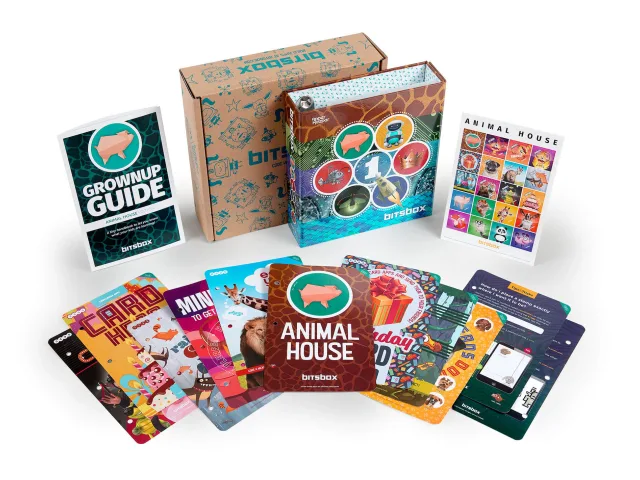
- Bitsbox (Season 8), a coding subscription for kids, did not get a deal, a reminder that a good learning idea still needs economics investors believe in.
Startup costs breakdown
The figures below are typical estimates for a non-electronic toy made by a contract manufacturer. Toys with electronics or apps can cost several times more.
| Item | Typical estimate |
|---|---|
| Design, prototypes and play testing | $2,000-$15,000 |
| Tooling or molds (plastic parts) | $3,000-$30,000 |
| Third-party toy safety testing | $1,000-$8,000 per product |
| First production run (manufacturer minimums) | $10,000-$50,000 |
| Packaging, instructions and warning labels | $1,500-$8,000 |
| App or software development (if connected) | $0-$75,000 |
| Product liability insurance | $1,500-$5,000 per year |
| Crowdfunding, toy fairs and launch marketing | $3,000-$20,000 |
Step-by-step: how to start an educational toy business
- Define the learning outcome and the fun. Decide what a child practices with the toy and why they would choose to play with it again. If it feels like homework, it will not last.
- Pick an age range and design for it. Age grading affects safety requirements, packaging and where the toy is sold.
- Prototype and play test widely. Watch children of different ages and skill levels play without guidance. Teachers and parents can tell you what holds attention.
- Plan for toy safety rules. In the US, toys for children 12 and under are covered by the CPSIA and the mandatory ASTM F963 toy safety standard, which generally require third-party testing, a Children's Product Certificate and tracking labels. Small parts, magnets and button batteries have specific rules. Connected toys that collect data from children under 13 must follow COPPA privacy requirements.
- Choose a manufacturer with toy experience. Ask about tooling ownership, material controls and quality checks.
- Validate demand before a large order. Crowdfunding, preorders or a small first run can confirm interest.
- Create clear packaging and instructions. The box must show what children build or learn in a single glance.
- Build channels. Combine your own store and Amazon with specialty toy shops, museum stores and educator catalogs.
How to make money
Toy pricing usually follows a keystone model: retailers expect to sell at roughly double the wholesale price. As an estimate, a building kit that costs $6 to $10 to make might wholesale for $15 to $20 and retail for $30 to $40. Online sales keep more margin but carry advertising and fulfillment costs.
Additional revenue can come from expansion packs, subscription boxes, classroom bundles, licensing your design to a larger toy company and workshops or camps. Expansion sets are especially valuable because they sell to families who already own and like the core product.
Selling to schools and educators
Educational toys can open a second market beyond families. Teachers, homeschool families, libraries and after-school programs buy learning materials, often in larger quantities. To reach them, provide lesson ideas tied to common learning goals, offer classroom packs with enough pieces for groups and make reordering simple. Schools often buy through approved suppliers and purchase orders, so expect slower sales cycles. Educator testimonials also strengthen your consumer marketing, because parents trust products teachers use.
Questions the Sharks would ask you
- What does a child actually learn, and how do you know?
- What does it cost to make, and what are the wholesale and retail prices?
- How many units have you sold, and through which channels?
- Is there a reason to buy again, such as expansion packs or a subscription?
- What protects you from larger toy companies copying the idea?
- Has it passed third-party safety testing?
Red flags that sink pitches in this category
- Learning claims without fun. Children decide whether a toy succeeds, not parents.
- Expensive app development before proof of demand. Software costs can outpace sales quickly.
- Missing safety documentation. Retailers and investors will not take on that risk.
- One product with no follow-up. Toy brands grow through lines and expansions.
- Heavy reliance on the holiday season. Without year-round sales, cash flow becomes difficult.
The bottom line
An educational toy business works when the play value comes first and the learning is built into it. Test with real children, take safety rules seriously from the start, prove demand before ordering large quantities and plan expansion products that keep families coming back.
Frequently asked questions
How much does it cost to start an educational toy business?
A simple toy made by a contract manufacturer typically costs around $20,000 to $60,000 to launch, including prototypes, tooling, safety testing, a first production run and packaging. Toys with electronics or a companion app can cost $150,000 or more. These are typical estimates that depend heavily on materials and tooling.
What safety testing do toys need?
In the US, toys for children 12 and under generally must be tested by a CPSC-accepted third-party lab to the ASTM F963 toy standard and other CPSIA requirements, with a Children's Product Certificate and tracking labels. Small parts, magnets and batteries have extra rules, and connected toys that collect data from children under 13 must comply with COPPA.
Is an educational toy business profitable?
It can be. Many toy brands price at roughly three to four times their production cost so retailers can earn their usual margin. Profit improves with expansion packs, subscriptions and classroom sales, while heavy holiday dependence and large unsold inventories are the main risks.
Should I license my toy idea or build my own brand?
Licensing to an established toy company means less risk and upfront cost but a small royalty, often a single-digit percentage of sales. Building your own brand requires more capital and work but keeps control and more of the profit. Many inventors try a small launch first to prove demand, which also strengthens a licensing pitch.
Every pitch, deal and Shark mentioned here is checked against our database of 1,533 Shark Tank pitches. Cost ranges are typical estimates, not quotes. This is general education, not financial, legal or investment advice. Editorial policy · Suggest a correction
More business ideas
See all →
How to Start a Board Game Business: Lessons From 12 Shark Tank Pitches
Card games, party games and backyard games have won several Shark Tank deals.
How to Start a Baby Products Business: Lessons From 11 Shark Tank Pitches
Baby products are one of the most frequently pitched categories on Shark Tank, and many have…
How to Start a Kids' Clothing Business: Lessons From 11 Shark Tank Pitches
Children outgrow their clothes constantly, which gives kids' apparel brands a built-in repeat cycle.

How to Start a Candy and Chocolate Business: Lessons From 10 Shark Tank Pitches
Candy is an impulse buy, a gift and a nostalgic treat all at once. Here is how to build a candy or…
How to Start a Sneaker & Footwear Brand: Lessons From 12 Shark Tank Pitches
Footwear is one of the hardest fashion categories to launch, with high minimums and endless sizes…
How to Start a Snack Brand: Lessons From 10 Shark Tank Pitches
Snacks are one of the most crowded aisles in the grocery store and one of the most frequently…
Shark Tank Episode Guide: Is It Still On, When It Airs & Where to Watch (2026)
Shark Tank is in its 18th season on ABC, taping in Atlanta with Kendra Scott and Rashaun Williams…
What "No Deal" Success Stories Teach Founders
Leaving the Tank without a deal is not the end of the story. In our database, no-deal businesses…

What Happens After Shark Tank: Due Diligence, Deals That Fall Through and the Shark Tank Effect
An on-air handshake is the start of a process, not the end. This guide explains due diligence…