
At a glance
Real Shark Tank pitches in this guide
Swipe →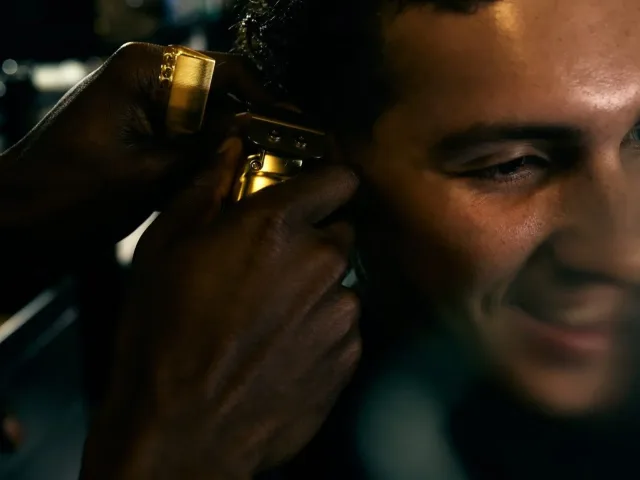


For many viewers, the dramatic moment in a Shark Tank episode is the final "I'm out." For founders, though, that moment is often the beginning of a new chapter rather than the end of the story. Some of the most talked-about businesses to appear on the show walked out without a deal and kept growing anyway. Their stories hold practical lessons for anyone building a business, whether or not they ever pitch on television.
What our data shows
Of the 1,521 US pitches in our database, 579 ended without a deal on air. Of those, our records list 251 as active businesses and two as acquired. For comparison, among the 942 pitches that ended with an on-air deal, 419 are listed as active.
| Outcome on air | Pitches | Listed active | Share listed active |
|---|---|---|---|
| Deal | 942 | 419 | 44.5% |
| No deal | 579 | 251 | 43.4% |
An important caveat: many businesses in both groups have an unknown status in our records (326 of the no-deal pitches), so these figures aren't a precise survival rate. But the near-identical share listed as active is a useful reminder: the on-air outcome alone doesn't determine what happens next. For more breakdowns, see Shark Tank by the numbers.
Notable no-deal businesses
A few examples from our database of companies that didn't get a deal on air:
- DoorBot (Season 5), a Wi-Fi video doorbell that lets homeowners see and talk to visitors through a smartphone app. Our records list it as acquired.
- Rocketbook (Season 8), reusable notebooks whose pages can be scanned with an app and wiped clean. Also listed as acquired.
- Kodiak Cakes (Season 5), whole-grain pancake and waffle mixes, many with added protein. Listed as active.
- The Lip Bar (Season 6), vegan, cruelty-free cosmetics with an inclusive shade range. Listed as active.
- Coffee Meets Bagel (Season 6), a dating app built around a limited number of curated daily matches. Listed as active.
- Hammer & Nails (Season 6), a men's grooming salon concept. Listed as active.
- Zipit Bedding (Season 5), listed as active.
- Pure Ayre (Season 2), a natural odor eliminator, listed as active.
- More recent examples include FlyWithWine (Season 15), luggage for transporting wine bottles, and Moonies (Season 16), boldly printed men's swimwear. Both are listed as active.
We don't know every reason each of these pitches ended without a deal, and we won't speculate on specifics. But across many no-deal pitches, the recurring themes are clear.
Lesson 1: The Sharks are investors, not judges
A "no" from five investors on one afternoon means the opportunity didn't fit their portfolios, risk tolerance, valuation expectations or available time. It is not a verdict on whether the business can succeed. Investors pass on good businesses all the time, often because the price is wrong or the business is outside their expertise.
For founders: treat rejection as data. Write down every objection the investors raised and decide which ones are real problems you need to fix and which reflect fit.
Lesson 2: Valuation gaps don't mean the business is bad
Many no-deal pitches end because founders and Sharks can't agree on price. A founder who believes the business is worth $5 million may rationally reject an offer at $1 million, especially if the company is growing and doesn't urgently need the cash. Sometimes walking away is a deliberate, sensible choice.
For founders: know your walk-away terms before you negotiate. If an offer is below it, declining is a legitimate outcome. See negotiation lessons from the Tank and how to value your startup.
Lesson 3: Exposure can matter more than the investment
Appearing on national television introduces a product to a huge audience regardless of the outcome. Many no-deal founders report a surge of interest when their episode airs, as well as when it re-airs later. That attention can bring customers, retail buyers and other investors.
For founders: if you're taping, prepare for airing as if you had a deal. Make sure your website, inventory and customer service can handle a spike. Our guide to what happens after Shark Tank has a full checklist.
Lesson 4: Other capital exists
The Sharks are a small group of investors. Angel investors, venture firms, strategic partners, bank loans, revenue-based financing, crowdfunding and customer revenue are all alternatives. A business that gets public validation from a television appearance may find it easier to raise elsewhere, sometimes on better terms.
Lesson 5: Persistence and execution decide the outcome
What happens after the cameras stop matters far more than what happens in front of them. Founders who keep improving the product, tighten their numbers, build distribution and listen to customers can build durable companies with or without a Shark. The no-deal businesses still listed as active in our records represent years of execution after a public "no."
Lesson 6: Fix the fixable feedback
Sharks often give blunt, specific criticism: margins are too thin, the price is too high, sales are too concentrated in one channel, the founder is spread too thin. Some of that criticism is about fit. Some of it is a free consulting session from experienced operators. Founders who address the fixable points, such as lowering landed cost, diversifying channels or clarifying positioning, come out stronger.
Lesson 7: Know what kind of company you're building
Some businesses are built for outside investment: they need large amounts of capital to reach a big market quickly. Others are built to be profitable, steady and owner-operated. A Shark may pass on the second kind simply because it doesn't match the return they're looking for, even if it would make an excellent living for the founder. Neither model is better; they're different. Founders who know which one they're building can interpret a "no" correctly and choose financing that fits, whether that's a bank line, a small group of angels or reinvested profits.
Common reasons no-deal founders cite for walking away
| Situation | What it can mean for the business |
|---|---|
| Offers required far more equity than planned | Founder keeps ownership and grows more slowly, or raises elsewhere |
| Offer included a royalty that strained margins | Founder protects cash flow for reinvestment |
| No Shark saw a fit with their expertise | Founder seeks a strategic partner in the industry |
| Business was too early | Founder builds traction and may return to investors later |
How to use a "no" productively
- Write down every objection within a day of the pitch, while it's fresh.
- Sort objections into three buckets: fixable, fit-related and disagreements.
- Make a 90-day plan for the fixable ones, with measurable targets.
- Prepare for the airing with inventory, website capacity and email capture.
- Line up alternatives: angel groups, lenders or strategic partners who may be interested after the episode airs.
- Revisit your numbers using the Know Your Numbers checklist and the valuation calculator.
When a deal might not be the goal
Some founders apply mainly for the exposure, or because they want to test their business against tough questioning. That's a valid strategy, but be honest with yourself and the producers about your intentions. Investors can usually tell when a founder isn't serious about taking money, and the negotiation is filmed for a national audience. If you're unsure whether you want an investor at all, read bootstrapping lessons from Shark Tank founders.
The bigger picture
The stories of no-deal founders reinforce a simple truth: investors are one input into a business's success, not the deciding factor. Customers, product quality, operational discipline and persistence matter more. A deal can accelerate a good business, and a no-deal can sting, but neither writes the ending. Browse more founders' stories on our product pages, or look for inspiration on our business ideas page.
Frequently asked questions
Do businesses succeed after getting no deal on Shark Tank?
Many do. In our database, 251 of 579 no-deal businesses are listed as active and two as acquired, a share similar to businesses that got a deal on air, though many statuses are unknown.
Which famous Shark Tank businesses got no deal?
Examples in our database include DoorBot and Rocketbook, both listed as acquired, and Kodiak Cakes, The Lip Bar and Coffee Meets Bagel, listed as active.
Why do Sharks turn down good businesses?
Common reasons include valuation disagreements, a business outside their expertise, concerns about margins or competition, limited time, or a founder unwilling to change terms.
Does appearing on Shark Tank help even without a deal?
Often, yes. Many founders report increased traffic and sales after their episode airs, regardless of the outcome, though the effect varies and isn't guaranteed.
Every pitch, deal and Shark mentioned here is checked against our database of 1,533 Shark Tank pitches. Cost ranges are typical estimates, not quotes. This is general education, not financial, legal or investment advice. Editorial policy · Suggest a correction
Keep learning
See all →

Know Your Numbers: The Metrics Sharks Grill Founders On
Sharks judge a business by a handful of numbers: sales, margins, landed cost, customer acquisition…
Bootstrapping Lessons From Shark Tank Founders
Many founders arrive at the Tank after building their businesses with their own savings and early…


Licensing vs. Building a Brand: Lessons From Shark Tank
Inventors on Shark Tank face a fundamental choice: license the idea to a company that already has…


How to Value Your Startup Before You Ask for Money
Before you ask anyone for money, you need a defensible valuation. This guide walks through four…
How Valuation Works on Shark Tank (With Examples)
Every Shark Tank ask contains a valuation: divide the dollars by the equity percentage.

Negotiation Lessons From the Tank
Shark Tank compresses a negotiation that normally takes weeks into minutes.


How to Start a Kids' Clothing Business: Lessons From 11 Shark Tank Pitches
Children outgrow their clothes constantly, which gives kids' apparel brands a built-in repeat cycle.

How to Start a Personalized Gifts Business: Lessons From 12 Shark Tank Pitches
Custom songs, keepsake trunks, look-alike figures and letters from Santa have all won Shark Tank…

How to Start an Athleisure & Activewear Brand: Lessons From 10 Shark Tank Pitches
Activewear is huge, but the brands that break through focus on a specific body, sport or problem.