At a glance
- 💰 Startup cost
- $15K-$100K
- 📈 Difficulty
- Hard
- ⏱️ Time to launch
- 4-9 months
- 📊 Typical margins
- Medium (30-45% gross)
- 🎯 Best for
- Founders who love meat craft or plant-based alternatives and can work patiently with inspection rules and co-packers
Real Shark Tank pitches in this space
Swipe →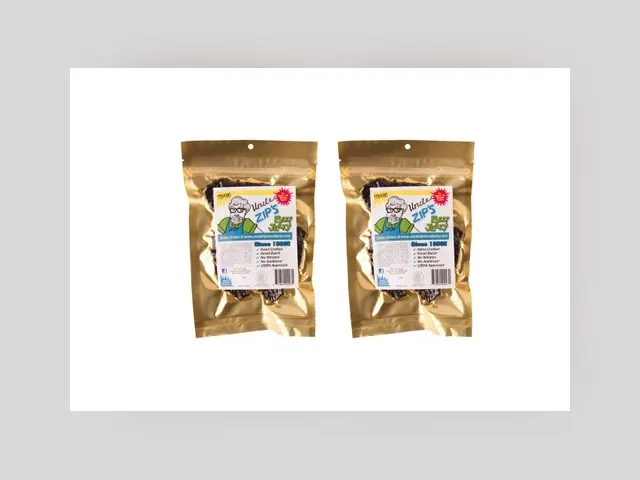 No deal
Uncle Zip's Beef Jerky
Season 2
Deal
Three Jerks Jerky
Season 7 · Daymond John
 No deal
Echo Valley Meats
Season 4
 Deal
Echo Valley Meats
Season 6 · Mark Cuban
 Deal
Pan's Mushroom Jerky
Season 12 · Mark Cuban
 Deal
Im'peccable Chicken
Season 17 · Lori Greiner
 No deal
Pluck
Season 17
 Deal
Snacklins
Season 11 · Mark Cuban
Why a jerky business works now
Protein is one of the most sought-after features in snacks. Jerky, meat sticks, protein bars and savory crisps appeal to athletes, low-carb dieters, travelers, outdoor enthusiasts and anyone who wants something more filling than chips. Meat snacks are shelf stable, portable and premium priced, which makes them attractive for gas stations, convenience stores, sporting goods shops and online subscriptions.
The trade-off is regulation and cost. Meat products face stricter oversight than most foods, and raw meat prices can swing. Plant-based "jerky" made from mushrooms or other ingredients is an emerging alternative with its own opportunities.
What Shark Tank pitches teach us
Jerky and meat snack pitches in our database show the importance of quality, positioning and persistence:
- Three Jerks Jerky (Season 7) makes premium jerky from filet mignon and got a deal with Daymond John. Upgrading the cut of meat created a clear premium position.
- Echo Valley Meats first pitched in Season 4 and left without a deal. The company returned as Echo Valley Meats in Season 6, now offering sausages, smoked meats, jerky and specialty cuts, and got a deal with Mark Cuban. Both entries are listed as active. Persistence and a stronger business can change the outcome.
- Uncle Zip's Beef Jerky (Season 2) pitched flavored beef jerky and did not get a deal but is listed as active, a sign that a loyal customer base can sustain a brand.
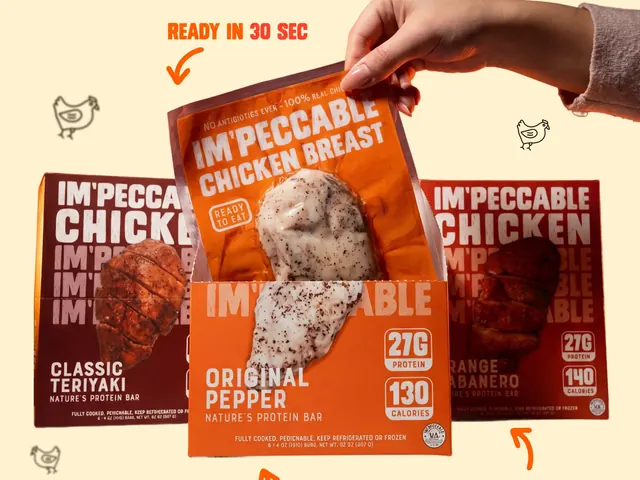
- Im'peccable Chicken (Season 17) makes shelf-stable, ready-to-eat bars from chicken breast and closed a deal with Lori Greiner and Kevin O'Leary. A new format for meat protein stood out.
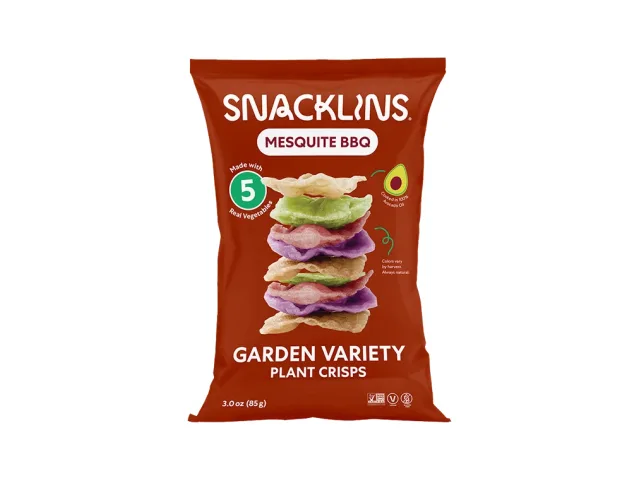
- Pan's Mushroom Jerky (Season 12) makes jerky from mushrooms and got a deal with Mark Cuban, and Snacklins (Season 11), plant-based crisps with a pork-rind-like texture, also got a deal with Mark Cuban. Plant-based meat snacks can reach vegans and flexitarians.
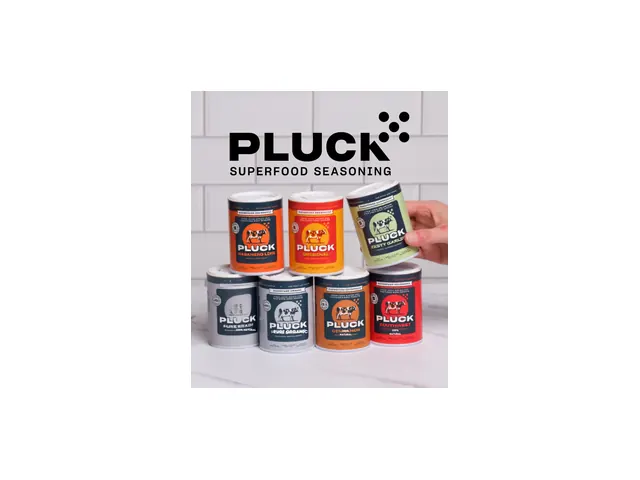
- Pluck (Season 17), a seasoning blended with dried organ meats, did not get a deal but is listed as active, a niche nutrition-focused take on meat products.
Startup costs breakdown
Typical estimates for a co-packed meat snack brand.
| Item | Typical estimate |
|---|---|
| Recipe development and scaling with co-packer | $2,000-$10,000 |
| First production run (minimums) | $8,000-$40,000 |
| Packaging (resealable bags, oxygen absorbers) | $2,000-$10,000 |
| Label design and regulatory label review | $1,000-$4,000 |
| Lab testing (shelf life, water activity, nutrition) | $1,000-$5,000 |
| Insurance and business registration | $1,000-$4,000 |
| Website, photography and e-commerce | $1,000-$5,000 |
| Samples, events and launch marketing | $2,000-$15,000 |
Step-by-step: how to start a jerky business
- Define your angle. Premium cut, unusual protein, bold flavor, health positioning, or plant-based alternative.
- Learn the regulations first. Meat jerky sold commercially generally must be made in a government-inspected facility, with approved labels and a food safety plan; in the US, this involves USDA oversight. Most home kitchens and cottage food laws do not cover meat. Plant-based products typically follow FDA food rules instead. Confirm what applies where you live.
- Find an inspected co-packer. Ask about minimum batch sizes, private recipes, ingredient sourcing and lead times.
- Scale your recipe. Expect several test runs to match your flavor and texture on commercial equipment.
- Test for safety and shelf life. Water activity, packaging and oxygen control determine how long the product lasts.
- Design packaging that sells. Clear windows, protein callouts and strong flavor names help at the shelf.
- Start with direct and local sales. Farmers markets, gyms, outdoor stores and online subscriptions provide feedback and early revenue.
- Expand to convenience and specialty retail. Gas stations, hunting and outdoor stores and airport shops are strong jerky channels.
How to make money
Raw meat loses a large share of its weight during drying, so ingredient cost per finished ounce is significant. As typical estimates, a 2.5 to 3 oz bag of premium jerky may cost $2.50 to $4.50 to produce through a co-packer, wholesale for $5 to $7 and retail for $8 to $12. Meat sticks are lower priced and sell in high volume at checkout.
Channels include direct-to-consumer subscriptions and bundles, Amazon, convenience and gas stations, sporting goods and outdoor retailers, corporate gifts and fundraising programs. Variety packs and gift boxes work especially well online and around holidays like Father's Day.
Meat or plant-based: choosing your path
Founders in this category increasingly choose between traditional meat snacks and plant-based alternatives. Each path has distinct advantages:
- Meat jerky and sticks have a large, established customer base and strong demand in convenience, outdoor and sporting channels. They require inspected production and carry higher ingredient costs.
- Plant-based jerky made from mushrooms, soy, jackfruit or other ingredients typically follows general food rules rather than meat inspection, may be easier to produce in more facilities and appeals to vegans and flexitarians. The audience is smaller, and texture and flavor need to be excellent to win repeat purchases.
- Hybrid and novel formats, such as meat-and-vegetable blends, chicken bars or protein crisps, can open new shelf space but require more customer education.
Whichever path you choose, decide early and build your brand around it; investors tend to prefer a focused line over a scattered mix of products aimed at very different shoppers.
Managing meat costs and yield
Beef and other meat prices can change quickly, and jerky magnifies those swings because it takes a lot of raw meat to make each finished bag. Work with your co-packer to understand your yield, lock in pricing where possible and consider flavors or proteins that diversify your exposure. Some brands add turkey, pork, salmon or plant-based lines partly to balance costs. Review your pricing regularly so a spike in meat costs does not quietly erase your margin.
Questions the Sharks would ask you
- Who makes your product, and is the recipe yours?
- What is your cost per bag, and how do meat price swings affect you?
- Why would someone choose you over established jerky brands?
- What are your sales, and which channels sell best?
- How much do you spend on promotions and slotting?
Red flags that sink pitches in this category
- Skipping inspection requirements. Selling uninspected meat products is a serious legal and safety risk.
- Thin margins after meat costs. Investors look closely at cost of goods in this category.
- Generic flavors. "Original" and "teriyaki" alone rarely stand out.
- No channel focus. Jerky sells differently online, at gas stations and in grocery stores.
Frequently asked questions
How much does it cost to start a jerky business?
Using a licensed co-packer, a small jerky brand typically needs about $15,000 to $50,000 for recipe scaling, minimum production runs, packaging, labels and launch marketing. Building your own inspected facility costs far more, often well above $100,000. These are typical estimates.
Can I make beef jerky at home and sell it?
Generally no. In the US and many other countries, meat jerky sold to the public must be produced in an inspected facility, and most cottage food laws exclude meat products. Most small brands use an inspected co-packer. Plant-based jerky may follow different rules. Check national and local requirements.
Is a jerky business profitable?
Jerky sells at premium prices, but meat is expensive and loses much of its weight during drying, so ingredient costs per finished ounce are high. Brands often aim for gross margins around 30-45%. Profitability depends on meat prices, yield, efficient production and strong repeat sales.
What makes a jerky brand stand out?
Differentiation usually comes from the cut or protein (filet, turkey, salmon, mushrooms), flavor profile, texture (tender, thick-cut, crispy), clean ingredients or a specific customer (hunters, athletes, keto dieters).
Every pitch, deal and Shark mentioned here is checked against our database of 1,533 Shark Tank pitches. Cost ranges are typical estimates, not quotes. This is general education, not financial, legal or investment advice. Editorial policy · Suggest a correction
More business ideas
See all →

How to Start a Coffee Brand: Lessons From 11 Shark Tank Pitches
Coffee is a daily habit with fierce loyalty, which makes it a great subscription business and a…
How to Start a Spirits, RTD or Cocktail Mixer Brand: Lessons From 11 Shark Tank Pitches
Cocktail culture keeps growing, from craft spirits to canned cocktails to non-alcoholic…

How to Start a Food Truck Business: Lessons From 8 Shark Tank Pitches
A food truck is one of the most direct ways to test a restaurant concept with real customers.
How to Start a Functional Beverage Brand: Lessons From 11 Shark Tank Pitches
Better-for-you drinks are one of the hottest grocery categories and one of the most expensive to…

How to Start an Ice Cream or Frozen Dessert Brand: Lessons From 10 Shark Tank Pitches
Frozen desserts are a joyful business with a hard logistics problem: everything has to stay frozen.

How to Start a Candy and Chocolate Business: Lessons From 10 Shark Tank Pitches
Candy is an impulse buy, a gift and a nostalgic treat all at once. Here is how to build a candy or…


Licensing vs. Building a Brand: Lessons From Shark Tank
Inventors on Shark Tank face a fundamental choice: license the idea to a company that already has…

The Questions Sharks Always Ask (and How to Answer Them)
Almost every Shark Tank pitch is decided in the question-and-answer round, not the opening speech.

Shark Tank Royalty Deals Explained
A royalty deal pays the investor a fixed amount or percentage on every unit sold, often until they…