At a glance
- 💰 Startup cost
- $15K-$100K
- 📈 Difficulty
- Moderate-Hard
- ⏱️ Time to launch
- 6-12 months
- 📊 Typical margins
- Medium-High (40-60% gross)
- 🎯 Best for
- Parents and product designers who take safety seriously and can manage testing and manufacturing
Real Shark Tank pitches in this space
Swipe → Deal
Sleeping Baby
Season 6 · Daymond John
 Deal
Lollacup
Season 3 · Mark Cuban
 Deal
Milk Snob
Season 8 · Lori Greiner
Deal
TushBaby
Season 10 · Lori Greiner
Deal
Dreamland Baby
Season 11 · Lori Greiner
 Deal
Kudos
Season 14 · Mark Cuban
Deal
The Beebo
Season 7 · Barbara Corcoran
 Deal
Oogiebear
Season 14 · Barbara Corcoran
 Deal
Hatch Baby
Season 7 · Chris Sacca
 No deal
FuzziBunz
Season 4
 No deal
Busy Baby Mat
Season 12
Why a baby products business works now
New parents are some of the most motivated shoppers anywhere. They face a steady stream of new problems, from feeding and sleep to diaper changes and travel, and they actively search for products that make the first years easier. Many products originate with a parent who solved their own frustration, and online communities, registries and parenting creators can spread a good solution quickly.
The category also has natural turnover: every year a new group of families enters the market, and gifting from friends and relatives adds demand. The trade-off is responsibility. Baby products carry some of the strictest safety rules in consumer goods, and parents read reviews closely.
What Shark Tank pitches teach us
Baby products appear in almost every season of Shark Tank, and many have closed deals:
- Sleeping Baby (Season 6) makes the Zipadee-Zip, a wearable blanket that helps babies transition out of swaddling, and got a deal with Daymond John. It is listed as still active. Solving a specific, stressful transition makes a product easy to recommend.
- Lollacup (Season 3) is a sippy cup with a weighted straw so toddlers can drink when it tilts, and closed a deal with Mark Cuban and Robert Herjavec. A small engineering fix to an everyday item can carry a brand.
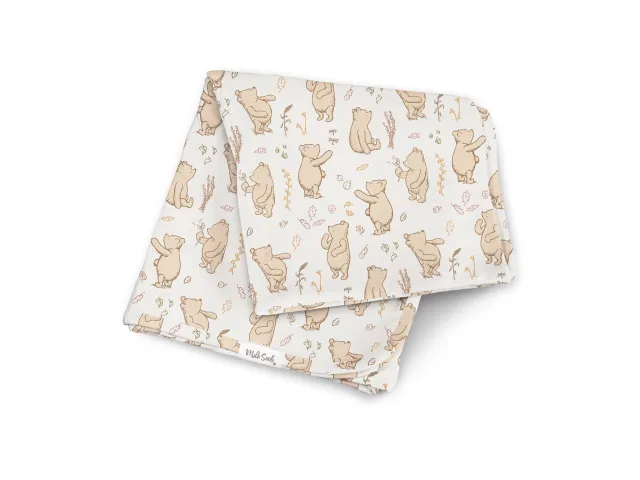
- Milk Snob (Season 8) and TushBaby (Season 10) both got deals with Lori Greiner. One is a car seat cover that doubles as a nursing cover; the other is a hip-seat carrier with storage. Multi-use designs give parents a reason to choose one product over two.
- Dreamland Baby (Season 11) makes weighted sleep sacks and got a deal with Lori Greiner. Sleep products are popular, but they also draw close attention from regulators and pediatric groups, so founders need strong safety research.
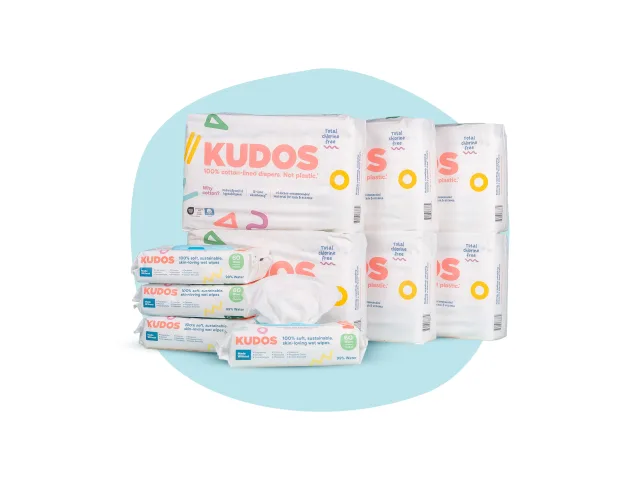
- Kudos (Season 14) makes disposable diapers with a cotton layer against the skin and closed a deal with Mark Cuban and guest Shark Gwyneth Paltrow. A consumable gives the business repeat purchases.
- The Beebo (Season 7), a hands-free bottle holder, got a deal with Barbara Corcoran and guest Shark Ashton Kutcher, while Oogiebear (Season 14), a nose and ear cleaning tool, got a deal with Barbara Corcoran and Robert Herjavec.
- Hatch Baby (Season 7) pitched a smart changing pad with a built-in scale and got a deal with guest Shark Chris Sacca, showing that connected baby products can attract investors.
- FuzziBunz (Season 4) and Busy Baby Mat (Season 12) did not get deals. FuzziBunz is listed as still active, a reminder that a no in the Tank does not end a business.
Startup costs breakdown
The figures below are typical estimates for a small launch of one product made by a contract manufacturer. Electronics or complex durable goods cost considerably more.
| Item | Typical estimate |
|---|---|
| Design, prototypes and parent testing | $2,000-$15,000 |
| Third-party safety testing at an accepted lab | $1,000-$10,000 per product |
| First production run (manufacturer minimums) | $8,000-$40,000 |
| Packaging, warning labels and tracking labels | $1,000-$5,000 |
| Patent search or provisional patent | $500-$5,000 |
| Product liability insurance | $1,500-$6,000 per year |
| Website, photography and e-commerce setup | $1,000-$6,000 |
| Launch marketing, samples and creator outreach | $3,000-$15,000 |
Step-by-step: how to start a baby products business
- Start with a real parent problem. Talk to dozens of parents and check reviews of existing products to confirm the frustration is common and not already solved.
- Research the safety rules before you design. In the US, products for children 12 and under fall under the CPSIA, which generally requires third-party testing at a CPSC-accepted lab, a Children's Product Certificate and permanent tracking labels. Many infant products, such as carriers, high chairs and sleep products, also have their own mandatory standards, and some sleep products are restricted. Confirm what applies to your product early.
- Prototype and test with families. Watch real parents use the product. Note what confuses them and what could be misused.
- Choose a manufacturer with children's product experience. Ask about material sourcing, lead and phthalate controls, quality checks and batch tracking.
- Test, certify and document. Keep test reports and certificates organized. Retailers and marketplaces often ask for them before listing your product.
- Write clear instructions and warnings. Good instructions reduce misuse, returns and liability.
- Launch online and through communities. Registries, parenting groups and creator reviews are powerful early channels.
- Approach retail with proof. Baby retailers want reviews, sell-through data and complete compliance documentation.
How to make money
Most baby brands sell through their own website, Amazon, registry platforms and specialty or big-box retail. As an estimate, a product that costs $5 to $12 to make often retails for $25 to $45, with wholesale prices around half of retail. Consumables such as diapers, wipes and creams generate repeat purchases, while durable gear generates larger one-time orders.
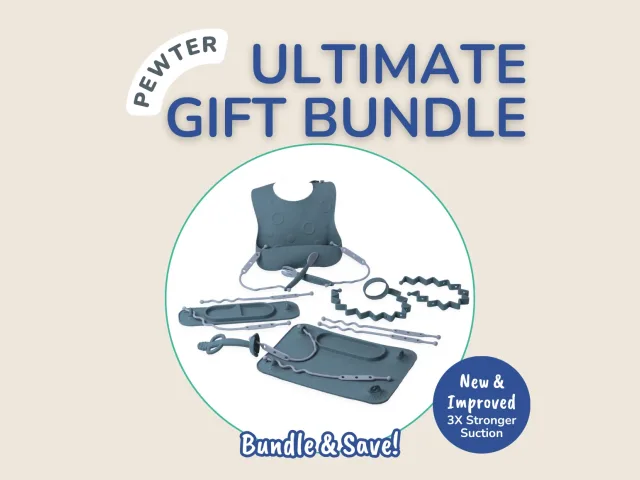
Brands often expand by adding products for the next stage of a child's life, offering bundles for baby showers and building subscription or replenishment programs for consumables. Gift sets and registry placement are especially valuable because they reach buyers who are not parents themselves.
Building trust with parents
Parents buy baby products with caution, so trust is the brand's most important asset. Publish clear information about materials, testing and age ranges. Show the product in real use, not just staged photos. Respond quickly and openly to safety questions and negative reviews. Endorsements from pediatric professionals can help, but any health or developmental claim must be accurate and supported. Brands that treat safety as a feature rather than a box to check tend to earn loyalty and word-of-mouth referrals.
Questions the Sharks would ask you
- Has your product been third-party tested, and to which standards?
- What does it cost to make, and what does it sell for at retail and wholesale?
- How many units have you sold, and what do the reviews say?
- What happens when your customer's child outgrows the product?
- Do you have a patent, or what stops a larger brand from copying you?
- Which retailers have you talked to?
Red flags that sink pitches in this category
- Unclear safety compliance. Any doubt about testing or standards is a deal breaker.
- Medical or developmental claims without evidence. These create regulatory and liability risk.
- A product used for only a few weeks. Short use windows make marketing expensive per sale.
- No plan for the next product. Investors look for brands that can grow with the family.
- Overvaluing a patent. A patent helps, but sales and brand loyalty matter more.
The bottom line
A baby products business succeeds when it solves a real problem for parents and earns their trust through safety, transparency and quality. Validate the problem with families, build compliance into the design from day one and grow into a product line that follows children from one stage to the next.
Frequently asked questions
How much does it cost to start a baby products business?
A simple product made by a contract manufacturer typically costs around $15,000 to $40,000 to launch once prototypes, third-party testing, a first production run, packaging, insurance and basic marketing are included. Electronic or complex durable products can cost $100,000 or more. These are typical estimates that vary with materials and minimum order quantities.
What regulations apply to baby products?
In the US, children's products generally fall under the CPSIA, which requires third-party testing at a CPSC-accepted lab, a Children's Product Certificate and tracking labels. Many infant products also have specific mandatory standards, and some infant sleep products are restricted or banned. Rules differ in other countries, so confirm the requirements for every market you sell in.
Is a baby products business profitable?
It can be. Many baby products retail for roughly three to four times their production cost, leaving room for retailer margins and marketing. Profit depends on controlling testing and liability costs, keeping returns low and building repeat purchases through consumables or products for later stages.
How do I market a new baby product?
Most brands start with their own website and Amazon, then build awareness through parenting communities, registry platforms and creator reviews. Real-world videos of parents using the product build trust. Once reviews and sales data are strong, specialty baby retailers and larger chains become realistic targets.
Every pitch, deal and Shark mentioned here is checked against our database of 1,533 Shark Tank pitches. Cost ranges are typical estimates, not quotes. This is general education, not financial, legal or investment advice. Editorial policy · Suggest a correction
More business ideas
See all →
How to Start a Kids' Clothing Business: Lessons From 11 Shark Tank Pitches
Children outgrow their clothes constantly, which gives kids' apparel brands a built-in repeat cycle.
How to Start an Educational Toy Business: Lessons From 11 Shark Tank Pitches
Building sets, coding kits and hands-on learning toys have earned several Shark Tank deals.
How to Start a Board Game Business: Lessons From 12 Shark Tank Pitches
Card games, party games and backyard games have won several Shark Tank deals.

How to Start a Furniture Business: Lessons From 9 Shark Tank Pitches
Direct-to-consumer furniture lets a small brand reach shoppers without a showroom, but freight…

How to Start a Golf Products Business: Lessons From 11 Shark Tank Pitches
Golfers spend freely on gear, apparel and anything that might lower their score or make a round…
How to Invent and Sell a Kitchen Gadget: Lessons From 11 Shark Tank Pitches
Kitchen gadgets are a favorite on Shark Tank because a great one solves a frustration every home…
Shark Tank Episode Guide: Is It Still On, When It Airs & Where to Watch (2026)
Shark Tank is in its 18th season on ABC, taping in Atlanta with Kendra Scott and Rashaun Williams…
What "No Deal" Success Stories Teach Founders
Leaving the Tank without a deal is not the end of the story. In our database, no-deal businesses…
Know Your Numbers: The Metrics Sharks Grill Founders On
Sharks judge a business by a handful of numbers: sales, margins, landed cost, customer acquisition…