At a glance
- 💰 Startup cost
- $15K-$100K
- 📈 Difficulty
- Hard
- ⏱️ Time to launch
- 6-12 months
- 📊 Typical margins
- Medium (30-45% gross)
- 🎯 Best for
- Founders with a differentiated recipe or ingredient and the stamina for retail sales
Real Shark Tank pitches in this space
Swipe → Deal
Pipsnacks (Pipcorn)
Season 6 · Barbara Corcoran
 Deal
Like Air
Season 15 · Mark Cuban
 Deal
P-Nuff Crunch
Season 12 · Mark Cuban
No deal
Off the Cob
Season 6
 Deal
Quevos
Season 12 · Daniel Lubetzky
 Deal
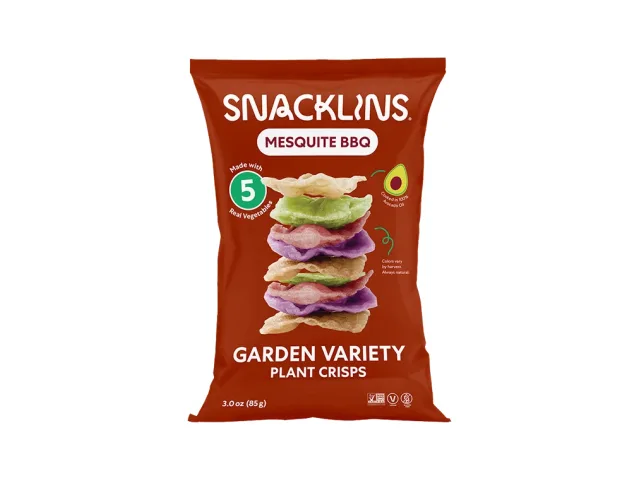
Snacklins
Season 11 · Mark Cuban
Deal
Jackson's Honest
Season 9 · Rohan Oza
Deal
Bohana
Season 11 · Kevin O'Leary
No deal
Ka-Pop!
Season 11
No deal
Lord Nut Levington
Season 5
Why a snack brand works now
Shoppers snack more often than ever, and many of them are actively looking for something new: more protein, fewer ingredients, novel grains, plant-based crunch or bold flavors. Retailers rotate snack sets regularly and like to test emerging brands, which creates openings for newcomers. Online sales and social media also let small brands build a following before they ever reach a store shelf.
The challenge is competition. Large snack companies have enormous marketing budgets, so a new brand needs a clear reason to exist and tight control over costs.
What Shark Tank pitches teach us
Snacks show up in nearly every season of Shark Tank. A few patterns stand out in our database:
- Pipsnacks (Pipcorn) (Season 6) made bite-sized popcorn from heirloom kernels and got a deal with Barbara Corcoran. Taking a familiar snack and changing one visible attribute made it easy to explain and easy to try.
- Like Air (Season 15) sells airy puffcorn and closed a deal with Mark Cuban and Lori Greiner. A texture people can describe in two words is a marketing asset.
- P-Nuff Crunch (Season 12) is a plant-based puffed peanut snack that got a deal with Mark Cuban, a reminder that protein-forward positioning resonates with health-minded buyers.
- Quevos (Season 12) makes chips from egg whites and struck a deal with guest Shark Daniel Lubetzky. An unexpected base ingredient created a strong nutrition story.
- Snacklins (Season 11) makes plant-based crisps with a pork-rind-like texture from yuca, mushrooms and onions, and got a deal with Mark Cuban.
- Jackson's Honest (Season 9) cooks chips in coconut oil and made a deal with guest Shark Rohan Oza, while Bohana (Season 11) brought popped water lily seeds to Kevin O'Leary and also closed a deal.
- Off the Cob (Season 6) left without a deal for its fresh sweet corn chips but is listed as still active. Ka-Pop! (Season 11) and Lord Nut Levington (Season 5) also did not get deals. A good product alone does not guarantee investment; investors look for traction and a path to scale.
Startup costs breakdown
These are typical estimates for a small co-manufactured launch; local production can be cheaper, while national retail launches cost far more.
| Item | Typical estimate |
|---|---|
| Recipe and shelf-life development | $2,000-$10,000 |
| Co-manufacturer test runs and first production | $10,000-$50,000 |
| Packaging design and printed film or bags (minimums) | $3,000-$15,000 |
| Nutrition analysis, labeling and certifications | $500-$5,000 |
| Insurance, licensing and legal | $1,000-$4,000 |
| Website, photography and e-commerce | $1,000-$5,000 |
| Samples, demos and launch marketing | $3,000-$15,000 |
Step-by-step: how to start a snack brand
- Find your wedge. Choose one meaningful difference: an ingredient, a nutrition claim, a texture or a flavor tradition. Avoid stacking ten claims on one bag.
- Develop for scale, not just taste. A recipe that works in your oven may not survive commercial equipment or a long shelf life. A food scientist or co-manufacturer can help adapt it early.
- Understand food regulations. Depending on what you make, local cottage food laws may cover early sales. Wider distribution typically requires a licensed facility and compliance with national labeling rules, such as FDA requirements in the US. Check health, organic or allergen claims carefully.
- Pick a co-manufacturer. Compare minimum order quantities, allergen controls, certifications and lead times. Visit if you can.
- Design packaging that sells in three seconds. Shoppers scan quickly; the bag must say what it is and why it is better.
- Prove demand locally and online. Track repeat purchases, not just first sales.
- Build your retail pitch. Prepare a sell sheet with pricing, margins for the retailer, case pack details and promotional plans.
- Plan for trade spend. Budget for demos, discounts and introductory promotions that retailers expect.
How to make money
A typical snack bag might cost $0.80 to $1.80 to produce at scale, wholesale for $2 to $3.50 and retail for $3.99 to $6.99, though this varies widely by product and pack size. Retailers usually expect margins of roughly 30-45%, and distributors may take another 15-30%. That is why your cost of goods needs to be low enough to leave room for everyone in the chain.
Direct-to-consumer sales and Amazon offer better unit margins but come with fulfillment and advertising costs. Many brands use online sales for variety packs and subscriptions, while relying on retail for volume. Food service, corporate snack programs and airline or hotel channels can add steady revenue.
Choosing the right snack format
Your format shapes your costs as much as your recipe does. A few common trade-offs, as general guidance:
- Bagged chips, puffs and popcorn are light and bulky, so freight and shelf space per dollar of sales matter. They usually need nitrogen-flushed film and a co-manufacturer with the right fryer, extruder or popper.
- Bars and bites pack densely and ship efficiently, but the bar aisle is extremely competitive and ingredient costs (nuts, protein, chocolate) can be high.
- Nuts, seeds and roasted snacks have simpler processing but face commodity price swings and strict allergen controls.
- Refrigerated or frozen snacks can feel fresher and more premium but require cold-chain distribution and freezer or cooler space at retail, which is harder to win.
Before you commit, ask two or three co-manufacturers what equipment your product needs and what their minimum runs are. A snack that requires custom equipment can delay a launch by months and raise costs significantly. Many successful founders start with a format a co-manufacturer already produces and differentiate through ingredients and flavor instead.
Questions the Sharks would ask you
- What are your total sales, and how fast are you growing month over month?
- What is your cost per bag, and what will it be at 10 times your current volume?
- How fast does your product sell per store per week?
- Who is your co-manufacturer, and do you own the recipe?
- Why would a shopper switch from a brand they already buy?
- How much have you raised, and how much do you still need to reach profitability?
Red flags that sink pitches in this category
- High valuations on low sales. Snack investors usually value brands on revenue and growth, not potential.
- Margins that only work direct-to-consumer. If retail economics do not add up, growth stalls.
- A "healthy" claim without a taste win. Repeat purchase depends on flavor.
- Heavy spending on slotting fees too early. Expanding to many stores before you can support them with marketing often leads to poor sell-through and discontinuation.
- No clear customer. "Everyone who snacks" is not a target market.
Frequently asked questions
How much does it cost to start a snack brand?
Typical estimates range from about $15,000 for a small test batch sold locally to $100,000 or more for a co-manufactured launch with professional packaging, retail samples and marketing. Packaging minimums and the first production run usually take the biggest share.
Are snack brands profitable?
Many are profitable at scale, but margins are squeezed by retailer markups, distributor fees, promotions and freight. A typical target is a 35-45% gross margin at wholesale. Brands that cannot reach that range often struggle to fund the marketing retail requires.
Can I make snacks at home and sell them?
Many places allow some low-risk foods under cottage food laws, often with sales caps and limits on where you can sell. Fried, meat-based or refrigerated snacks are often excluded. To sell in grocery stores you will typically need a licensed facility or co-manufacturer. Check your local rules.
How do new snack brands get into grocery stores?
Most start with local independent stores, cafes and online sales, then use sales velocity data to pitch regional chains, natural food distributors or specialty retailers. Trade shows and broker relationships also help once you have proof of demand.
Every pitch, deal and Shark mentioned here is checked against our database of 1,533 Shark Tank pitches. Cost ranges are typical estimates, not quotes. This is general education, not financial, legal or investment advice. Editorial policy · Suggest a correction
More business ideas
See all →

How to Start a Coffee Brand: Lessons From 11 Shark Tank Pitches
Coffee is a daily habit with fierce loyalty, which makes it a great subscription business and a…
How to Start a Hot Sauce Business: Lessons From 9 Shark Tank Pitches
Hot sauce is one of the easiest food brands to start and one of the hardest to stand out in.
How to Start a Prepared Meals or Meal Kit Business: Lessons From 11 Shark Tank Pitches
Busy households will pay for dinner they do not have to plan or cook. Here is how prepared meal…
How to Start a Jerky and Meat Snack Business: Lessons From 8 Shark Tank Pitches
Jerky and meat snacks ride the protein trend, but they are among the most regulated foods you can…

How to Start a Candy and Chocolate Business: Lessons From 10 Shark Tank Pitches
Candy is an impulse buy, a gift and a nostalgic treat all at once. Here is how to build a candy or…
How to Start a Cookie and Baked Goods Business: Lessons From 11 Shark Tank Pitches
Baked goods are one of the most accessible food businesses to start, often right from a home…
What "No Deal" Success Stories Teach Founders
Leaving the Tank without a deal is not the end of the story. In our database, no-deal businesses…

Licensing vs. Building a Brand: Lessons From Shark Tank
Inventors on Shark Tank face a fundamental choice: license the idea to a company that already has…
Common Shark Tank Pitch Mistakes That Kill Deals
About four in ten Shark Tank pitches in our database ended without a deal on air.