At a glance
- 💰 Startup cost
- $10K-$80K
- 📈 Difficulty
- Moderate
- ⏱️ Time to launch
- 4-9 months
- 📊 Typical margins
- Medium-High (50-65% gross direct-to-consumer)
- 🎯 Best for
- Design-minded parents or apparel professionals with a distinct style or practical fix
Real Shark Tank pitches in this space
Swipe →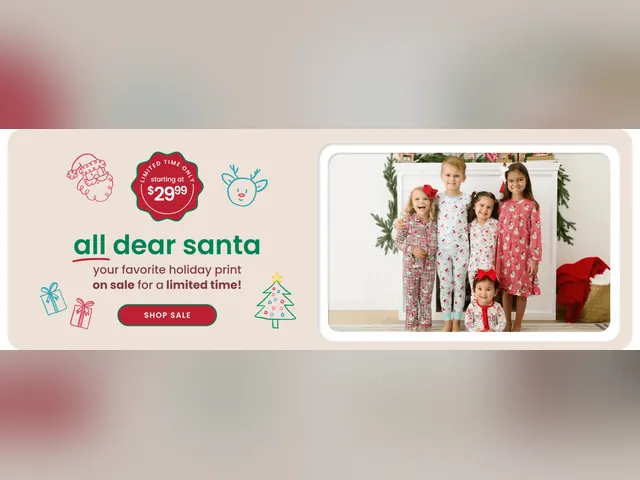 Deal
RuffleButts
Season 5 · Lori Greiner
 Deal
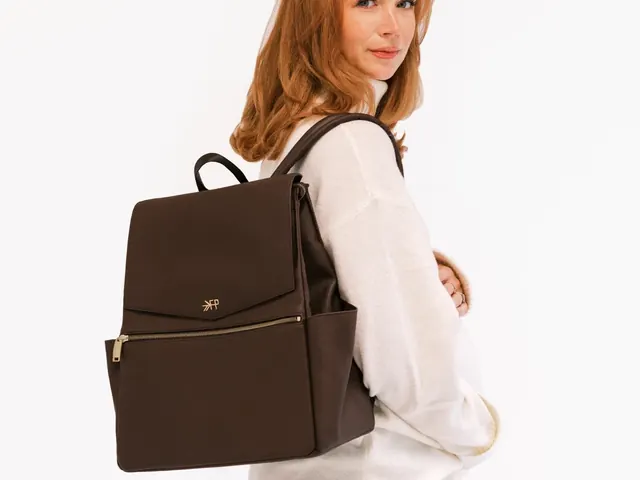
Freshly Picked
Season 5 · Daymond John
 Deal
SwimZip
Season 5 · Lori Greiner
Deal
Cozy Bug
Season 4 · Daymond John
 Deal
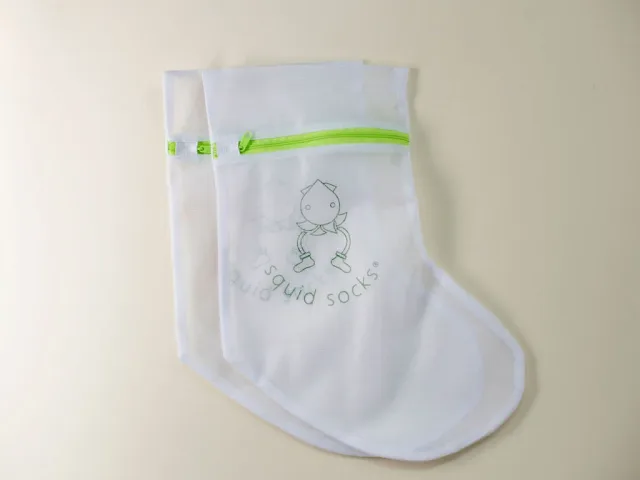
Squid Socks
Season 11 · Daymond John
 Deal
Buckle Me Baby Coats
Season 12 · Daymond John
 Deal
Raising Wild
Season 8 · Barbara Corcoran
 Deal
Ade+Ayo
Season 13 · Barbara Corcoran
 Deal
Supermix Studio
Season 15 · Lori Greiner
Deal
Umano
Season 7 · Mark Cuban
No deal
Sandi Lake Clothing
Season 8
Why a kids' clothing brand works now
Children outgrow clothes constantly, so families buy new sizes several times a year whether they want to or not. That built-in replacement cycle, combined with gifting from relatives, makes kids' apparel a large and steady market. Social media has also made it easier for small brands with a distinct look, a practical design fix or a meaningful story to reach parents directly instead of fighting for space on department store racks.
At the same time, the category is crowded and price sensitive. Fast-fashion chains and big-box stores sell basic children's clothing very cheaply. A small brand needs either a design advantage, a strong identity or a specific problem it solves for parents.
What Shark Tank pitches teach us
Kids' apparel has a strong track record on Shark Tank, with many deals in our database:
- RuffleButts (Season 5) makes clothing for babies and young girls known for ruffled bloomers and swimsuits, plus a boys' line, and closed a deal with Lori Greiner. It is listed as still active. A signature item that customers recognize instantly can anchor a whole brand.
- Freshly Picked (Season 5) sells soft-soled leather baby moccasins in many colors and got a deal with Daymond John. Focusing on one hero product and offering it in many designs encourages collecting and gifting.
- SwimZip (Season 5) makes sun-protective swimwear with front zippers and got a deal with Lori Greiner. Combining a functional benefit with a parent convenience gives shoppers two reasons to buy.
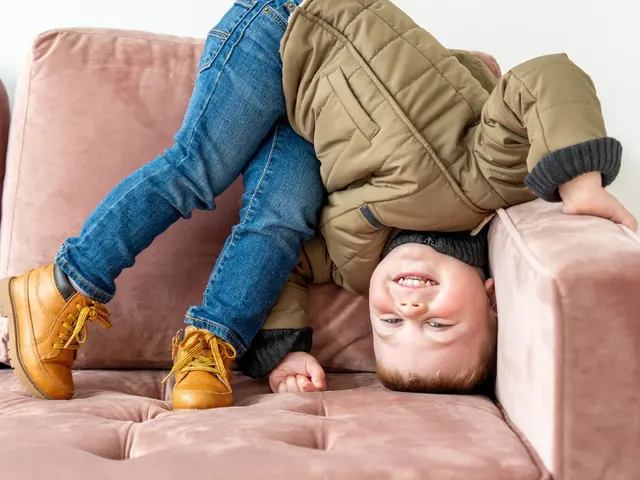
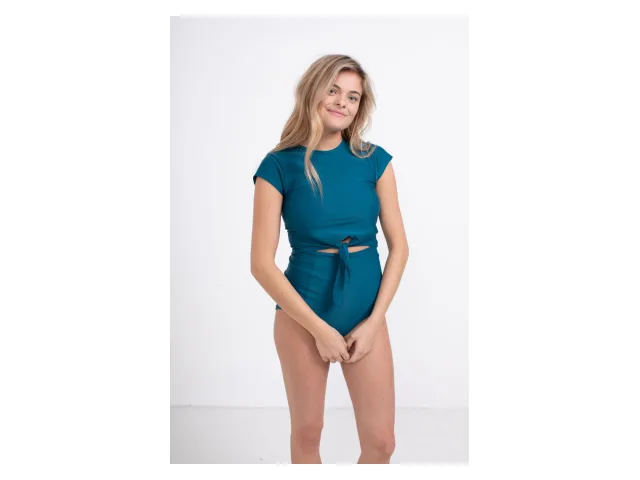
- Cozy Bug (Season 4), Squid Socks (Season 11) and Buckle Me Baby Coats (Season 12) all got deals with Daymond John. Squid Socks solves lost and slipping socks, and Buckle Me Baby Coats designs winter coats to be worn in a car seat; both address a frustration parents already feel.
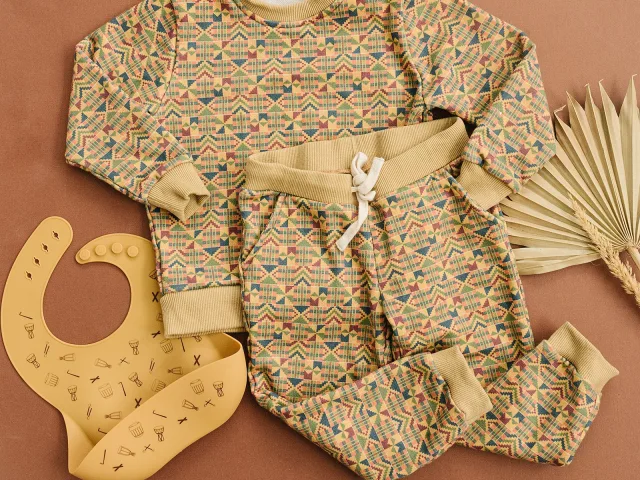
- Raising Wild (Season 8) and Ade+Ayo (Season 13) got deals with Barbara Corcoran. Raising Wild focuses on coordinated family swimwear, and Ade+Ayo uses colorful African print fabrics, showing the value of a distinct visual identity.
- Supermix Studio (Season 15), interactive clothing children can customize, got a deal with Lori Greiner and Robert Herjavec, and Umano (Season 7), T-shirts featuring artwork by children with part of each purchase supporting education causes, got a deal with Mark Cuban and Lori Greiner.
- Sandi Lake Clothing (Season 8), a line of comfortable everyday kids' apparel, did not get a deal. General "cute and comfortable" positioning is hard to defend against large retailers.
Startup costs breakdown
The figures below are typical estimates for a small capsule collection made by a contract manufacturer. Print-on-demand can start for much less, while a full seasonal line costs far more.
| Item | Typical estimate |
|---|---|
| Design, tech packs and pattern making | $1,500-$10,000 |
| Samples and fit testing across sizes | $1,000-$8,000 |
| Fabric and first production run (minimums) | $5,000-$40,000 |
| Children's product testing and certification | $500-$5,000 per style group |
| Labels, hangtags and packaging | $500-$3,000 |
| Product photography and e-commerce site | $1,500-$8,000 |
| Business registration, insurance and trademark | $1,000-$4,000 |
| Launch marketing, samples and creator seeding | $2,000-$15,000 |
Step-by-step: how to start a kids' clothing brand
- Choose your reason to exist. A functional fix, a signature style, a cultural or values-driven identity or a specific age group gives parents a reason to pick you over cheaper options.
- Start with a small capsule. A few styles in a focused size range keeps inventory manageable. Every extra size multiplies your stock.
- Learn the safety and labeling rules. In the US, children's apparel falls under the CPSIA, including limits on lead in paints and trims and tracking label requirements. Children's sleepwear has its own flammability standards, and drawstrings on children's upper outerwear are restricted. Fiber content, care instructions and country of origin labels are also required. Check the requirements for each item.
- Develop tech packs and samples. Detailed specifications reduce costly production mistakes. Fit test on real children in each size.
- Pick a manufacturer. Compare minimums, fabric sourcing, quality control and ethical production practices. Request pre-production samples.
- Test and certify. Work with an accepted lab for any required testing and keep your certificates on file.
- Launch online with strong visuals. Real children in natural settings, clear size charts and parent reviews drive conversions.
- Expand through wholesale. Boutiques, gift shops and trade shows can follow once you have sales history.
How to make money
Apparel brands usually price at three to five times their production cost. As an estimate, a children's outfit that costs $8 to $12 to produce might wholesale for $18 to $25 and retail for $36 to $50. Online sales keep more margin but carry returns, shipping and advertising costs, while wholesale brings volume at lower margins.
Repeat purchases are the hidden advantage of kids' apparel. When children grow, satisfied parents come back for the next size. Matching family sets, seasonal drops, gift bundles and accessories can lift order value, and some brands add resale or hand-me-down programs to build loyalty.
Managing sizes, seasons and inventory
Inventory is the biggest financial risk in apparel. Each style multiplied by sizes and colors creates many individual items to forecast. A few common practices, as general guidance: keep a core of year-round bestsellers, limit seasonal pieces to small runs, use preorders for new designs and track sell-through by size so you reorder what actually sells. Unsold stock can be moved through bundles, sample sales or outlet marketplaces, but discounting too often trains customers to wait for sales.
Questions the Sharks would ask you
- What makes your clothing different from what parents can buy at a big-box store?
- What is your cost per piece, and what are your wholesale and retail prices?
- What are your sales, and how many customers buy again?
- How much inventory are you holding, and how fast does it sell?
- Who makes your products, and how do you control quality?
- Have your products been tested to children's safety requirements?
Red flags that sink pitches in this category
- Generic designs. "Cute and comfortable" is not a point of difference.
- Too many styles too soon. Large ranges tie up cash in slow-moving sizes.
- Margins that only work at full price. Apparel brands need room for promotions and returns.
- Ignoring compliance. Missing tracking labels or testing can block retail listings.
- No plan for growth. Investors want to see how the brand expands beyond its first hit.
The bottom line
A kids' clothing brand succeeds with a clear identity, careful inventory management and products parents trust. Start small, prove that your designs sell through, comply with children's safety rules and use the natural sizing cycle to turn first-time buyers into repeat customers.
Frequently asked questions
How much does it cost to start a kids' clothing brand?
A small capsule collection made by a contract manufacturer typically costs around $10,000 to $30,000 to launch once design, samples, fabric, a first production run, testing, labels and a basic website are included. A larger seasonal line can cost $80,000 or more. Print-on-demand can start for much less but offers lower margins. These are typical estimates.
What regulations apply to children's clothing?
In the US, children's apparel falls under the CPSIA, which includes lead limits for paints and trims and tracking label requirements, and some items need third-party testing. Children's sleepwear must meet specific flammability standards, and drawstrings on children's upper outerwear are restricted. Fiber content, care and country of origin labels are also required.
Is a kids' clothing business profitable?
It can be. Many apparel brands price at three to five times production cost, leaving room for wholesale margins and marketing. Profitability depends on avoiding excess inventory, keeping return rates low and earning repeat purchases as children move into new sizes.
Where should I sell kids' clothing first?
Most new brands start with their own online store and social media, often adding Amazon or Etsy depending on the product. Local markets and pop-ups provide quick feedback. Once you have consistent sales, independent boutiques and children's specialty stores are a natural next step.
Every pitch, deal and Shark mentioned here is checked against our database of 1,533 Shark Tank pitches. Cost ranges are typical estimates, not quotes. This is general education, not financial, legal or investment advice. Editorial policy · Suggest a correction
More business ideas
See all →

How to Start a Board Game Business: Lessons From 12 Shark Tank Pitches
Card games, party games and backyard games have won several Shark Tank deals.
How to Start a Baby Products Business: Lessons From 11 Shark Tank Pitches
Baby products are one of the most frequently pitched categories on Shark Tank, and many have…
How to Start an Educational Toy Business: Lessons From 11 Shark Tank Pitches
Building sets, coding kits and hands-on learning toys have earned several Shark Tank deals.
How to Start a Car Accessories Business: Lessons From 12 Shark Tank Pitches
Drivers spend hours a week in their cars and will pay for anything that makes them cleaner…

How to Start a Haircare Brand: Lessons From 11 Shark Tank Pitches
Haircare rewards founders who serve a specific hair type or need better than the giants do.

How to Start a Men's Grooming Brand: Lessons From 12 Shark Tank Pitches
Men are buying more grooming products than ever, but they want simple, effective and unembarrassing.
Negotiation Lessons From the Tank
Shark Tank compresses a negotiation that normally takes weeks into minutes.

Licensing vs. Building a Brand: Lessons From Shark Tank
Inventors on Shark Tank face a fundamental choice: license the idea to a company that already has…
Bootstrapping Lessons From Shark Tank Founders
Many founders arrive at the Tank after building their businesses with their own savings and early…