At a glance
- 💰 Startup cost
- $5K-$75K
- 📈 Difficulty
- Moderate
- ⏱️ Time to launch
- 3-9 months
- 📊 Typical margins
- Medium-High (40-65% gross, typical estimate)
- 🎯 Best for
- Avid golfers, club pros and designers who know the course experience firsthand
Real Shark Tank pitches in this space
Swipe → Deal
Kronos
Season 6 · Robert Herjavec
 Deal
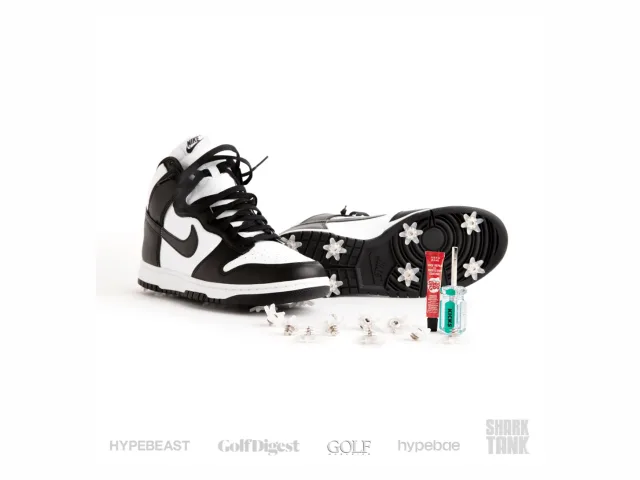
GolfKicks
Season 11 · Mark Cuban
Deal
Bad Birdie
Season 11 · Robert Herjavec
 Deal
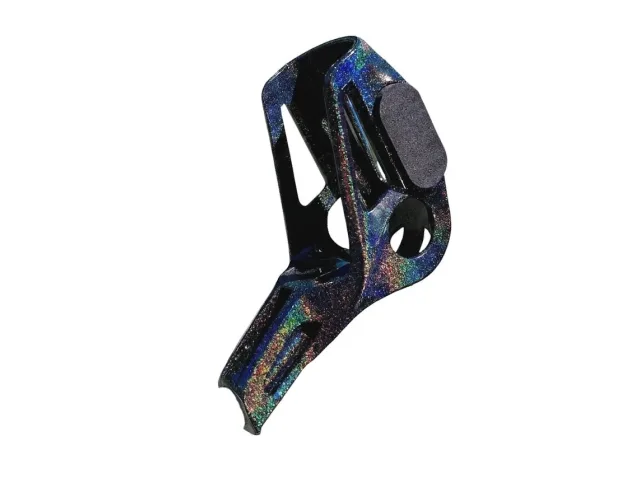
Fling Golf
Season 12 · Daniel Lubetzky
 Deal
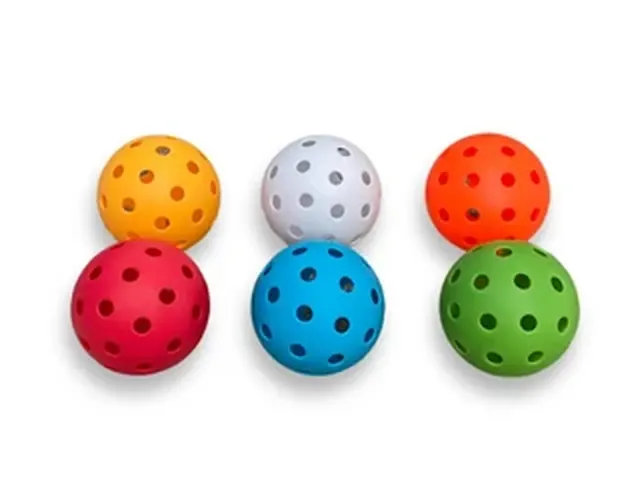
Bucket Golf
Season 16 · Mark Cuban
 Deal
Clean Green Golf Balls
Season 17 · Kevin O'Leary
 No deal
Flightpath Golf
Season 17
 No deal
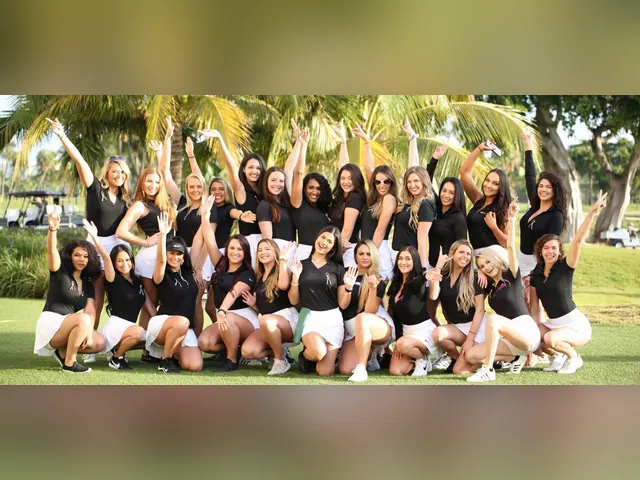
The Caddy Girls
Season 6
No deal
Caddy Swag
Season 2
No deal
The Twister
Season 1
Why a golf products business works now
Golf has attracted a wave of new and younger players, many of whom care about style, fun and social experiences as much as handicap. At the same time, longtime golfers remain loyal, high-spending customers who try new gear every season. That mix creates openings for apparel with personality, accessories that make rounds easier, training aids, backyard games and services that improve the experience.
Golfers also gather in places that make marketing efficient: courses, driving ranges, simulators, leagues, charity tournaments and online communities. A product that gets talked about in one foursome can spread quickly through a club.
The hard part is that equipment like clubs and balls is dominated by a few huge brands with big research budgets and tour endorsements. Most small founders succeed in accessories, apparel, training aids and experiences rather than competing head-on with major club makers.
What Shark Tank pitches teach us
- Bad Birdie (Season 11), golf polos with bold, colorful prints, got a deal with Robert Herjavec. Lesson: personality in a traditionally conservative category can attract newer golfers.
- GolfKicks (Season 11), golf shoes styled like casual sneakers, got a deal with Mark Cuban. Lesson: products that work on and off the course appeal to the modern golfer.
- Kronos Golf (Season 6), premium handcrafted putters, got a deal with Robert Herjavec and is listed as active. Lesson: craftsmanship and design can compete in a small, high-margin niche.
- The UroClub (Season 1), a portable urinal disguised as a golf club, got a deal with Kevin Harrington and is listed as active. Lesson: a funny, specific problem can still be a real product.
- Clean Green Golf Balls (Season 17), which collects, grades and resells used balls, got a deal with Kevin O'Leary and Robert Herjavec. Bucket Golf (Season 16), a backyard golf game, got a deal with Mark Cuban. Fling Golf (Season 12), a golf-lacrosse hybrid sport, got a deal with Daniel Lubetzky.
- Flightpath Golf (reusable tees), The Caddy Girls (caddie and event-host staffing), Caddy Swag (accessories) and The Twister left without deals. Flightpath Golf and The Caddy Girls are listed as active.
Startup costs breakdown
Typical estimates by business type:
| Business type | Typical startup range | Main costs |
|---|---|---|
| Golf apparel (polos, hats, outerwear) | $10,000-$50,000 | Design, samples, production minimums, photography |
| Accessories (tees, towels, bag gear) | $5,000-$25,000 | Prototypes, molds, inventory, packaging |
| Training aids | $15,000-$75,000 | Engineering, testing, video content, tooling |
| Backyard and party games | $10,000-$40,000 | Design, manufacturing, packaging, freight |
| Ball recycling or golf services | $5,000-$50,000 | Equipment, vehicles, course contracts, staff |
Step-by-step: how to start
- Pick your golfer. Beginners, women golfers, juniors, competitive amateurs, seniors or social golfers who play scrambles and simulator nights. Each wants different things.
- Find a real frustration. Lost balls, slow practice, bag clutter, heat, rain, uncomfortable shoes or boring apparel.
- Test on the course. Give prototypes to golfers of different skill levels and watch how they use them during real rounds.
- Check the rules if it matters. Equipment intended for competitive play must conform to the Rules of Golf. Training aids and novelty products usually do not, but say so clearly.
- Protect your brand and design. Trademark your name and consider design or utility patents for novel products.
- Get into pro shops. Start with local courses and ranges. Club professionals are influential recommenders, and members trust them.
- Use tournaments and events. Charity tournaments, corporate outings and league nights are great places to sample products and sell custom-branded orders.
- Grow online. Golf video content, from swing tips to product tests, is popular and can drive steady online sales.
Custom and corporate orders
One of the most reliable revenue streams in golf is custom branding. Companies, charities and clubs order logo apparel, towels, ball markers and gift sets for tournaments and client events. These orders can be large, are often planned months ahead and usually carry healthy margins.
- Offer simple minimums and fast turnaround for logo products.
- Create tournament gift packages at several price points.
- Build relationships with event planners and course tournament directors.
- Track reorder dates, since many events happen every year.
How to make money
Accessories and apparel commonly carry gross margins of 50% or more when sold direct, as a typical estimate. Pro shops usually buy at about half of retail.
- Direct to consumer: best margins and customer data.
- Pro shops and golf retailers: credibility and access to committed golfers.
- Corporate and tournament sales: bulk orders with branding.
- Amazon: search demand for accessories and gifts.
- Gifting seasons: Father's Day and the holidays are major golf gift moments.
Your first 90 days
- Month one: play with as many different groups as you can, from league nights to range sessions, and note the complaints you hear. Talk to two or three club pros about what their members ask for.
- Month two: build prototypes or samples, then give them to golfers of mixed ability for real rounds. Collect video of the product in use and honest feedback.
- Month three: place a small order and get the product into one or two local pro shops on consignment or wholesale. Track sell-through weekly and ask the pros what customers say at the counter.
A handful of pro shops that reorder is stronger proof than a big launch with no follow-up sales, and it gives you a story every new account will want to hear.
Questions the Sharks would ask you
- How many pro shops carry it, and do they reorder?
- Is this a product golfers will buy again, or a one-time novelty?
- What does it cost to make, and what is the wholesale price?
- Is it legal for tournament play, and does that matter for your customer?
- How do you compete with the giant golf brands?
Red flags that sink pitches in this category
- Gimmicks with no repeat purchase: fun once, then forgotten in the garage.
- Unproven performance claims: "adds 20 yards" without evidence damages trust.
- Taking on major equipment brands directly: clubs and balls are hard to win.
- Seasonal cash flow problems: sales concentrate in warm months in many regions.
- Too narrow an audience: products only elite players need.
Golfers love to try new things. Give them something that makes the game easier, more stylish or more fun, and they will tell their foursome about it.
Frequently asked questions
How much does it cost to start a golf product business?
As a typical estimate, a golf accessories brand can start for $5,000-$25,000, and a golf apparel line for $10,000-$50,000. Engineered training aids often require $15,000-$75,000 for design, testing and tooling.
How do I get my golf product into pro shops?
Start with local courses and ranges, bring samples, and offer clear wholesale pricing and display options. Golf trade shows and sales reps who already call on pro shops can help you scale.
What golf products sell best?
Apparel, accessories, training aids, gifts and custom-branded tournament items tend to sell well. Products that solve common frustrations or make the game more fun get the most word of mouth.
Is a golf apparel brand profitable?
It can be, with strong markups and opportunities for corporate and tournament orders. Profitability depends on inventory management, seasonality and marketing costs.
Every pitch, deal and Shark mentioned here is checked against our database of 1,533 Shark Tank pitches. Cost ranges are typical estimates, not quotes. This is general education, not financial, legal or investment advice. Editorial policy · Suggest a correction
More business ideas
See all →
How to Start an Athleisure & Activewear Brand: Lessons From 10 Shark Tank Pitches
Activewear is huge, but the brands that break through focus on a specific body, sport or problem.
How to Start a Sports Training Products Business: Lessons From 12 Shark Tank Pitches
Parents, coaches and athletes spend heavily on anything that builds skills faster.
How to Start a Fitness Equipment Business: Lessons From 12 Shark Tank Pitches
Home workouts have created lasting demand for compact, clever equipment.

How to Start an Outdoor & Camping Gear Business: Lessons From 12 Shark Tank Pitches
Campers, hikers and road-trippers spend generously on gear that is lighter, smarter and easier to…

How to Start a Travel Products Business: Lessons From 12 Shark Tank Pitches
Travelers will pay to make airports, packing and long trips less painful.

How to Start a Mobile App Startup: Lessons From 12 Shark Tank Pitches
Apps can reach millions without a warehouse, but most fail because nobody keeps using them.
Know Your Numbers: The Metrics Sharks Grill Founders On
Sharks judge a business by a handful of numbers: sales, margins, landed cost, customer acquisition…
Bootstrapping Lessons From Shark Tank Founders
Many founders arrive at the Tank after building their businesses with their own savings and early…

A Shark-Tank-Style Elevator Pitch Template (Fill in the Blank)
A practical, fill-in-the-blank template for a Shark Tank-style pitch, with 30-second, one-minute…