At a glance
- 💰 Startup cost
- $2K-$75K
- 📈 Difficulty
- Easy
- ⏱️ Time to launch
- 1-4 months
- 📊 Typical margins
- Medium-High (40-65% gross on direct sales)
- 🎯 Best for
- Bakers with a signature item who enjoy local selling, gifting and custom orders
Real Shark Tank pitches in this space
Swipe → Deal
Daisy Cakes
Season 2 · Barbara Corcoran
 Deal
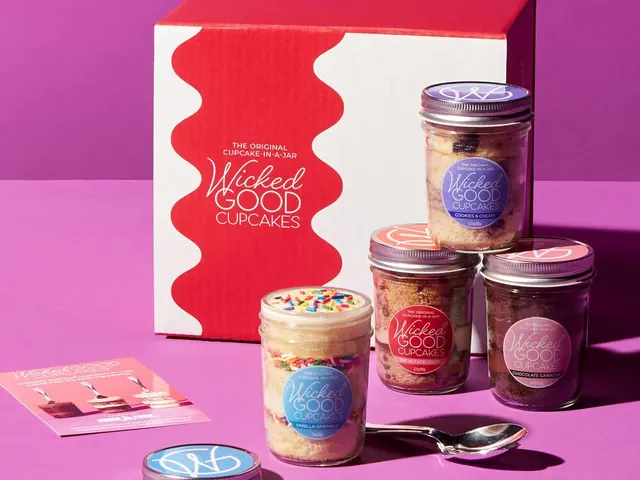
Wicked Good Cupcakes
Season 4 · Kevin O'Leary
 Deal
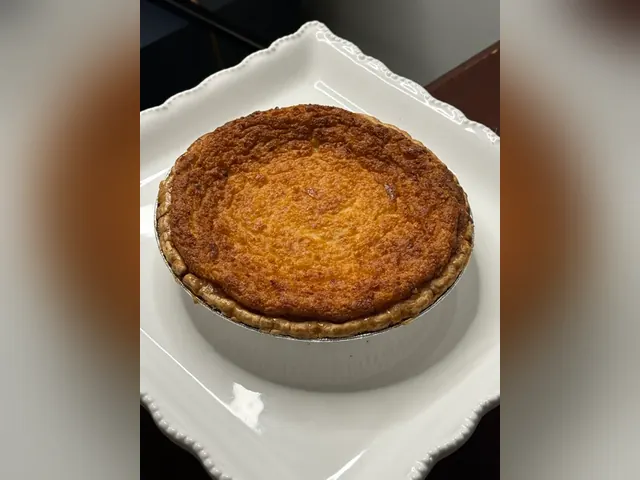
Mr. Tod's Pie Factory
Season 1 · Barbara Corcoran
 Deal
Sweet Ballz
Season 5 · Barbara Corcoran
 No deal
Blondies Cookies
Season 3
 No deal
Liz Lovely Cookies
Season 4
No deal
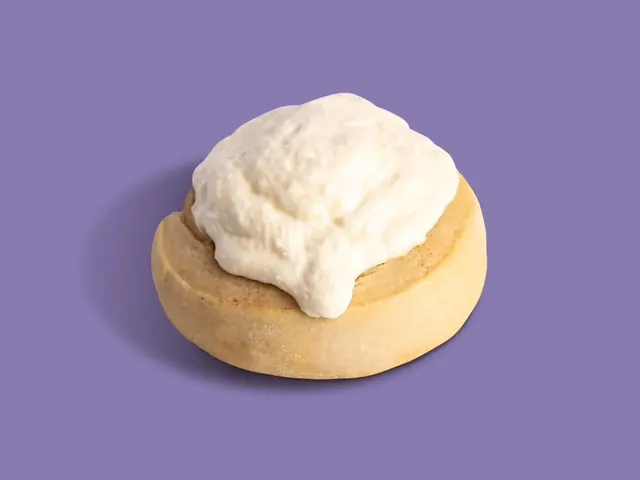
Jones Scones
Season 4
 Deal
Cinnaholic
Season 5 · Robert Herjavec
Deal
The Cookie Dough Cafe
Season 5 · Lori Greiner
Deal
Nui
Season 10 · Alex Rodriguez
No deal
Schulzies Bread Pudding
Season 5
Why a baking business works now
Baked goods are emotional purchases. People buy cookies, cakes and pies to celebrate, thank someone, comfort a friend or treat themselves, which makes them ideal for gifting and repeat orders. Cottage food laws in many places let you start from home with little money, and online ordering plus local delivery have made it easier than ever to reach customers without a storefront.
The category is competitive, and labor is the hidden cost that sinks many home bakers. The ones who build real businesses pick a signature product, price for their time and find a channel that scales beyond their own two hands.
What Shark Tank pitches teach us
Bakeries have pitched since the earliest seasons, and the results show what investors look for:
- Daisy Cakes (Season 2) ships traditional Southern layer cakes from family recipes and got a deal with Barbara Corcoran. A heritage recipe combined with nationwide shipping turned a local bakery into a gifting brand.
- Wicked Good Cupcakes (Season 4) layers cupcakes in mason jars so they ship well, and closed a deal with Kevin O'Leary. Solving the shipping problem was the business.
- Mr. Tod's Pie Factory (Season 1), a New Jersey pie bakery known for sweet potato pie, got a deal with Barbara Corcoran and Daymond John.
- Sweet Ballz (Season 5) makes chocolate-dipped cake balls and got a deal with Barbara Corcoran and Mark Cuban. A bite-sized, giftable format is easy to sell at events and online.
- Cinnaholic (Season 5), a vegan cinnamon roll bakery with customizable toppings, closed a deal with Robert Herjavec. A focused menu and a diet niche created a concept that could be replicated.
- The Cookie Dough Cafe (Season 5) sells edible, egg-free cookie dough and got a deal with Lori Greiner and guest Shark Steve Tisch, while Nui (Season 10) brought low-sugar, keto-friendly cookies to a deal with guest Shark Alex Rodriguez.
- Blondies Cookies (Season 3), Liz Lovely Cookies (Season 4), Jones Scones (Season 4) and Schulzies Bread Pudding (Season 5) all left without deals, and all are listed as still active. Plenty of bakeries build lasting businesses without outside investors.
Startup costs breakdown
These typical estimates assume a home or shared-kitchen start. A retail bakery requires a separate, much larger budget.
| Item | Home / cottage (estimate) | Commercial kitchen (estimate) |
|---|---|---|
| Mixer, ovens, sheet pans and tools | $500-$2,500 | $1,000-$10,000 |
| Permits, food handler training and insurance | $200-$1,000 | $1,000-$4,000 |
| Kitchen rental | Not applicable | $500-$2,500 per month |
| Packaging, labels and shipping supplies | $300-$1,500 | $1,500-$6,000 |
| Branding, photography and website | $300-$2,000 | $1,000-$5,000 |
| Initial ingredients and test batches | $200-$800 | $1,000-$4,000 |
| Marketing, samples and events | $200-$1,500 | $1,000-$5,000 |
Step-by-step: how to start a baking business
- Choose a signature item. A focused menu (one type of cookie, a pie, a cake in a jar) is easier to perfect, price and market than a full bakery case.
- Check cottage food laws. Many areas let you sell shelf-stable baked goods from home, usually with labeling rules, sales limits and restrictions on shipping across state lines or selling wholesale. Perishable items generally require a licensed kitchen. Confirm with your local health department.
- Standardize your recipe. Weigh ingredients, document every step and test batch consistency so quality does not drift as you grow.
- Test shelf life and shipping. Know how many days your product stays fresh and how it survives a trip across the country.
- Calculate true unit cost. Include ingredients, packaging, labor at a fair hourly rate, payment fees and shipping supplies.
- Start selling locally. Farmers markets, coffee shops, offices and local gift shops provide fast feedback.
- Add gifting and corporate orders. Holiday gift boxes and branded client gifts can turn a slow season into your busiest.
- Move to a commercial kitchen when demand requires it. This is often the step that unlocks wholesale and wider shipping.
How to make money
Gourmet cookies might cost $0.50 to $1.25 each in ingredients and packaging and sell for $3 to $6 individually, or $30 to $60 for a gift box, as typical estimates. Direct sales and custom orders usually keep 50-65% gross margins; wholesale to cafes and shops may sell at half the retail price, so margins narrow but volume grows.
Profitable bakers typically mix several channels: online gift boxes shipped nationally, local pickup and delivery, wholesale to coffee shops, catering for events and seasonal pre-orders. Subscriptions ("cookie of the month") can smooth out cash flow between holidays.
Marketing a bakery brand on a small budget
Baked goods sell through the eyes first. Invest in good photography in natural light, and show the product in real moments: a gift box being opened, a cookie broken in half, a pie on a holiday table. Short videos of decorating or packing orders often perform well on social media because they show craft and care.
Local partnerships are another low-cost growth lever. Coffee shops, florists, real estate agents, wedding planners and corporate office managers all buy or recommend treats regularly. Offer a sample box, a simple wholesale price list and an easy reorder process. Collect email addresses at every market and event, then announce seasonal flavors and pre-order deadlines to that list; holiday pre-orders can account for a large share of a small bakery's annual sales.
Scaling beyond your own kitchen
The main constraint on a baking business is time. Once orders consistently exceed what you can bake, you have a few options: hire part-time bakers in a commercial kitchen, invest in larger equipment for bigger batches, or move to a co-packer that can produce your recipe at volume. Each step increases fixed costs, so make the move only when you have steady demand you can see in your order history. Freezing dough or unbaked product is another way to batch efficiently and smooth out peaks.
Questions the Sharks would ask you
- What are your sales, and how much comes from repeat customers?
- What does each item cost, including your labor?
- How do you ship, and what share of orders arrive damaged?
- Can someone else bake your product to the same standard?
- Is this a local bakery or a national brand, and what do you need to get there?
Red flags that sink pitches in this category
- A business that depends entirely on the founder baking. Investors want systems that scale.
- Prices that ignore labor. Underpriced products feel successful until you try to hire help.
- Short shelf life with no plan. Without a shipping or production strategy, growth is capped.
- "Grandma's recipe" with no differentiation. A story helps, but customers still need a reason to choose you.
Frequently asked questions
How much does it cost to start a cookie business?
A home-based cookie business under cottage food rules can start for roughly $2,000 to $5,000 in equipment, packaging, permits and a basic website. Renting a commercial kitchen and building a shipping operation usually raises that to $10,000 to $30,000, and a storefront bakery can cost $75,000 or far more. These are typical estimates.
Can I sell baked goods from home?
In many US states and other regions, cottage food laws allow home kitchens to sell non-perishable baked goods such as cookies and breads directly to consumers, often with labeling rules, sales caps and limits on online or wholesale sales. Items that need refrigeration, like cheesecake or cream-filled pastries, are usually excluded. Check your state or local rules.
Is a baking business profitable?
It can be, especially for direct sales, custom orders and gifts where you control the price. Ingredient costs are modest, but labor is the biggest hidden cost. Profitable bakers price for their time, focus on a few high-margin items and use batching to stay efficient.
How do you ship cookies without them breaking or going stale?
Most bakers use sturdy tins or boxes with snug inserts, individually wrapped or heat-sealed cookies and cushioning. Shipping early in the week avoids weekend warehouse delays. Testing shelf life and doing a few test shipments to friends in different regions is the best way to find what works.
Every pitch, deal and Shark mentioned here is checked against our database of 1,533 Shark Tank pitches. Cost ranges are typical estimates, not quotes. This is general education, not financial, legal or investment advice. Editorial policy · Suggest a correction
More business ideas
See all →

How to Start a Hot Sauce Business: Lessons From 9 Shark Tank Pitches
Hot sauce is one of the easiest food brands to start and one of the hardest to stand out in.


How to Start an Ice Cream or Frozen Dessert Brand: Lessons From 10 Shark Tank Pitches
Frozen desserts are a joyful business with a hard logistics problem: everything has to stay frozen.
How to Start a Snack Brand: Lessons From 10 Shark Tank Pitches
Snacks are one of the most crowded aisles in the grocery store and one of the most frequently…


How to Start a Plant-Based Food Brand: Lessons From 10 Shark Tank Pitches
Plant-based food has moved from health-food stores to mainstream grocery aisles.

How to Start a Jerky and Meat Snack Business: Lessons From 8 Shark Tank Pitches
Jerky and meat snacks ride the protein trend, but they are among the most regulated foods you can…



How to Start a Food Truck Business: Lessons From 8 Shark Tank Pitches
A food truck is one of the most direct ways to test a restaurant concept with real customers.


Know Your Numbers: The Metrics Sharks Grill Founders On
Sharks judge a business by a handful of numbers: sales, margins, landed cost, customer acquisition…



Common Shark Tank Pitch Mistakes That Kill Deals
About four in ten Shark Tank pitches in our database ended without a deal on air.

How Valuation Works on Shark Tank (With Examples)
Every Shark Tank ask contains a valuation: divide the dollars by the equity percentage.