At a glance
- 💰 Startup cost
- $10K-$100K
- 📈 Difficulty
- Moderate
- ⏱️ Time to launch
- 6-12 months
- 📊 Typical margins
- Medium-High (40-60% gross, typical estimate)
- 🎯 Best for
- Outdoor enthusiasts who test gear in real conditions and can explain it clearly
Real Shark Tank pitches in this space
Swipe → Deal
Sierra Madre Research
Season 9 · Richard Branson
 Deal
Hele Outdoors
Season 17 · Barbara Corcoran
 Deal
Morrison Outdoors
Season 16 · Barbara Corcoran
 Deal
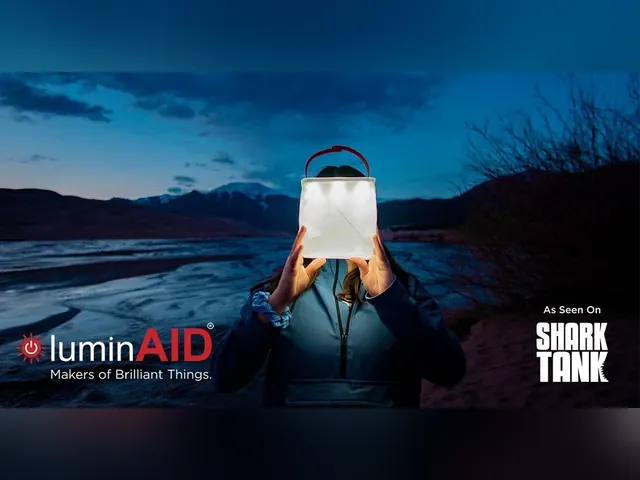
LuminAid
Season 6 · Mark Cuban
 Deal
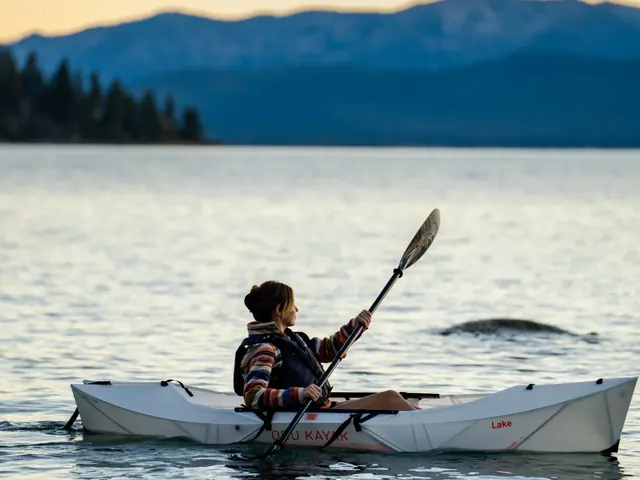
Oru Kayak
Season 5 · Robert Herjavec
 Deal
Yellow Leaf Hammocks
Season 11 · Daniel Lubetzky
Deal
Radiate
Season 9 · Robert Herjavec
Deal
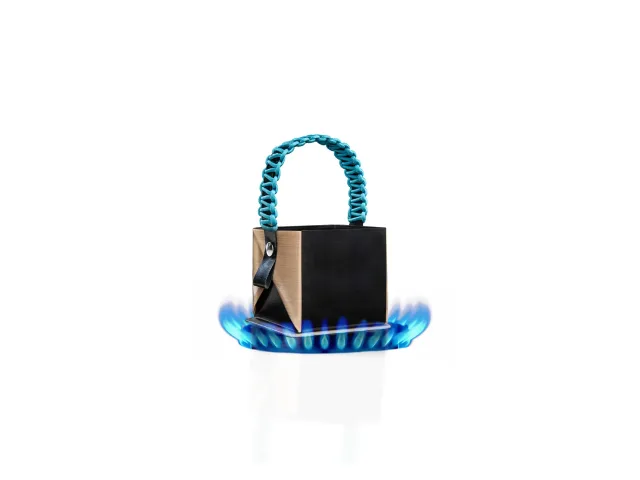
Under The Weather
Season 8 · Mark Cuban
 Deal
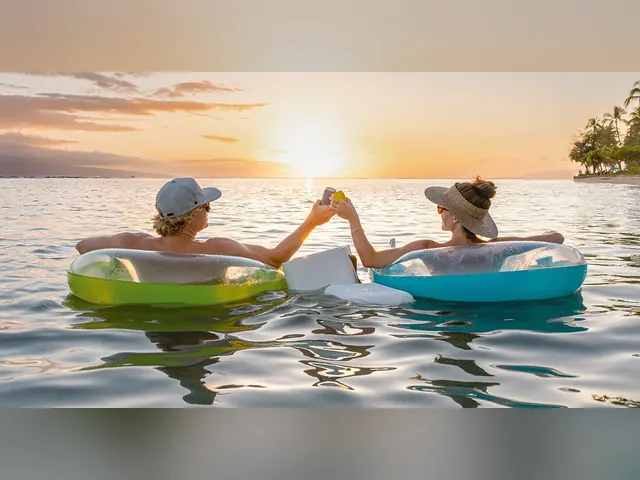
Bear Bowl
Season 10 · Jamie Siminoff
 Deal
FOAM Coolers
Season 16 · Daymond John
Deal
Tough Cutie
Season 16 · Barbara Corcoran
No deal
Heather's Choice
Season 15
Why an outdoor gear business works now
More people are camping, hiking, overlanding and spending weekends outside, and many are newcomers who want gear that is simple, compact and forgiving. Car camping and van life have opened a huge market for products that turn an ordinary vehicle into a comfortable basecamp. Families want to bring kids along. Experienced adventurers keep upgrading to lighter, smarter equipment.
Outdoor customers are also passionate. They read reviews, watch gear videos, join online forums and tell their friends about products that perform. A great piece of gear can spread through word of mouth faster than almost any other category. The flip side is that a product that fails in the rain or breaks on the trail will be called out publicly, so testing and honesty matter more here than in most markets.
What Shark Tank pitches teach us
- Oru Kayak (Season 5), kayaks that fold origami-style into a portable box, got a deal with Robert Herjavec and is listed as active. Lesson: making a bulky activity portable unlocks customers who lack storage or roof racks.
- LuminAid (Season 6), inflatable solar lanterns that pack flat, got a deal with Mark Cuban and is listed as active. Lesson: products that serve both recreation and emergency preparedness reach a wider market.
- Hele Outdoors (Season 17), a modular sleeping platform for car camping, got a deal with Barbara Corcoran. Morrison Outdoors (Season 16), sleeping bags for babies and young children, got a deal with Barbara Corcoran and Mark Cuban. Both are listed as active. Lesson: car campers and outdoor families are underserved niches.
- Sierra Madre Research (Season 9), hammock tents with a bug net and rain fly, got a deal with guest Shark Richard Branson. Yellow Leaf Hammocks (Season 11), handwoven artisan hammocks, got a deal with Daniel Lubetzky and is listed as active.
- Radiate (portable wax campfire) got a deal with Robert Herjavec, Under The Weather (pop-up weather pods) got a deal with Mark Cuban, Bear Bowl (folding cook pot) got a deal with guest Shark Jamie Siminoff, FOAM Coolers got a deal with Daymond John, and Tough Cutie (outdoor gear for women) got a deal with Barbara Corcoran.
- Heather's Choice, dehydrated meals for backpackers, left without a deal.
Outdoor gear has a strong deal rate on the show. The common thread is a product that is easy to demonstrate, solves a practical camping headache and appeals beyond hardcore experts.
Startup costs breakdown
Typical estimates. Sewn soft goods cost less to start than molded or engineered gear.
| Item | Soft goods (bags, hammocks, apparel) | Hard goods (cookware, coolers, platforms) |
|---|---|---|
| Design and prototyping | $2,000-$8,000 | $8,000-$25,000 |
| Tooling and molds | $0-$2,000 | $10,000-$40,000 |
| Field and safety testing | $500-$3,000 | $3,000-$10,000 |
| First production run | $5,000-$20,000 | $20,000-$60,000 |
| Packaging and branding | $1,000-$3,000 | $2,000-$6,000 |
| Website, video and launch marketing | $3,000-$10,000 | $8,000-$25,000 |
Many outdoor brands fund their first production run through crowdfunding, which doubles as market validation.
Step-by-step: how to start
- Solve a problem you have lived. Wet tents, bulky cookware, cold kids, no shade at the ballfield, or gear that does not fit in a small car.
- Prototype and field-test. Take prototypes into rain, wind, cold and heat. Recruit testers from local hiking clubs and camping groups.
- Choose the right materials. Weight, durability, water resistance and packability all trade off against cost. Document your choices so you can explain them to customers.
- Check safety rules. Products involving fire, fuel, heat, electricity, flotation or children may face specific safety standards, testing or labeling requirements. Research them early and get product liability insurance.
- Find a manufacturer with outdoor experience. Factories that already make tents, packs or cookware understand seam sealing, coatings and quality control.
- Launch with a demo video. Show setup time, packed size and the product in real conditions.
- Seed gear reviewers and guides. Outdoor buyers trust trail-tested reviews more than ads.
- Plan for seasonality. Spring and summer drive most camping sales, with a holiday gifting bump. Use the off-season for product development and pre-orders.
Your first 90 days
- Month one: join outdoor forums and groups, list the most common gear complaints, and build a rough prototype from modified existing gear.
- Month two: run weekend trips with ten to twenty testers. Collect photos, video and honest notes on what broke, leaked or confused them.
- Month three: refine the design, get factory quotes and launch a pre-order or crowdfunding page with real field footage. Use the response to size your first run.
Outdoor customers can tell the difference between a product designed in a studio and one proven outside. Your testing story is part of your marketing.
How to make money
Outdoor brands commonly target retail prices around three to four times landed cost. Soft goods often carry higher margins than heavy hard goods, which cost more to ship.
- Direct to consumer: best margins, strong storytelling and community building.
- Specialty outdoor retailers: credibility and expert staff, at roughly half of retail.
- Amazon: strong search demand for camping gear, with intense price competition.
- Rental and outfitter partnerships: guides and rental shops expose your gear to new users.
- Accessories and add-ons: stuff sacks, repair kits and replacement parts add repeat revenue.
Building a following in the outdoor community
Outdoor brands grow fastest when they become part of the culture rather than just another product in a catalog.
- Share real trips. Photos and stories from actual adventures, including what went wrong, build trust with experienced buyers.
- Support the places people play. Trail cleanups, conservation partnerships and Leave No Trace education resonate strongly with outdoor customers.
- Offer repairs and spare parts. A brand that helps you fix gear instead of replacing it earns lifelong loyalty.
- Welcome beginners. Simple guides on how to set up, pack and care for your gear help newcomers succeed and come back for more.
Questions the Sharks would ask you
- How has the product been tested in real conditions?
- What does it cost to make and ship, and what does it sell for?
- How seasonal are your sales?
- Who else sells something similar, and why is yours better?
- What is the next product in the line?
Red flags that sink pitches in this category
- Failures in the field: leaks, breaks and fires make for terrible reviews.
- Safety gaps: anything involving flame, flotation or children needs serious testing.
- Bulky, low-price products: shipping and storage costs wipe out margin.
- A one-season business: no plan for off-season revenue.
- Niche too small: gear for a sliver of experts with no path to mainstream campers.
Build gear you would trust on your own trips, prove it in real conditions and let enthusiastic customers spread the word.
Frequently asked questions
How much does it cost to start an outdoor gear company?
As a typical estimate, a soft-goods brand (hammocks, bags, apparel) can launch for $10,000-$40,000. Hard goods that need molds, engineering and heavier inventory often require $50,000-$100,000.
How do I test camping gear before selling it?
Field-test prototypes in a range of real conditions with experienced campers and beginners, document failures, and fix them before production. Safety-related products may also need lab testing to relevant standards.
Is an outdoor gear business profitable?
It can be, especially for well-designed soft goods with strong word of mouth. Profitability depends on shipping costs, seasonality, competition and how well the gear holds up.
Should I use crowdfunding to launch outdoor gear?
Many outdoor brands do. Crowdfunding can validate demand, fund a first production run and build an early community, but you must deliver on time and as promised to protect your reputation.
Every pitch, deal and Shark mentioned here is checked against our database of 1,533 Shark Tank pitches. Cost ranges are typical estimates, not quotes. This is general education, not financial, legal or investment advice. Editorial policy · Suggest a correction
More business ideas
See all →
How to Start a Golf Products Business: Lessons From 11 Shark Tank Pitches
Golfers spend freely on gear, apparel and anything that might lower their score or make a round…
How to Start an Athleisure & Activewear Brand: Lessons From 10 Shark Tank Pitches
Activewear is huge, but the brands that break through focus on a specific body, sport or problem.
How to Start a Fitness Equipment Business: Lessons From 12 Shark Tank Pitches
Home workouts have created lasting demand for compact, clever equipment.
How to Start a Travel Products Business: Lessons From 12 Shark Tank Pitches
Travelers will pay to make airports, packing and long trips less painful.
How to Start a Sports Training Products Business: Lessons From 12 Shark Tank Pitches
Parents, coaches and athletes spend heavily on anything that builds skills faster.

How to Start a Haircare Brand: Lessons From 11 Shark Tank Pitches
Haircare rewards founders who serve a specific hair type or need better than the giants do.

How to Get on Shark Tank: The Application and Casting Process
Shark Tank casts entrepreneurs through an online application on ABC's site and in-person open…

What "No Deal" Success Stories Teach Founders
Leaving the Tank without a deal is not the end of the story. In our database, no-deal businesses…


Shark Tank Deal Terms Glossary
A plain-English glossary of the deal terms you hear on Shark Tank, from equity and valuation to…