At a glance
- 💰 Startup cost
- $15K-$150K
- 📈 Difficulty
- Hard
- ⏱️ Time to launch
- 6-18 months
- 📊 Typical margins
- Medium (35-55% gross, typical estimate)
- 🎯 Best for
- Trainers, engineers and product designers who can solve a space, safety or motivation problem
Real Shark Tank pitches in this space
Swipe →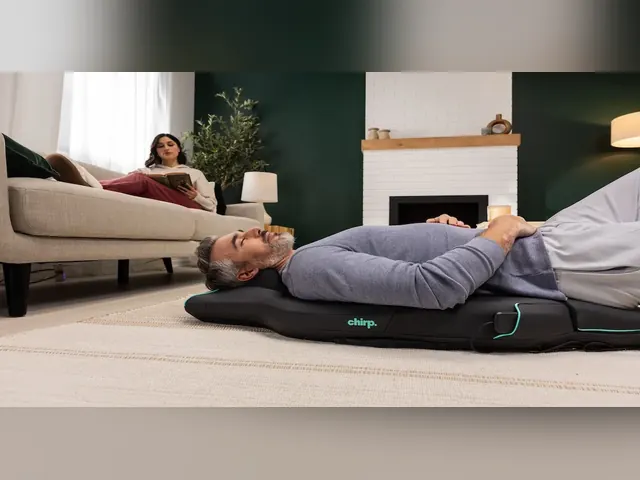 Deal
Chirp Wheel
Season 12 · Lori Greiner
 Deal
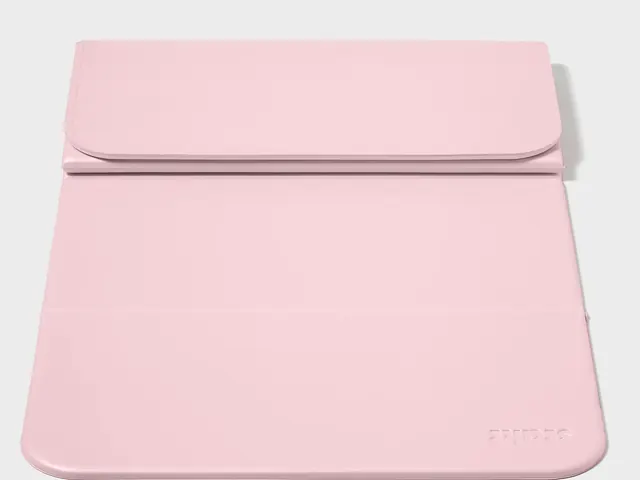
Stakt Mat
Season 14 · Lori Greiner
 Deal
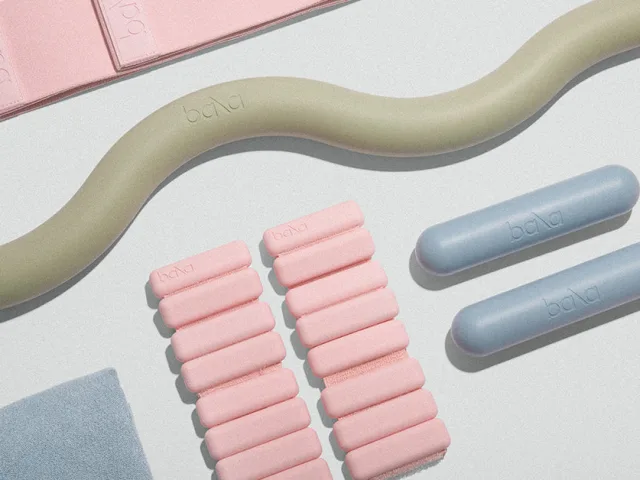
Bala Bangles
Season 11 · Mark Cuban
 Deal
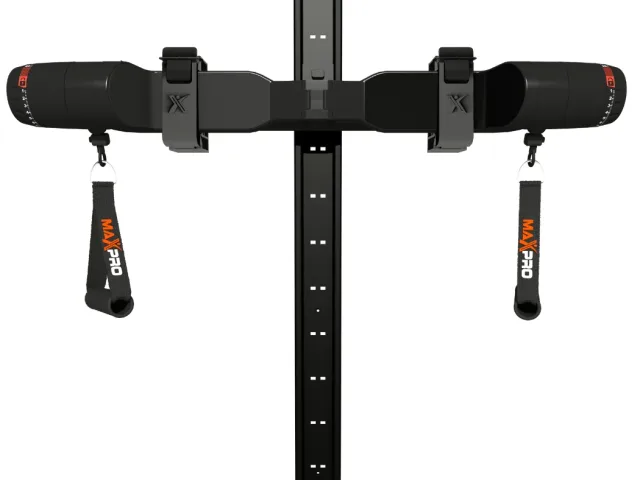
Maxpro Fitness
Season 13 · Mark Cuban
 Deal
SnapClips
Season 9 · Mark Cuban
 Deal
Brazyn Life
Season 9 · Lori Greiner
No deal
Nexersys
Season 5
 No deal
Sproing Fitness
Season 10
No deal
The NitroForce Titan 1000
Season 3
Why a fitness equipment business works now
Home workouts are now a permanent habit for many people. They want equipment that fits in an apartment, sets up in seconds, looks good in a living room and keeps them motivated. Gyms and trainers, meanwhile, look for durable tools that add variety to classes. That leaves room for focused products: space-saving racks, recovery tools, portable trainers and accessories that make existing equipment easier to use.
Fitness equipment also suits TV and social video. A product that looks fun and shows results in a ten-second clip can sell itself.
The challenges are real: engineering, safety testing, heavy shipping and big competitors. The best opportunities usually sit in smaller, lighter products or in clever designs that solve one problem extremely well.
What Shark Tank pitches teach us
- PRx Performance (Season 7), squat racks that fold flat against the wall, got a deal with Kevin O'Leary. Lesson: space-saving is a powerful selling point for home gyms.
- Simply Fit Board (Season 7), a curved balance board for twisting core workouts, got a deal with Lori Greiner and Kevin O'Leary. Terra-Core Fitness (Season 11), a balance platform that doubles as a bench and step, got a deal with Lori Greiner.
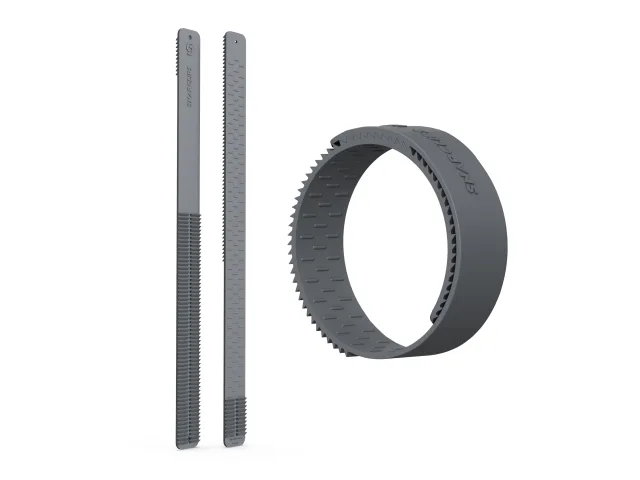
- Chirp Wheel (Season 12), foam-padded wheels for back stretching, and Stakt (Season 14), a foldable mat that doubles as a step, both got deals with Lori Greiner and are listed as active. Lesson: simple, affordable products with a clear benefit fit retail and TV shopping well.
- Bala Bangles (Season 11), stylish wearable weights, got a deal with Mark Cuban and guest Shark Maria Sharapova. Lesson: design can turn a commodity into a lifestyle product.
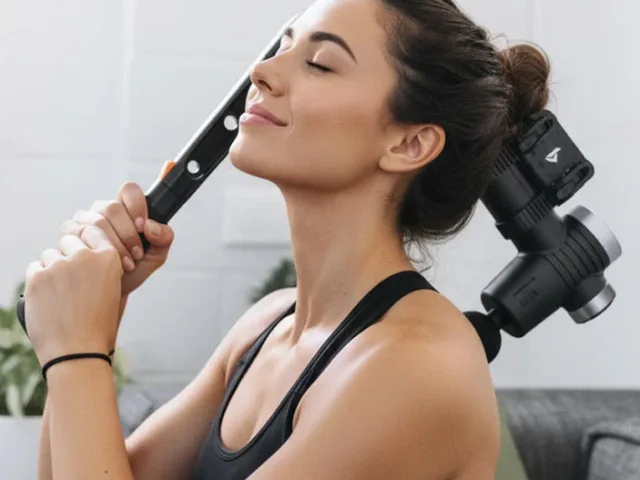
- Maxpro Fitness (Season 13), a compact resistance machine, got a deal with Mark Cuban. SnapClips (Season 9), quick barbell collars, got a deal with Mark Cuban, Lori Greiner and guest Shark Alex Rodriguez. Brazyn Life (Season 9), a collapsible foam roller, got a deal with Lori Greiner and guest Shark Sara Blakely.
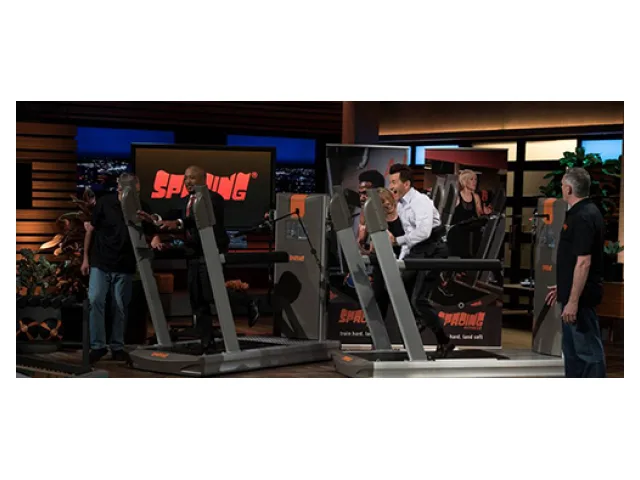
- Nexersys (interactive boxing trainer), Sproing Fitness (resistance running machine) and The NitroForce Titan 1000 (home machine) left without deals. Nexersys is listed as active. Lesson: big, expensive machines face tougher questions about cost, shipping and sales volume.
Startup costs breakdown
Typical estimates. Costs rise sharply with size, moving parts and electronics.
| Item | Small accessory | Larger equipment |
|---|---|---|
| Industrial design and engineering | $3,000-$10,000 | $20,000-$60,000 |
| Prototypes | $1,000-$5,000 | $10,000-$30,000 |
| Molds and tooling | $3,000-$15,000 | $20,000-$80,000 |
| Safety and durability testing | $1,000-$5,000 | $5,000-$20,000 |
| First production run | $5,000-$20,000 | $40,000-$150,000 |
| Patents and trademarks | $2,000-$8,000 | $8,000-$20,000 |
| Website, video and launch marketing | $3,000-$10,000 | $15,000-$40,000 |
A simple accessory brand can often launch for $15,000-$50,000; machines and racks can require well over $100,000.
Step-by-step: how to start
- Start with a pain point. Not enough space, boredom, joint strain, slow plate changes, or gear that is hard to travel with.
- Validate with trainers and users. Personal trainers, physical therapists and gym owners can tell you quickly whether your idea solves a real problem.
- Prototype and test hard. Fitness products face repeated stress. Test load limits, stability, grip and wear over thousands of cycles.
- Take safety seriously. Consumer products must be safe for their intended use, and some equipment categories have voluntary industry standards. Products with electronics may need additional certifications. Clear warnings and instructions reduce risk. Get product liability insurance.
- Protect the design. File a provisional patent if your mechanism is novel, and trademark your brand.
- Plan logistics early. Calculate freight, warehousing and last-mile shipping before setting your price. Heavy items can cost more to ship than to make.
- Launch with video. Short demos showing the workout and the setup are your most important asset.
- Build a content library. Workout programs, apps or video series keep customers using the product, which drives reviews and referrals.
Designing for the home
Most people buying home equipment have limited space and high standards for how their home looks. Products that win in this market tend to share a few traits:
- Compact storage: folds flat, stacks, hangs on a wall or slides under a bed.
- Quiet use: apartment dwellers worry about neighbors.
- Attractive materials: colors and finishes that look at home in a living room.
- Versatility: one product that supports many exercises feels like better value.
- Fast setup: if it takes more than a minute to get ready, people stop using it.
How to make money
Accessories can carry gross margins above 50%, while larger equipment often lands lower because of materials and freight. Typical channels:
- Direct to consumer: strongest margins and customer data, but you carry shipping costs and returns.
- Amazon: high search demand for fitness gear, with fierce price competition.
- Sporting goods and big-box retail: large volume at roughly half of retail or less.
- Commercial sales: gyms, studios, physical therapy clinics and corporate wellness programs.
- Content and subscriptions: paid workout programs can add recurring revenue.
Your first 90 days
- Month one: interview trainers, physical therapists and at least twenty potential buyers. Build a rough prototype from existing parts and watch people use it without coaching. Note where they get confused.
- Month two: work with a designer on a refined prototype, get two or three factory quotes, and build a full cost model that includes packaging, freight to your warehouse, storage and shipping to the customer.
- Month three: run a pre-order page or crowdfunding campaign with a clear demo video. If you cannot get a few hundred people to commit, refine the product or the message before you pay for tooling.
This sequence protects you from the most expensive mistake in the category: paying for molds and inventory before proving that people will buy at your price.
Questions the Sharks would ask you
- What does it cost to make and ship one unit?
- Why would someone buy this instead of a cheaper generic version?
- Do customers keep using it after the first month?
- Is your design protected?
- Has it been tested for safety and durability?
Red flags that sink pitches in this category
- Freight eating the margin: heavy products priced without full shipping costs.
- Safety questions: any risk of collapse, pinching or falls.
- Fad risk: products tied to a short-lived trend.
- Expensive machines with slow sales: big inventory bets with limited proof.
- No usage data: equipment that ends up as a clothes rack does not earn reviews or referrals.
Solve one fitness frustration elegantly, price for real landed costs and give customers a reason to keep using your product, and you will have a business worth building.
Frequently asked questions
How much does it cost to start a fitness equipment company?
As a typical estimate, a small accessory brand (bands, rollers, grips, mats) can launch for $15,000-$50,000. Larger equipment with engineering, tooling and freight can require $100,000-$150,000 or more.
How do I manufacture fitness equipment?
Most founders work with industrial designers to create prototypes, then source contract manufacturers that specialize in fitness or sporting goods. Order samples, test for durability and safety, and inspect production runs.
Is home gym equipment a good business?
It can be, especially for compact, versatile and well-designed products. Margins depend heavily on freight costs, competition and whether customers keep using the product and recommending it.
Do I need a patent for a fitness product?
Not necessarily, but a patent can help protect a truly novel mechanism. Many fitness brands also rely on branding, content and community to stand out from copies.
Every pitch, deal and Shark mentioned here is checked against our database of 1,533 Shark Tank pitches. Cost ranges are typical estimates, not quotes. This is general education, not financial, legal or investment advice. Editorial policy · Suggest a correction
More business ideas
See all →
How to Start a Golf Products Business: Lessons From 11 Shark Tank Pitches
Golfers spend freely on gear, apparel and anything that might lower their score or make a round…

How to Start an Athleisure & Activewear Brand: Lessons From 10 Shark Tank Pitches
Activewear is huge, but the brands that break through focus on a specific body, sport or problem.

How to Start a Travel Products Business: Lessons From 12 Shark Tank Pitches
Travelers will pay to make airports, packing and long trips less painful.



How to Start an Outdoor & Camping Gear Business: Lessons From 12 Shark Tank Pitches
Campers, hikers and road-trippers spend generously on gear that is lighter, smarter and easier to…
How to Start a Sports Training Products Business: Lessons From 12 Shark Tank Pitches
Parents, coaches and athletes spend heavily on anything that builds skills faster.




How to Start a Candle and Home Fragrance Business: Lessons From 7 Shark Tank Pitches
Candles are one of the most popular home-based businesses because they are affordable to make and…
Common Shark Tank Pitch Mistakes That Kill Deals
About four in ten Shark Tank pitches in our database ended without a deal on air.
What "No Deal" Success Stories Teach Founders
Leaving the Tank without a deal is not the end of the story. In our database, no-deal businesses…
How Valuation Works on Shark Tank (With Examples)
Every Shark Tank ask contains a valuation: divide the dollars by the equity percentage.