At a glance
- 💰 Startup cost
- $10K-$150K
- 📈 Difficulty
- Hard
- ⏱️ Time to launch
- 3-9 months for an MVP
- 📊 Typical margins
- High at scale (70-85% gross, typical estimate)
- 🎯 Best for
- Founders with a technical co-founder or a clear niche problem and the patience to iterate
Real Shark Tank pitches in this space
Swipe →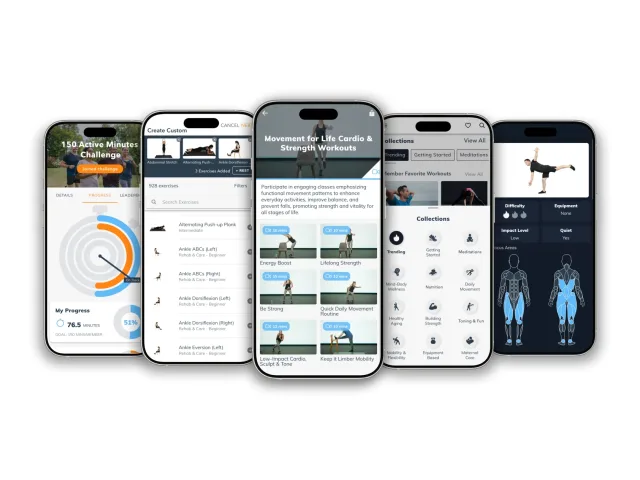 Deal
Sworkit
Season 7 · Mark Cuban
Deal
GrooveBook
Season 5 · Mark Cuban
 Deal
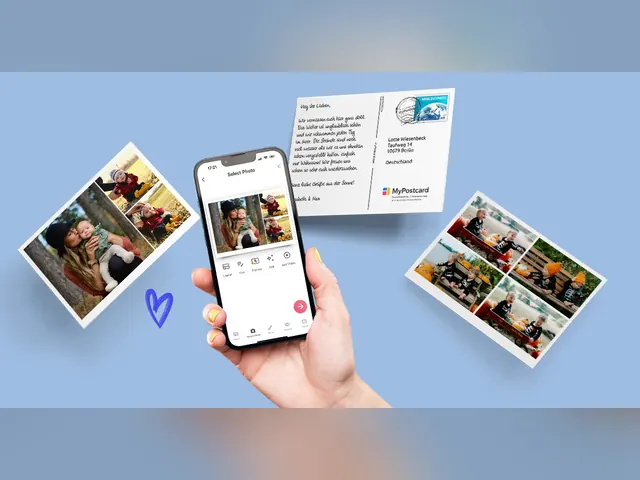
Postcard on the Run
Season 5 · Robert Herjavec
Deal
Bravo
Season 9 · Mark Cuban
 Deal
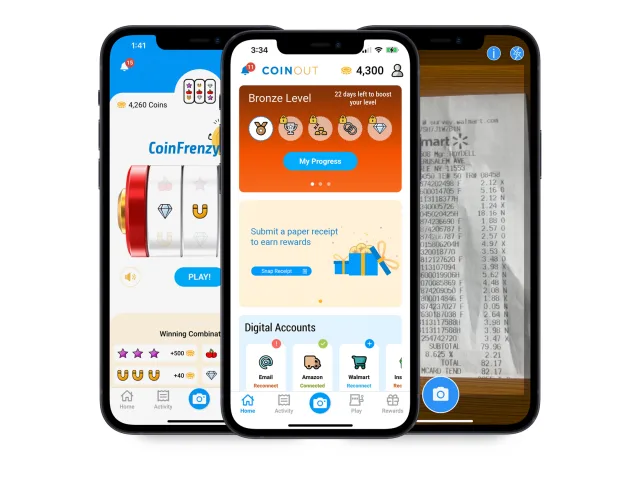
CoinOut
Season 9 · Robert Herjavec
Deal
Hater
Season 9 · Mark Cuban
Deal
Tabby
Season 13 · Kevin O'Leary
 Deal
Overplay
Season 15 · Mark Cuban
 No deal
Coffee Meets Bagel
Season 6
 No deal
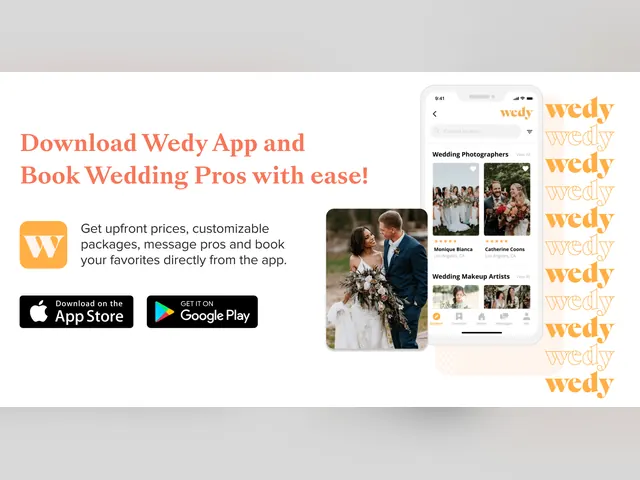
Wedy
Season 15
 No deal
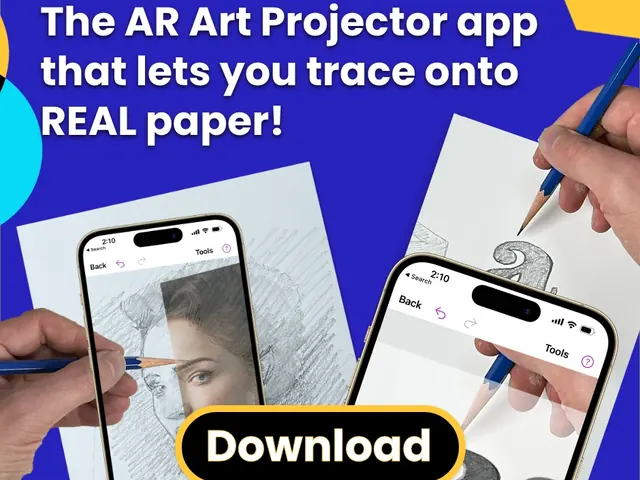
Da Vinci Eye App
Season 15
No deal
Simple Habit
Season 9
Why a mobile app startup can work now
Smartphones are where people date, shop, bank, work out, learn and relax. A well-designed app can reach customers anywhere with no physical inventory, and modern tools make it cheaper than ever to build a first version. No-code platforms, cross-platform frameworks and cloud services let small teams launch in months rather than years.
But app stores are crowded, and attention is scarce. Most downloaded apps are abandoned within days. The apps that succeed solve a recurring problem, deliver value in the first session and give users a reason to come back. Investors care far more about retention and engagement than about download counts.
Before you build anything, be honest about whether your idea needs to be an app at all. Some ideas work better as a website, a text-message service or a feature inside an existing platform.
What Shark Tank pitches teach us
Apps have a mixed track record on Shark Tank. The deals usually go to apps that already have traction or a physical product tied to the software.
- Sworkit (Season 7), personalized no-equipment workouts, got a deal with Mark Cuban. Lesson: a simple, flexible solution to a daily need can build a large user base.
- GrooveBook (Season 5), an app subscription that prints phone photos into a monthly book, got a deal with Mark Cuban and Kevin O'Leary and is listed as acquired. Postcard on the Run (Season 5), which turns phone photos into mailed postcards, got a deal with Robert Herjavec and is listed as active. Lesson: apps that connect digital life to a physical product can charge per order or by subscription.
- Bravo (Season 9), a digital tipping app, got a deal with Mark Cuban and Lori Greiner. CoinOut (Season 9), digital spare change at checkout, got a deal with Robert Herjavec. Lesson: fintech apps attract interest, but they depend on partnerships with merchants.
- Hater (Season 9), a dating app matching people on shared dislikes, got a deal with Mark Cuban. Tabby (Season 13), a dating app for cat lovers, got a deal with Kevin O'Leary and is listed as active. Overplay (Season 15), which turns videos into games, got a deal with Mark Cuban.
- Coffee Meets Bagel, a dating app, famously left without a deal and is listed as active. Wedy (wedding planning) and Da Vinci Eye (augmented reality tracing for artists) also left without deals and are listed as active, as did meditation app Simple Habit.
The takeaway: a "no" on Shark Tank is common for apps and is not fatal. Investors want to see engagement data and a clear path to revenue, not just a clever concept.
Startup costs breakdown
Typical estimates for a first version (minimum viable product) and first year:
| Item | Lean start | Funded start |
|---|---|---|
| Design (user flows, UI) | $1,000-$5,000 | $10,000-$30,000 |
| Development (no-code, freelancers or agency) | $5,000-$30,000 | $50,000-$100,000+ |
| Cloud hosting, databases and tools (first year) | $500-$3,000 | $3,000-$12,000 |
| Developer accounts and app store fees | $100-$300 | $100-$300 |
| Legal (terms, privacy policy, entity) | $500-$2,000 | $3,000-$10,000 |
| Launch marketing and user acquisition | $1,000-$5,000 | $10,000-$40,000 |
A technical co-founder can replace most development costs with equity, which is why many app startups begin with two founders: one who builds and one who sells.
Step-by-step: how to start
- Define one painful, frequent problem. Apps that people open weekly or daily are far easier to grow and monetize than those used once a year.
- Validate before you code. Interview potential users, build a clickable prototype and run a landing page with a waitlist. If you cannot get sign-ups, rethink the idea.
- Build a minimum viable product. Launch with the smallest feature set that delivers the core value. Cut everything else.
- Handle privacy and data properly. Publish a clear privacy policy, collect only the data you need and secure it. Apps for children under 13 in the US must follow COPPA rules, and many states have consumer privacy laws. Payments, health and financial apps may face extra regulation. Get legal advice for your specific case.
- Follow app store guidelines. Apple and Google have rules on payments, content and data use. Read them before you design your business model.
- Launch to a small group first. A beta with a few hundred engaged users teaches you more than a big launch.
- Measure retention. Track how many users return after one day, one week and one month. Improve onboarding and core features until those numbers rise.
- Scale acquisition only after retention is healthy. Paying to acquire users who leave right away burns cash.
Your first 90 days
- Month one: talk to at least thirty potential users. Map their current workaround for the problem and what it costs them in time or money.
- Month two: build a clickable prototype or no-code version and put it in front of real users. Watch them use it and note where they get stuck.
- Month three: release a beta, set up analytics and measure weekly active users and retention. Decide whether to keep building, change direction or stop.
Killing a weak idea in month three is a win, because it saves you a year of building something nobody wants.
How to make money
Once built, apps can have very high gross margins, though app store commissions, hosting and payment fees reduce them. Common models:
- Subscriptions: monthly or annual plans for premium features. Predictable revenue if churn is controlled.
- Freemium: free core app with paid upgrades. Typically only a small share of users pay, so you need scale.
- Transaction fees: a cut of payments, bookings or orders processed through the app.
- Physical fulfillment: printing, delivery or products ordered through the app.
- Advertising: works only with large, engaged audiences.
- Business licensing: selling your app to companies, schools or organizations, often at higher prices.
Questions the Sharks would ask you
- How many monthly active users do you have, and how many come back after 30 days?
- How much does it cost to acquire a user, and what is a user worth?
- How do you make money today?
- Who built it, and do you own the code?
- What stops a large tech company from adding your feature?
Red flags that sink pitches in this category
- Downloads without engagement: vanity numbers hide high churn.
- No revenue model: "we'll monetize later" worries investors.
- Outsourced code with no technical leadership: hard to iterate or fix problems.
- Feature, not a company: an idea a big platform could copy in a sprint.
- Privacy shortcuts: sloppy data handling can end a startup overnight.
Solve a frequent problem, prove people keep coming back and charge for real value. Everything else in the app business follows from those three things.
Frequently asked questions
How much does it cost to build an app startup?
As a typical estimate, a simple app built with no-code tools or freelancers can launch for $10,000-$40,000. A custom app built by an agency, with design, backend and launch marketing, often costs $75,000-$150,000 or more.
How do free apps make money?
Common models include subscriptions for premium features, in-app purchases, transaction fees, advertising and selling licenses to businesses. Many apps combine a free tier with paid upgrades.
Do I need a technical co-founder to start an app?
Not always, but it helps. No-code tools let non-technical founders build early versions, and freelancers can fill gaps. Investors often prefer teams with in-house technical leadership for long-term development.
How do I validate an app idea before building it?
Interview potential users, build a clickable prototype, and run a landing page with a waitlist or pre-sales. Strong sign-ups and repeated interest are good signs; silence means you should rethink the idea.
Every pitch, deal and Shark mentioned here is checked against our database of 1,533 Shark Tank pitches. Cost ranges are typical estimates, not quotes. This is general education, not financial, legal or investment advice. Editorial policy · Suggest a correction
More business ideas
See all →

How to Start a Phone & Tech Accessories Business: Lessons From 12 Shark Tank Pitches
Everyone carries a phone, and most people buy accessories for it every year.


How to Start a Spirits, RTD or Cocktail Mixer Brand: Lessons From 11 Shark Tank Pitches
Cocktail culture keeps growing, from craft spirits to canned cocktails to non-alcoholic…
How to Start a Snack Brand: Lessons From 10 Shark Tank Pitches
Snacks are one of the most crowded aisles in the grocery store and one of the most frequently…



How to Start a Swimwear Brand: Lessons From 9 Shark Tank Pitches
Swimwear is emotional, seasonal and high-margin, and fit is everything.



How to Start a Men's Grooming Brand: Lessons From 12 Shark Tank Pitches
Men are buying more grooming products than ever, but they want simple, effective and unembarrassing.


How to Start an Outdoor & Camping Gear Business: Lessons From 12 Shark Tank Pitches
Campers, hikers and road-trippers spend generously on gear that is lighter, smarter and easier to…
What "No Deal" Success Stories Teach Founders
Leaving the Tank without a deal is not the end of the story. In our database, no-deal businesses…


Negotiation Lessons From the Tank
Shark Tank compresses a negotiation that normally takes weeks into minutes.

How to Get on Shark Tank: The Application and Casting Process
Shark Tank casts entrepreneurs through an online application on ABC's site and in-person open…