At a glance
- 💰 Startup cost
- $10K-$75K
- 📈 Difficulty
- Moderate
- ⏱️ Time to launch
- 4-12 months
- 📊 Typical margins
- Medium-High (45-65% gross, typical estimate)
- 🎯 Best for
- Coaches, former athletes and sports parents who understand how skills are taught
Real Shark Tank pitches in this space
Swipe →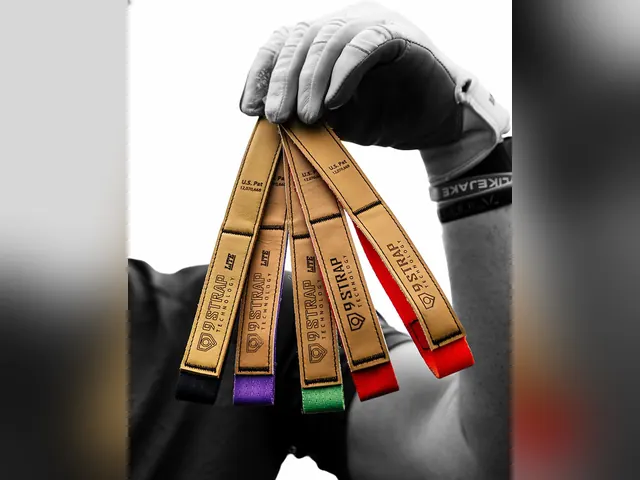 Deal
9 STRAP
Season 17 · Kevin O'Leary
Deal
K3
Season 15 · Lori Greiner
 Deal
Glove Wrap
Season 15 · Mark Cuban
 Deal
STOMP Athletics
Season 17 · Kevin O'Leary
 Deal
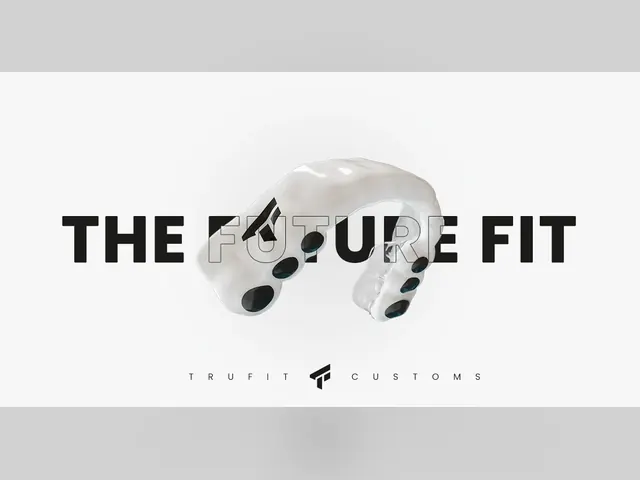
TRUFIT
Season 16 · Rashaun Williams
 Deal
Chalkless
Season 16 · Kevin O'Leary
 Deal
Rapid Rope
Season 11 · Barbara Corcoran
 Deal
Actionglow
Season 14 · Robert Herjavec
Deal
Fitfighter
Season 12 · Daniel Lubetzky
 No deal
Gladiator Lacrosse
Season 7
 No deal
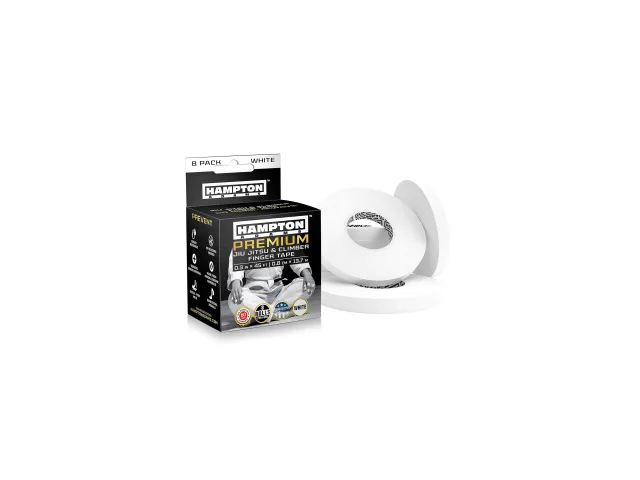
Hampton Adams
Season 13
 No deal
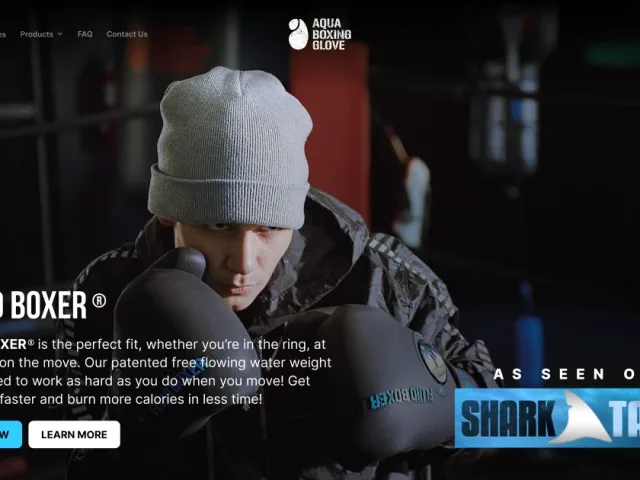
Aqua Boxing Gloves
Season 13
Why a sports training products business works now
Youth and amateur sports are a major spending category for families. Travel teams, private lessons, camps and showcases have made many parents eager to buy tools that help their kids improve. Adult athletes, from weekend softball players to rock climbers and CrossFit fans, also invest in gear that gives them an edge or keeps them safe.
Training products have some built-in advantages. Coaches and trainers act as powerful recommenders, teams buy in bulk, and the product can be demonstrated in a short video showing a before-and-after skill change. Many training aids are small and affordable to manufacture, which makes them accessible for first-time founders.
The challenge is credibility. Athletes and coaches are skeptical of gimmicks, so your product needs to fit how skills are actually taught.
What Shark Tank pitches teach us
- 9 STRAP (Season 17), a strap that keeps a hitter's hands together through the swing, got a deal with Kevin O'Leary, guest Shark Rashaun Williams, guest Shark Kendra Scott and Daniel Lubetzky, and is listed as active. Lesson: a simple, coachable fix for a common flaw can attract several investors at once.
- K3 (Season 15), basketball shooting bands that guide form, got a deal with Lori Greiner and guest Shark Michael Rubin. Glove Wrap (Season 15), which shapes and stores baseball gloves, got a deal with Mark Cuban and Michael Rubin and is listed as active.
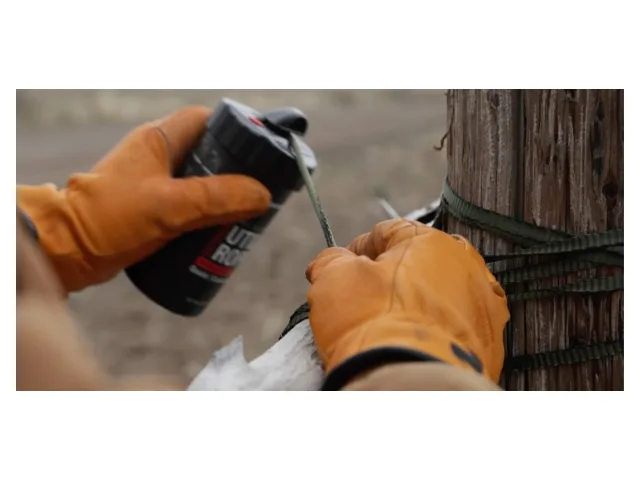
- STOMP Athletics (Season 17), a traction mat that restores shoe grip, got a deal with Kevin O'Leary. Chalkless (Season 16), a mess-free grip enhancer, got a deal with Kevin O'Leary and Rashaun Williams. TRUFIT (Season 16), custom-fit mouthguards, got a deal with Rashaun Williams. All three are listed as active.
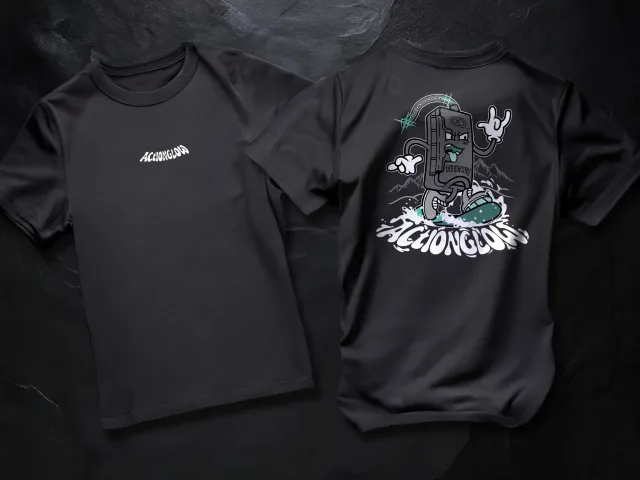
- Rapid Rope (jump ropes, Season 11) got a deal with Barbara Corcoran, Actionglow (LED kits for hoops and goals, Season 14) got a deal with Robert Herjavec, and Fitfighter (a weighted training hose, Season 12) got a deal with Daniel Lubetzky.
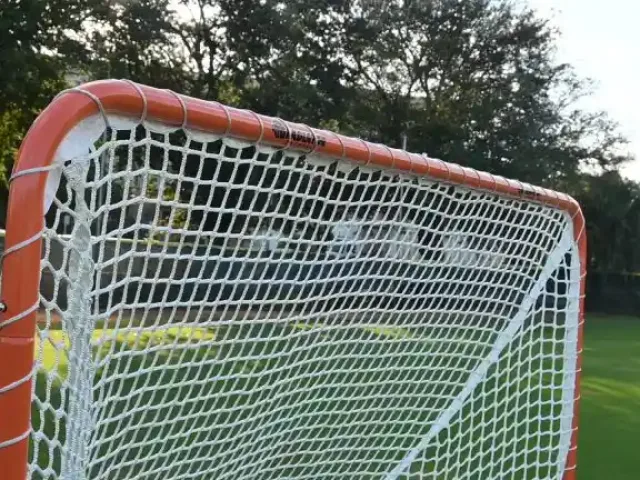
- Gladiator Lacrosse (practice equipment), Hampton Adams (athletic tape) and Aqua Boxing Gloves left without deals.
Training products do well with the Sharks when they target a specific sport, fix a well-known problem and sell through teams and coaches as well as online.
Startup costs breakdown
Typical estimates for a small training product:
| Item | Lean start | Funded start |
|---|---|---|
| Design and prototypes | $1,000-$5,000 | $8,000-$20,000 |
| Molds, tooling or custom materials | $1,000-$8,000 | $10,000-$30,000 |
| Testing with athletes and safety checks | $500-$3,000 | $3,000-$10,000 |
| First production run | $3,000-$15,000 | $15,000-$40,000 |
| Patents and trademarks | $1,000-$5,000 | $5,000-$15,000 |
| Video content, website and launch | $2,000-$6,000 | $8,000-$25,000 |
Step-by-step: how to start
- Pick one sport and one skill. Bat path, shooting form, grip, footwork, conditioning or protection. Narrow focus makes the product credible.
- Validate with coaches. Show prototypes to coaches and trainers. If they would use it in practice, you have a channel as well as a product.
- Test with athletes at different levels. Youth players, high schoolers and adults use products differently. Make sure it is safe and effective across ages.
- Take safety seriously. Protective gear and anything used by children may be subject to specific safety standards or certification requirements set by sport governing bodies or regulators. Research what applies to your product and get liability insurance.
- Check league rules. If the product could be used in games, confirm whether governing bodies allow it. Most training aids are for practice only, which is fine if you say so.
- Protect the idea. A trademark is essential; a patent may help if the mechanism is novel.
- Create drill content. Videos and drill guides show customers exactly how to use the product and make results more likely.
- Sell through teams. Team bundles, club discounts and coach ambassador programs build volume.
Your first 90 days
- Month one: interview at least ten coaches and trainers in your sport. Ask what skill they spend the most time correcting and what tools they already use.
- Month two: build prototypes and run them through real practices. Film before-and-after clips with permission from athletes and parents.
- Month three: launch a small batch to a waitlist built from coaches, clubs and parents. Offer team pricing and track which teams reorder or recommend it.
Coach adoption in this window is the single best signal that you have a real product.
How to make money
Many training aids cost a few dollars to produce and retail for $25-$60, as a typical estimate, which supports wholesale and team discounts.
- Direct to consumer: parents and athletes buying online after seeing demo videos.
- Teams, clubs and academies: bulk orders, often with custom colors or logos.
- Sporting goods retail: local shops and specialty stores, typically at about half of retail.
- Coaches and trainers: affiliate or wholesale programs that reward recommendations.
- Digital add-ons: paid drill programs or apps that extend the product's value.
Plan your calendar around sports seasons. Baseball and softball purchases spike before spring, basketball before winter leagues, and many families shop for camps and tryouts in summer. Holiday gifting is another strong window. Launching new products a month or two before a sport's season begins gives teams time to order.
Building trust with parents and coaches
In youth sports especially, the buyer (a parent) is not always the user (the athlete) or the decision-maker (the coach). Your marketing needs to speak to all three:
- For coaches: drill plans, practice integration ideas and team pricing.
- For parents: safety information, durability, sizing for different ages and clear value for the price.
- For athletes: fun, fast feedback and videos of players they look up to using the product.
Testimonials from respected local coaches often outperform celebrity endorsements, and they cost far less.
Questions the Sharks would ask you
- Which coaches or programs use it, and what results have they seen?
- How much does it cost to make, and what do teams pay?
- Is it safe for kids, and is it allowed in games?
- Can it expand to other sports or skills?
- What stops a big sporting goods brand from copying it?
Red flags that sink pitches in this category
- No coach validation: a product coaches dismiss will struggle.
- Exaggerated results: promising instant improvement invites skepticism.
- Safety concerns: especially for youth athletes.
- Tiny market: a tool for a very narrow skill in a small sport.
- Single-product company: no plan for follow-up products.
Win the coaches, prove the results with real athletes and build from one sport into a training brand.
Frequently asked questions
How much does it cost to start a sports training product business?
As a typical estimate, a simple training aid can launch for $10,000-$30,000, covering prototypes, a first production run and video content. Products needing custom tooling or safety certification may require $50,000-$75,000.
How do I sell sports training products to teams?
Build relationships with coaches, club directors and academies. Offer team bundles, custom colors or logos and coach discounts, and show drill videos that make it easy to use the product in practice.
Do I need a patent for a sports training aid?
Not always. A patent can help protect a novel mechanism, but many training brands also rely on coach relationships, content and branding to stay ahead of copies.
Is a sports training product business profitable?
It can be. Many training aids have low production costs relative to price, and team sales create volume. Profitability depends on marketing efficiency, repeat purchases and expanding the product line.
Every pitch, deal and Shark mentioned here is checked against our database of 1,533 Shark Tank pitches. Cost ranges are typical estimates, not quotes. This is general education, not financial, legal or investment advice. Editorial policy · Suggest a correction
More business ideas
See all →
How to Start a Golf Products Business: Lessons From 11 Shark Tank Pitches
Golfers spend freely on gear, apparel and anything that might lower their score or make a round…
How to Start an Athleisure & Activewear Brand: Lessons From 10 Shark Tank Pitches
Activewear is huge, but the brands that break through focus on a specific body, sport or problem.
How to Start a Fitness Equipment Business: Lessons From 12 Shark Tank Pitches
Home workouts have created lasting demand for compact, clever equipment.


How to Start an Outdoor & Camping Gear Business: Lessons From 12 Shark Tank Pitches
Campers, hikers and road-trippers spend generously on gear that is lighter, smarter and easier to…

How to Start a Travel Products Business: Lessons From 12 Shark Tank Pitches
Travelers will pay to make airports, packing and long trips less painful.



How to Start a Food Truck Business: Lessons From 8 Shark Tank Pitches
A food truck is one of the most direct ways to test a restaurant concept with real customers.
Shark Tank Episode Guide: Is It Still On, When It Airs & Where to Watch (2026)
Shark Tank is in its 18th season on ABC, taping in Atlanta with Kendra Scott and Rashaun Williams…


A Shark-Tank-Style Elevator Pitch Template (Fill in the Blank)
A practical, fill-in-the-blank template for a Shark Tank-style pitch, with 30-second, one-minute…

Negotiation Lessons From the Tank
Shark Tank compresses a negotiation that normally takes weeks into minutes.