At a glance
- 💰 Startup cost
- $5K-$60K
- 📈 Difficulty
- Moderate
- ⏱️ Time to launch
- 4-10 months
- 📊 Typical margins
- High (50-70% gross, typical estimate)
- 🎯 Best for
- Frequent travelers and parents who notice everyday travel frustrations and like product design
Real Shark Tank pitches in this space
Swipe → Deal
Hoodie Pillow
Season 4 · Robert Herjavec
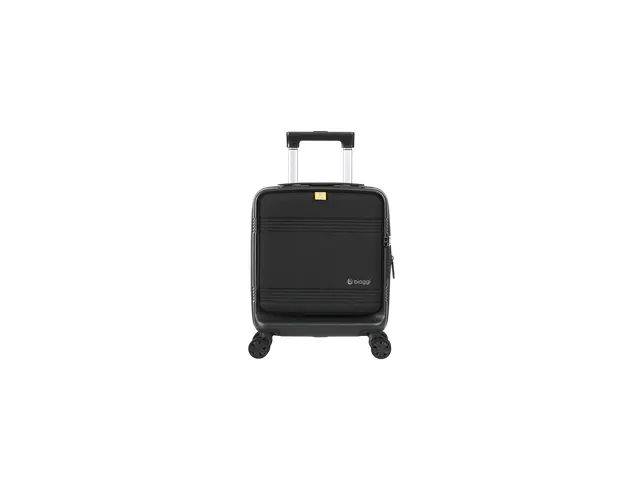 Deal
Biaggi
Season 6 · Lori Greiner
Deal
Trunkster
Season 7 · Mark Cuban
Deal
Cincha
Season 14 · Barbara Corcoran
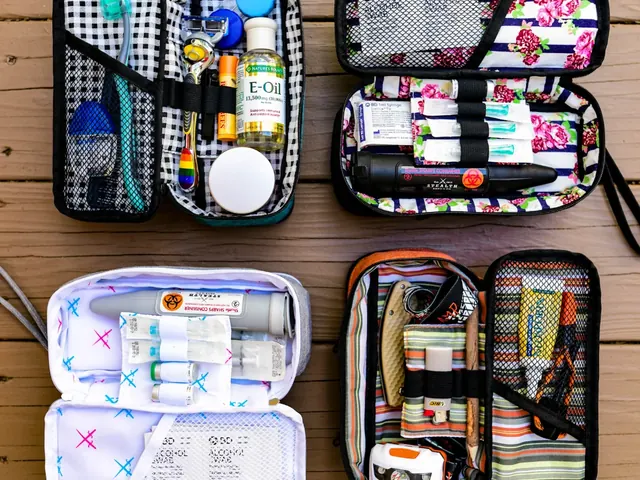 Deal
Stealth Bros
Season 14 · Barbara Corcoran
Deal
GOBIE H2O
Season 4 · Daymond John
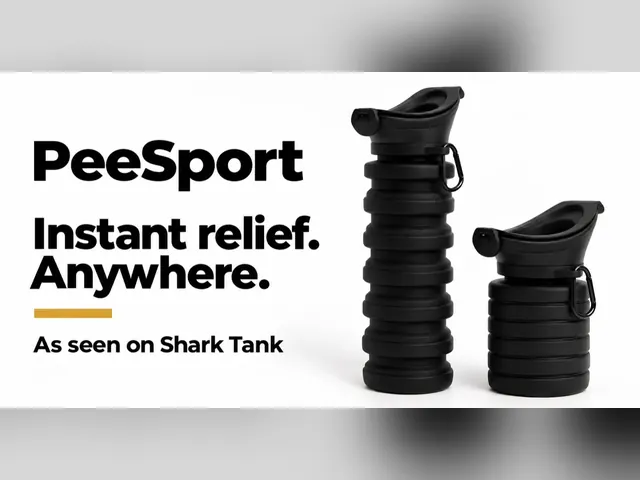 Deal
PeeSport
Season 17 · Kevin O'Leary
 No deal
SCOTTeVEST
Season 3
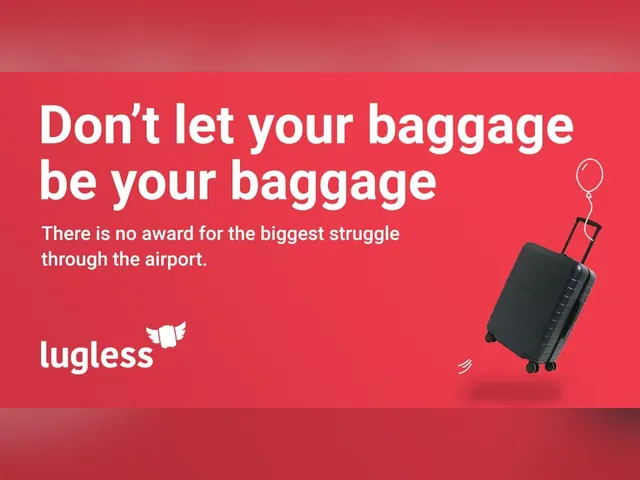 No deal
LugLess
Season 4
 No deal
FlyWithWine
Season 15
 No deal
Pack'd
Season 17
Why a travel products business works now
Travel is full of small, repeated frustrations: bags that do not stay on the suitcase handle, toiletries that leak, kids who will not walk another step through the terminal, no comfortable way to nap in a middle seat. People feel these pain points every trip, and many will pay a premium for a product that removes one. Travel gear is also very visual and easy to demonstrate, which helps on social media, crowdfunding platforms and marketplaces.
The challenge is that travel products are easy to copy and often compete on Amazon against cheap lookalikes. Airline rules, carry-on size limits and security screening also constrain what you can design. The brands that last solve a specific problem well, build a recognizable name and keep improving the product.
What Shark Tank pitches teach us
Travel products are a steady presence on Shark Tank, and many of the deals went to simple products that demonstrate in a few seconds.
- Ride-On Carry-On (Season 2), a fold-out seat that lets a small child ride on a rolling carry-on, got a deal with Barbara Corcoran and is listed as active. Lesson: products for traveling parents tap a group that is highly motivated to buy.
- Hoodie Pillow (Season 4), a travel neck pillow with an attached hood, got a deal with Robert Herjavec and is listed as active. Lesson: a fresh twist on a familiar product can be enough to stand out.
- Biaggi (Season 6), luggage that folds down for storage, got a deal with Lori Greiner, and Trunkster (Season 7), a zipperless carry-on with a roll-top door, got a deal with Mark Cuban and Lori Greiner. Luggage itself is crowded, so both pitched a clear structural difference.
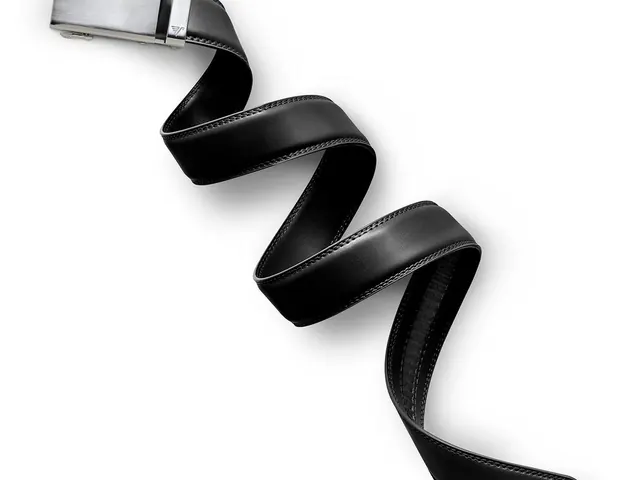
- Cincha (Season 14), a travel belt that straps a bag to a suitcase handle, got a deal with Barbara Corcoran, and Stealth Bros (Season 14), toiletry bags for men, got a deal with Barbara Corcoran and Mark Cuban. Low-cost accessories can be strong gift and impulse buys.
- GOBIE H2O (Season 4), filtered water bottles for travelers and hikers, got a deal with Daymond John, and PeeSport (Season 17), a collapsible portable urinal for road trips, got a deal with Kevin O'Leary. Both are listed as active.
- Several travel founders left without deals and are listed as active: SCOTTeVEST (travel clothing with hidden pockets), LugLess (luggage shipping), FlyWithWine (luggage for carrying wine bottles) and Pack'd (prepaid bags to mail clothes home mid-trip).
The lesson: the Sharks respond to travel products that fix an obvious problem, carry a healthy markup and have room for a product line.
Startup costs breakdown
Typical estimates for a small brand that designs its own products and outsources manufacturing:
| Item | Lean start | Funded start |
|---|---|---|
| Product design and prototypes | $500-$3,000 | $5,000-$15,000 |
| Molds or tooling (hard-shell or plastic parts) | $0-$3,000 | $5,000-$25,000 |
| First production run | $2,000-$10,000 | $15,000-$40,000 |
| Materials, safety and durability testing | $300-$1,500 | $2,000-$6,000 |
| Packaging and branding | $500-$2,000 | $3,000-$8,000 |
| Trademark and provisional patent | $300-$2,000 | $3,000-$10,000 |
| Website, photography and launch ads | $1,000-$3,000 | $5,000-$15,000 |
Sewn soft goods such as straps, pouches and pillows usually start at the low end. Luggage, electronics and filtration products sit at the high end.
Product ideas worth exploring
- Family travel: ride-on seats, car seat carriers, sleep solutions and snack organizers for kids.
- Organization: packing cubes, compression bags, leak-proof toiletry kits and cable organizers.
- Comfort: neck support, foot rests, eye masks and in-flight blankets that pack small.
- Security: theft-resistant bags, hidden pockets and luggage trackers.
- Services: luggage shipping, gear rental and packing logistics for travelers.
Step-by-step: how to start
- Pick one frustration. Read reviews of best-selling travel gear and travel forums. Repeated complaints point to opportunities.
- Prototype and test on real trips. Take your prototype through airports, train stations and road trips, and give samples to frequent flyers for honest feedback.
- Design around the rules. Check common airline carry-on size limits and TSA screening rules. Products with batteries, liquids or tools need extra care. If you sell to children, check consumer product safety requirements for children's products.
- Source carefully. Get quotes from several factories, order pre-production samples and agree on quality standards in writing. Zippers, wheels and seams fail first.
- Protect your brand. File a trademark. Consider a provisional patent for a genuinely new mechanism, but plan to beat copycats with brand and speed.
- Launch on one channel. Crowdfunding, your own site or Amazon can validate demand before you commit to large orders.
- Collect reviews early. Travel shoppers rely heavily on reviews and real-world photos.
- Expand into a line. Add sizes, colors and complementary items once the hero product sells steadily.
How to make money
Travel accessories often sell at three to five times landed cost, as a typical estimate. A strap or pouch that costs $5 to make and ship might retail for $20-$30. Typical channels:
- Direct to consumer: best margins and customer data, ideal for bundles and gift sets.
- Amazon: strong for search-driven items, but expect fees, price pressure and copycats.
- Travel and luggage retailers: wholesale at roughly half of retail, with expectations for reliable supply.
- Airport and gift shops: good for impulse items, though placement can be hard to win.
- Corporate gifts: branded travel kits for companies and conferences.
Travel is seasonal, with spikes around summer and the holidays, so plan inventory and cash flow around peak buying periods.
Questions the Sharks would ask you
- What is your landed cost, wholesale price and retail price?
- How many units have you sold, and through which channels?
- What stops a big luggage brand or an overseas seller from copying it?
- Does it meet airline size limits and security rules?
- What is your return rate, and why do people return it?
- What is the second and third product in the line?
Red flags that sink pitches in this category
- Easy to copy: a simple product with no brand, patent or retail relationships behind it.
- Too niche: a solution for a rare situation that few travelers face.
- Bulky or heavy: travelers resist adding weight and size to their bags.
- Quality problems: broken zippers and wheels lead to returns and bad reviews.
- Service models with thin margins: shipping and logistics costs can eat most of the price.
- High valuation on low sales: a common reason travel founders leave without a deal.
Solve one travel headache clearly, prove people buy it again as gifts and upgrades, and build a brand travelers recognize at the gate.
Frequently asked questions
How much does it cost to start a travel products business?
As a typical estimate, a soft-goods travel accessory brand can start for $5,000-$15,000 covering prototypes, a first production run, packaging and a website. Luggage, molded products or items with electronics commonly need $30,000-$60,000 or more because of tooling and larger minimum orders.
What travel products sell best?
Products that solve frequent, specific problems tend to do well: packing organization, comfort on flights, family travel helpers, security features and hydration. Items that are light, compact and easy to demonstrate are easier to market online.
Do travel products need special certifications?
It depends on the product. Children's products must meet consumer product safety requirements, items with lithium batteries face shipping and airline restrictions, and water filtration claims should be supported by testing. Check the rules that apply to your category before launching.
Should I sell travel products on Amazon?
Many brands do because travel shoppers search there, but fees, price competition and copycats are real risks. A trademark, Amazon Brand Registry, strong reviews and your own website help protect your margins.
Every pitch, deal and Shark mentioned here is checked against our database of 1,533 Shark Tank pitches. Cost ranges are typical estimates, not quotes. This is general education, not financial, legal or investment advice. Editorial policy · Suggest a correction
More business ideas
See all →
How to Start a Sports Training Products Business: Lessons From 12 Shark Tank Pitches
Parents, coaches and athletes spend heavily on anything that builds skills faster.
How to Start a Fitness Equipment Business: Lessons From 12 Shark Tank Pitches
Home workouts have created lasting demand for compact, clever equipment.

How to Start an Outdoor & Camping Gear Business: Lessons From 12 Shark Tank Pitches
Campers, hikers and road-trippers spend generously on gear that is lighter, smarter and easier to…

How to Start an Athleisure & Activewear Brand: Lessons From 10 Shark Tank Pitches
Activewear is huge, but the brands that break through focus on a specific body, sport or problem.

How to Start a Golf Products Business: Lessons From 11 Shark Tank Pitches
Golfers spend freely on gear, apparel and anything that might lower their score or make a round…
How to Start a Jerky and Meat Snack Business: Lessons From 8 Shark Tank Pitches
Jerky and meat snacks ride the protein trend, but they are among the most regulated foods you can…
Shark Tank Episode Guide: Is It Still On, When It Airs & Where to Watch (2026)
Shark Tank is in its 18th season on ABC, taping in Atlanta with Kendra Scott and Rashaun Williams…

What Happens After Shark Tank: Due Diligence, Deals That Fall Through and the Shark Tank Effect
An on-air handshake is the start of a process, not the end. This guide explains due diligence…
Which Shark Should You Pitch? Each Shark's Investing Style
Each Shark brings a different background, investing style and set of favorite categories.