At a glance
Real Shark Tank pitches in this guide
Swipe → Deal
Cousins Maine Lobster
Season 4 · Barbara Corcoran
 Deal
Daisy Cakes
Season 2 · Barbara Corcoran
 Deal
Tower Paddle Boards
Season 3 · Mark Cuban
 No deal
Kodiak Cakes
Season 5
 No deal
The Lip Bar
Season 6
 Deal
Sweet Ballz
Season 5 · Barbara Corcoran
 Deal
Hillbilly Brand
Season 2 · Robert Herjavec
 Deal
I Want To Draw A Cat For You
Season 3 · Mark Cuban
 No deal
Pure Ayre
Season 2
Bootstrapping means building a business with your own money and the revenue the business generates, rather than outside investment. It's the default path for most small businesses, and a theme running through many Shark Tank pitches. Founders who've grown without investors tend to arrive with tight numbers, clear priorities and a strong negotiating position, because they don't desperately need the money.
Our database doesn't record each company's full funding history, so we won't claim any particular founder was fully self-funded. But the pitches collectively illustrate lessons that apply to anyone building on a shoestring.
This is general business education, not financial or legal advice.
Lesson 1: Prove demand before you spend big
The cheapest way to reduce risk is to sell before you scale. Bootstrapped founders often start with the smallest possible version of the business: a farmers market table, a handful of online orders, a local store test, a pre-order page.
- Sell a small batch before ordering thousands of units.
- Take pre-orders or deposits to fund production.
- Test pricing with real customers rather than surveys.
- Track who buys again, which is the strongest signal of all.
Small, simple models can work. I Want To Draw A Cat For You, a website that sold custom hand-drawn cartoon cats for a small fee, pitched in Season 3 and closed a deal with Mark Cuban. The business needed almost no inventory to start.
Lesson 2: Start where your customers already are
Bootstrapped businesses can't afford to build demand from nothing. They go where customers already gather: local events, neighborhood foot traffic, online marketplaces and communities.
Cousins Maine Lobster, a food truck and restaurant business serving Maine-style lobster rolls, pitched in Season 4 and closed a deal with Barbara Corcoran. A food truck format lets operators go to customers rather than wait for them. Daisy Cakes, a South Carolina bakery making Southern layer cakes from family recipes and shipping them nationwide, also closed with Barbara Corcoran (Season 2), showing how a local product can reach a national audience through shipping.
Lesson 3: Guard your margins from day one
Without investors to cover losses, every sale has to pay its way. That means knowing your landed cost, pricing for profit and resisting discounts that destroy margin.
Worked example: A product costs $7 to land. Sold direct at $30, gross profit is $23. Subtract $6 shipping, $1 in payment fees and $9 in ad spend per order, and $7 remains per order. If you discount 20% to $24, the same order contributes just $1. A bootstrapped founder can't afford many of those.
See Know Your Numbers for gross and contribution margin calculations.
Lesson 4: Cash flow is oxygen
Profitable businesses still run out of money when cash goes out before it comes in. Inventory, retail payment terms and seasonal demand can all strain a bootstrapped company.
| Cash trap | Bootstrapper's response |
|---|---|
| Large minimum order quantities | Negotiate smaller runs, even at a higher unit cost, until demand is proven |
| Retailers paying 60 to 90 days after delivery | Balance wholesale with direct sales that pay immediately |
| Seasonal spikes | Pre-orders, deposits and careful inventory planning |
| Rapid growth | Short-term inventory financing or a line of credit rather than giving up equity |
| Unexpected costs | Keep a cash reserve covering several months of fixed expenses |
Lesson 5: Choose channels that fit your budget
Different sales channels have very different cash needs:
- Direct-to-consumer website: best margins and immediate payment, but you pay to acquire every customer.
- Marketplaces: built-in traffic, but fees and competition.
- Local retail and wholesale: credibility and volume, but lower margins and slower payment.
- Events and pop-ups: immediate feedback and cash, but limited scale.
Tower Paddle Boards, which sells inflatable stand-up paddle boards directly to consumers online, closed a deal with Mark Cuban in Season 3. Selling direct can keep more of each sale in the founder's pocket, as long as customer acquisition costs stay under control.
Lesson 6: Do things that don't scale, then systematize
Early bootstrapped founders do everything: packing orders, answering emails, making deliveries, running social media. That's not inefficiency; it's how you learn what customers want and where the business breaks. Once you understand a task, document it so you can hand it off when revenue allows.
Lesson 7: Bootstrapping strengthens your negotiating position
A founder who doesn't need money can walk away from a bad deal. That leverage shows up in Shark Tank negotiations: founders with profitable, growing businesses can push back on aggressive terms because their alternative, continuing to grow on their own, is attractive.
Some founders leave the Tank without a deal and keep growing. Our records list Kodiak Cakes (Season 5), The Lip Bar (Season 6) and Pure Ayre (Season 2) as active businesses despite no on-air deal; across our database, 251 no-deal businesses are listed as active. Read what no-deal success stories teach founders and negotiation lessons from the Tank.
Lesson 8: Grow the product line from what sells
Bootstrapped brands often expand by extending what customers already buy, adding flavors, colors or related products, rather than betting on entirely new categories. Sweet Ballz, cake balls in a variety of flavors, closed with Barbara Corcoran and Mark Cuban in Season 5. Hillbilly Brand, an apparel line with a rural-pride theme for men and women, closed with Robert Herjavec and Daymond John in Season 2. Both are examples of businesses built around a core identity that can extend into more items.
Lesson 9: Track a few numbers every week
Bootstrapped founders rarely have a finance team, so the discipline has to be simple. Pick five numbers and review them weekly: cash in the bank, sales, gross margin, customer acquisition cost and inventory on hand. A one-page weekly snapshot catches problems, such as rising ad costs or a slow-moving product, while they're still small enough to fix cheaply.
When outside money makes sense
Bootstrapping isn't always the right answer. Outside capital can make sense when:
- A large, confirmed opportunity (such as a national retail order) requires more inventory than you can fund.
- Competitors are moving fast and speed matters more than ownership.
- An investor brings expertise, distribution or relationships you can't buy.
- Manufacturing costs drop significantly at a larger scale.
- You've proven the model and need fuel, not a lifeline.
When you do raise, a bootstrapped track record usually supports a better valuation. Learn how to set one in How to Value Your Startup, and test scenarios in the valuation calculator.
Financing options short of selling equity
| Option | Best for | Watch out for |
|---|---|---|
| Customer pre-orders | Funding a first production run | Delivery delays hurt trust |
| Small business loans | Equipment and steady growth | Personal guarantees and fixed payments |
| Lines of credit | Seasonal inventory | Variable interest and renewal terms |
| Purchase order financing | Large confirmed retail orders | Fees can be significant |
| Crowdfunding | Consumer products with a story | Fulfillment costs and timelines |
Definitions for these are in our deal terms glossary.
A bootstrapper's 30-day plan
- Week 1: Calculate landed cost, price and contribution margin for every product.
- Week 2: Run one small, cheap demand test (pre-order page, market stall, small batch).
- Week 3: Build a 13-week cash flow forecast and identify your biggest cash trap.
- Week 4: Pick one channel to focus on and set a measurable target for the next quarter.
Looking for a business you can start lean? Explore our business ideas page for inspiration drawn from products on the show.
Frequently asked questions
What does bootstrapping a business mean?
Bootstrapping means funding and growing a business with your own money and the revenue it generates, rather than raising outside investment.
Is it better to bootstrap or raise money?
It depends on the business. Bootstrapping preserves ownership and builds discipline; outside money can help seize large opportunities quickly. Many founders bootstrap to prove the model, then raise on better terms.
How do bootstrapped businesses manage cash flow?
They use small production runs, pre-orders and deposits, balance slow-paying wholesale with direct sales, keep a cash reserve and forecast cash weekly.
Why do investors like bootstrapped founders?
Bootstrapped founders often know their numbers well, run efficient operations and have proven customers will pay, which reduces investor risk. They may also negotiate from a stronger position.
Every pitch, deal and Shark mentioned here is checked against our database of 1,533 Shark Tank pitches. Cost ranges are typical estimates, not quotes. This is general education, not financial, legal or investment advice. Editorial policy · Suggest a correction
Keep learning
See all →

Know Your Numbers: The Metrics Sharks Grill Founders On
Sharks judge a business by a handful of numbers: sales, margins, landed cost, customer acquisition…




Licensing vs. Building a Brand: Lessons From Shark Tank
Inventors on Shark Tank face a fundamental choice: license the idea to a company that already has…
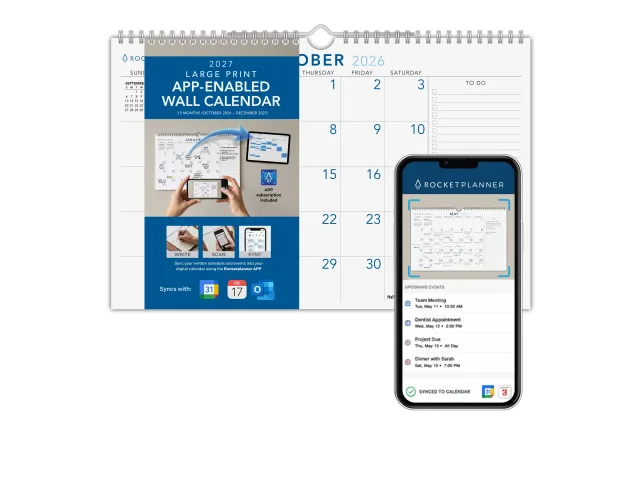

What "No Deal" Success Stories Teach Founders
Leaving the Tank without a deal is not the end of the story. In our database, no-deal businesses…

What Happens After Shark Tank: Due Diligence, Deals That Fall Through and the Shark Tank Effect
An on-air handshake is the start of a process, not the end. This guide explains due diligence…


Which Shark Should You Pitch? Each Shark's Investing Style
Each Shark brings a different background, investing style and set of favorite categories.



A Shark-Tank-Style Elevator Pitch Template (Fill in the Blank)
A practical, fill-in-the-blank template for a Shark Tank-style pitch, with 30-second, one-minute…

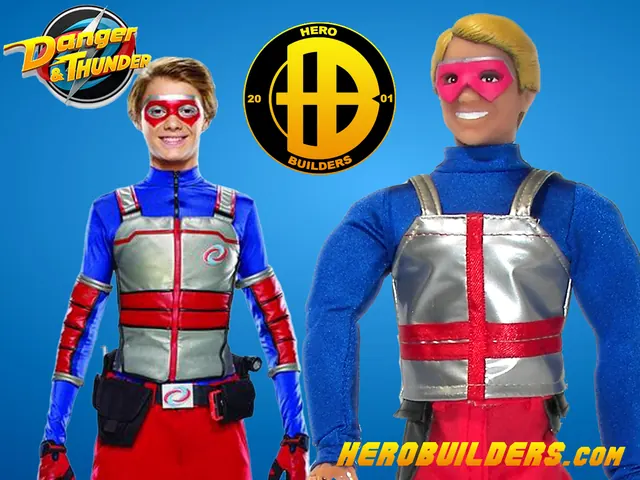

How to Start a Personalized Gifts Business: Lessons From 12 Shark Tank Pitches
Custom songs, keepsake trunks, look-alike figures and letters from Santa have all won Shark Tank…

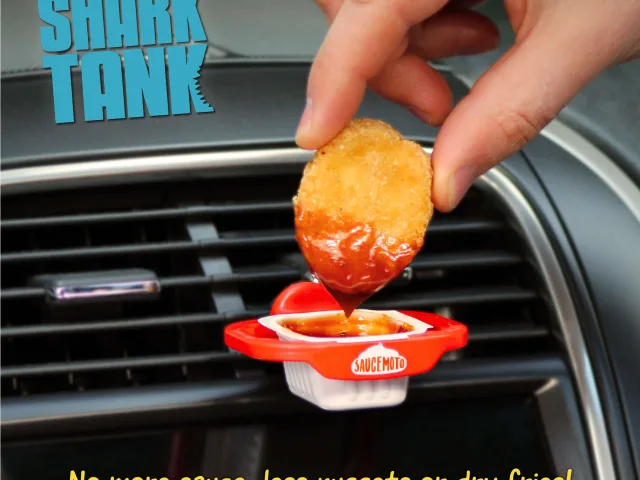

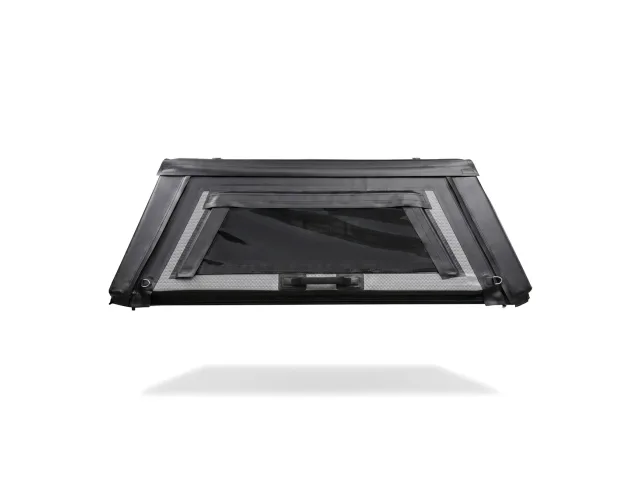
How to Start a Car Accessories Business: Lessons From 12 Shark Tank Pitches
Drivers spend hours a week in their cars and will pay for anything that makes them cleaner…


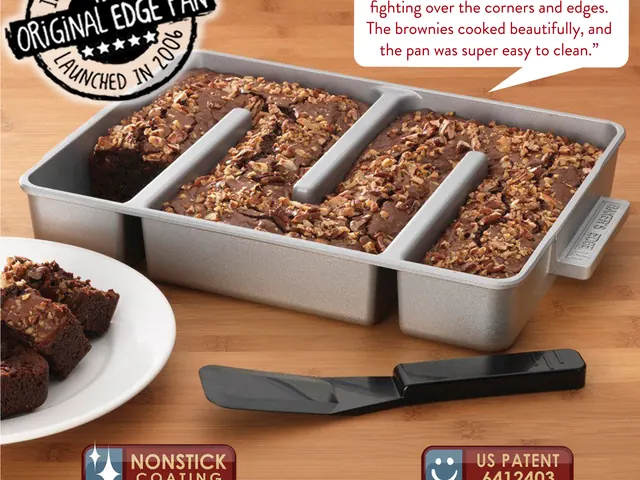
How to Invent and Sell a Kitchen Gadget: Lessons From 11 Shark Tank Pitches
Kitchen gadgets are a favorite on Shark Tank because a great one solves a frustration every home…