At a glance
- 💰 Startup cost
- $15K-$75K
- 📈 Difficulty
- Hard
- ⏱️ Time to launch
- 6-12 months
- 📊 Typical margins
- High (55-70% gross DTC, typical estimate)
- 🎯 Best for
- Athletes, trainers and designers who know a specific sport or body type intimately
Real Shark Tank pitches in this space
Swipe → Deal
Duzter Hockey
Season 16 · Mark Cuban
No deal
Kalyx Sport Bras
Season 1
 No deal
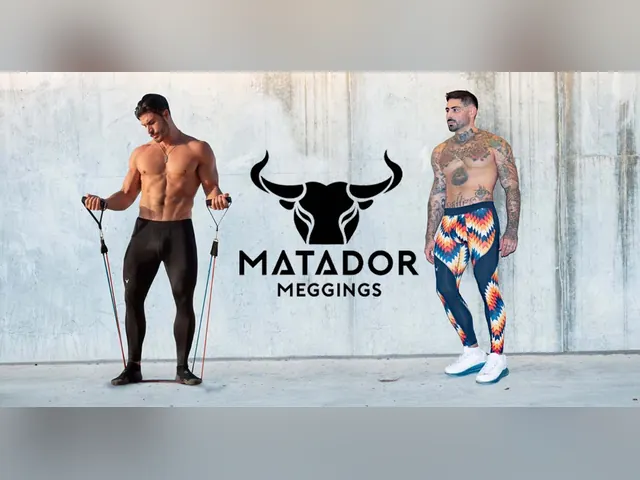
Matador
Season 15
 No deal
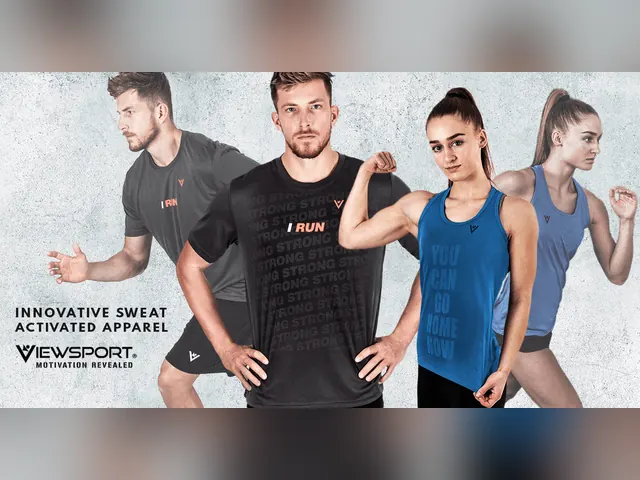
ViewSport
Season 3
No deal
Nice Pipes
Season 8
No deal
Fitness Stride
Season 2
Why an activewear brand works now
Activewear is no longer only for the gym. Leggings, joggers, sports bras and performance tops are everyday wear for millions of people, which makes the category enormous. But that size also means fierce competition from global sportswear giants and well-funded direct-to-consumer brands.
The opening for new founders lies in specificity. Large brands design for the middle of the market. Athletes in niche sports, people with bodies that standard sizing does not fit, and customers with specific performance needs often feel ignored. A brand that solves their problem precisely can build a loyal community and charge premium prices.
What Shark Tank pitches teach us
- Shefit (Season 7), high-impact sports bras with adjustable straps and closures, got a deal with Daymond John. Lesson: a functional fix to a widely shared fit problem is a strong foundation.
- Titin (Season 6), weighted compression apparel with gel-filled pods, got a deal with Daymond John and is listed as active. Booty Queen Apparel (Season 8), women's fitness clothing designed to flatter, also got a deal with Daymond John.
- Alchemize Fightwear (Season 17), combat sports apparel designed for women, got a deal with Lori Greiner, guest Shark Alexis Ohanian and guest Shark Kendra Scott. Lesson: an underserved athlete in a growing sport is an attractive niche.
- Duzter Hockey (Season 16), protective base layers for hockey players, got a deal with Mark Cuban and is listed as active. Lesson: sport-specific safety features justify premium pricing.
- Kalyx (sports bras), Matador (leggings designed for men), ViewSport (performance shirts), Nice Pipes (arm and leg warmers) and Fitness Stride left without deals. Kalyx, Matador and ViewSport are listed as active.
The pattern: deals went to brands with a clear technical feature or a defined athlete. General "fashion fitness" lines had a harder time with the Sharks.
Startup costs breakdown
Typical estimates for a first capsule of four to eight styles:
| Item | Lean start | Funded start |
|---|---|---|
| Design, tech packs and patterns | $2,000-$6,000 | $8,000-$20,000 |
| Fabric sourcing and sampling | $2,000-$6,000 | $6,000-$15,000 |
| Fit testing and wear trials | $500-$2,000 | $3,000-$8,000 |
| First production run | $6,000-$20,000 | $25,000-$60,000 |
| Labels, packaging and branding | $1,000-$3,000 | $4,000-$10,000 |
| Website, photo and video | $2,000-$6,000 | $8,000-$20,000 |
| Launch marketing and athlete seeding | $2,000-$8,000 | $10,000-$30,000 |
Step-by-step: how to start
- Choose a customer and a problem. High-impact support, sport-specific protection, modest coverage, adaptive designs, tall or petite sizing, or men's leggings. Write down the exact frustration.
- Learn technical fabrics. Moisture-wicking, compression, squat-proof opacity, four-way stretch, anti-odor treatments and durability all matter. Ask mills for test results.
- Hire a technical designer. Activewear construction (flatlock seams, gussets, bonded edges) is specialized work.
- Wear-test in the real sport. Put samples on athletes for real training sessions, not just photo shoots. Wash them dozens of times.
- Source a specialist factory. Compare minimums, lead times and experience with performance fabrics.
- Meet labeling rules. Textile labels generally need fiber content, country of origin and care instructions. Performance claims such as UV protection or antimicrobial treatment need support, and some treatments face specific regulations. Check requirements before marketing them.
- Launch a small capsule. A hero product plus a few complementary pieces is enough to start.
- Build community. Run clubs, gyms, studios, teams and leagues are natural partners for an activewear brand.
Building a community-led brand
Activewear brands that last are usually part of a community, not just a closet. Several approaches work well for small brands:
- Ambassadors from the sport: coaches, instructors and amateur athletes who wear the gear daily are more credible than paid celebrities.
- Events and meetups: sponsored runs, classes or tournaments put the product on real bodies in real conditions.
- Team and club orders: custom kits for gyms, teams and studios create bulk sales and visibility.
- Feedback loops: invite your most loyal customers to test new styles before launch.
Every one of these builds word of mouth, which keeps your cost to acquire new customers under control.
How to make money
Many activewear brands target retail prices around four to five times landed cost. A pair of leggings costing $15 to make might retail for $65-$85, as a rough estimate.
- Direct to consumer: best margins and direct customer relationships.
- Studios, gyms and pro shops: wholesale at about half of retail, with strong credibility.
- Team and custom orders: high-volume orders with predictable timing.
- Marketplaces: reach, with heavy competition from low-cost alternatives.
Core colors that never go out of stock reduce markdowns, while limited seasonal colors create urgency. Watch your return rate closely, because fit-related returns are common in activewear and each one costs you shipping, handling and sometimes the item itself. Detailed size charts, fit videos and honest notes about compression level and length help customers choose correctly the first time. Bundles, such as a top and bottom set or a three-pack of training shirts, raise average order value and make free shipping thresholds easier to hit.
Your first 90 days
- Weeks 1-4: survey and interview your target athletes. Ask what they wear now, what fails, what they pay and where they shop. Buy competitors' best sellers and wear-test them yourself.
- Weeks 5-8: develop tech packs for one hero product, request fabric swatches with test data, and order first samples from two factories so you can compare quality.
- Weeks 9-12: run wear trials with ten to twenty athletes, refine fit, and open pre-orders to your waitlist. Use pre-order sizes to plan your production run.
Measure everything in this period: which sizes sell, which colors people ask for, and what feedback repeats. That data is worth more than any trend report.
Questions the Sharks would ask you
- What makes your product perform better than what is already available?
- What is your landed cost and retail price?
- How much do you spend to win a customer, and how often do they buy again?
- What is your return rate, and why do customers return items?
- How will you compete with the biggest sportswear brands?
Red flags that sink pitches in this category
- "Lifestyle" without performance: no reason to choose you over established brands.
- Fabric failures: see-through leggings, pilling or shrinkage destroy reviews.
- Too many styles too early: cash trapped in inventory.
- Unproven claims: calorie burn or performance claims without evidence.
- High customer acquisition costs: paid ads in a crowded category get expensive fast.
Pick an athlete, solve their problem better than anyone else, and let your community carry the brand forward.
Frequently asked questions
How much does it cost to start an activewear brand?
As a typical estimate, a small capsule collection can launch for $15,000-$35,000, covering design, samples, a modest production run and a website. Larger collections with paid marketing often require $50,000-$75,000.
Where do activewear brands manufacture clothing?
Most work with factories that specialize in performance fabrics and construction, either domestically or overseas. Compare minimums, lead times and experience with technical garments, and always wear-test samples.
Is an athleisure brand profitable?
It can be, thanks to strong markups and repeat purchases. Profitability depends on fabric quality, return rates, marketing costs and how well you manage inventory across sizes and colors.
How do I make my activewear brand stand out?
Focus on a specific athlete, sport or fit problem, prove your performance claims with testing, and build a community through ambassadors, events and team partnerships.
Every pitch, deal and Shark mentioned here is checked against our database of 1,533 Shark Tank pitches. Cost ranges are typical estimates, not quotes. This is general education, not financial, legal or investment advice. Editorial policy · Suggest a correction
More business ideas
See all →
How to Start a Sports Training Products Business: Lessons From 12 Shark Tank Pitches
Parents, coaches and athletes spend heavily on anything that builds skills faster.

How to Start a Travel Products Business: Lessons From 12 Shark Tank Pitches
Travelers will pay to make airports, packing and long trips less painful.

How to Start a Golf Products Business: Lessons From 11 Shark Tank Pitches
Golfers spend freely on gear, apparel and anything that might lower their score or make a round…

How to Start an Outdoor & Camping Gear Business: Lessons From 12 Shark Tank Pitches
Campers, hikers and road-trippers spend generously on gear that is lighter, smarter and easier to…
How to Start a Fitness Equipment Business: Lessons From 12 Shark Tank Pitches
Home workouts have created lasting demand for compact, clever equipment.


How to Start a Personalized Gifts Business: Lessons From 12 Shark Tank Pitches
Custom songs, keepsake trunks, look-alike figures and letters from Santa have all won Shark Tank…
What "No Deal" Success Stories Teach Founders
Leaving the Tank without a deal is not the end of the story. In our database, no-deal businesses…

What Happens After Shark Tank: Due Diligence, Deals That Fall Through and the Shark Tank Effect
An on-air handshake is the start of a process, not the end. This guide explains due diligence…
How Valuation Works on Shark Tank (With Examples)
Every Shark Tank ask contains a valuation: divide the dollars by the equity percentage.