At a glance
- 💰 Startup cost
- $5K-$60K
- 📈 Difficulty
- Moderate
- ⏱️ Time to launch
- 4-9 months
- 📊 Typical margins
- Medium-High (40-65% gross, typical estimate)
- 🎯 Best for
- Mission-driven founders who care about materials and can back up their environmental claims
Real Shark Tank pitches in this space
Swipe → Deal
Bambooee
Season 5 · Lori Greiner
 Deal
Stasher
Season 9 · Mark Cuban
Deal
Blueland
Season 11 · Kevin O'Leary
 Deal
Sheets Laundry Club
Season 13 · Daniel Lubetzky
 Deal
Better Life Cleaning Products
Season 5 · Lori Greiner
 Deal
Pooch Paper
Season 12 · Kevin O'Leary
 Deal
CowPots
Season 16 · Kevin O'Leary
 Deal
Loliware
Season 7 · Barbara Corcoran
 No deal
FinalStraw
Season 10
No deal
Susty Party
Season 5
 No deal
Happi Floss
Season 14
 No deal
Green Garmento
Season 4
Why an eco-friendly products business works now
Many households now look for ways to reduce single-use plastic, packaging waste and harsh chemicals at home. Reusable bags, refillable cleaners, compostable disposables and plastic-free personal care have moved from specialty stores into mainstream retail. These products often have built-in repeat purchases, such as refills, and a clear story that customers like to share.
The challenge is that shoppers rarely accept worse performance or a much higher price just because a product is greener. Large brands have also launched their own sustainable lines. Small eco brands win by making a product that works at least as well as the conventional version, pricing it sensibly and making environmental claims they can prove.
What Shark Tank pitches teach us
Sustainable products have done well on Shark Tank, especially when they replace a familiar disposable item with something reusable or plastic-free.
- Bambooee (Season 5), reusable paper towels made from bamboo fiber, got a deal with Lori Greiner and is listed as active. Lesson: replacing a product people buy every week creates an easy savings and waste story.
- Stasher (Season 9), reusable silicone food storage bags, got a deal with Mark Cuban and is listed as acquired in our database. Lesson: a well-designed reusable version of a disposable staple can become a brand larger companies want to own.
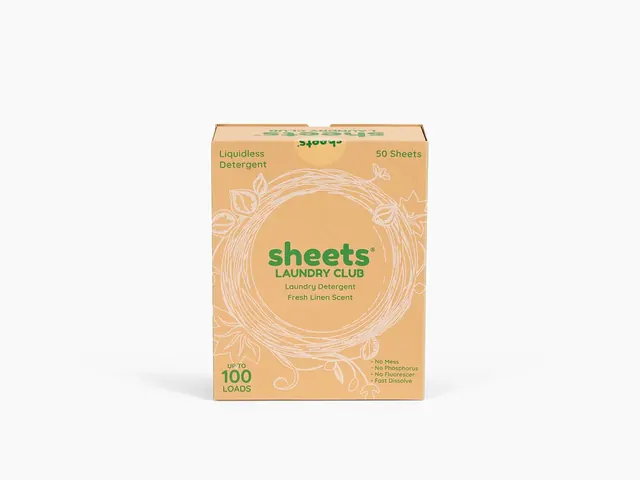
- Blueland (Season 11), cleaning tablets dissolved in water in reusable bottles, got a deal with Kevin O'Leary. Sheets Laundry Club (Season 13), plastic-free laundry detergent sheets, got a deal with guest Shark Daniel Lubetzky. Both cut packaging and shipping weight while creating refill sales.
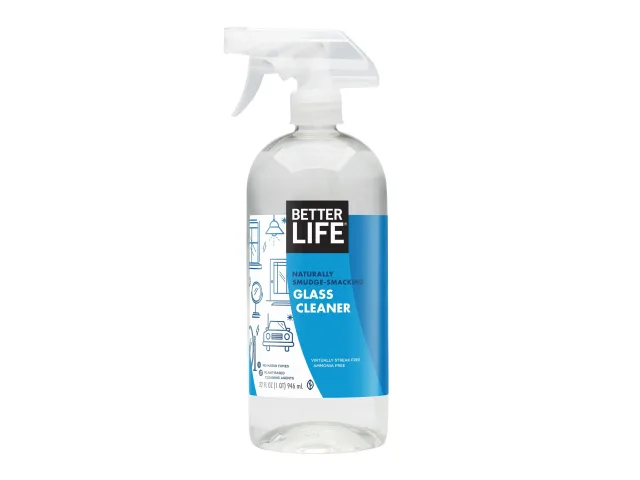
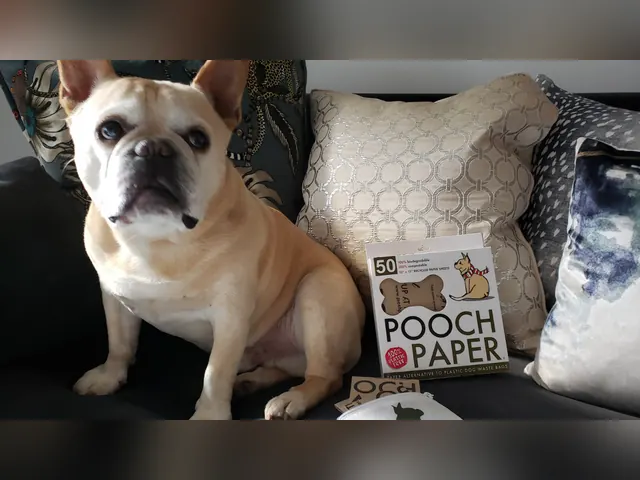
- Better Life (Season 5), plant-derived household cleaners, got a deal with Lori Greiner. Pooch Paper (Season 12), compostable sheets for picking up dog waste, and CowPots (Season 16), plantable seed pots made from composted cow manure, both got deals with Kevin O'Leary and are listed as active.
- Loliware (Season 7), edible and biodegradable seaweed-based cups and straws, got a deal with Barbara Corcoran and Mark Cuban.
- Others left without deals. FinalStraw (a collapsible reusable straw) walked away empty-handed. Susty Party (compostable party supplies), Happi Floss (compostable flossers) and The Green Garmento (a reusable dry cleaning bag) also left without deals but are listed as active.
The pattern: the Sharks like eco products with repeat purchases and strong margins. Mission alone does not close a deal, and a no-deal outcome is not a verdict on whether customers want the product.
Startup costs breakdown
Typical estimates for a small sustainable consumer products brand:
| Item | Lean start | Funded start |
|---|---|---|
| Product development and samples | $500-$3,000 | $5,000-$15,000 |
| Materials and performance testing | $500-$2,000 | $3,000-$10,000 |
| Compostability or other third-party certification | $0-$3,000 | $5,000-$15,000 |
| First production run | $2,000-$10,000 | $15,000-$40,000 |
| Sustainable packaging and branding | $500-$3,000 | $4,000-$10,000 |
| Trademark and legal review of claims | $500-$2,000 | $3,000-$8,000 |
| Website, photography and launch ads | $1,000-$3,000 | $5,000-$15,000 |
Simple reusable goods start at the low end. Cleaning formulas, novel materials and certified compostable products cost more to develop and test.
Making green claims you can back up
In the US, the FTC's Green Guides explain how the agency views environmental marketing claims under its rules against deceptive advertising. In general terms:
- Avoid broad claims: terms like "eco-friendly" or "green" on their own are hard to substantiate. Say specifically what is better, such as "bottle made from 100% recycled plastic."
- Be careful with "compostable" and "biodegradable": say whether a product is compostable at home or only in industrial facilities, and only claim biodegradable if it breaks down within a reasonable time in normal disposal.
- Recyclable claims: qualify them if recycling facilities are not widely available to your customers.
- Certifications and seals: use them only when earned and explain what they mean.
Some states have their own rules on terms like recyclable and compostable, and the FTC has been reviewing the Guides, so check current requirements before printing packaging.
Step-by-step: how to start
- Pick a high-waste habit. Paper towels, plastic bags, cleaning bottles, party supplies and personal care are frequent purchases with clear alternatives.
- Make it work as well as the original. Test durability, cleaning power or shelf life against the product you are replacing.
- Verify your materials. Get supplier documentation and, where relevant, third-party testing or certification.
- Design the whole package. Plastic-free products in excessive packaging undercut your story.
- Write precise claims. Review labels and marketing against the Green Guides, ideally with an attorney.
- Build in refills. Subscriptions and refill packs raise lifetime value and reduce waste.
- Launch online and locally. Refill shops, natural grocers and zero-waste stores are receptive early partners.
- Measure and share impact honestly. Report what you can verify, like units of plastic avoided based on clear assumptions.
How to make money
The strongest eco brands pair a durable or reusable core product with something customers buy again and again. Typical models and channels include:
- Starter kits plus refills: a reusable bottle or container with ongoing refill purchases.
- Direct to consumer subscriptions: best margins and predictable revenue.
- Natural and specialty retail: wholesale at roughly half of retail.
- Mass retail: volume, but expect promotional costs and price pressure.
- Business customers: offices, hotels and event venues buying compostable or reusable supplies.
Sustainable materials often cost more. Price close enough to conventional products that customers do not feel penalized, and use concentrated or lightweight formats to save on shipping.
Questions the Sharks would ask you
- Does it work as well as the product it replaces, and how do you know?
- What does it cost to make, and what do you sell it for?
- How many customers buy refills, and how often?
- Can you prove your environmental claims?
- What stops a large brand from launching the same thing?
- How will you lower costs as volume grows?
Red flags that sink pitches in this category
- Greenwashing: vague or unproven environmental claims.
- Performance gaps: products that do not work as well as conventional ones.
- Premium prices with no repeat purchases: one-time buys with a high price tag.
- Low margins: expensive sustainable inputs without pricing power.
- Single-item brands: one reusable product and no clear line extension.
- Mission over math: a strong cause without clear unit economics.
Build a product that performs, make claims you can prove, and give customers a reason to come back for refills.
Frequently asked questions
How much does it cost to start an eco-friendly products business?
As a typical estimate, a simple reusable product brand can start for $5,000-$15,000. Cleaning formulas, novel materials or certified compostable products commonly require $30,000-$60,000 for development, testing, certification and first inventory.
What are the FTC Green Guides?
The Green Guides are FTC guidance on how environmental marketing claims, such as recyclable, compostable, biodegradable or made with recycled content, can be made without misleading consumers. They encourage specific, qualified claims backed by evidence. Some states also have their own rules on these terms.
Can I call my product biodegradable or compostable?
Only if you can support the claim. In general, compostable claims should say whether home composting works or an industrial facility is required, and biodegradable claims should be supported by evidence that the product breaks down within a reasonable time in normal disposal. Third-party testing and legal review are wise.
Are sustainable products profitable?
They can be, especially with refill or subscription models. Sustainable materials and packaging often cost more, so many brands focus on concentrated formats, lightweight shipping and direct sales to keep gross margins healthy.
Every pitch, deal and Shark mentioned here is checked against our database of 1,533 Shark Tank pitches. Cost ranges are typical estimates, not quotes. This is general education, not financial, legal or investment advice. Editorial policy · Suggest a correction
More business ideas
See all →

How to Start a Furniture Business: Lessons From 9 Shark Tank Pitches
Direct-to-consumer furniture lets a small brand reach shoppers without a showroom, but freight…

How to Start a Bedding and Sleep Products Business: Lessons From 11 Shark Tank Pitches
Better sleep is something nearly everyone wants, which makes bedding and sleep products a large…

How to Start a Home Organization Product Business: Lessons From 10 Shark Tank Pitches
Clutter is a universal problem, and smart storage products can turn it into a business.
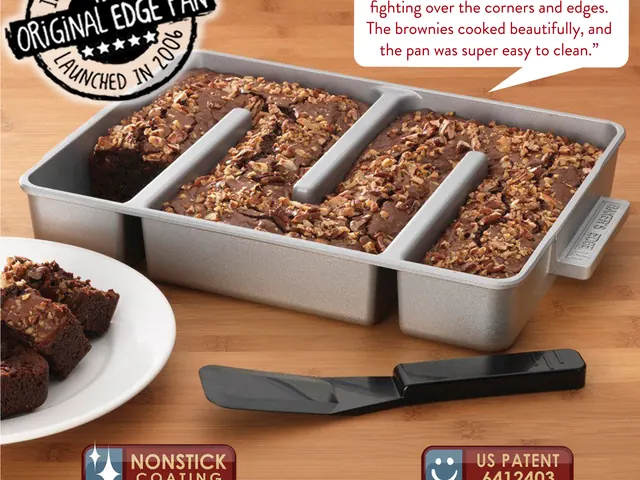
How to Invent and Sell a Kitchen Gadget: Lessons From 11 Shark Tank Pitches
Kitchen gadgets are a favorite on Shark Tank because a great one solves a frustration every home…


How to Start a Candle and Home Fragrance Business: Lessons From 7 Shark Tank Pitches
Candles are one of the most popular home-based businesses because they are affordable to make and…
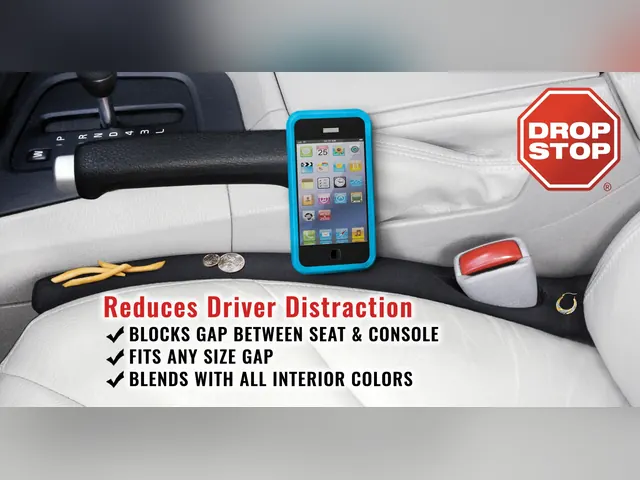

How to Start a Car Accessories Business: Lessons From 12 Shark Tank Pitches
Drivers spend hours a week in their cars and will pay for anything that makes them cleaner…


What Happens After Shark Tank: Due Diligence, Deals That Fall Through and the Shark Tank Effect
An on-air handshake is the start of a process, not the end. This guide explains due diligence…

Which Shark Should You Pitch? Each Shark's Investing Style
Each Shark brings a different background, investing style and set of favorite categories.


How to Get on Shark Tank: The Application and Casting Process
Shark Tank casts entrepreneurs through an online application on ABC's site and in-person open…