At a glance
- 💰 Startup cost
- $5K-$50K
- 📈 Difficulty
- Moderate
- ⏱️ Time to launch
- 3-8 months
- 📊 Typical margins
- High (50-70% gross, typical estimate)
- 🎯 Best for
- Pet owners with a design eye who can spot everyday frustrations and solve them
Real Shark Tank pitches in this space
Swipe →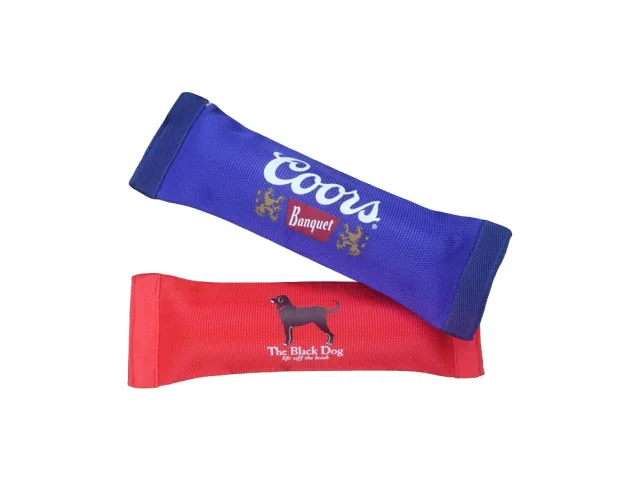 Deal
Pride Bites
Season 7 · Lori Greiner
Deal
Sili Dogs
Season 8 · Lori Greiner
 Deal
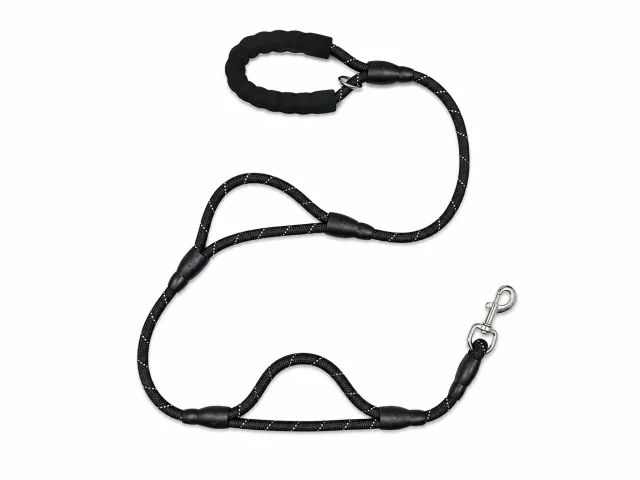
Springer
Season 13 · Lori Greiner
 Deal
Shed Defender
Season 10 · Lori Greiner
 Deal
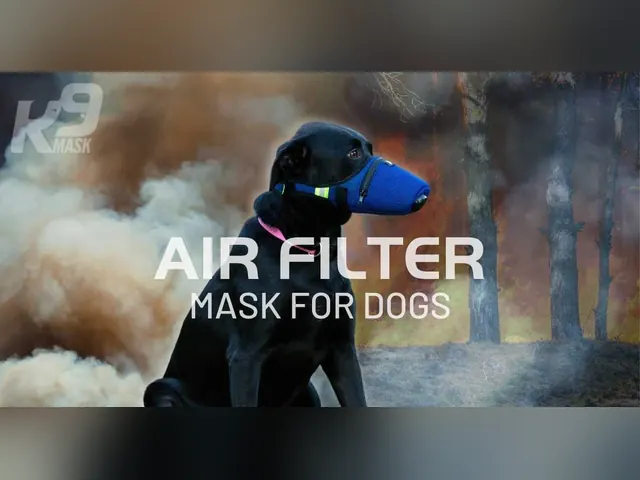
K9Mask
Season 12 · Daymond John
 Deal
Kitty Kasas
Season 10 · Lori Greiner
 Deal
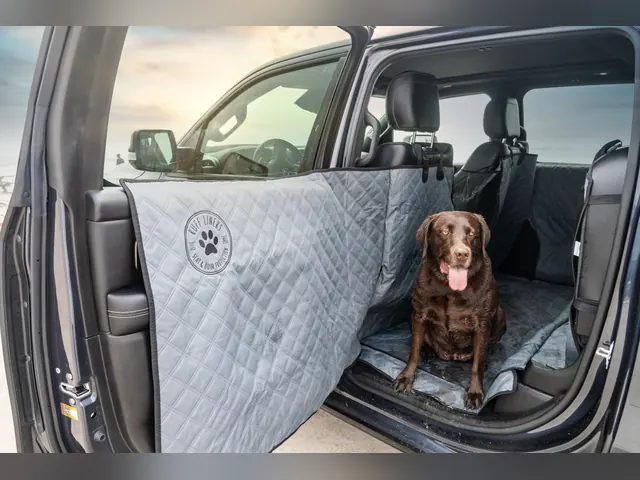
RUFF Liners
Season 16 · Robert Herjavec
Deal
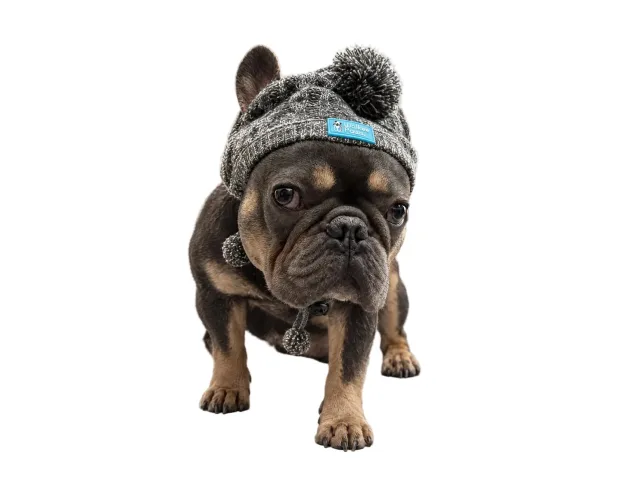
Dog Threads
Season 11 · Mark Cuban
 No deal
Walkee Paws
Season 12
 No deal
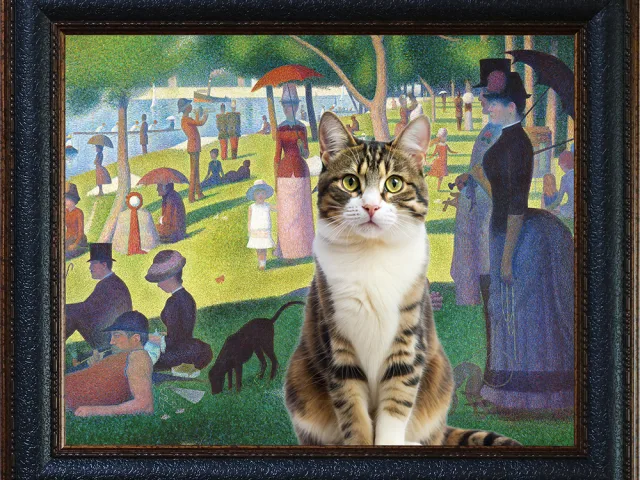
Frame Your Feline
Season 16
 No deal
Pawnix
Season 13
Why a pet accessories business works now
Pet owners buy far more than food. They buy collars, leashes, beds, bowls, travel gear, clothing, furniture and gadgets, and they replace or upgrade these items regularly. Accessories are also highly giftable and very visual, which makes them a good fit for social media and online marketplaces. Unlike food, most accessories do not expire and face fewer regulatory hurdles, so you can carry inventory longer and test designs faster.
The best accessory businesses start with a specific, annoying problem: shedding all over the car, tags that jingle at night, no way to give a dog water on a hike, cat furniture that ruins the look of a room. If you can name the frustration in one sentence, you have the start of a pitch.
What Shark Tank pitches teach us
Pet accessories are one of the friendliest categories for Shark Tank deals, especially with Lori Greiner, who looks for products that demonstrate well on TV and in retail.
- Sili Dogs (Season 8) made silicone ID tags that lie flat and stay quiet, and got a deal with Lori Greiner. Lesson: a small, cheap fix to a universal annoyance can be a strong retail product.
- Springer (Season 13) made a dog water bottle with a flip-out bowl and also got a deal with Lori. Shed Defender (Season 10), a full-body dog onesie that contains shedding, and Kitty Kasas (Season 10), modular stackable cat houses, both landed deals with Lori too.
- Pride Bites (Season 7) sold personalized collars, leashes and toys and got a deal with Lori Greiner and Robert Herjavec. Lesson: personalization adds perceived value and margin.
- Kane & Couture (Season 5) designer dog clothing got a deal with Lori Greiner and Daymond John, and Dog Threads (Season 11), matching shirts for dogs and owners, got a deal with Mark Cuban. Fashion works when the brand has a clear look.
- K9Mask (Season 12), an air-filter face mask for dogs, got a deal with Daymond John, and RUFF Liners (Season 16), car seat covers for dog owners, got a deal with Robert Herjavec. Both are listed as active.
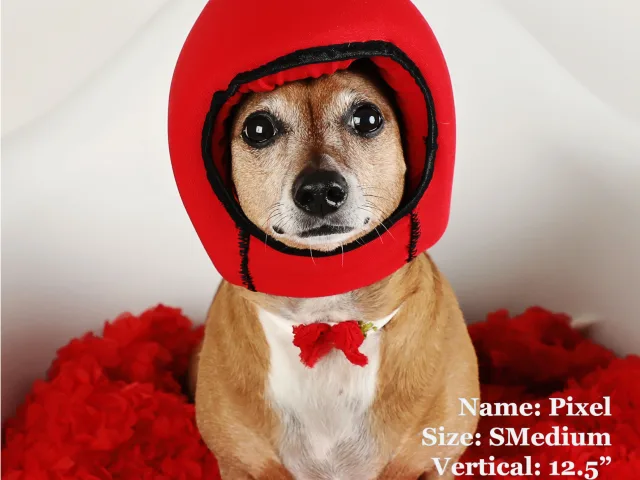
- Walkee Paws (dog leggings with built-in booties), Pawnix (noise-cancelling dog headsets) and Frame Your Feline (wall-mounted cat furniture styled as art) left without deals. Frame Your Feline is listed as active.
The lesson: the Sharks back accessories that solve a visible problem, demonstrate in seconds and can sell at a price well above landed cost.
Startup costs breakdown
Typical estimates for a small accessory brand that designs its own products and outsources manufacturing:
| Item | Lean start | Funded start |
|---|---|---|
| Product design and prototypes | $500-$3,000 | $5,000-$15,000 |
| Molds or tooling (for silicone or plastic items) | $0-$3,000 | $5,000-$20,000 |
| First production run | $2,000-$8,000 | $10,000-$30,000 |
| Safety and materials testing | $300-$1,500 | $1,500-$5,000 |
| Packaging and branding | $500-$2,000 | $3,000-$8,000 |
| Trademark and provisional patent | $300-$2,000 | $3,000-$10,000 |
| Website, photography, launch ads | $1,000-$3,000 | $5,000-$15,000 |
Sewn or printed products (bandanas, apparel, personalized collars) often start at the low end; molded or electronic products sit at the high end.
Product ideas worth exploring
If you do not have a product yet, these problem areas come up again and again in owner reviews and online forums:
- Travel and car: spill-proof bowls, seat protection, crash-tested restraints and compact carriers.
- Small-space living: wall-mounted or foldable cat furniture, stackable crates and furniture that blends with home decor.
- Cleanup: shedding control, paw cleaning at the door and odor-proof storage for food and waste.
- Senior and special-needs pets: ramps, mobility harnesses, orthopedic beds and non-slip socks.
- Personalization: engraved tags, embroidered collars and custom portraits, which justify higher prices.
Pick an area where you personally understand the frustration. Your own experience will make the product better and the story more believable.
Step-by-step: how to start
- Find the frustration. Read reviews of best-selling pet products and look for repeated complaints. Talk to groomers, trainers and shelter staff.
- Prototype fast. Use 3D printing, a local seamstress or modified existing products to test function with real pets.
- Test for safety. Pets chew. Choose non-toxic materials, avoid small detachable parts and test durability. If you sell anything that could also be used by children, check consumer product safety rules.
- Source a manufacturer. Get quotes from several factories, order pre-production samples and agree on quality standards in writing.
- Protect your brand. File a trademark for your name. Consider a provisional patent if your design is truly new, but do not count on patents alone to stop copycats.
- Launch on one channel. Start with your own site, Etsy or Amazon, collect reviews and refine the product.
- Pitch local retail. Independent pet stores are often open to new brands and give useful feedback on price and packaging.
- Expand the line carefully. Add sizes, colors and complementary items only after the hero product sells consistently.
How to make money
Accessories usually carry stronger margins than consumables. Many brands aim to sell at three to five times landed cost, so a collar that costs $4 to make and ship in might retail at $16-$24. Typical channels:
- Direct to consumer: best margins and customer data, ideal for personalized products.
- Amazon: strong for search-driven items like travel bottles and seat covers, though fees and copycats are real risks.
- Pet specialty retail: wholesale at roughly 50% of retail. Chains expect reliable supply and marketing support.
- Groomers, vets and trainers: trusted recommenders who can resell or refer.
Bundles (leash plus collar plus tag) and seasonal designs raise order value without new tooling.
Questions the Sharks would ask you
- What is your landed cost, wholesale price and retail price?
- What stops a large brand from copying this next season?
- How many units have you sold, and through which channels?
- What is your return rate, and why do people return it?
- Does it fit every breed and size, or only some?
- What is the next product after this one?
Red flags that sink pitches in this category
- A solution looking for a problem: clever gadgets owners do not actually need.
- Sizing headaches: pet bodies vary widely, which drives returns for apparel and wearables.
- Easy to copy: no brand, patent or community to defend against knockoffs.
- Weak margins after shipping: bulky items like beds and furniture can eat profits in freight.
- Safety concerns: anything that could choke, strangle or overheat a pet will scare investors and retailers.
Solve a real annoyance, price for healthy margins and build a brand pet owners recognize, and you will have a business with room to grow.
Frequently asked questions
How much does it cost to start a pet accessories business?
As a typical estimate, a small brand selling sewn or printed accessories can launch for $5,000-$15,000. Products that need custom molds, electronics or larger first orders often require $25,000-$50,000.
What pet accessories sell best?
Products that solve everyday problems tend to sell steadily: travel water bottles, car seat covers, quiet ID tags, personalized collars, shedding solutions and space-saving cat furniture. Seasonal and giftable designs also perform well online.
Where can I manufacture pet products?
Small brands often start with local makers for sewn goods and move to domestic or overseas factories for larger runs. Always order samples, test with real pets and put quality standards in writing.
Is selling pet accessories on Amazon profitable?
It can be, but marketplace fees, advertising and competition from copycats reduce margins. Many brands use Amazon for reach while building their own website for higher-margin repeat sales.
Every pitch, deal and Shark mentioned here is checked against our database of 1,533 Shark Tank pitches. Cost ranges are typical estimates, not quotes. This is general education, not financial, legal or investment advice. Editorial policy · Suggest a correction
More business ideas
See all →

How to Start a Pet Treat Business: Lessons From 12 Shark Tank Pitches
Dog owners will pay up for treats they trust, but pet food is a regulated, crowded shelf.

How to Start a Pet Services Business: Lessons From 8 Shark Tank Pitches
Grooming, daycare, training and specialty pet services turn love of animals into recurring local…
How to Start a Snack Brand: Lessons From 10 Shark Tank Pitches
Snacks are one of the most crowded aisles in the grocery store and one of the most frequently…
How to Start a Baby Products Business: Lessons From 11 Shark Tank Pitches
Baby products are one of the most frequently pitched categories on Shark Tank, and many have…

How to Start a Spirits, RTD or Cocktail Mixer Brand: Lessons From 11 Shark Tank Pitches
Cocktail culture keeps growing, from craft spirits to canned cocktails to non-alcoholic…


How to Start a Board Game Business: Lessons From 12 Shark Tank Pitches
Card games, party games and backyard games have won several Shark Tank deals.


How to Get on Shark Tank: The Application and Casting Process
Shark Tank casts entrepreneurs through an online application on ABC's site and in-person open…
How Valuation Works on Shark Tank (With Examples)
Every Shark Tank ask contains a valuation: divide the dollars by the equity percentage.


Bootstrapping Lessons From Shark Tank Founders
Many founders arrive at the Tank after building their businesses with their own savings and early…