At a glance
- 💰 Startup cost
- $15K-$150K
- 📈 Difficulty
- Moderate
- ⏱️ Time to launch
- 6-12 months
- 📊 Typical margins
- High (50-70% gross DTC)
- 🎯 Best for
- Founders with textile, design or sleep-problem insight who can invest in quality materials and testing
Real Shark Tank pitches in this space
Swipe → Deal
CordaRoy's Bean Bag Beds
Season 4 · Lori Greiner
 Deal
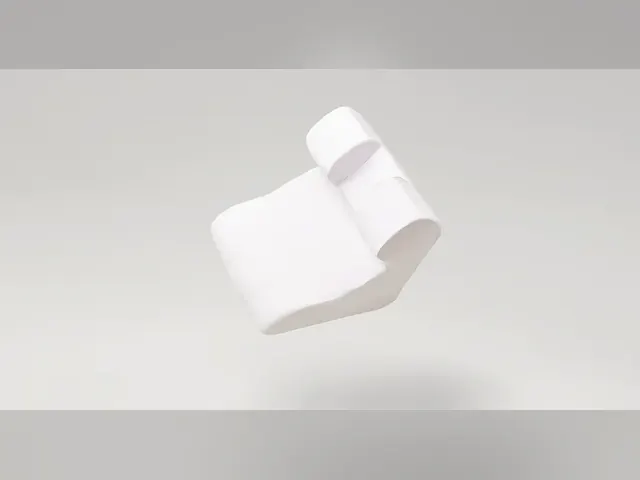
Hug Sleep
Season 12 · Mark Cuban
 Deal
The Snorinator
Season 17 · Lori Greiner
 Deal
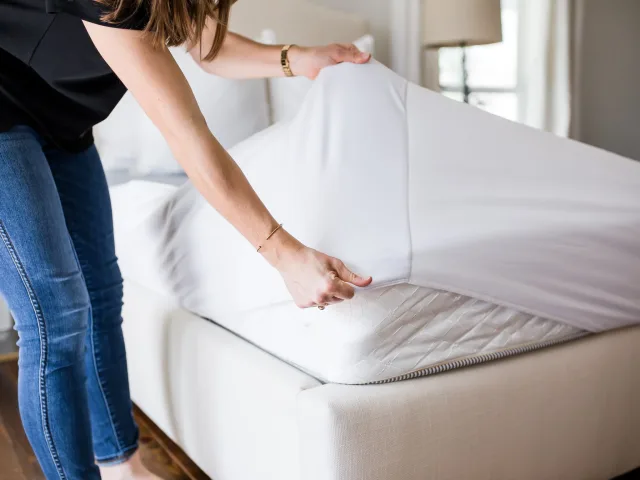
Better Bedder
Season 12 · Lori Greiner
 No deal
Zipit Bedding
Season 5
 No deal
BedJet
Season 6
 No deal
Pluto Pillow
Season 12
 No deal
Beddley
Season 11
 No deal
Jax Sheets
Season 12
 Deal
SOMNIA+
Season 17 · Barbara Corcoran
 Deal
The Comfy
Season 9 · Barbara Corcoran
Why a sleep products business works now
Sleep has become a wellness priority. People track sleep with apps and wearables, invest in better mattresses and pillows, and look for solutions to specific problems like overheating, snoring, partner disturbances and messy beds. Direct-to-consumer brands have shown that bedding can be sold online with trial periods and strong storytelling.
It is a competitive space with established names and many online brands. New entrants do best when they target a specific sleeper or problem rather than competing head-on with generic luxury sheets.
What Shark Tank pitches teach us
Sleep and bedding products in our database show the power of solving one problem clearly:
- CordaRoy's Bean Bag Beds (Season 4) makes bean bag chairs that unfold into full beds and got a deal with Lori Greiner; it is listed as active. Combining two uses (lounging and guest bed) created a strong value story.
- Hug Sleep (Season 12), a wearable blanket designed to gently hug adults while sleeping, got a deal with Mark Cuban and Lori Greiner and is listed as active.
- The Snorinator (Season 17), a wedge pillow designed to reduce snoring, got a deal with Lori Greiner and guest Shark Michael Strahan. A clear problem that affects two people in the bed is a powerful motivator.
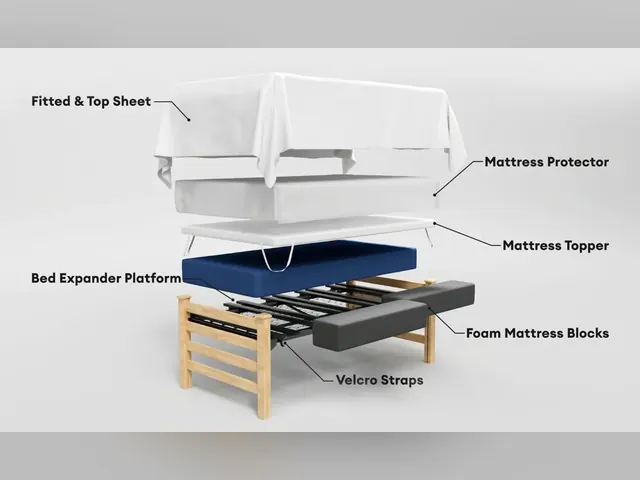
- Better Bedder (Season 12), a band that holds sheets in place, got a deal with Lori Greiner, and SOMNIA+ (Season 17), a tool-free kit that widens a dorm bed, got a deal with Barbara Corcoran.
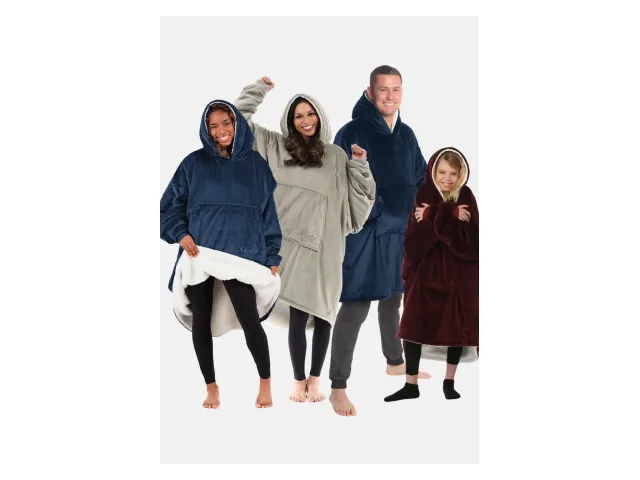
- The Comfy (Season 9), an oversized wearable blanket, got a deal with Barbara Corcoran.
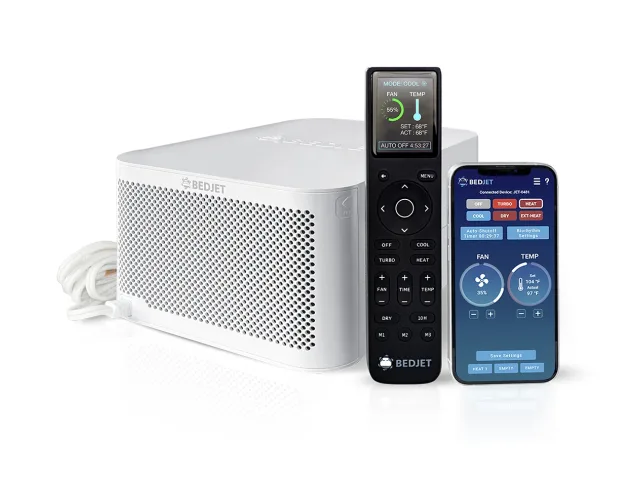
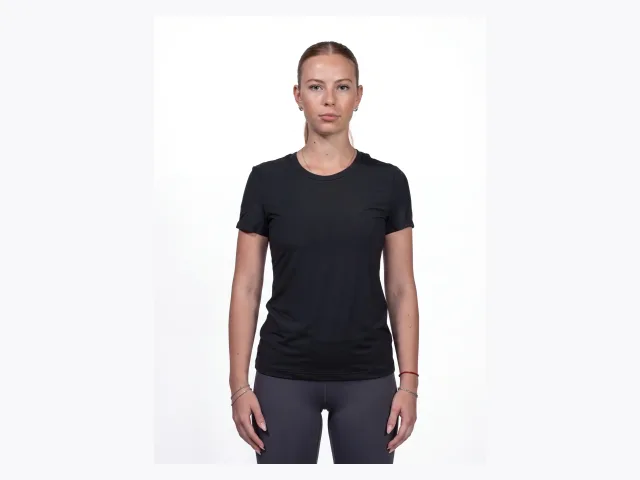
- Zipit Bedding (Season 5), zip-up bedding that helps kids make their beds, and BedJet (Season 6), a bed climate control system, did not get deals but are listed as active. Pluto Pillow (Season 12), Beddley (Season 11) and Jax Sheets (Season 12) also left without deals. Custom pillows, easy-make bedding and odor-resistant sheets are good ideas, but investors weigh margins, competition and proof of demand.
Startup costs breakdown
Typical estimates for a textile-based sleep product (blanket, wearable, pillow) made by a contract manufacturer.
| Item | Typical estimate |
|---|---|
| Design, patterns and samples | $2,000-$10,000 |
| Fabric and fill sourcing, swatches | $500-$3,000 |
| Flammability, safety and labeling testing | $1,000-$8,000 |
| First production run (minimums) | $8,000-$50,000 |
| Packaging (boxes, bags, inserts) | $1,500-$6,000 |
| Freight, warehousing and fulfillment | $2,000-$10,000 |
| Photography, website and launch ads | $3,000-$20,000 |
| Trademark and design protection | $500-$5,000 |
Step-by-step: how to launch a sleep product
- Choose a sleep problem. Hot sleepers, snoring, small beds, kids who do not make beds, couples with different preferences, travel or allergies.
- Research materials. Fabric choice drives comfort, durability, breathability and cost. Order many swatches and wash-test them.
- Prototype and sleep-test. Have people with the problem use samples for several weeks and report honestly.
- Understand safety and labeling rules. Many bedding products have flammability standards and labeling requirements, and products for babies face strict rules about safe sleep. Avoid medical claims (for example, about curing sleep disorders) unless you have the proper approvals.
- Select a manufacturer. Compare minimums, quality control, lead times and whether they can handle certifications you may want, such as textile safety certifications.
- Plan returns and trials. Trial periods reduce purchase anxiety but must be priced into your model.
- Launch online with reviews and content. Testimonials, video and comparison charts help customers buy without touching the product.
- Expand to retail and gifting. Wearable blankets, pillows and travel sleep products make strong gifts and retail items.
How to make money
As typical estimates, a wearable blanket or specialty pillow might cost $10 to $30 to produce and retail for $50 to $120; sheet sets might cost $15 to $35 and sell for $70 to $200. Direct-to-consumer gross margins of 55-70% are common, but advertising and returns can consume a large share.
Revenue opportunities include bundles (pillow plus case, sheet plus duvet), seasonal versions, dorm and kids' collections, hospitality and corporate gift sales, and retail partnerships. Replacement parts and accessories can add repeat purchases.
Choosing materials that live up to the promise
In sleep products, materials are the product. A cooling promise depends on breathable fabrics and fills; a weighted product depends on evenly distributed, well-contained weight; a pillow depends on foam density or fill that keeps its shape. Ask suppliers for specification sheets, test samples through repeated washing and drying, and compare how they feel after weeks of use, not just out of the box.
Consider which certifications matter to your customers. Some shoppers look for textile safety certifications, organic fibers or responsibly sourced materials, and these labels can justify a premium price. They also add cost and paperwork, so choose the ones that support your brand promise rather than collecting badges. Finally, think about sizing: offering too many sizes and colors at launch multiplies inventory. Many brands start with one or two best-selling sizes and a few colors, then expand based on what customers request.
Building trust when customers cannot touch the product
The biggest barrier for online bedding brands is that shoppers want to feel fabric and test comfort before buying. Brands overcome this with trial periods, swatch kits, detailed fabric descriptions, close-up photos and honest reviews. Explain care instructions clearly, and share how your product performs after many washes. Pop-up shops, local markets and partnerships with boutique hotels or vacation rentals can also give people a chance to experience the product in person.
Questions the Sharks would ask you
- What sleep problem do you solve, and how do you know it works?
- What are your return rates?
- What does it cost to acquire a customer online?
- What is your product cost, and how does it change with volume?
- Is it protected, or can a big bedding company copy it?
Red flags that sink pitches in this category
- Unproven health or medical claims. These create legal risk and credibility problems.
- High return rates. Comfort is personal, and returns can erase profits.
- Undifferentiated luxury bedding. "Softer sheets" is a crowded promise.
- Skipping safety testing. Flammability and infant safety rules are serious.
The bottom line
Sleep products succeed when they solve a specific, relatable problem and earn trust online. Focus on one type of sleeper, invest in materials and testing, plan for returns and trials, and let reviews and real results do the selling.
Frequently asked questions
How much does it cost to start a bedding company?
Typical estimates run from about $15,000 for a small run of a simple textile product like a blanket or pillowcase to $150,000 or more for products involving foam, mattresses, electronics or custom fabrics. Samples, minimum order quantities, safety testing, packaging and photography are the main costs.
What regulations apply to bedding and pillows?
Requirements vary by product and location. In the US, mattresses and some bedding are subject to federal flammability standards, many states have their own bedding labeling laws, and textile products have fiber content labeling rules. Products for infants face especially strict safety standards. Check with a testing lab or regulatory specialist before selling.
Is selling bedding online profitable?
Many direct-to-consumer bedding brands earn strong gross margins because textiles can be produced at relatively low cost and sold at premium prices. However, advertising costs, generous return policies and bulky shipping can reduce profits. Strong reviews and word of mouth make a big difference.
How do sleep brands stand out?
Successful brands usually solve a specific sleep problem, such as overheating, snoring, sheets that come loose or a cramped dorm bed, rather than simply offering luxury bedding. Clear benefits, trial periods and strong reviews help overcome the fact that customers cannot test products in person.
Every pitch, deal and Shark mentioned here is checked against our database of 1,533 Shark Tank pitches. Cost ranges are typical estimates, not quotes. This is general education, not financial, legal or investment advice. Editorial policy · Suggest a correction
More business ideas
See all →
How to Start a Car Accessories Business: Lessons From 12 Shark Tank Pitches
Drivers spend hours a week in their cars and will pay for anything that makes them cleaner…


How to Start a Candle and Home Fragrance Business: Lessons From 7 Shark Tank Pitches
Candles are one of the most popular home-based businesses because they are affordable to make and…

How to Invent and Sell a Cleaning Product: Lessons From 12 Shark Tank Pitches
Cleaning products are among the most successful inventions ever pitched on Shark Tank, because…
How to Start a Smart Home Gadget Business: Lessons From 12 Shark Tank Pitches
Smart home devices promise convenience, safety and savings, but hardware is hard.
How to Start a Furniture Business: Lessons From 9 Shark Tank Pitches
Direct-to-consumer furniture lets a small brand reach shoppers without a showroom, but freight…

How to Invent and Sell a Kitchen Gadget: Lessons From 11 Shark Tank Pitches
Kitchen gadgets are a favorite on Shark Tank because a great one solves a frustration every home…

Negotiation Lessons From the Tank
Shark Tank compresses a negotiation that normally takes weeks into minutes.
Common Shark Tank Pitch Mistakes That Kill Deals
About four in ten Shark Tank pitches in our database ended without a deal on air.

What Happens After Shark Tank: Due Diligence, Deals That Fall Through and the Shark Tank Effect
An on-air handshake is the start of a process, not the end. This guide explains due diligence…