At a glance
- 💰 Startup cost
- $5K-$75K
- 📈 Difficulty
- Moderate
- ⏱️ Time to launch
- 3-9 months
- 📊 Typical margins
- High (50-70% gross DTC, typical estimate)
- 🎯 Best for
- Product designers and marketers who can spot everyday tech frustrations and move fast
Real Shark Tank pitches in this space
Swipe → Deal
Phonesoap
Season 6 · Lori Greiner
 Deal
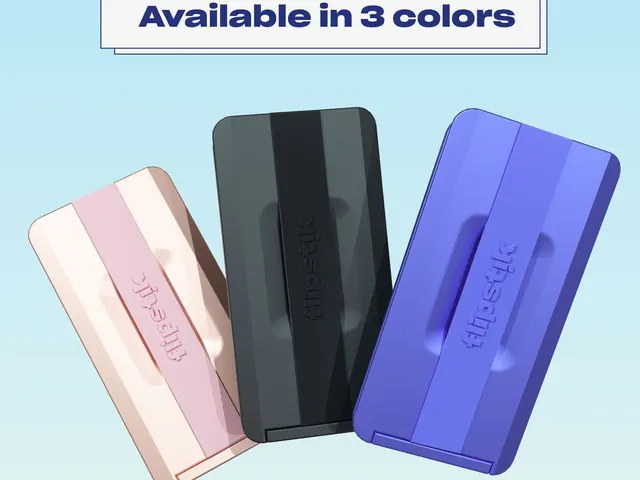
Flipstik
Season 12 · Lori Greiner
 Deal
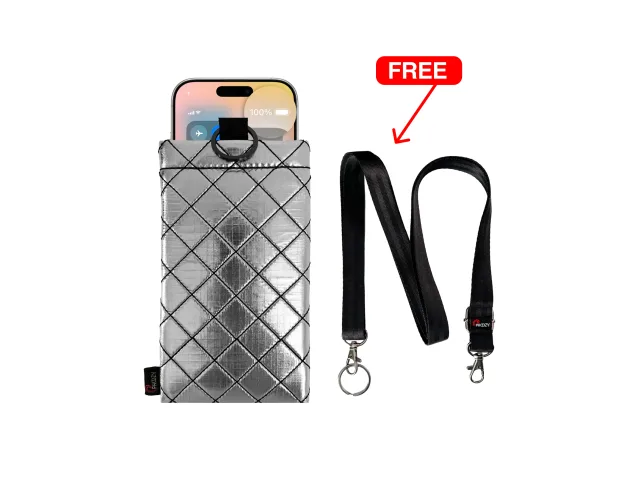
Phoozy
Season 12 · Lori Greiner
 Deal
Screen Skinz
Season 17 · Kevin O'Leary
 Deal
Flamin GO
Season 16 · Barbara Corcoran
 Deal
Permaplug
Season 16 · Lori Greiner
Deal
PurseCase
Season 5 · Daymond John
 Deal
Sound Bender
Season 4 · Daymond John
Deal
Tenikle
Season 13 · Daymond John
 Deal
Bloom
Season 17 · Daniel Lubetzky
 No deal
Cell Helmet
Season 4
No deal
popSLATE
Season 7
Why a phone and tech accessories business works now
Phones are the most-used objects in most people's lives, and they come with a constant stream of needs: protection, charging, mounting, cleaning, styling and managing screen time. New phone models launch every year, which creates recurring demand for cases and accessories. Content creators need tripods and mounts. Families need chargers that do not walk away. Many people want less time on their phones, which is itself a product opportunity.
Accessories are compact, light to ship and highly visual, so they suit online sales and short-form video. The challenge is competition: marketplaces are flooded with low-cost generic options. Winning brands combine a clever function, a recognizable design and quality that customers can feel.
What Shark Tank pitches teach us
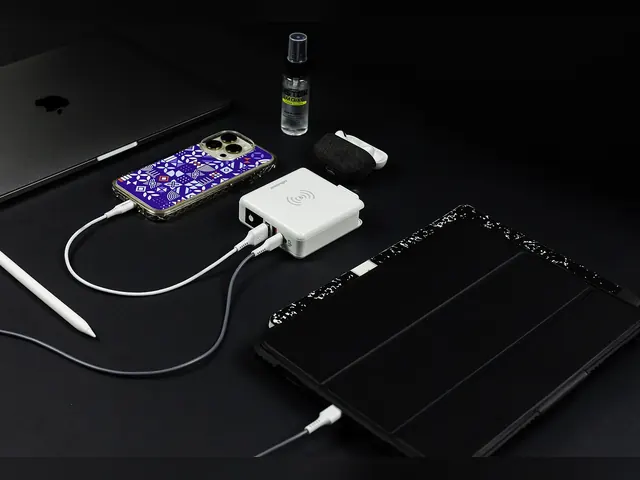
- PhoneSoap (Season 6), a UV-C box that sanitizes phones while charging them, got a deal with Lori Greiner and is listed as active. Lesson: tying an accessory to a broader concern (germs) can create a whole new category.
- Flipstik (Season 12), a suction pad that sticks phones to smooth surfaces, also got a deal with Lori and is listed as active. So did Permaplug (Season 16), which locks chargers into outlets. Lesson: tiny, inexpensive fixes to universal annoyances make strong retail products.
- Phoozy (Season 12), a thermal phone case for extreme conditions, got a deal with Lori Greiner and Robert Herjavec. Screen Skinz (Season 17), screen protectors with designs visible only when the screen is off, got a deal with Kevin O'Leary and guest Shark Alexis Ohanian.
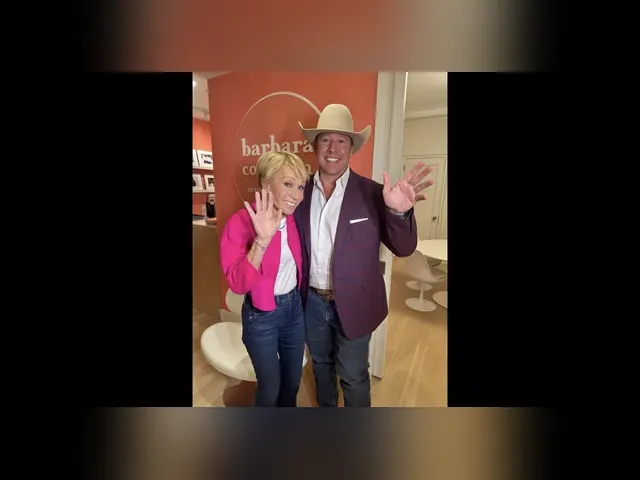
- Flamin GO (Season 16), playful flamingo-style power banks, got a deal with Barbara Corcoran. PurseCase (Season 5), a phone case combined with a purse, got a deal with Daymond John. Lesson: personality and style can differentiate commodity electronics.
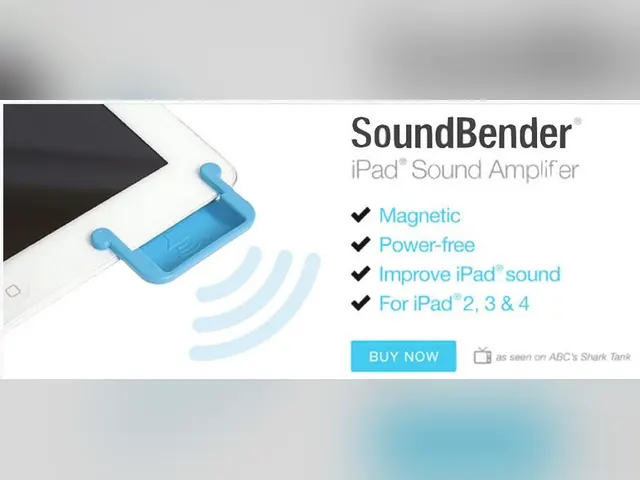
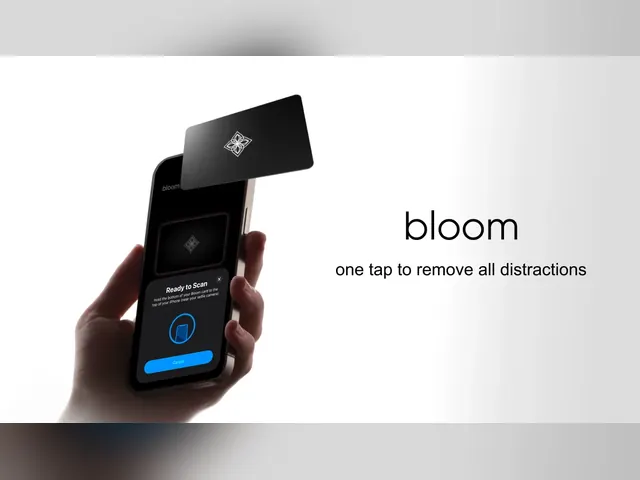
- Sound Bender (tablet speaker amplifier) and Tenikle (flexible suction tripod) got deals with Daymond John. Bloom (Season 17), a steel keycard that unlocks distracting apps, got a deal with Daniel Lubetzky.
- Cell Helmet, cases bundled with a repair warranty, and popSLATE, a case with an e-ink second screen, left without deals. Cell Helmet is listed as active.
Lori Greiner has backed many tech accessories, a sign that inexpensive, demonstrable gadgets with mass appeal fit TV shopping and big-box retail well.
Startup costs breakdown
Typical estimates. Products with batteries or electronics cost far more to develop and certify.
| Item | Non-electronic accessory | Electronic accessory |
|---|---|---|
| Design and prototypes | $1,000-$5,000 | $8,000-$25,000 |
| Molds and tooling | $2,000-$10,000 | $10,000-$30,000 |
| Testing and certification | $0-$2,000 | $5,000-$20,000 |
| First production run | $3,000-$15,000 | $15,000-$40,000 |
| Packaging and branding | $500-$3,000 | $2,000-$6,000 |
| Website, video and launch marketing | $2,000-$8,000 | $8,000-$25,000 |
Step-by-step: how to start
- Find an everyday frustration. Phones overheating, chargers going missing, no place to set a phone when filming, too much screen time. Watch how people actually use their devices.
- Prototype quickly. 3D printing and off-the-shelf parts let you test ideas in days.
- Design for many phones. Phone sizes change every year. Universal designs (mounts, grips, chargers) avoid the inventory risk of model-specific cases.
- Handle certifications. Electronics sold in the US generally need FCC compliance, and batteries and chargers often need safety testing and certification from recognized labs. Retailers and marketplaces may require proof. Shipping lithium batteries has special rules too. Ask a compliance lab early.
- Avoid trademark problems. You can say a product is "compatible with" a phone brand, but do not use their logos or imply endorsement.
- Source and inspect. Get samples from several factories and arrange pre-shipment inspections.
- Launch with video. A ten-second demo of the problem and solution is your best ad.
- Expand with variations. New colors, collaborations and bundles extend a hit product.
Standing out from generic listings
The biggest threat in this category is the flood of near-identical, low-cost products on marketplaces. To avoid a race to the bottom:
- Own a recognizable look. Colors, shapes and characters people associate with your brand.
- Prove quality. Show drop tests, adhesion tests or battery tests on video.
- Build a story. Founder origin stories and real customer use cases make a brand memorable.
- Offer a warranty. Confident guarantees signal quality and justify higher prices.
- Register your brand. Marketplace brand programs help you fight counterfeits and copycat listings.
How to make money
Non-electronic accessories often cost $1-$5 to produce and retail for $15-$40, as a typical estimate, which supports wholesale, marketplace fees and advertising.
- Direct to consumer: best margins and strong content marketing.
- Amazon: huge demand for phone accessories, with intense competition.
- Big-box and electronics retail: large volume, but retailers expect low wholesale prices and marketing support.
- Corporate and promotional orders: branded chargers and accessories for companies and events.
- Licensing and collaborations: partnerships with characters, sports teams or creators.
Your first 90 days
- Month one: list twenty everyday phone or device frustrations from your own life, reviews and social media comments. Pick the one with the clearest, most visual "before and after."
- Month two: 3D-print or hand-build prototypes, test them with friends on different phone models, and request quotes and samples from at least three factories. If your product has a battery or plugs into the wall, talk to a certification lab now.
- Month three: film a short demo, launch a waitlist or small pre-order, and place a modest first order. Use early reviews to improve packaging and instructions before you scale.
Speed matters in this category, because trends and phone designs shift quickly. A focused 90-day sprint gets your idea in front of customers before the moment passes.
Questions the Sharks would ask you
- What does each unit cost, and what does it sell for?
- Is it certified for safety, and what testing have you done?
- How do you stop cheap copies on marketplaces?
- Will it still work when phone designs change next year?
- What is your sell-through at retail?
Red flags that sink pitches in this category
- Model-specific inventory: stock that becomes obsolete with each new phone.
- Uncertified electronics: overheating or fire risks are deal-breakers.
- Easy to copy: no brand, design or patent protection.
- Thin margins after marketplace fees: price set too low to survive.
- Solving a non-problem: gadgets nobody needs after the novelty wears off.
Solve a frustration people feel daily, build a recognizable brand and prove quality, and your accessory can stand out in one of the busiest categories in retail.
Frequently asked questions
How much does it cost to start a phone accessories business?
As a typical estimate, a non-electronic accessory (grip, mount, case) can launch for $5,000-$25,000. Electronic accessories such as chargers or sanitizers often require $40,000-$75,000 for engineering, certification and inventory.
Do phone chargers need certification?
Generally yes. Electronics sold in the US usually need FCC compliance, and chargers and batteries typically need safety testing from recognized labs. Retailers and marketplaces often require documentation. Consult a compliance lab for your product.
Is selling phone cases profitable?
Phone cases can have high markups, but competition is intense and model-specific inventory can become obsolete quickly. Strong branding and universal products reduce risk.
Can I use Apple or Samsung names on my product?
You can generally state compatibility, such as 'fits iPhone 15,' but you should not use their logos or imply they endorse your product. Check each company's guidelines and get legal advice if unsure.
Every pitch, deal and Shark mentioned here is checked against our database of 1,533 Shark Tank pitches. Cost ranges are typical estimates, not quotes. This is general education, not financial, legal or investment advice. Editorial policy · Suggest a correction
More business ideas
See all →

How to Start a Mobile App Startup: Lessons From 12 Shark Tank Pitches
Apps can reach millions without a warehouse, but most fail because nobody keeps using them.


How to Start a Hot Sauce Business: Lessons From 9 Shark Tank Pitches
Hot sauce is one of the easiest food brands to start and one of the hardest to stand out in.
How to Start a Car Accessories Business: Lessons From 12 Shark Tank Pitches
Drivers spend hours a week in their cars and will pay for anything that makes them cleaner…

How to Start a Sneaker & Footwear Brand: Lessons From 12 Shark Tank Pitches
Footwear is one of the hardest fashion categories to launch, with high minimums and endless sizes…


How to Start a Cookie and Baked Goods Business: Lessons From 11 Shark Tank Pitches
Baked goods are one of the most accessible food businesses to start, often right from a home…


How to Start a Skincare Brand: Lessons From 11 Shark Tank Pitches
Skincare buyers are loyal, curious and willing to pay for results, but the market is crowded and…
How to Value Your Startup Before You Ask for Money
Before you ask anyone for money, you need a defensible valuation. This guide walks through four…
Shark Tank Episode Guide: Is It Still On, When It Airs & Where to Watch (2026)
Shark Tank is in its 18th season on ABC, taping in Atlanta with Kendra Scott and Rashaun Williams…
Bootstrapping Lessons From Shark Tank Founders
Many founders arrive at the Tank after building their businesses with their own savings and early…