At a glance
- 💰 Startup cost
- $10K-$75K
- 📈 Difficulty
- Hard
- ⏱️ Time to launch
- 4-9 months
- 📊 Typical margins
- High (60-80% gross, typical estimate)
- 🎯 Best for
- Founders with a health, nutrition or science background who are comfortable with regulation and testing
Real Shark Tank pitches in this space
Swipe →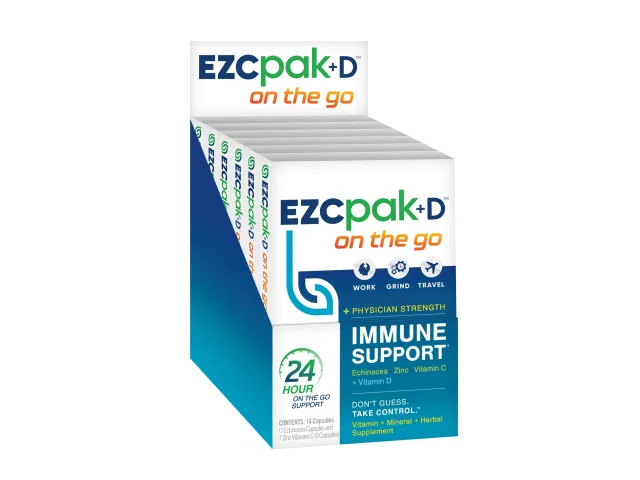 Deal
EZC Pak
Season 11 · Kevin O'Leary
 Deal
The Transformation Factory
Season 13 · Mark Cuban
 Deal
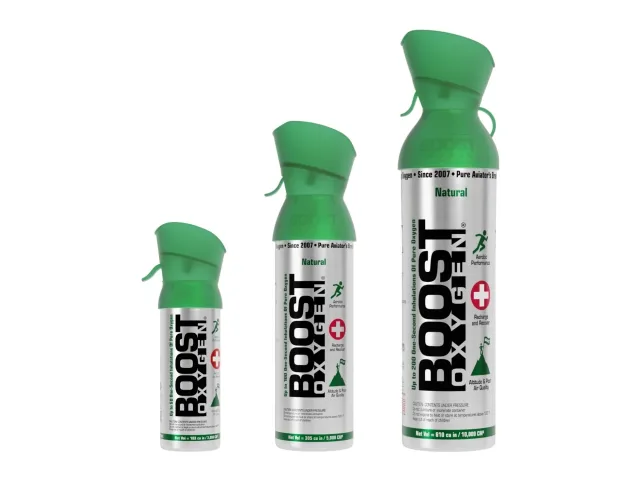
Boost Oxygen
Season 11 · Kevin O'Leary
 No deal
ENERGYbits
Season 8
 No deal
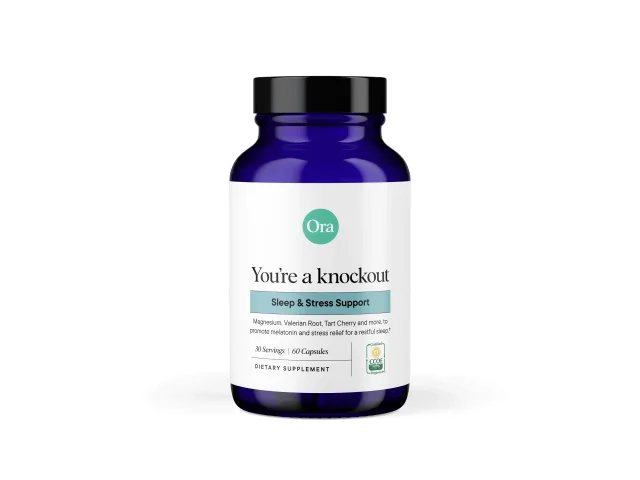
Ora Organics
Season 8
No deal
Thrive+
Season 9
No deal
LifeCaps
Season 5
 No deal
Cranel
Season 17
 No deal
Moment
Season 12
Why a supplement business works now
Vitamins, protein powders, gummies, greens blends and functional drinks are part of many people's daily routines, and customers who like a product tend to reorder monthly. Contract manufacturers can produce small batches under your brand, so you do not need your own facility to start. Subscriptions, bundles and loyal communities make the economics attractive when the product is good.
The challenges are trust, competition and regulation. Shelves and marketplaces are crowded, customers are skeptical of big promises, and both the FDA and the FTC watch how supplements are made, labeled and marketed. The brands that last invest in quality, make careful claims and build credibility over time.
What Shark Tank pitches teach us
Supplement and wellness pitches appear regularly on Shark Tank, and the Sharks often press founders on their claims, costs and repeat customers.
- Marz Sprays (Season 4), oral spray supplements such as vitamin and energy formulas, got a deal with Lori Greiner. Lesson: a different delivery format can help a familiar ingredient stand out.
- Cerebral Success (Season 5), nootropic supplements marketed for focus and mental energy, got a deal with Barbara Corcoran and is listed as active. Lesson: a clear target customer, here students and professionals, makes marketing easier.
- EZC Pak (Season 11), a multi-day pack of echinacea, zinc and vitamin C, and Boost Oxygen (Season 11), portable canisters of supplemental oxygen, both got deals with Kevin O'Leary. Simple packaging and a defined use occasion are recurring themes.
- The Transformation Factory (Season 13), sea moss gel sold as a nutritional supplement, got a deal with Mark Cuban and guest Shark Kevin Hart.
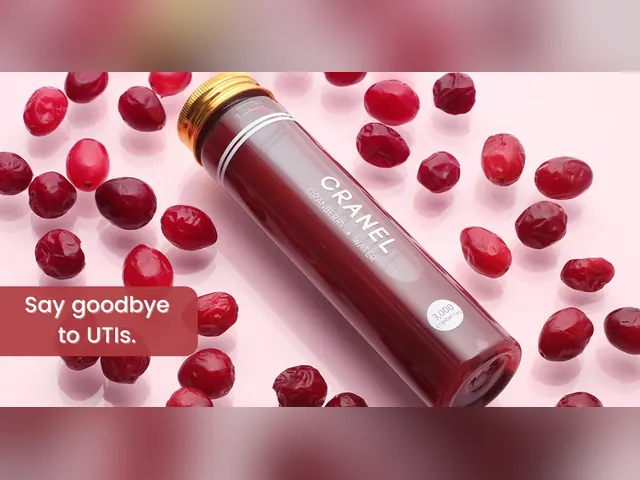
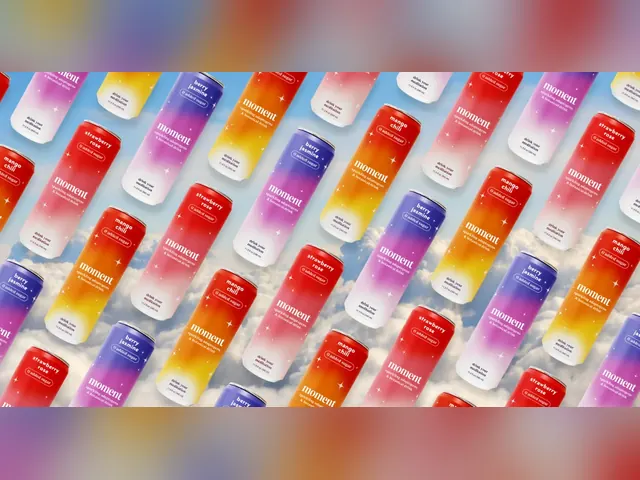
- Many supplement founders left without deals. ENERGYbits (spirulina tablets), Ora Organics (plant-based supplements and protein powders) and Thrive+ (a supplement taken around drinking alcohol) walked away empty-handed. LifeCaps (survival capsules), Cranel (a concentrated cranberry wellness shot) and Moment (a sparkling drink with botanicals and adaptogens) also left without deals but are listed as active.
The pattern: no deal often reflects concerns about competition, customer acquisition costs or valuation rather than the product itself. Products tied to specific health outcomes get the closest questioning.
Startup costs breakdown
Typical estimates for a small brand using a contract manufacturer:
| Item | Lean start | Funded start |
|---|---|---|
| Formulation and samples | $500-$3,000 | $5,000-$15,000 |
| First production run (manufacturer minimums) | $5,000-$15,000 | $20,000-$40,000 |
| Third-party testing (identity, potency, contaminants) | $500-$2,000 | $3,000-$8,000 |
| Label design and regulatory review | $1,000-$3,000 | $3,000-$8,000 |
| Packaging | $500-$2,000 | $3,000-$8,000 |
| Product liability insurance (first year) | $1,000-$3,000 | $3,000-$6,000 |
| Website, content and launch marketing | $1,500-$5,000 | $10,000-$25,000 |
Most brands spend between $10,000 and $75,000 before steady sales. Customer acquisition often costs more than founders expect.
Regulation basics
In the US, dietary supplements are regulated by the FDA under the Dietary Supplement Health and Education Act (DSHEA). In general terms:
- No pre-approval, but real responsibility: the FDA does not approve supplements before sale, but companies are responsible for safety and accurate labeling. New dietary ingredients may require notification to the FDA.
- Manufacturing standards: supplements must be made under current good manufacturing practice (cGMP) rules. Choose a manufacturer that follows them and audit their documentation.
- Labels: include a Supplement Facts panel, ingredient list, net quantity, and manufacturer or distributor information.
- Claims: supplements cannot claim to diagnose, treat, cure or prevent a disease. Structure/function claims, such as supporting normal immune function, require the standard FDA disclaimer and notification to the FDA.
- Advertising: the FTC requires health claims in ads, on websites and from influencers to be truthful and backed by competent and reliable scientific evidence, and endorsements must be disclosed.
Requirements change, so work with a regulatory consultant or attorney who knows supplements.
Step-by-step: how to start
- Choose a focused niche. A specific audience and need, such as athletes, travelers or busy professionals, is easier to reach than general wellness.
- Research ingredients and evidence. Use ingredients and doses supported by research, and keep records of the evidence for every claim.
- Pick a cGMP contract manufacturer. Compare minimums, lead times, certifications and testing practices.
- Test every batch. Independent testing for identity, potency and contaminants protects customers and your reputation.
- Build compliant labels and marketing. Have an expert review your label, website, ads and influencer scripts.
- Launch direct to consumer. Subscriptions and education-driven content build loyalty and data.
- Track reorder rates. Retention is the clearest sign the product works for customers.
- Expand carefully. Add products for the same customer before chasing new audiences.
How to make money
Supplements commonly sell at four to five times their product cost, as a typical estimate, but marketing eats much of that margin. Common channels:
- Subscriptions: predictable revenue and lower acquisition cost per order over time.
- Amazon: large reach, with category requirements, fees and heavy competition.
- Specialty retail and gyms: credibility with targeted buyers, at wholesale prices.
- Practitioners: trainers, nutritionists and clinics that recommend or resell.
Building trust in a crowded category
Supplement buyers have learned to be skeptical, so credibility is a competitive advantage. Publish your third-party test results or certificates of analysis, explain why you chose each ingredient and dose, and be specific about what the product is and is not meant to do. Independent certification programs for supplements can also help with retailers and cautious shoppers. Influencer marketing works in this category, but influencers must disclose paid relationships and stay within the same claim limits that apply to you.
Questions the Sharks would ask you
- What does a bottle cost to make, and what do you sell it for?
- How much do you spend to acquire a customer, and how many reorder?
- What evidence supports your claims?
- Who manufactures it, and do they follow cGMP?
- Why would someone choose you over the many similar products?
- Have you had any regulatory or marketplace issues?
Red flags that sink pitches in this category
- Disease claims: promising to treat, cure or prevent illness.
- No evidence: claims based on testimonials alone.
- Me-too products: the same formula as hundreds of others.
- High acquisition costs: ad spend that outruns customer lifetime value.
- Weak quality control: no batch testing or manufacturing oversight.
- Low retention: customers try it once and do not come back.
Make a quality product, label it properly, keep your claims honest, and earn reorders one customer at a time.
Frequently asked questions
How much does it cost to start a supplement business?
As a typical estimate, a small supplement brand using a contract manufacturer can start for $10,000-$25,000, covering formulation, a first production run, testing, labels and insurance. A funded launch with larger inventory and marketing commonly runs $50,000-$75,000 or more.
Do supplements need FDA approval?
No. Under DSHEA, the FDA does not approve dietary supplements before they are sold, but companies are responsible for safety, cGMP manufacturing and accurate labeling. New dietary ingredients may require FDA notification, and the FDA can act against unsafe or misbranded products.
What claims can I make about my supplement?
Supplements may make structure/function claims, such as supporting normal energy levels, with the required FDA disclaimer, but they cannot claim to diagnose, treat, cure or prevent a disease. The FTC also requires advertising claims to be truthful and supported by competent and reliable scientific evidence.
Can I start a supplement brand without my own factory?
Yes. Most new brands work with contract or private-label manufacturers that follow cGMP rules. You remain responsible for the product, so verify the manufacturer's certifications, review their testing and keep good records.
Every pitch, deal and Shark mentioned here is checked against our database of 1,533 Shark Tank pitches. Cost ranges are typical estimates, not quotes. This is general education, not financial, legal or investment advice. Editorial policy · Suggest a correction
More business ideas
See all →
How to Start a Haircare Brand: Lessons From 11 Shark Tank Pitches
Haircare rewards founders who serve a specific hair type or need better than the giants do.



How to Start a Bedding and Sleep Products Business: Lessons From 11 Shark Tank Pitches
Better sleep is something nearly everyone wants, which makes bedding and sleep products a large…
How to Start a Prepared Meals or Meal Kit Business: Lessons From 11 Shark Tank Pitches
Busy households will pay for dinner they do not have to plan or cook. Here is how prepared meal…


How to Start a Party Products Business: Lessons From 11 Shark Tank Pitches
Party hats, decorations, tableware and photo booths have all won Shark Tank deals.


How to Start an Educational Toy Business: Lessons From 11 Shark Tank Pitches
Building sets, coding kits and hands-on learning toys have earned several Shark Tank deals.
How to Start a Snack Brand: Lessons From 10 Shark Tank Pitches
Snacks are one of the most crowded aisles in the grocery store and one of the most frequently…

Licensing vs. Building a Brand: Lessons From Shark Tank
Inventors on Shark Tank face a fundamental choice: license the idea to a company that already has…

Know Your Numbers: The Metrics Sharks Grill Founders On
Sharks judge a business by a handful of numbers: sales, margins, landed cost, customer acquisition…
Shark Tank Deal Terms Glossary
A plain-English glossary of the deal terms you hear on Shark Tank, from equity and valuation to…